
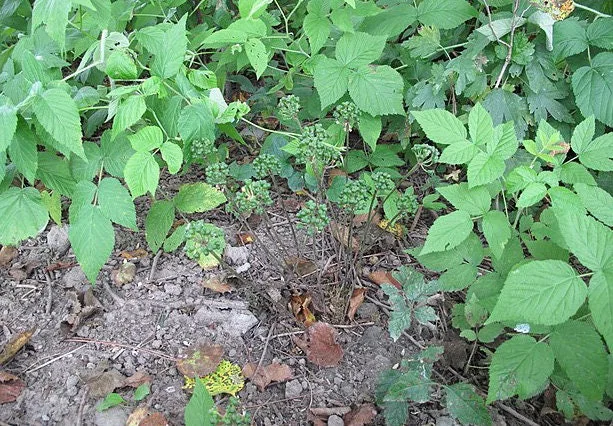
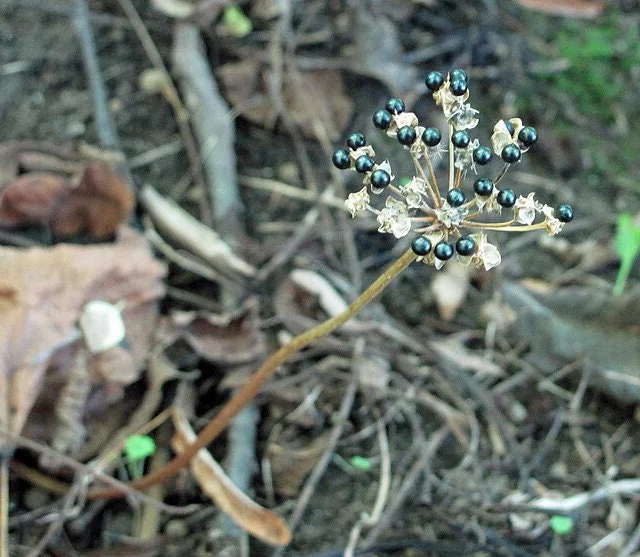
Allium tricoccum Ramps Seeds – Wild Leek Seeds – 40 Count – Outdoor Edible Perennial
Original price was: $25.00.$17.50Current price is: $17.50.
Cultivate your own gourmet delicacy with ramps seeds (Allium tricoccum). These wild leek seeds yield a perennial plant prized for its distinctive garlic-onion flavor, perfect for enriching your culinary garden.
Shipping and Return policies:
We stand behind our plants with our Alive & Thrive Guarantee. If you experience any issues within the first 30 days, please email us, and our team will be happy to help. When needed, we’ll send you a one-time replacement free of charge to make sure your garden keeps growing strong.

Reasonable Price
We offer reasonable price

Support 24/7
Contact us 24 hrs a day
100% Money Back
You’ve 30 days to Return
Payment Secure
100% secure payment
Overview
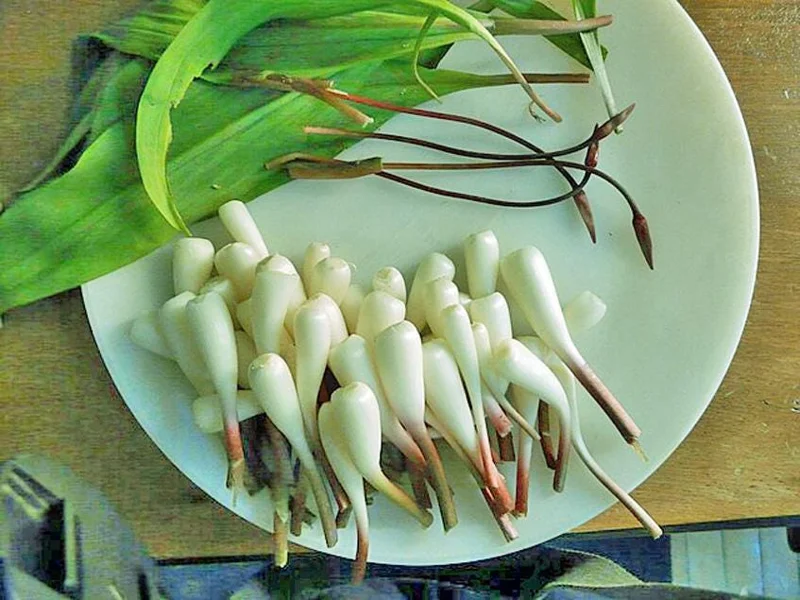
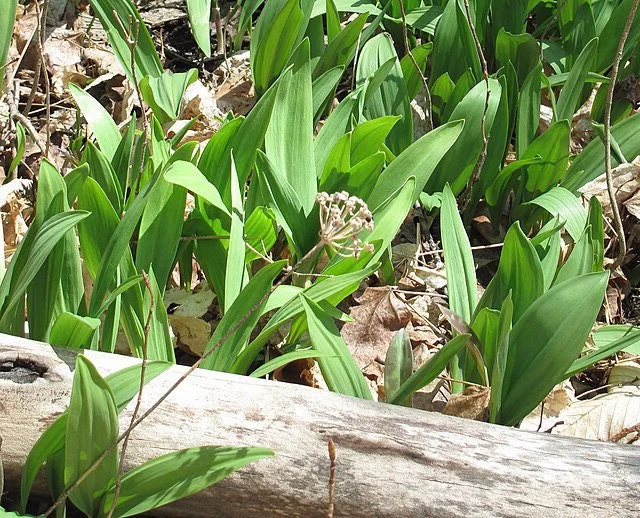
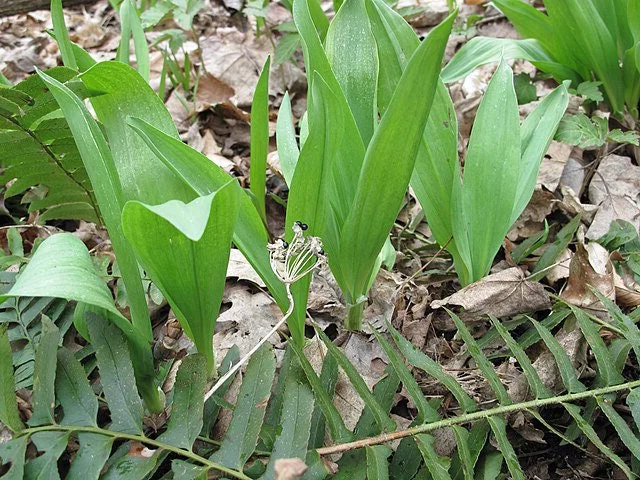
Discover the joy of growing your own gourmet ingredients with our premium ramps seeds. Allium tricoccum, commonly known as ramps or wild leeks, is a cherished perennial wild onion species native to North America. These unique plants are celebrated for their delicate, yet pronounced, onion-like flavor, often described as a blend of garlic and onion. Emerging in early spring with broad, lance-shaped leaves, ramps are a true harbinger of the season and a highly sought-after ingredient in culinary traditions. Cultivating allium tricoccum seeds allows you to bring this woodland treasure to your own garden, ensuring a sustainable supply of this delicious edible perennial.
Our ramps seeds provide an opportunity to establish a thriving patch of these flavorful plants. Ramps thrive in rich, moist, and well-drained woodland soils, typically found in shaded areas, mimicking their natural habitat. The entire plant, from the bulb to the vibrant green leaves, is edible and highly prized. Due to their immense popularity, particularly in spring cuisine, growing your own wild leek seeds is an excellent way to enjoy this seasonal delicacy while supporting local biodiversity.
Key Benefits
Growing ramps seeds offers a multitude of benefits, transforming your garden into a source of unique culinary and ecological value. These versatile plants are not only a chef’s delight but also contribute positively to your outdoor space:
- Exceptional Culinary Flavor: Enjoy the distinctive blend of garlic and onion flavor that ramps are famous for. These allium tricoccum seeds will produce plants perfect for adding a gourmet touch to spring dishes, from stir-fries to omelets.
- Perennial Harvest: Once established, your ramp patch will return year after year, providing a reliable and sustainable harvest of fresh, flavorful greens. This makes them a valuable addition to any long-term edible garden.
- Early Spring Delicacy: Ramps are among the first edible greens to emerge in spring, offering a fresh taste of the season when other garden produce is still dormant. Cultivating wild leek seeds ensures you have access to this coveted ingredient early on.
- Shade-Loving Plant: Ideal for woodland gardens or shaded areas where other edibles might struggle. Ramps thrive in conditions that many plants find challenging, making them a perfect fit for under-tree planting.
- Supports Biodiversity: As a native species, ramps seeds contribute to local ecosystems, providing early spring forage and supporting diverse flora and fauna in your garden.
- Easy to Grow from Seed: With proper stratification and care, these seeds can successfully establish a rewarding patch of ramps, allowing you to experience the full growth cycle from seed to harvest.
- Unique Garden Addition: Beyond their culinary use, ramps offer an attractive early spring foliage, adding a touch of natural woodland beauty to your garden landscape.
Plant Care & Growing Tips
Successfully growing ramps seeds requires patience and an understanding of their natural habitat. Ramps, or wild leek seeds, often exhibit dormancy, so mimicking natural conditions is key. The first crucial step is stratification: mix the small black seeds with a damp medium like sand or peat moss, then refrigerate them for several weeks (typically 8-12 weeks) to simulate winter conditions. This cold, moist period helps break dormancy and prepare the seeds for germination. After stratification, plant the seeds at a shallow depth in a well-draining, nutrient-rich soil. A woodland soil enriched with organic matter is ideal.
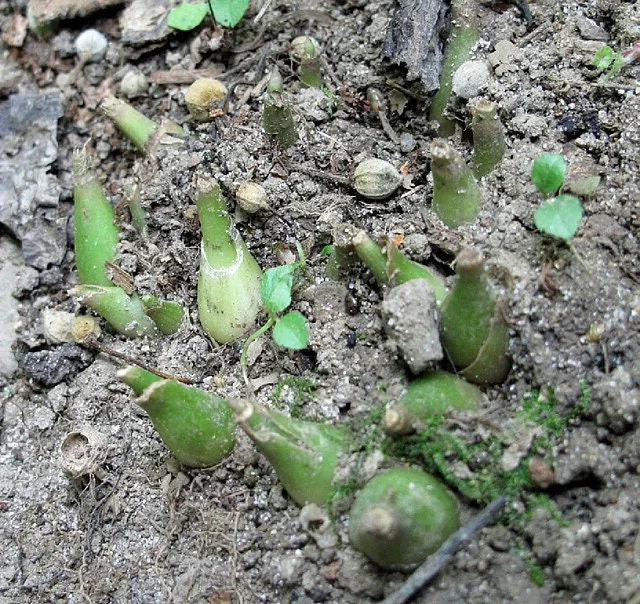
Maintaining consistent moisture is vital during the germination phase. Keep the soil evenly moist but not waterlogged. Germination can be slow, taking several weeks to a few months, so continued patience is essential. Optimal temperatures for germination range from 50-70°F (10-21°C). Once seedlings emerge and are large enough to handle, they can be carefully transplanted to their final growing location. Ramps prefer partial to full shade, thriving under the canopy of deciduous trees where they receive early spring sunlight before the leaves fully emerge. They are hardy in USDA Zones 3-8. Fertilize sparingly with a balanced organic fertilizer in early spring. While growing allium tricoccum seeds can be a slow process, the reward of a thriving ramp patch is well worth the effort, providing fresh harvests for years to come.
Size & Details
This offering includes a packet of 40 ramps seeds (Allium tricoccum), providing ample opportunity to establish a robust patch of these desirable perennial plants. Each seed is carefully selected to ensure viability for successful germination. From these edible perennial seeds, plants will typically develop broad, lance-shaped leaves that emerge in early spring, reaching a height of approximately 6-12 inches. While growth from seed can be slow, with germination taking several weeks to months, established plants will spread over time through bulb division, forming clumps.
The mature plants will produce small black seeds, allowing for natural reseeding and expansion of your ramp patch. These seeds are shipped in a protective packet, ready for stratification and planting. While the initial growth from ramps seeds may take time, a mature patch can provide a sustainable harvest for many years, becoming a cherished part of your culinary garden.
Frequently Asked Questions
- Q: How many seeds are included in this packet? A: This packet contains 40 ramps seeds (Allium tricoccum), providing a good quantity to start your ramp patch and allow for successful germination and establishment.
- Q: How big do ramp plants get? A: Ramp plants typically grow 6-12 inches tall with broad, lance-shaped leaves that emerge in early spring. The size can vary based on growing conditions and age of the plant.
- Q: Is this an indoor or outdoor plant? A: Ramps are primarily an outdoor plant, thriving in woodland-like conditions with partial to full shade. They are not typically grown as indoor houseplants due to their specific light and dormancy requirements.
- Q: How much sunlight do ramps seeds need? A: Ramps prefer partial to full shade, especially during the warmer months. They benefit from early spring sunlight before deciduous trees leaf out, mimicking their natural woodland environment.
- Q: Is growing ramps from seed difficult? A: Growing ramps from seed requires patience and attention to specific steps, particularly cold stratification to break dormancy. While not overly difficult, it is a slower process compared to other vegetables.
- Q: What condition will the seeds arrive in? A: The allium tricoccum seeds will arrive in a sealed packet, ensuring their protection and viability. They will be dry and ready for the required stratification process before planting.
- Q: What is the best time to plant wild leek seeds? A: After cold stratification, the best time to plant ramps seeds is in late fall or early spring, allowing them to germinate as temperatures rise naturally.
- Q: Will these ramps survive winter in my zone? A: Ramps are cold-hardy perennials, thriving in USDA Zones 3-8. They are well-adapted to cold winters and will go dormant, re-emerging each spring.
- Q: Can I use ramps in cooking? A: Absolutely! Ramps are a highly prized culinary ingredient, famous for their unique garlic-onion flavor. Both the leaves and bulbs are edible and delicious in a variety of dishes.
- Q: How long until I can harvest ramps? A: While you might see small plants in the first year, it can take 3-5 years for a ramp patch started from ramps seeds to become established enough for sustainable harvesting without depleting the patch.
Be the first to review “Allium tricoccum Ramps Seeds – Wild Leek Seeds – 40 Count – Outdoor Edible Perennial”
You must be logged in to post a review.
People also Viewed
Sold 50 products
Original price was: $109.95.$79.98Current price is: $79.98.
Sold 50 products
Original price was: $25.00.$17.50Current price is: $17.50.
Flower Seeds
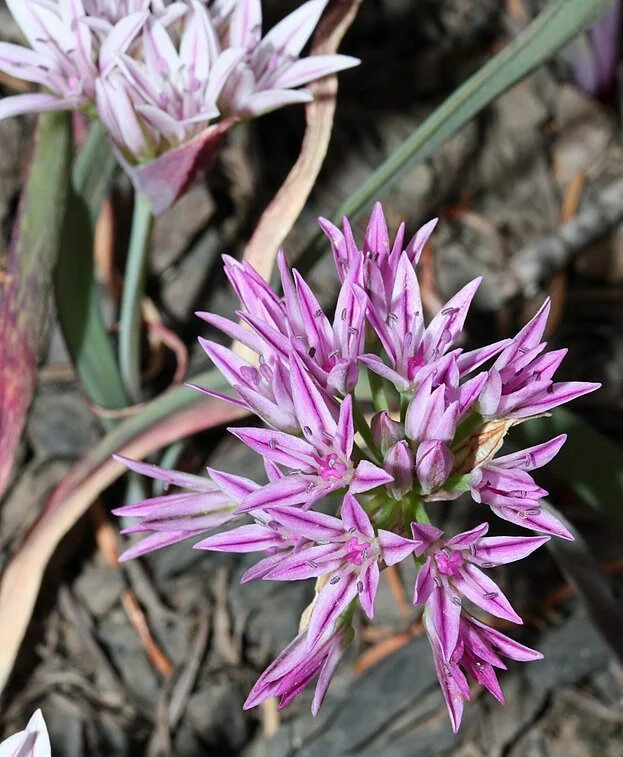
Olympic Onion Seeds – Allium crenulatum Flower Seeds – 10 Seed Pack – Outdoor Native Plant
Sold 50 products
Original price was: $25.00.$17.50Current price is: $17.50.
Sold 50 products
Original price was: $25.00.$17.50Current price is: $17.50.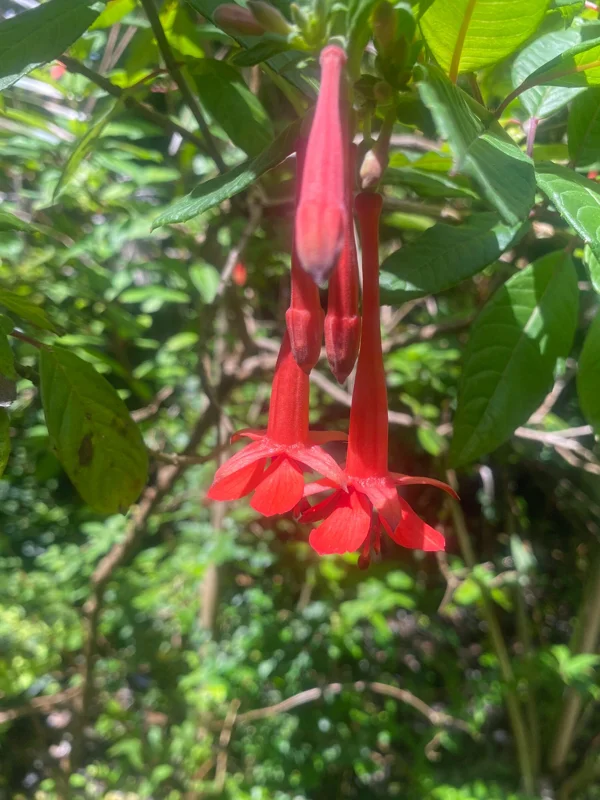
Flower Seeds
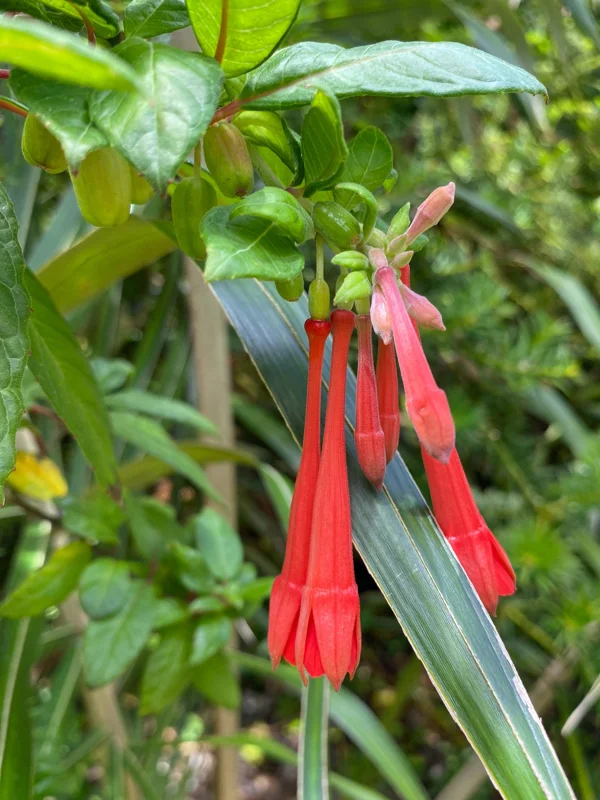
Fuchsia vulcanica Seeds – 20 Pack – Vibrant Orange Coral Flowers for Garden & Containers
Sold 50 products
Original price was: $25.00.$17.50Current price is: $17.50.
Sold 50 products
Original price was: $116.98.$95.68Current price is: $95.68.
Sold 50 products
Original price was: $21.00.$14.10Current price is: $14.10.
Aquatic Plant Seeds
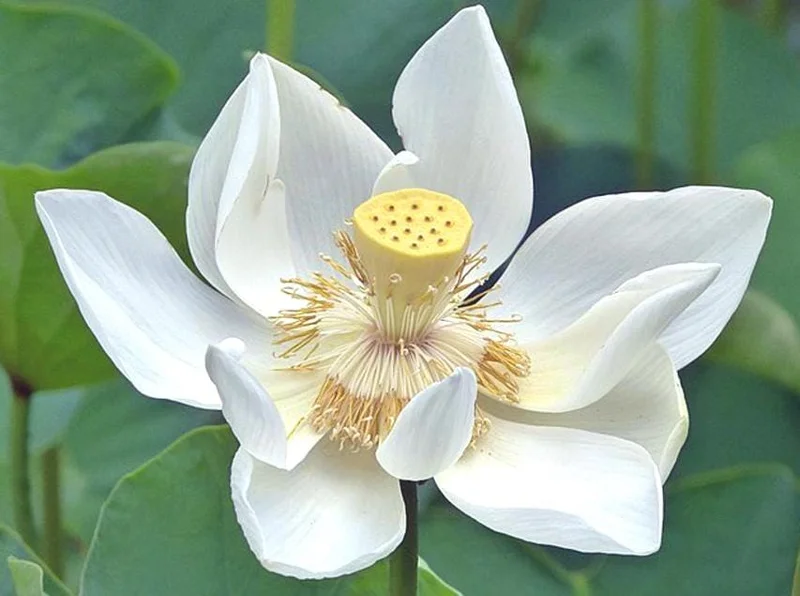
White Lotus Seeds – Nelumbo Nucifera Aquatic Pond Plant – 5 Seeds for Water Garden
Sold 50 products
Original price was: $29.00.$20.90Current price is: $20.90.RELATED posts
Awapuhi Wild Ginger Plant: Zones, Care, and Propagation
Learn which USDA zones suit awapuhi wild ginger, plus sunlight, water, planting, propagation, pests, size, [...]
Awapuhi Shampoo Ginger – Care, Growing Zones, and Differences
Learn how to grow awapuhi (shampoo) ginger, its USDA zones, watering schedule, propagation tips, and [...]
Awapuhi Shampoo Plant Buying Guide – Choose the Right Zingiber zerumbet
META: Learn which awapuhi (shampoo ginger) plant or rhizome pack gives the best natural shampoo, [...]
Awapuhi Plant for Sale: Complete Buying Guide
Find the right awapuhi (shampoo ginger) plant, size, price, soil mix, and online source. Practical [...]
Shampoo Ginger Plant for Sale – Buying Guide & Tips
Find the right shampoo ginger plant, size, price, and care tips. Quick guide for U.S. [...]
Shampoo Ginger Plant (Awapuhi) Care Guide
Learn how to grow, care for, and use shampoo ginger (Zingiber zerumbet), the tropical awapuhi [...]
How to Grow Cuban Oregano Plants: A Complete Care Guide
If you’ve ever wanted a plant that combines the culinary punch of traditional oregano with [...]
Aug
How to Grow Habanero Pepper Plants: A Step-by-Step Guide
Habanero pepper plants are prized for their vibrant colors, intense heat, and exceptional flavor, making [...]
Aug
Reviews
There are no reviews yet.