
Allegheny Viburnum Live Plant – 2.5-inch Pot – Outdoor Shrub
Original price was: $32.10.$16.10Current price is: $16.10.
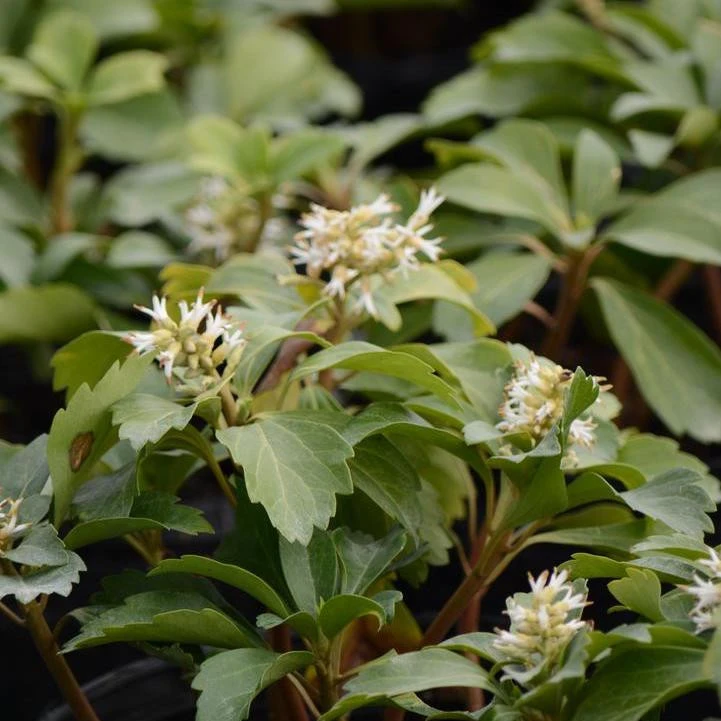
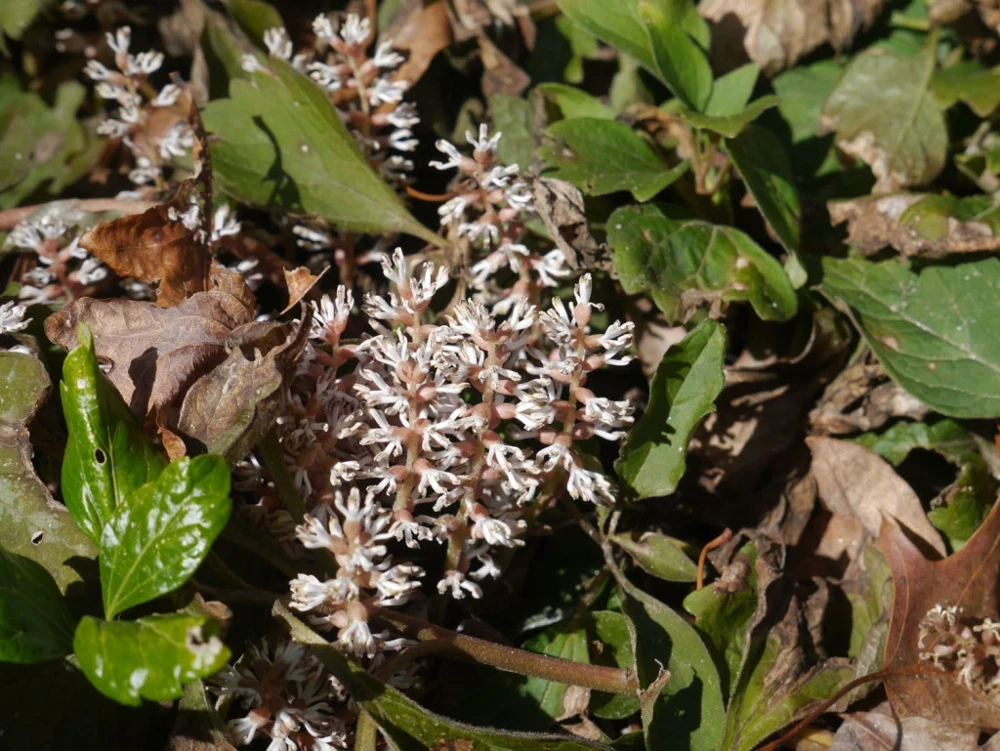
Discover the beauty of the allegheny viburnum live plant, perfect for adding structure and seasonal interest to your outdoor space. This resilient shrub offers attractive white spring flowers, followed by dark berries, and stunning fall color. Ideal for hedges or as a specimen plant, this allegheny viburnum shrub comes in a convenient 2.5-inch pot, ready for planting.
Shipping and Return policies:
We stand behind our plants with our Alive & Thrive Guarantee. If you experience any issues within the first 30 days, please email us, and our team will be happy to help. When needed, we’ll send you a one-time replacement free of charge to make sure your garden keeps growing strong.

Reasonable Price
We offer reasonable price

Support 24/7
Contact us 24 hrs a day
100% Money Back
You’ve 30 days to Return
Payment Secure
100% secure payment
Overview
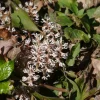
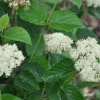
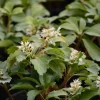
Introduce a touch of natural elegance to your landscape with the allegheny viburnum live plant. This robust and versatile shrub, scientifically known as Viburnum rhytidophylloides ‘Allegheny’, is a hybrid of the leatherleaf viburnum (V. rhytidophyllum) and the arrowwood viburnum (V. dentatum). It’s a popular choice among gardeners for its year-round appeal, offering a dynamic display of texture and color. In spring, it boasts clusters of creamy white flowers that attract pollinators, followed by attractive dark red to black berries in late summer, which are a favorite food source for birds. As an outdoor plant, it thrives in a variety of conditions, making it a reliable addition to many garden styles. The allegheny viburnum care is relatively straightforward, suitable for both novice and experienced gardeners looking for a low-maintenance yet high-impact shrub.
The ‘Allegheny’ cultivar is particularly noted for its semi-evergreen to evergreen foliage, depending on your climate, providing interest even in winter. Its deeply wrinkled, leathery leaves give it a distinctive appearance. This particular offering is a young allegheny viburnum live plant, supplied in a 2.5-inch pot, perfect for establishing in your garden or a larger container. Whether you’re planning a mixed border, a privacy hedge, or a focal point, this viburnum is an excellent choice for its enduring beauty and ecological benefits. Many customers seek to buy allegheny viburnum for its adaptability and ornamental value, making it a garden staple.
Key Benefits
The allegheny viburnum live plant offers a multitude of advantages that make it a standout choice for any garden. Its hardiness and aesthetic appeal contribute significantly to a vibrant and thriving outdoor environment.
- Year-Round Visual Interest: Enjoy its semi-evergreen to evergreen foliage, clusters of white spring flowers, and dark berries, ensuring your garden remains attractive throughout the seasons. This makes the allegheny viburnum shrub a valuable asset for consistent landscape beauty.
- Pollinator and Wildlife Friendly: The fragrant spring flowers are a magnet for bees and butterflies, while the berries provide a crucial food source for various bird species, enhancing your garden’s biodiversity.
- Low Maintenance & Drought Tolerant: Once established, this viburnum requires minimal care, tolerating a range of soil conditions and exhibiting good drought resistance, perfect for busy gardeners.
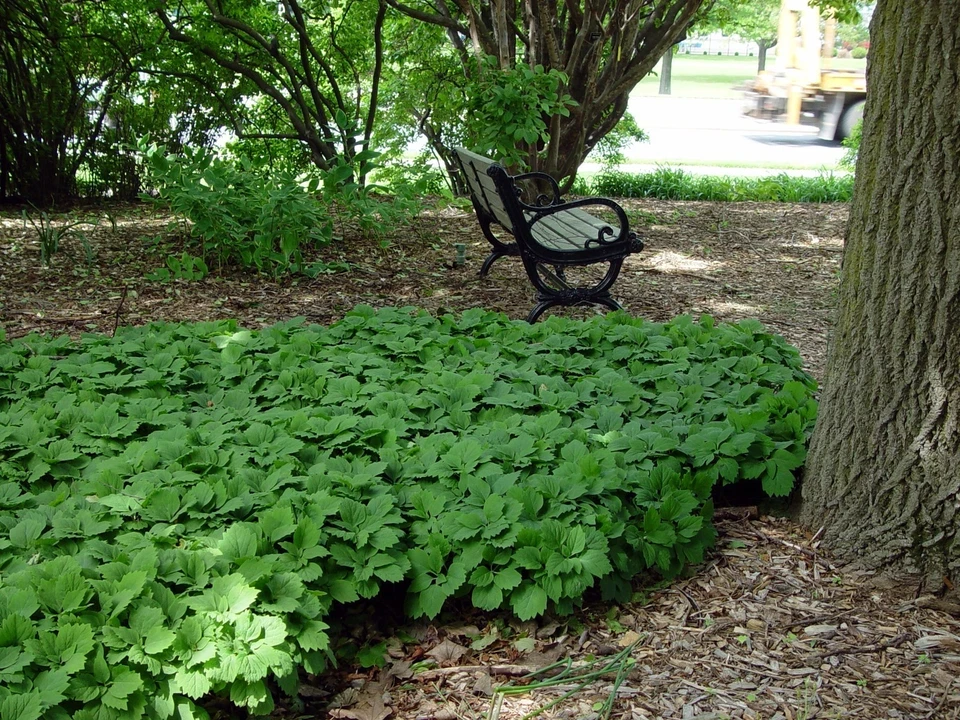
- Versatile Landscaping Use: Its dense growth habit makes it ideal for privacy screens, hedges, foundation plantings, or as a striking specimen plant in mixed borders. The robust nature of the viburnum dentatum allegheny hybrid contributes to this versatility.
- Disease and Pest Resistant: Generally, ‘Allegheny’ shows good resistance to common pests and diseases, reducing the need for chemical treatments and ensuring a healthier plant.
- Attractive Fall Foliage: Beyond its evergreen qualities, in colder climates, the foliage can develop beautiful purple-bronze hues in the autumn, adding another layer of seasonal charm.
- Adaptable to Various Light Conditions: While it prefers full sun to partial shade, it can tolerate a wider range of light exposures, offering flexibility in planting locations.
Plant Care & Growing Tips
Providing proper care for your allegheny viburnum live plant will ensure its vigorous growth and abundant displays. This resilient shrub is relatively easy to maintain, making it a rewarding addition to your garden.
Sunlight Requirements: The allegheny viburnum care routine begins with proper light exposure. This plant thrives best in full sun to partial shade. Full sun (at least 6 hours of direct sunlight per day) promotes the most prolific flowering and fruiting, as well as dense foliage. In hotter climates, some afternoon shade can be beneficial to protect the leaves from scorching. If planted in too much shade, it may become leggy and produce fewer flowers and berries.
Watering Schedule and Soil Moisture: While established plants are quite drought-tolerant, young plants like this allegheny viburnum shrub in a 2.5-inch pot will require consistent watering. Water regularly during the first growing season to help establish a strong root system. Aim for about 1 inch of water per week, either from rainfall or irrigation. Ensure the soil remains consistently moist but not waterlogged. Once established, watering can be reduced, and it will generally only need supplemental water during prolonged dry spells.
Soil Type and Drainage:Viburnum rhytidophylloides ‘Allegheny’ prefers well-draining soil with a pH range from slightly acidic to slightly alkaline (6.0 to 7.5). It adapts well to a variety of soil types, including clay, loam, and sand, as long as drainage is adequate. Poorly draining soil can lead to root rot, so amending heavy clay soils with organic matter like compost can significantly improve drainage and aeration. For optimal growth, ensure the planting site doesn’t retain standing water after rain.
Temperature Range and USDA Hardiness Zone: The allegheny viburnum live plant is highly adaptable and cold-hardy, thriving in USDA Hardiness Zones 5-8. It can tolerate a wide range of temperatures, from cold winters to hot summers. In the colder end of its range (Zone 5), it may behave more like a semi-evergreen or deciduous shrub, losing some or all of its leaves in winter. In warmer zones, it typically retains its foliage year-round. This wide hardiness range makes it suitable for many regions.
Fertilization Schedule and Type: Fertilize your allegheny viburnum care annually in early spring before new growth begins. Use a balanced, slow-release granular fertilizer formulated for trees and shrubs. Follow the manufacturer’s instructions for application rates based on the plant’s size. Alternatively, you can top-dress with a layer of compost around the base of the plant, which will slowly release nutrients and improve soil structure. Avoid over-fertilizing, as this can lead to excessive leafy growth at the expense of flowers and berries.
Common Problems and Solutions: This viburnum is generally robust and resistant to most pests and diseases. However, occasional issues can arise. Aphids may sometimes appear on new growth; they can often be dislodged with a strong spray of water or treated with insecticidal soap. Leaf spot diseases might occur in humid conditions, which can be managed by ensuring good air circulation and cleaning up fallen leaves. Ensure proper air circulation to minimize fungal issues. Overall, the viburnum dentatum allegheny hybrid is a low-fuss plant.
Size & Details
This offering is for one allegheny viburnum live plant, carefully grown and shipped in a 2.5-inch nursery pot. At the time of shipping, the plant will be a young specimen, typically ranging from 4 to 8 inches in height, ready for transplanting into your garden or a larger container. The plant’s growth rate is moderate, adding about 12-24 inches per year under ideal conditions. When mature, the allegheny viburnum shrub can reach an impressive height and spread of 8 to 10 feet, forming a dense, rounded to upright shrub. Its robust structure makes it an excellent choice for a substantial landscape feature.
The plant will arrive with a well-established root system within its nursery pot, ensuring a smooth transition to its new home. Expect the plant to establish quickly and begin to show new growth shortly after planting, given proper care. While it may take a few years to reach its full mature size and produce an abundance of flowers and berries, its semi-evergreen foliage provides immediate appeal. The berries typically appear in late summer to early fall, following the spring bloom. This is a durable and long-lived shrub, providing decades of enjoyment in your garden. For those looking to buy allegheny viburnum, understanding its growth potential is key.
Frequently Asked Questions
- Q: How big does this plant get? A: The allegheny viburnum live plant typically grows to a mature height and spread of 8 to 10 feet. It forms a dense, rounded shrub, making it suitable for various landscape applications.
- Q: What size pot does it come in? A: This particular plant is shipped in a 2.5-inch nursery pot, providing a healthy young specimen ready for transplanting into your garden or a larger container.
- Q: Is this an indoor or outdoor plant? A: The allegheny viburnum shrub is an outdoor plant, best suited for garden beds, hedges, or large outdoor containers where it can thrive and reach its full potential.
- Q: How much sunlight does it need? A: It performs best in full sun to partial shade, meaning it requires at least 4-6 hours of direct sunlight daily for optimal growth, flowering, and fruiting.
- Q: Is this plant easy to care for? A: Yes, the ‘Allegheny’ viburnum is considered a low-maintenance shrub. Once established, it is quite tolerant of various conditions and relatively pest and disease resistant, making allegheny viburnum care straightforward.
- Q: What condition will it arrive in? A: Your allegheny viburnum live plant will arrive in a healthy, well-rooted condition within its nursery pot, carefully packaged to ensure its safe journey.
- Q: How long until it blooms? A: While younger plants may take a year or two to establish, mature Allegheny Viburnums typically bloom in mid to late spring with clusters of white flowers.
- Q: When is the best time to plant? A: The best time to plant your viburnum dentatum allegheny is in spring or early fall, allowing the plant sufficient time to establish its root system before extreme temperatures.
- Q: Will it survive winter in my zone? A: This plant is cold-hardy and thrives in USDA Zones 5-8, making it suitable for a wide range of climates. In colder zones, it may exhibit more deciduous behavior.
- Q: What’s the minimum temperature it can tolerate? A: The Allegheny Viburnum can tolerate winter temperatures down to approximately -20°F to -10°F (USDA Zone 5), showcasing its impressive cold hardiness.
Be the first to review “Allegheny Viburnum Live Plant – 2.5-inch Pot – Outdoor Shrub”
You must be logged in to post a review.
People also Viewed
Sold 50 products
$32.38
Sold 50 products
$27.38
Sold 50 products
$32.38
Sold 50 products
$19.88
Sold 50 products
$62.38
Sold 50 products
$24.88
Houseplants
Phalaenopsis pulcherrima ‘Mauna Kea Snow’ Orchid Live Plant – White Flowers, Potted 2.5 in
Sold 50 products
$49.88
Sold 50 products
$49.88RELATED posts
Awapuhi Wild Ginger Plant: Zones, Care, and Propagation
Learn which USDA zones suit awapuhi wild ginger, plus sunlight, water, planting, propagation, pests, size, [...]
Awapuhi Shampoo Ginger – Care, Growing Zones, and Differences
Learn how to grow awapuhi (shampoo) ginger, its USDA zones, watering schedule, propagation tips, and [...]
Awapuhi Shampoo Plant Buying Guide – Choose the Right Zingiber zerumbet
META: Learn which awapuhi (shampoo ginger) plant or rhizome pack gives the best natural shampoo, [...]
Awapuhi Plant for Sale: Complete Buying Guide
Find the right awapuhi (shampoo ginger) plant, size, price, soil mix, and online source. Practical [...]
Shampoo Ginger Plant for Sale – Buying Guide & Tips
Find the right shampoo ginger plant, size, price, and care tips. Quick guide for U.S. [...]
Shampoo Ginger Plant (Awapuhi) Care Guide
Learn how to grow, care for, and use shampoo ginger (Zingiber zerumbet), the tropical awapuhi [...]
How to Grow Cuban Oregano Plants: A Complete Care Guide
If you’ve ever wanted a plant that combines the culinary punch of traditional oregano with [...]
Aug
How to Grow Habanero Pepper Plants: A Step-by-Step Guide
Habanero pepper plants are prized for their vibrant colors, intense heat, and exceptional flavor, making [...]
Aug
Reviews
There are no reviews yet.