
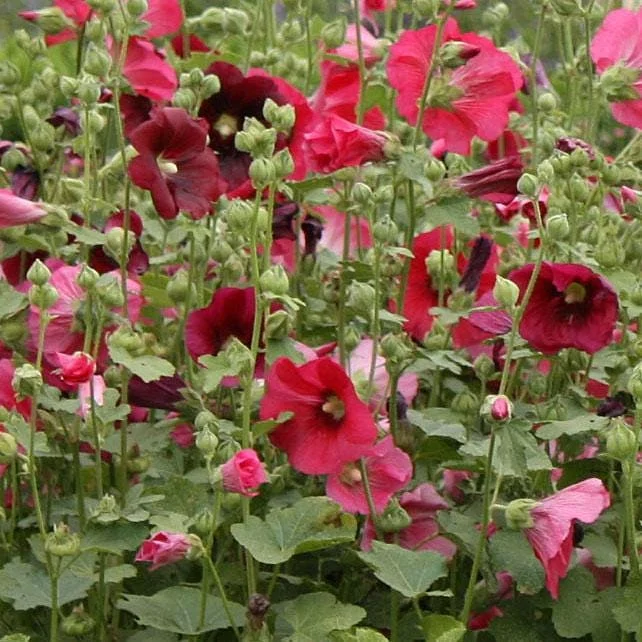
Alcea Rosea Indian Spring Hollyhock Live Plant – Starter Plant 2.5×3.5 Inch Pot
Original price was: $28.70.$13.70Current price is: $13.70.
Bring classic charm to your garden with an Indian Spring Hollyhock live plant. This beautiful Alcea Rosea Indian Spring variety is a well-rooted starter plant, perfect for creating a stunning vertical display. Expect mixed-color, cup-shaped blooms from this robust biennial, adding vibrant hues to your landscape. Easy to grow in full sun to light shade.
Shipping and Return policies:
We stand behind our plants with our Alive & Thrive Guarantee. If you experience any issues within the first 30 days, please email us, and our team will be happy to help. When needed, we’ll send you a one-time replacement free of charge to make sure your garden keeps growing strong.

Reasonable Price
We offer reasonable price

Support 24/7
Contact us 24 hrs a day
100% Money Back
You’ve 30 days to Return
Payment Secure
100% secure payment
Overview
Introduce a touch of timeless elegance to your garden with the spectacular Indian Spring Hollyhock live plant. Known botanically as Alcea Rosea ‘Indian Spring’, this beloved biennial is a gardener’s delight, offering a magnificent display of large, cup-shaped flowers in a beautiful array of mixed colors. Each Alcea Rosea Indian Spring starter plant is well-rooted and ready to establish itself in your outdoor space, promising a stunning vertical accent against fences, walls, or at the back of borders. Hollyhocks are cherished for their stately presence and ability to self-seed, ensuring a continuous show of blooms year after year. This variety is particularly noted for its vigorous growth and abundant flowering, making it an excellent choice for cottage gardens, informal landscapes, or any area where a dramatic floral statement is desired.
The Indian Spring Hollyhock live plant provides an impressive growth habit, reaching heights of 5-8 feet, making it one of the most striking plants in any perennial bed. Its single, 3-5 inch blooms create a captivating visual spectacle from early summer through fall. Whether you’re an experienced horticulturist or just starting your gardening journey, growing hollyhocks like the ‘Indian Spring’ is a rewarding experience that adds both beauty and a touch of nostalgic charm to your home. Prepare to be enchanted by the vibrant hues and classic form of this remarkable flowering plant.
Key Benefits
The Indian Spring Hollyhock live plant offers numerous advantages that make it a standout choice for any garden. Its impressive stature and vibrant blooms contribute significantly to garden aesthetics and ecological health.
- Dramatic Vertical Interest: With heights reaching 5-8 feet, this biennial hollyhock plant creates an instant focal point, adding height and architectural interest to your garden design, perfect for backgrounds or against structures.
- Abundant Mixed-Color Blooms: Enjoy a profusion of single, 3-5 inch cup-shaped flowers in a delightful mix of colors, ensuring a dynamic and ever-changing display throughout the blooming season. These tall hollyhock flowers are truly spectacular.
- Attracts Pollinators: The vibrant blooms of the Alcea Rosea Indian Spring are a magnet for bees, butterflies, and other beneficial pollinators, contributing to a healthy and thriving garden ecosystem.
- Self-Seeding for Continuous Display: As a biennial, this hollyhock reliably self-seeds, ensuring new plants emerge each year to continue its beautiful legacy without constant replanting efforts.
- Low Maintenance: Once established, the Indian Spring Hollyhock live plant is relatively easy to care for, requiring minimal attention beyond basic watering and occasional deadheading.
- Versatile Garden Use: Ideal for cottage gardens, informal borders, or as a striking backdrop, its adaptability makes it suitable for various landscape styles and themes.
- Hardy and Resilient: Thrives in USDA Zones 3-7, demonstrating robust resilience to a range of environmental conditions, making it a reliable performer in many climates.
Plant Care & Growing Tips
To ensure your Indian Spring Hollyhock live plant flourishes, understanding its specific care requirements is crucial. This plant, while relatively low-maintenance, benefits greatly from proper siting and consistent care. Hollyhocks thrive in full sun to light shade. ‘Full sun’ means at least six hours of direct sunlight per day, which is ideal for maximizing bloom production and ensuring sturdy growth. While it tolerates light shade, too much shade can lead to leggy growth and fewer flowers. Ensure the planting location has good air circulation to prevent fungal diseases, which hollyhocks can sometimes be prone to.
When it comes to watering, the Alcea Rosea Indian Spring prefers consistently moist but not waterlogged soil, especially during dry spells and its active growing and blooming phases. Water deeply at the base of the plant to encourage strong root development and avoid wetting the foliage unnecessarily. Well-drained soil is paramount; sandy or loamy soils are ideal, as heavy clay soils can lead to root rot. Amending heavy soils with organic matter like compost can significantly improve drainage. A neutral to slightly alkaline pH (6.0-8.0) is generally preferred for growing hollyhocks successfully.
This biennial hollyhock plant is hardy in USDA Zones 3-7. Fertilization is not always necessary if your soil is rich in organic matter. However, if your soil is poor, a balanced, all-purpose fertilizer applied in spring can boost growth. Deadhead spent tall hollyhock flowers to encourage more blooms and prevent unwanted self-seeding, or allow some to go to seed if you wish for new plants next year. Watch out for common pests like spider mites and slugs, and diseases like rust, which can be managed with proper spacing, good air circulation, and appropriate organic or chemical treatments if necessary.
Size & Details
This offering is for a well-rooted Indian Spring Hollyhock live plant, provided as a starter plant. It comes carefully nurtured in a 2 1/2 x 3 1/2 inch pot, ensuring it has a robust root system ready for transplanting into your garden. As a biennial, this plant dedicates its first year to developing a strong root system and foliage, with flowering typically occurring in its second year. Once established, this vigorous variety of Alcea Rosea Indian Spring will grow to an impressive height of 5-8 feet, creating a striking vertical element in your landscape. The single, cup-shaped blooms measure 3-5 inches across and appear in a beautiful mix of colors, providing a long season of interest.
The mature spread of the plant is typically around 1-2 feet, making it suitable for planting in groups for a dramatic effect or individually as a specimen plant. This biennial hollyhock plant is known for its ability to self-seed, ensuring a continuous cycle of these magnificent tall hollyhock flowers in your garden for years to come. Plant this starter in spring or early summer to allow it ample time to establish before its main blooming season. Expect a sturdy and resilient plant that will transform your garden space.
Frequently Asked Questions
- Q: How big does this Indian Spring Hollyhock live plant get? A: This hollyhock variety is known for its impressive height, typically growing 5-8 feet tall at maturity, making it an excellent choice for adding vertical interest to your garden.
- Q: What size pot does it come in? A: Your Indian Spring Hollyhock live plant will arrive as a well-rooted starter plant in a 2 1/2 x 3 1/2 inch pot, ready for transplanting into your garden or a larger container.
- Q: Is this an indoor or outdoor plant? A: The Alcea Rosea Indian Spring is an outdoor plant, best suited for garden beds, borders, and other outdoor landscape settings where it can receive adequate sunlight and space to grow.
- Q: How much sunlight does it need? A: This hollyhock thrives in full sun, meaning at least six hours of direct sunlight daily. It can tolerate light shade, but full sun encourages the most abundant and vibrant tall hollyhock flowers.
- Q: Is this plant easy to care for? A: Yes, growing hollyhocks like the ‘Indian Spring’ is generally considered easy. Once established, they are low-maintenance, requiring well-drained soil, consistent watering, and occasional deadheading.
- Q: What condition will it arrive in? A: Your plant will arrive as a healthy, well-rooted starter plant in its pot, carefully packaged to ensure it reaches you in the best possible condition for planting.
- Q: When is the best time to plant this biennial hollyhock plant? A: The best time to plant your starter hollyhock is in the spring or early summer after the last frost, allowing it ample time to establish its root system before winter.
- Q: Will it survive winter in my zone? A: Yes, this hollyhock is hardy in USDA Zones 3-7, meaning it is well-equipped to survive winter in these regions and will return or self-seed in subsequent years.
- Q: How long until it blooms? A: As a biennial, the Indian Spring Hollyhock live plant typically grows foliage in its first year and produces its beautiful mixed-color blooms in its second year. It will then self-seed for continuous flowering.
- Q: What type of soil is best for growing hollyhocks? A: Growing hollyhocks prefers well-drained soil; loamy or sandy soil is ideal. Avoid heavy clay soils that retain too much moisture, and consider amending with organic matter if necessary.
Be the first to review “Alcea Rosea Indian Spring Hollyhock Live Plant – Starter Plant 2.5×3.5 Inch Pot”
You must be logged in to post a review.
People also Viewed
Sold 50 products
Original price was: $37.48.$23.98Current price is: $23.98.
Sold 50 products
$32.38
Sold 50 products
$27.38
Sold 50 products
$32.38
Sold 50 products
$19.88
Sold 50 products
$62.38
Sold 50 products
$24.88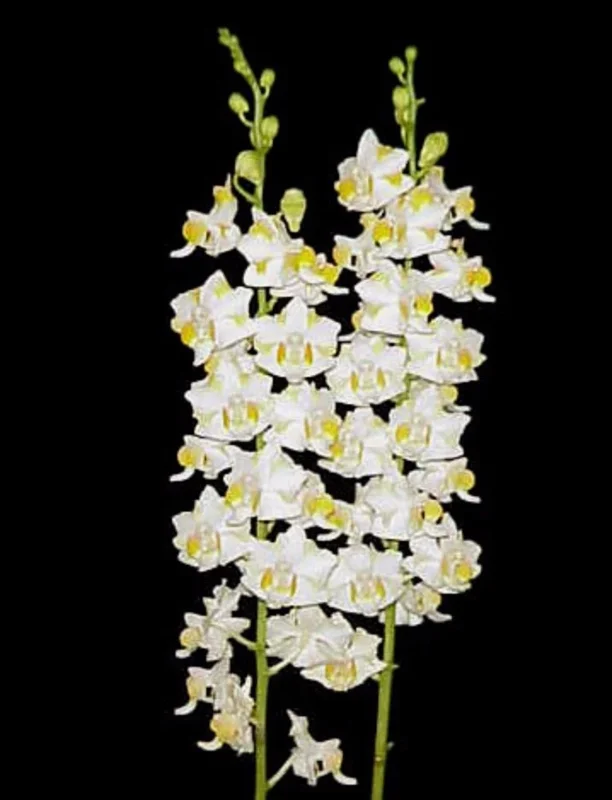
Houseplants
Phalaenopsis pulcherrima ‘Mauna Kea Snow’ Orchid Live Plant – White Flowers, Potted 2.5 in
Sold 50 products
$49.88RELATED posts
Awapuhi Wild Ginger Plant: Zones, Care, and Propagation
Learn which USDA zones suit awapuhi wild ginger, plus sunlight, water, planting, propagation, pests, size, [...]
Awapuhi Shampoo Ginger – Care, Growing Zones, and Differences
Learn how to grow awapuhi (shampoo) ginger, its USDA zones, watering schedule, propagation tips, and [...]
Awapuhi Shampoo Plant Buying Guide – Choose the Right Zingiber zerumbet
META: Learn which awapuhi (shampoo ginger) plant or rhizome pack gives the best natural shampoo, [...]
Awapuhi Plant for Sale: Complete Buying Guide
Find the right awapuhi (shampoo ginger) plant, size, price, soil mix, and online source. Practical [...]
Shampoo Ginger Plant for Sale – Buying Guide & Tips
Find the right shampoo ginger plant, size, price, and care tips. Quick guide for U.S. [...]
Shampoo Ginger Plant (Awapuhi) Care Guide
Learn how to grow, care for, and use shampoo ginger (Zingiber zerumbet), the tropical awapuhi [...]
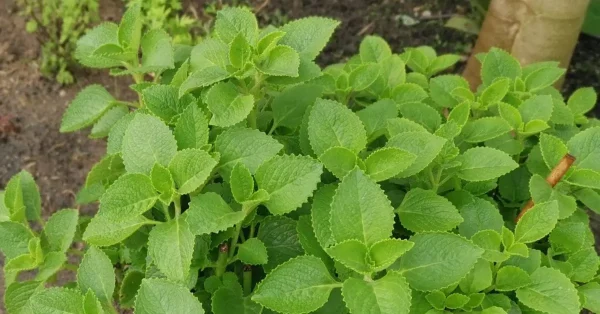
How to Grow Cuban Oregano Plants: A Complete Care Guide
If you’ve ever wanted a plant that combines the culinary punch of traditional oregano with [...]
Aug
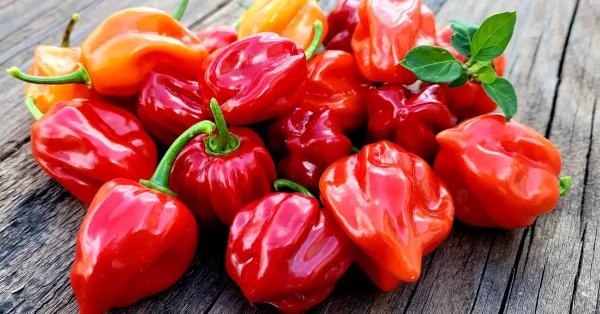
How to Grow Habanero Pepper Plants: A Step-by-Step Guide
Habanero pepper plants are prized for their vibrant colors, intense heat, and exceptional flavor, making [...]
Aug
Reviews
There are no reviews yet.