
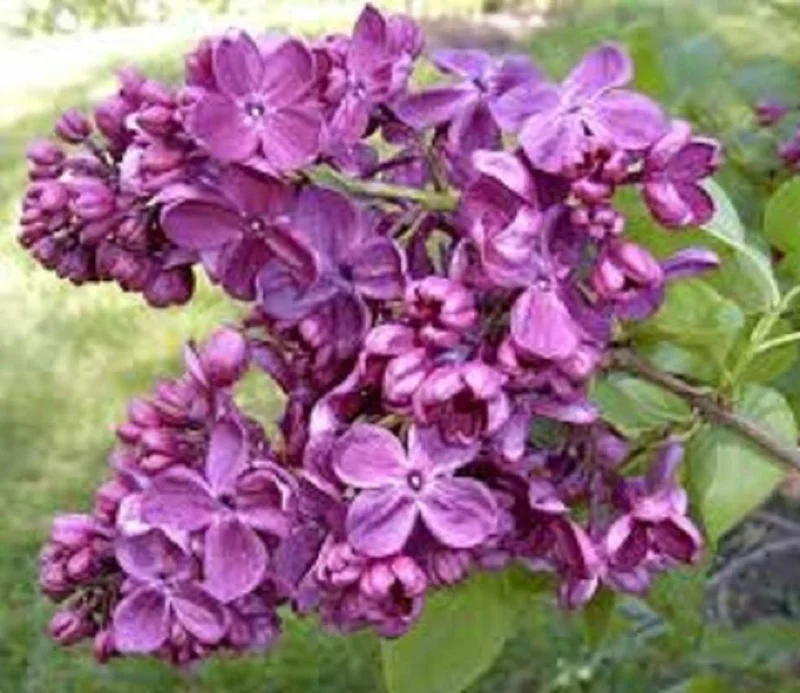
Agincourt Beauty Lilac Live Plant – Fragrant Purple Blooms – Starter – 6-10 Inch
Original price was: $37.90.$22.90Current price is: $22.90.
Bring elegance and a delightful scent to your garden with the Agincourt Beauty Lilac live plant. This hardy, deciduous shrub produces stunning deep violet, fragrant blooms in spring, making it a perfect choice for borders or as a specimen plant. Easy to grow and maintain, it thrives in full sun.
Shipping and Return policies:
We stand behind our plants with our Alive & Thrive Guarantee. If you experience any issues within the first 30 days, please email us, and our team will be happy to help. When needed, we’ll send you a one-time replacement free of charge to make sure your garden keeps growing strong.

Reasonable Price
We offer reasonable price

Support 24/7
Contact us 24 hrs a day
100% Money Back
You’ve 30 days to Return
Payment Secure
100% secure payment
Overview
Introduce a timeless classic to your landscape with the Agincourt Beauty Lilac live plant. Renowned for its breathtaking beauty and intoxicating fragrance, this particular cultivar, ‘Agincourt Beauty’ (Syringa vulgaris ‘Agincourt Beauty’), is a standout among lilacs. Originating from Canada, it is celebrated for its exceptionally large, deep violet-purple flower clusters that emerge in late spring, transforming your garden into a sensory paradise. As a hardy deciduous shrub, it provides reliable seasonal interest, from its lush green foliage in summer to its sturdy structure in winter, promising years of enjoyment. This starter plant, typically 6-10 inches tall, is ready to establish itself and grow into a magnificent specimen.
The Agincourt Beauty Lilac live plant is a vigorous grower, eventually reaching heights of 8 feet or more, making it an excellent choice for a hedge, screen, or focal point in a mixed border. Its upright, spreading habit ensures a full and robust appearance. The deeply colored blooms are not only a feast for the eyes but also release a powerful, sweet perfume that can drift pleasantly across your yard, attracting beneficial pollinators like bees and butterflies. This makes the fragrant lilac shrub a fantastic addition for those looking to enhance their garden’s biodiversity and enjoy fresh-cut flowers indoors.
Key Benefits
The Agincourt Beauty Lilac live plant offers numerous advantages for any home gardener, combining aesthetic appeal with ease of care and ecological benefits. Its remarkable features make it a highly desirable addition to diverse garden styles.
- Spectacular Fragrance: The most notable feature of this lilac is its intensely sweet and classic lilac fragrance. The deep violet blooms fill the air with a delightful perfume, creating an inviting atmosphere in your garden and making it a perfect choice for planting near patios or windows.
- Vibrant Deep Violet Blooms: ‘Agincourt Beauty’ boasts some of the deepest purple flowers among common lilac varieties. These large, showy panicles create a striking visual impact in the spring garden, offering a rich color that contrasts beautifully with green foliage.
- Excellent Cut Flowers: The long-lasting, fragrant flower clusters are ideal for cutting. Bringing them indoors allows you to enjoy their beauty and scent throughout your home, adding a touch of spring elegance to any room.
- Hardy and Resilient: This hardy lilac plant is extremely robust, thriving in USDA Zones 3-7. It tolerates cold winters and adapts well to various conditions, making it a reliable performer for a wide range of climates.
- Attracts Pollinators: The abundant, nectar-rich flowers are a magnet for bees, butterflies, and other beneficial pollinators. Planting an Agincourt Beauty Lilac live plant helps support local ecosystems and encourages a healthy, vibrant garden.
- Low Maintenance Shrub: Once established, this purple lilac plant requires minimal care. It is relatively drought-tolerant and pest-resistant, making it an excellent choice for gardeners seeking a beautiful plant without extensive upkeep.
- Versatile Landscape Use: Its mature size and attractive form make it suitable for various landscape applications, including privacy screens, hedges, background plantings, or as a magnificent stand-alone specimen.
Plant Care & Growing Tips
Caring for your Agincourt Beauty Lilac live plant is straightforward, ensuring years of beautiful blooms. This robust shrub thrives with proper siting and basic maintenance. For optimal growth and flowering, plant your lilac in a location that receives at least six hours of direct sunlight each day. Full sun is crucial for abundant blooms; too much shade can result in fewer flowers and a leggy growth habit. Good air circulation is also beneficial to prevent powdery mildew, a common lilac issue.
When it comes to watering, young plants require consistent moisture to establish a strong root system. Once mature, lilacs are quite drought-tolerant but will benefit from deep watering during prolonged dry spells, especially when flowering. Ensure the soil is well-drained; lilacs do not tolerate soggy conditions, which can lead to root rot. A neutral to slightly alkaline soil pH is preferred. Amend heavy clay soils with organic matter to improve drainage, or sandy soils to enhance water retention. Fertilize lightly in early spring with a balanced slow-release fertilizer, or one formulated for flowering shrubs, to encourage vigorous growth and blooming. Avoid excessive nitrogen, which promotes leafy growth at the expense of flowers.
Pruning is important for maintaining the health and vigor of your purple lilac plant. The best time to prune is immediately after flowering, as lilacs bloom on old wood. Remove spent flower clusters to prevent seed formation and direct energy back into growth. Every few years, consider a rejuvenation prune by removing one-third of the oldest, thickest stems right down to the ground. This encourages new, more floriferous growth and keeps the shrub from becoming overgrown. Watch out for common pests like lilac borers or scale insects, and treat as needed with appropriate organic or chemical controls. The Syringa Agincourt Beauty is generally a resilient plant, rewarding diligent care with spectacular spring displays.
Size & Details
This offering is for a Agincourt Beauty Lilac live plant, supplied as a starter plant, typically measuring approximately 6-10 inches in height. It arrives well-rooted, ready for transplanting into your garden or a larger container. These plants are grown to be winter hardy, suitable for USDA Zones 3-7, ensuring they can withstand cold temperatures and reliably return each spring. Lilacs are known for their moderate to fast growth rate, and with proper care, your starter plant will quickly establish itself and begin to mature. Expect the first fragrant deep violet blooms within a couple of seasons after planting, with more abundant flowering as the plant reaches its full potential.
Upon maturity, the fragrant lilac shrub can reach an impressive height of 8 feet or more, with a similar spread, creating a substantial presence in the landscape. It is a deciduous shrub, meaning it will lose its leaves in the fall and remain dormant through winter, bursting back to life with fresh foliage and flower buds in spring. The plant is shipped in a nursery pot, designed to protect the root system during transit and provide a smooth transition to its new home. Ensure you have adequate space for its mature size when selecting a planting location to allow this magnificent hardy lilac plant to flourish.
Frequently Asked Questions
- Q: How big does this plant get? A: The Agincourt Beauty Lilac live plant is a starter plant, typically 6-10 inches tall upon arrival. With proper care, it can grow into a mature shrub reaching 8 feet or more in height and spread.
- Q: Is this an indoor or outdoor plant? A: This is an outdoor deciduous shrub. It requires a period of winter dormancy and is best suited for planting directly in the ground in USDA Zones 3-7.
- Q: How much sunlight does it need? A: For the best flowering performance, the Syringa Agincourt Beauty requires at least 6 hours of full sun per day. More sun generally leads to more abundant blooms.
- Q: Is this plant easy to care for? A: Yes, the Agincourt Beauty Lilac live plant is considered relatively easy to care for once established. It’s hardy and tolerant of various conditions, making it suitable for gardeners of all experience levels.
- Q: What condition will it arrive in? A: Your fragrant lilac shrub will arrive as a well-rooted starter plant, typically in a nursery pot, carefully packaged to ensure its health during transit.
- Q: How long until it blooms? A: While a starter plant, you can typically expect your purple lilac plant to begin producing its beautiful, fragrant blooms within 1-3 years after planting, with flowering becoming more prolific as it matures.
- Q: Will it survive winter in my zone? A: Yes, ‘Agincourt Beauty’ Lilac is winter hardy in USDA Zones 3-7, meaning it is well-adapted to survive cold winter temperatures in these regions.
- Q: What’s the best soil type for this lilac? A: This lilac prefers well-draining soil with a neutral to slightly alkaline pH. Avoid heavy, waterlogged soils.
- Q: Can I use the flowers for cutting? A: Absolutely! The deep violet blooms of the Agincourt Beauty Lilac live plant are excellent for cutting and will bring their wonderful fragrance indoors.
- Q: Is this plant deer resistant? A: While not entirely deer-proof, lilacs are generally considered to be moderately deer resistant, meaning deer tend to browse them less frequently than other plants.
Be the first to review “Agincourt Beauty Lilac Live Plant – Fragrant Purple Blooms – Starter – 6-10 Inch”
You must be logged in to post a review.
People also Viewed
Sold 50 products
$32.38
Sold 50 products
$27.38
Sold 50 products
$32.38
Sold 50 products
$19.88
Sold 50 products
$62.38
Sold 50 products
$24.88
Houseplants
Phalaenopsis pulcherrima ‘Mauna Kea Snow’ Orchid Live Plant – White Flowers, Potted 2.5 in
Sold 50 products
$49.88
Sold 50 products
$49.88RELATED posts
Awapuhi Wild Ginger Plant: Zones, Care, and Propagation
Learn which USDA zones suit awapuhi wild ginger, plus sunlight, water, planting, propagation, pests, size, [...]
Awapuhi Shampoo Ginger – Care, Growing Zones, and Differences
Learn how to grow awapuhi (shampoo) ginger, its USDA zones, watering schedule, propagation tips, and [...]
Awapuhi Shampoo Plant Buying Guide – Choose the Right Zingiber zerumbet
META: Learn which awapuhi (shampoo ginger) plant or rhizome pack gives the best natural shampoo, [...]
Awapuhi Plant for Sale: Complete Buying Guide
Find the right awapuhi (shampoo ginger) plant, size, price, soil mix, and online source. Practical [...]
Shampoo Ginger Plant for Sale – Buying Guide & Tips
Find the right shampoo ginger plant, size, price, and care tips. Quick guide for U.S. [...]
Shampoo Ginger Plant (Awapuhi) Care Guide
Learn how to grow, care for, and use shampoo ginger (Zingiber zerumbet), the tropical awapuhi [...]
How to Grow Cuban Oregano Plants: A Complete Care Guide
If you’ve ever wanted a plant that combines the culinary punch of traditional oregano with [...]
Aug

How to Grow Habanero Pepper Plants: A Step-by-Step Guide
Habanero pepper plants are prized for their vibrant colors, intense heat, and exceptional flavor, making [...]
Aug

Reviews
There are no reviews yet.