
African Rose Cranberry Hibiscus Live Plant – Edible Leaves & Foliage
Original price was: $24.20.$16.13Current price is: $16.13.
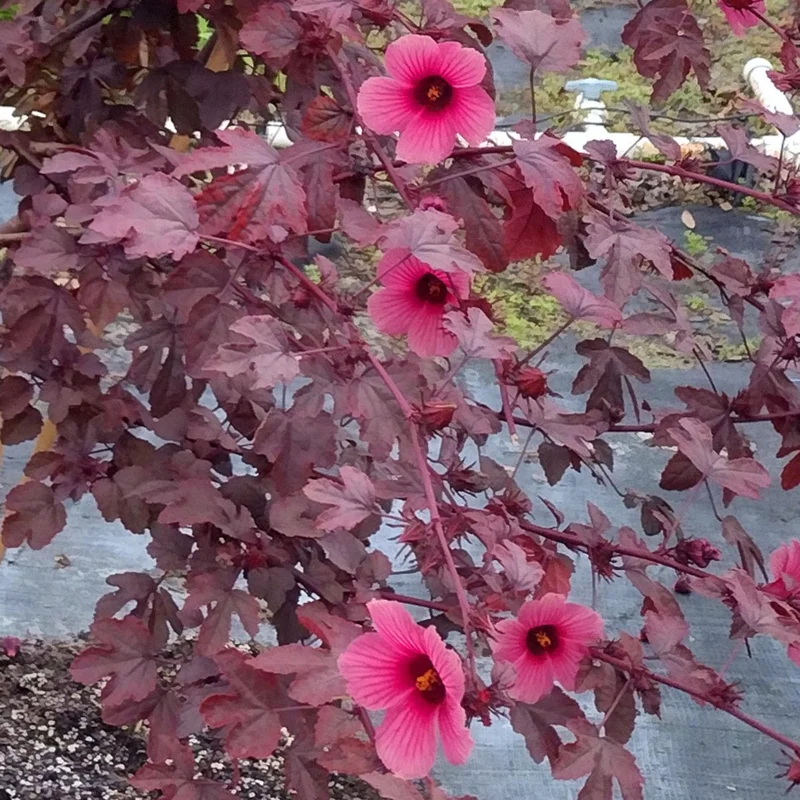
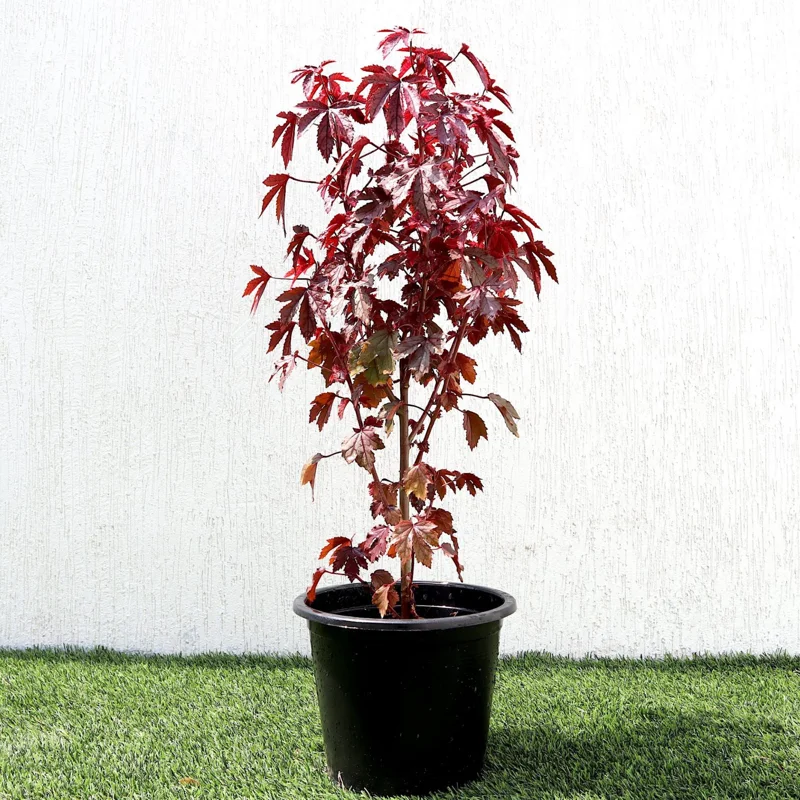
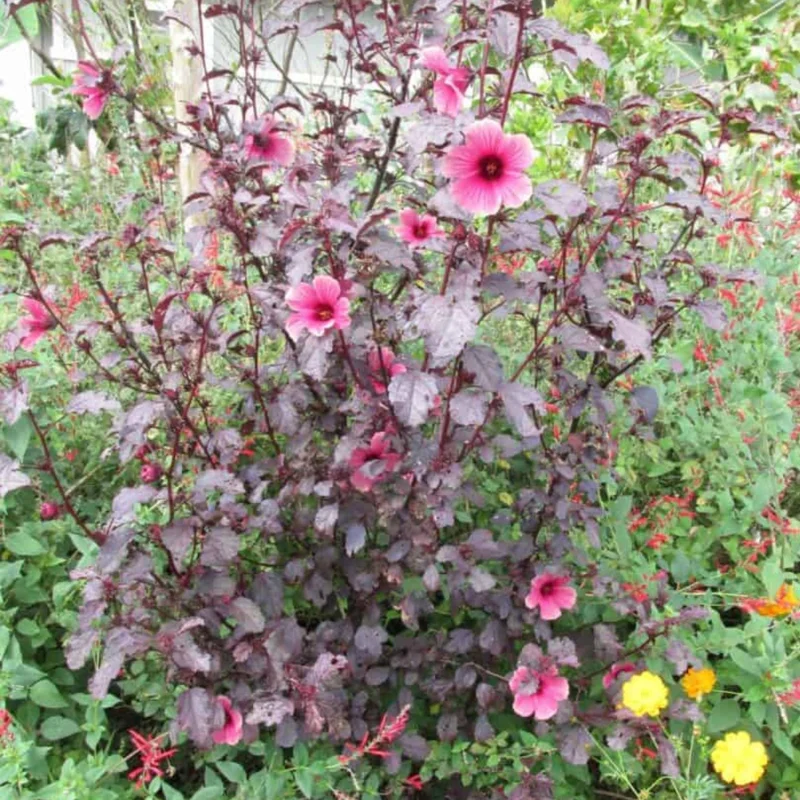
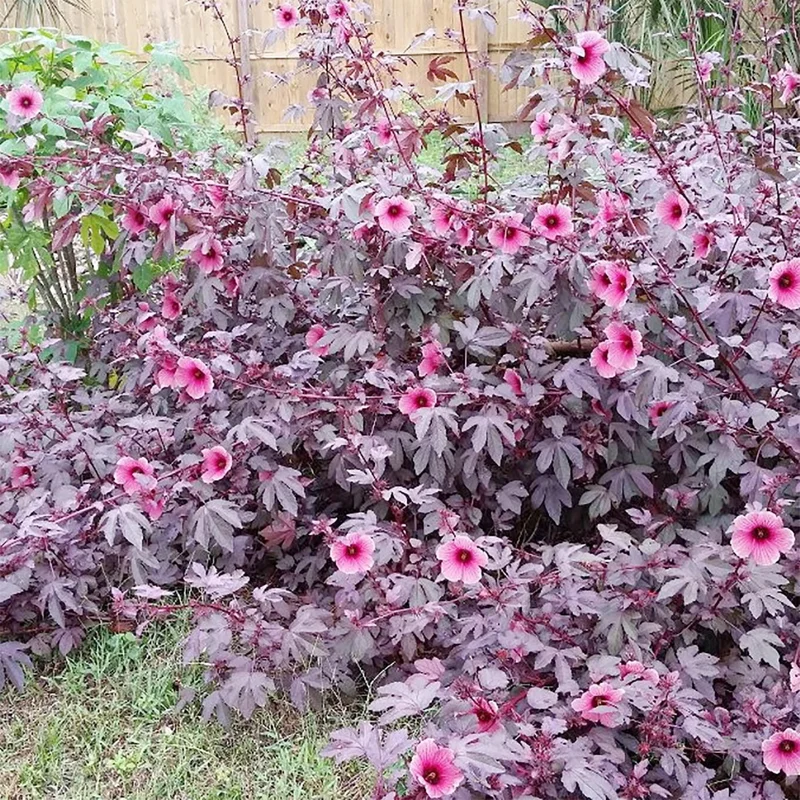
Bring home the stunning African Rose Cranberry Hibiscus live plant, known for its vibrant burgundy foliage and delicious, tangy edible leaves. This easy-to-grow shrub adds both ornamental beauty and a culinary treat to any garden, thriving in full sun outdoors.
Shipping and Return policies:
We stand behind our plants with our Alive & Thrive Guarantee. If you experience any issues within the first 30 days, please email us, and our team will be happy to help. When needed, we’ll send you a one-time replacement free of charge to make sure your garden keeps growing strong.

Reasonable Price
We offer reasonable price

Support 24/7
Contact us 24 hrs a day
100% Money Back
You’ve 30 days to Return
Payment Secure
100% secure payment
Overview
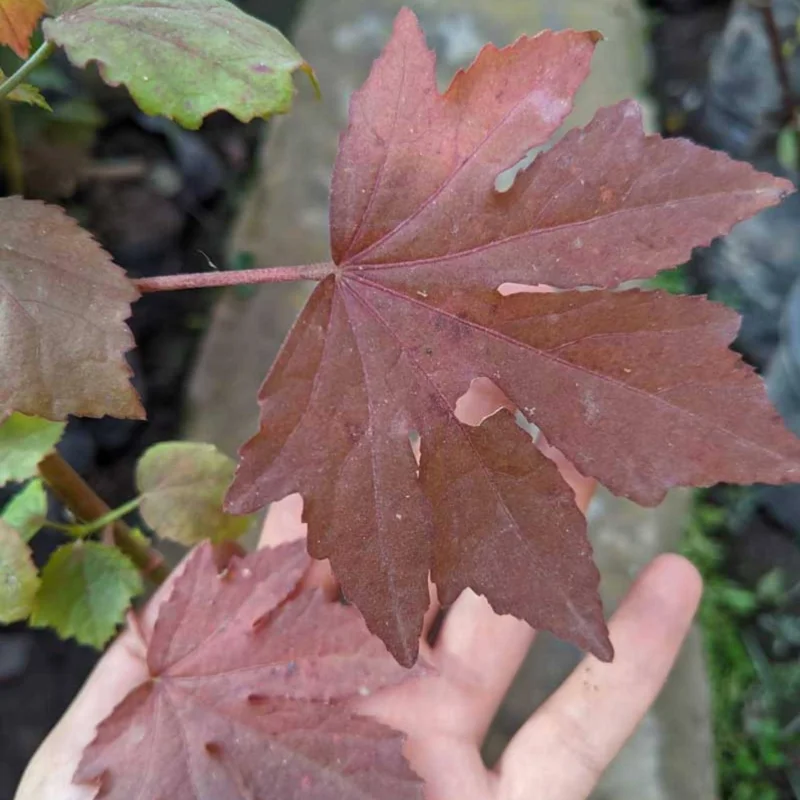
The African Rose Cranberry Hibiscus live plant (Hibiscus acetosella) is a truly remarkable and versatile addition to any garden or landscape. Often celebrated for its deeply lobed, maple-like leaves that boast rich shades of burgundy, crimson, and green, this plant is a feast for the eyes. Its appeal extends beyond its striking ornamental value; the leaves are also edible, offering a tangy, slightly tart flavor reminiscent of cranberries or sorrel. This makes it a fantastic dual-purpose plant, providing both aesthetic beauty and a culinary treat. Whether you’re looking to add a dramatic splash of color to your garden or cultivate a unique ingredient for your kitchen, the African Rose Cranberry Hibiscus live plant is an excellent choice. It thrives in warm climates and can be grown as an annual in cooler regions, bringing tropical flair wherever it goes. This particular variety, sometimes referred to as Hibiscus acetosella, is cherished by gardeners and chefs alike for its robust growth and flavorful leaves.
This robust vibrant foliage plant stands out with its rich, deep red to burgundy leaves, which provide continuous visual interest throughout the growing season. Beyond its ornamental appeal, the ability to harvest and enjoy its edible hibiscus leaves makes it a valuable asset for any home gardener interested in fresh, healthy ingredients. It’s a low-maintenance option that delivers high impact, making it suitable for both experienced gardeners and those new to cultivating unique edibles. The plant’s adaptability means it can be a perennial in warmer zones or a striking annual in cooler climates, ensuring everyone can enjoy its beauty and bounty.
Key Benefits
The African Rose Cranberry Hibiscus live plant offers a multitude of benefits, making it a popular choice among gardeners and culinary enthusiasts alike. Its unique characteristics provide both visual appeal and practical uses.
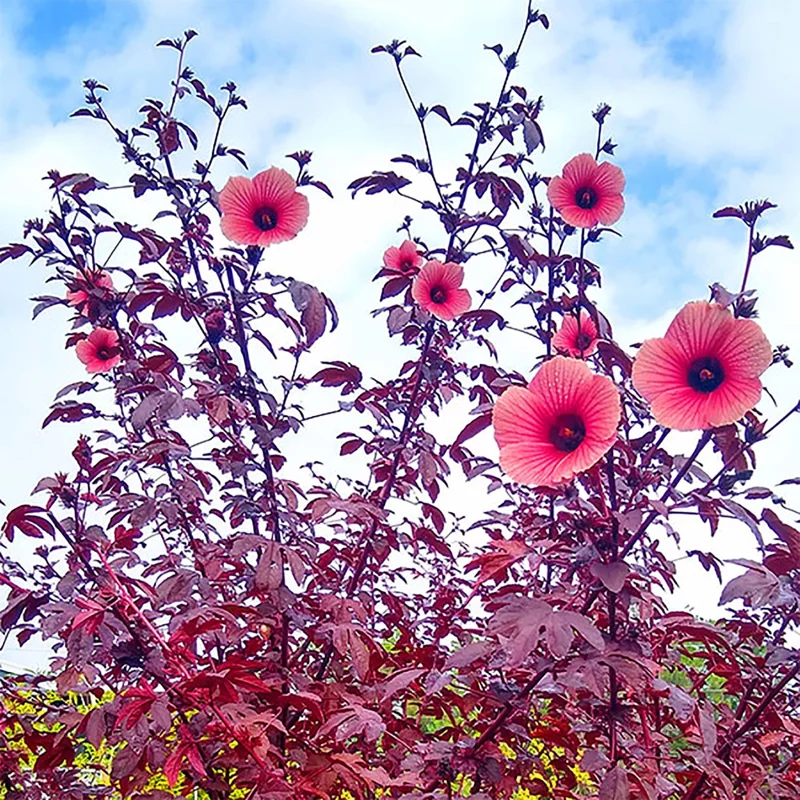
- Stunning Ornamental Foliage: The deep red to burgundy leaves provide year-round visual interest and can serve as a dramatic backdrop or focal point in your garden. The vibrant color adds a tropical and exotic touch that stands out, making it a true vibrant foliage plant.
- Delicious Edible Leaves: Enjoy the tangy, cranberry-like flavor of the leaves in salads, stir-fries, or as a garnish. They are a healthy and flavorful addition to many dishes, allowing you to easily incorporate fresh greens into your diet. These edible hibiscus leaves are a unique culinary delight.
- Easy to Grow: This hibiscus variety is relatively low maintenance and resilient, making it suitable for both experienced gardeners and beginners. Its adaptability ensures a rewarding growing experience with minimal fuss, simplifying Cranberry Hibiscus plant care.
- Fast Growing: The plant establishes quickly, providing a substantial presence in your garden within a single growing season. This rapid growth allows you to enjoy its beauty and bounty sooner.
- Attracts Pollinators: While primarily grown for its foliage, the plant also produces small, delicate flowers that can attract beneficial pollinators like bees and butterflies to your garden ecosystem.
- Versatile Use: Ideal for hedges, borders, containers, or as a standalone specimen. Its striking appearance makes it perfect for creating visual interest in various garden settings, from formal to informal.
- Nutrient-Rich: The edible hibiscus leaves are not only tasty but also packed with vitamins and antioxidants, contributing to a healthy diet. Growing your own ensures a fresh and organic supply.
Plant Care & Growing Tips
Caring for your African Rose Cranberry Hibiscus live plant is straightforward, ensuring a rewarding experience with vibrant foliage and edible leaves. This plant thrives in warm climates and appreciates consistent attention to its basic needs. For optimal growth and color, provide it with plenty of sunlight. It prefers full sun, meaning at least 6-8 hours of direct sunlight per day. In very hot climates, a little afternoon shade can prevent leaf scorch, but generally, more sun equals more intense leaf color. When it comes to watering, the African Rose Cranberry Hibiscus live plant prefers consistently moist soil but dislikes being waterlogged. Water thoroughly when the top inch of soil feels dry to the touch, especially during hot, dry periods. Good drainage is crucial, so ensure your soil or potting mix allows excess water to escape freely.
The ideal soil for Cranberry Hibiscus plant care is well-draining and rich in organic matter. A slightly acidic to neutral pH (6.0-7.0) is preferred. If planting in a container, use a high-quality potting mix that retains moisture but drains well. Fertilize every 4-6 weeks during the growing season (spring and summer) with a balanced, all-purpose liquid fertilizer to support its vigorous growth. Pruning can be done to maintain shape, encourage bushier growth, or harvest leaves. Pinching back young stems promotes branching and helps maintain the desired form of your vibrant foliage plant. While generally robust, keep an eye out for common garden pests like aphids or spider mites, especially in dry conditions. Address any infestations promptly with organic pest control methods or insecticidal soap. This plant is typically grown as an annual in USDA Zones below 9, but in warmer climates (USDA Zones 9-11), it can be a perennial shrub. Protecting it from frost is essential if you wish to overwinter it in cooler regions, ensuring the longevity of your beautiful Hibiscus acetosella.
Size & Details
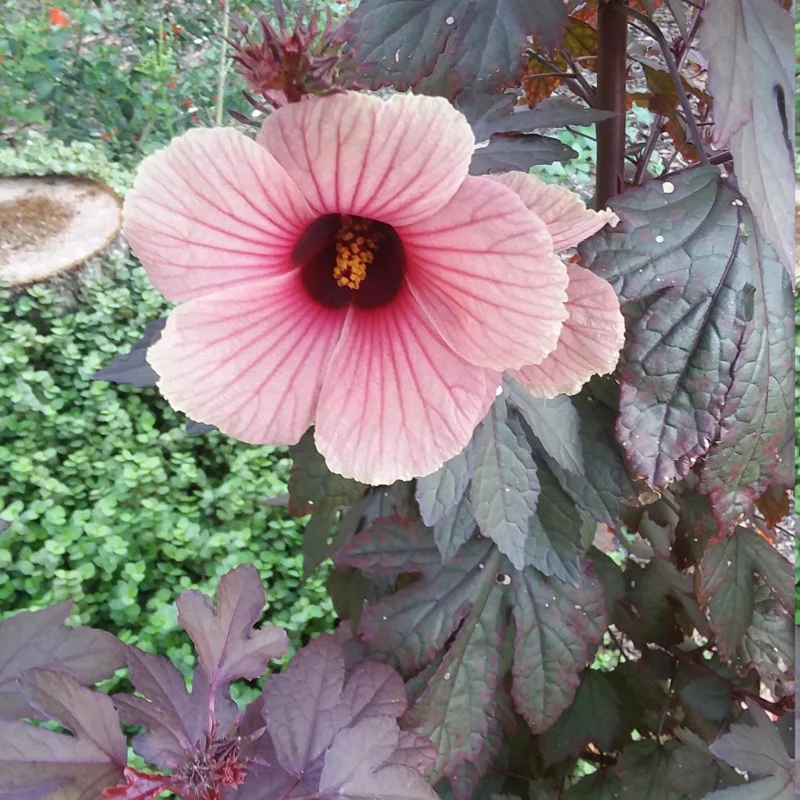
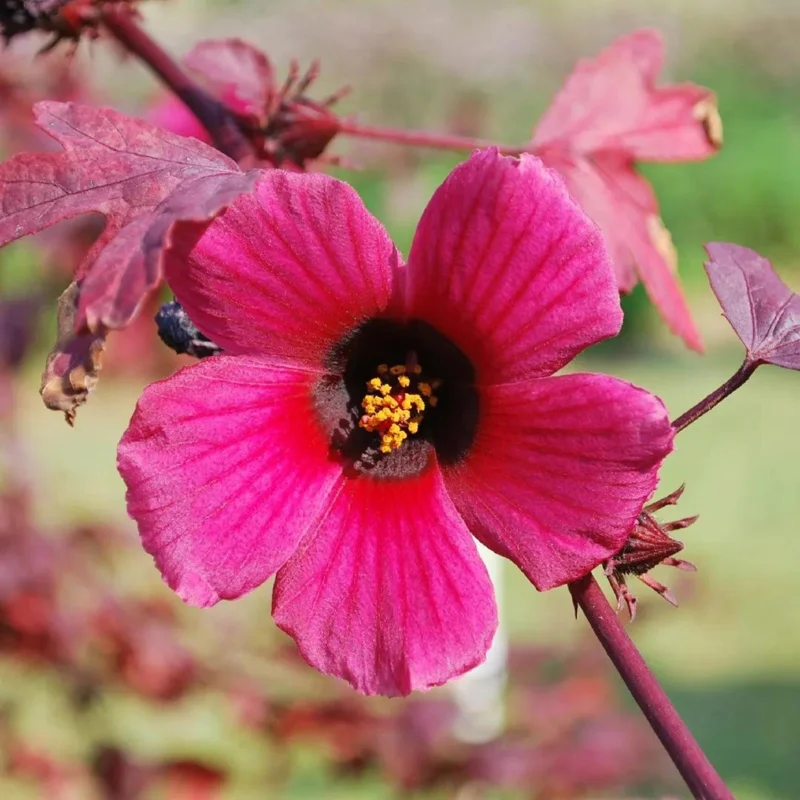
The African Rose Cranberry Hibiscus live plant typically grows as a fast-growing shrub, reaching heights of 3-5 feet and a similar spread within a single growing season when provided with optimal conditions. In warmer, frost-free climates, it can grow larger, potentially reaching up to 6-8 feet tall as a perennial. Our plants are shipped as a bare-root or well-rooted cutting, carefully packaged to ensure safe arrival. This method minimizes transplant shock and allows you to plant it directly into your preferred container or garden bed upon arrival. The vibrant foliage will begin to show its full color intensity as the plant establishes itself and receives adequate sunlight. Expect a moderate to fast growth rate, with significant development visible within weeks of planting. This plant is primarily grown for its ornamental and edible hibiscus leaves, with small, inconspicuous dark red flowers appearing later in the season.
Frequently Asked Questions
- Q: How big does this African Rose Cranberry Hibiscus live plant get? A: This plant is a fast grower and can reach 3-5 feet tall and wide in a single growing season. In warmer climates, it may grow larger as a perennial shrub, potentially up to 6-8 feet.
- Q: Is this an indoor or outdoor plant? A: The African Rose Cranberry Hibiscus live plant thrives outdoors in full sun. In colder climates (below USDA Zone 9), it can be grown as an annual or brought indoors during winter as a temporary houseplant if given sufficient light.
- Q: How much sunlight does it need? A: For the best growth and most vibrant foliage color, provide your cranberry hibiscus with at least 6-8 hours of direct sunlight per day. Some afternoon shade may be beneficial in extremely hot climates for this vibrant foliage plant.
- Q: Is this plant easy to care for? A: Yes, this is considered an easy-care plant. It requires consistent watering, good drainage, and plenty of sunlight. It’s suitable for beginners looking to cultivate edible hibiscus leaves, making Cranberry Hibiscus plant care manageable.
- Q: What condition will it arrive in? A: Your African Rose Cranberry Hibiscus live plant will arrive as a well-rooted cutting or bare-root plant, carefully prepared for shipping without a pot. This ensures it’s ready for immediate planting upon arrival.
- Q: Can I use the leaves in cooking? A: Absolutely! The leaves are edible and have a delicious tangy, cranberry-like flavor. They are excellent in salads, smoothies, stir-fries, or as a colorful garnish. This is a great way to enjoy edible hibiscus leaves.
- Q: When is the best time to plant? A: The best time to plant is in spring after all danger of frost has passed, allowing the plant to establish itself during the warm growing season.
- Q: Will it survive winter in my zone? A: The Hibiscus acetosella is perennial in USDA Zones 9-11. In colder zones, it is typically grown as an annual or can be overwintered indoors if protected from frost.
- Q: What type of soil does it prefer? A: This plant prefers well-draining soil that is rich in organic matter. A slightly acidic to neutral pH is ideal for healthy growth and vibrant hibiscus foliage.
- Q: Does it produce flowers? A: While primarily grown for its stunning foliage, the plant does produce small, delicate, dark red flowers, typically later in the growing season.
Be the first to review “African Rose Cranberry Hibiscus Live Plant – Edible Leaves & Foliage”
You must be logged in to post a review.
People also Viewed
Sold 50 products
Original price was: $37.48.$23.98Current price is: $23.98.
Sold 50 products
$32.38
Sold 50 products
$27.38
Sold 50 products
$32.38
Sold 50 products
$19.88
Sold 50 products
$62.38
Sold 50 products
$24.88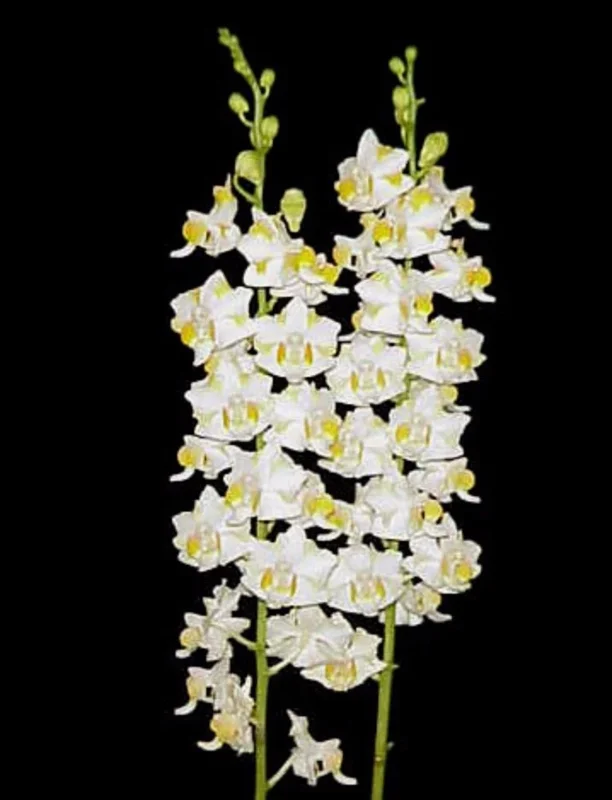
Houseplants
Phalaenopsis pulcherrima ‘Mauna Kea Snow’ Orchid Live Plant – White Flowers, Potted 2.5 in
Sold 50 products
$49.88RELATED posts
Awapuhi Wild Ginger Plant: Zones, Care, and Propagation
Learn which USDA zones suit awapuhi wild ginger, plus sunlight, water, planting, propagation, pests, size, [...]
Awapuhi Shampoo Ginger – Care, Growing Zones, and Differences
Learn how to grow awapuhi (shampoo) ginger, its USDA zones, watering schedule, propagation tips, and [...]
Awapuhi Shampoo Plant Buying Guide – Choose the Right Zingiber zerumbet
META: Learn which awapuhi (shampoo ginger) plant or rhizome pack gives the best natural shampoo, [...]
Awapuhi Plant for Sale: Complete Buying Guide
Find the right awapuhi (shampoo ginger) plant, size, price, soil mix, and online source. Practical [...]
Shampoo Ginger Plant for Sale – Buying Guide & Tips
Find the right shampoo ginger plant, size, price, and care tips. Quick guide for U.S. [...]
Shampoo Ginger Plant (Awapuhi) Care Guide
Learn how to grow, care for, and use shampoo ginger (Zingiber zerumbet), the tropical awapuhi [...]
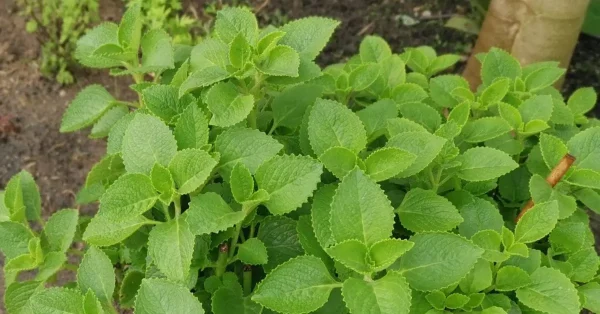
How to Grow Cuban Oregano Plants: A Complete Care Guide
If you’ve ever wanted a plant that combines the culinary punch of traditional oregano with [...]
Aug
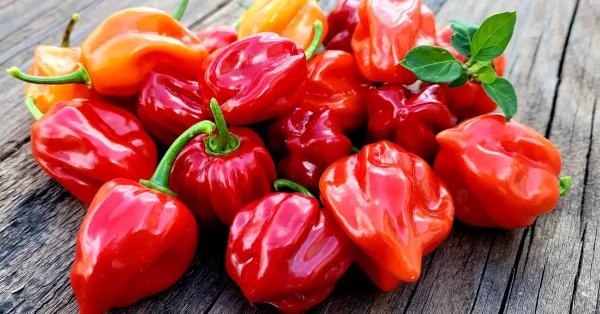
How to Grow Habanero Pepper Plants: A Step-by-Step Guide
Habanero pepper plants are prized for their vibrant colors, intense heat, and exceptional flavor, making [...]
Aug

Reviews
There are no reviews yet.