
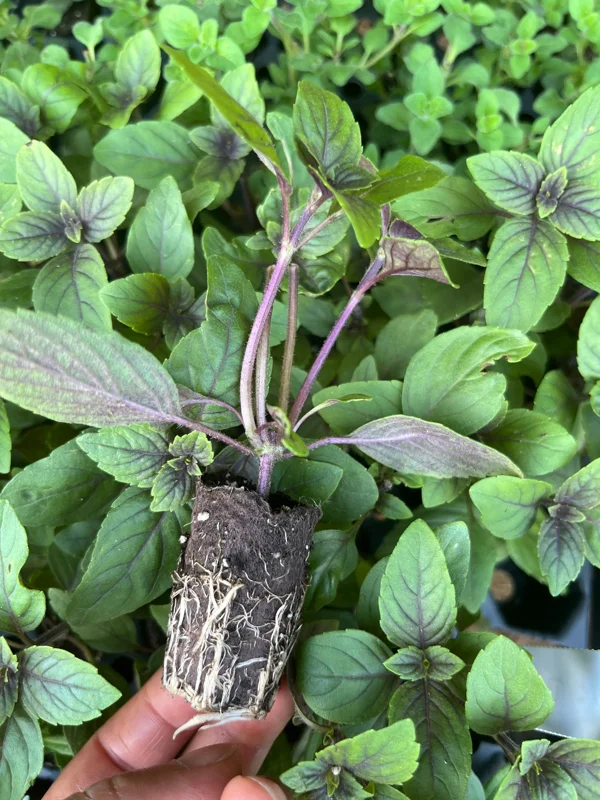
African Blue Basil Live Plant – Healthy Starter Plug – Culinary Herb
$13.48
Cultivate your own aromatic African Blue Basil live plant with our healthy, well-rooted starter plugs. This versatile herb is cherished for its rich aroma, distinct flavor, and beautiful ornamental appeal, perfect for both culinary adventures and garden aesthetics. Ideal for container gardening or landscape planting, it brings fresh flavor to your home.
Shipping and Return policies:
We stand behind our plants with our Alive & Thrive Guarantee. If you experience any issues within the first 30 days, please email us, and our team will be happy to help. When needed, we’ll send you a one-time replacement free of charge to make sure your garden keeps growing strong.

Reasonable Price
We offer reasonable price

Support 24/7
Contact us 24 hrs a day
100% Money Back
You’ve 30 days to Return
Payment Secure
100% secure payment
Overview
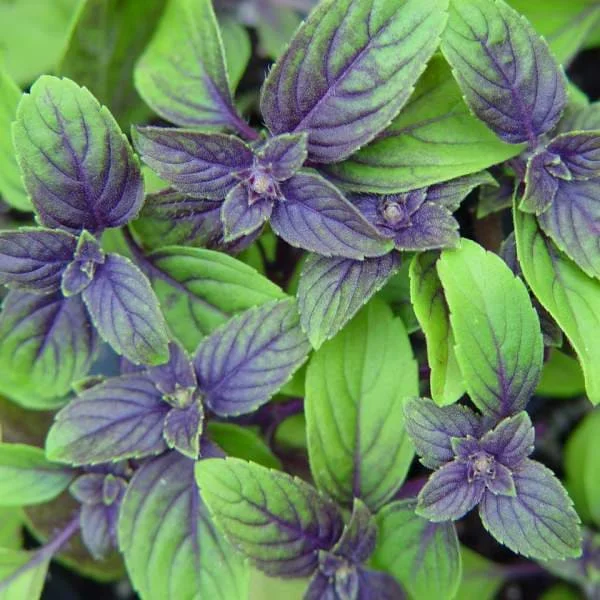
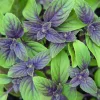
Experience the joy of growing your own fragrant herbs with this African Blue Basil live plant. Each offering provides a robust, well-rooted starter plug, ready for transplanting into your garden or preferred container. This particular variety, known botanically as Ocimum African Blue Basil, is a hybrid basil celebrated for its striking purple stems, dark green leaves, and beautiful lavender-purple flowers. It’s a vigorous grower, offering a continuous harvest of flavorful leaves throughout the season. Beyond its culinary applications, where it adds a unique peppery, anise-like flavor to dishes, its ornamental qualities make it a popular choice for garden beds, patios, and even as a pollinator attractant. Whether you’re an experienced gardener or just starting, this African Blue Basil live plant is a rewarding addition to any green space, providing both aesthetic beauty and delicious fresh herbs.
The common name, Basil, encompasses a wide array of varieties, but the African Blue stands out due to its distinctive appearance and robust growth habit. Unlike some annual basils, this perennial variety can thrive for multiple seasons in appropriate climates, offering an extended harvest. Its strong aroma is a natural deterrent for some garden pests, contributing to a healthier garden ecosystem. Prepare to enjoy fresh basil for pesto, salads, sauces, and more, all from your very own garden.
Key Benefits
Adding an African Blue Basil live plant to your collection offers numerous advantages:
- Exceptional Flavor and Aroma: Enjoy the unique, complex flavor profile of African Blue Basil, featuring notes of peppery spice, sweet anise, and a hint of camphor. Its strong, inviting aroma enhances any culinary creation.
- Ornamental Appeal: With its beautiful purple-tinged foliage and attractive lavender-purple flower spikes, this basil variety serves as an excellent ornamental plant, adding visual interest to garden beds and containers.
- Pollinator Magnet: The vibrant flowers of the African Blue Basil live plant are highly attractive to bees, butterflies, and other beneficial pollinators, contributing to the biodiversity of your garden.
- Vigorous Growth: This hybrid basil is known for its robust and prolific growth, providing a continuous supply of fresh leaves for harvesting throughout the growing season.
- Versatile Culinary Use: Perfect for a wide range of dishes, from traditional Italian pesto and pasta sauces to Asian-inspired stir-fries and fresh salads. Its distinctive flavor elevates any meal.
- Natural Pest Deterrent: The strong scent of African Blue Basil can help deter common garden pests, making it a valuable companion plant for vegetables and other herbs.
- Perennial in Warmer Climates: Unlike many annual basil varieties, African Blue Basil can behave as a perennial in warmer USDA zones, offering extended enjoyment and harvests.
Plant Care & Growing Tips
Caring for your African Blue Basil live plant is relatively straightforward, ensuring a bountiful harvest. For optimal growth, these plants thrive in full sun, requiring at least 6-8 hours of direct sunlight per day. If growing indoors, place it near a south-facing window or under grow lights to ensure it receives adequate light. The ideal soil for African Blue Basil care is a well-draining, fertile potting mix with a pH between 5.8 and 6.2. Consistent moisture is crucial, but avoid overwatering, which can lead to root rot. Allow the top inch of soil to dry out slightly between waterings, especially for container plants.
Regular fertilization is beneficial, particularly with a constant feed program of 150-200 ppm N once the plants are well-rooted. An additional supplement of iron can help deepen the coloration of the foliage. Pinching is a key aspect of how to grow African Blue Basil to encourage bushier growth and prevent premature flowering. We recommend pinching the growing tips 5-10 days after transplanting. A second pinch might be needed depending on the desired shape and size. Maintain good air circulation around the plants to prevent fungal diseases. While generally robust, keep an eye out for common pests like whiteflies, aphids, and mealybugs, which can be managed with organic pest control methods like neem oil. Protecting your plant from temperatures below 40°F is important, as it is susceptible to cold damage.
Size & Details
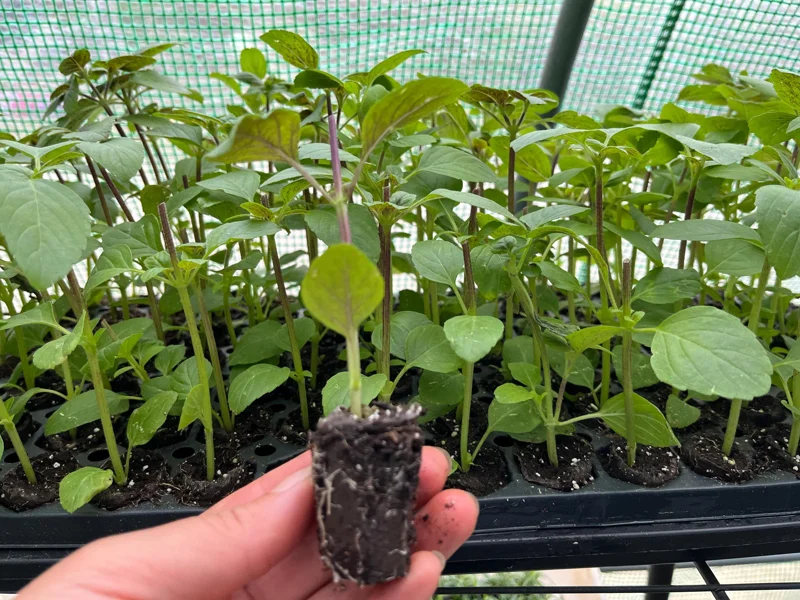
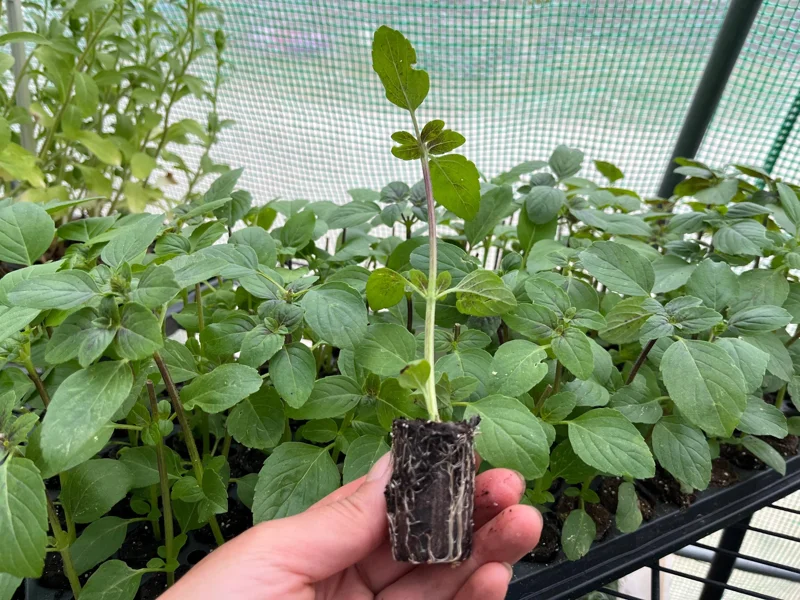
Each African Blue Basil live plant is provided as a healthy, well-rooted starter plug, typically measuring 1 inch x 1 inch x 1 1/4 inches. Plant sizes may vary slightly due to their natural growth. When mature, this vigorous herb can grow to a spread of up to 24 inches, making it a substantial addition to your garden or containers. It is generally recommended to grow Ocimum African Blue Basil in 4-inch pots for landscape use or larger containers for full development. The growth rate is relatively fast, and with proper care, you can expect to begin harvesting leaves within a few weeks of transplanting. The plant will continue to produce until colder temperatures arrive. Remember that the images may depict mature plants, and you will receive a starter plug as described, ready for you to nurture into a thriving basil plant.
Frequently Asked Questions
- Q: What size is the African Blue Basil live plant when shipped? A: Each plant is shipped as a small, well-rooted starter plug, typically measuring 1 inch x 1 inch x 1 1/4 inches. Sizes can vary as they are naturally grown plants.
- Q: Is this an indoor or outdoor plant? A: African Blue Basil can thrive both indoors and outdoors. Outdoors, it prefers full sun. Indoors, place it in a bright, sunny window or under grow lights.
- Q: How much sunlight does the African Blue Basil live plant need? A: For best results, your African Blue Basil live plant needs at least 6-8 hours of direct sunlight daily.
- Q: Is this plant easy to care for? A: Yes, African Blue Basil is relatively easy to care for, making it suitable for both beginner and experienced gardeners. Consistent watering, good drainage, and regular pinching are key.
- Q: Can I use African Blue Basil in cooking? A: Absolutely! African Blue Basil uses are primarily culinary. Its unique peppery, anise-like flavor is excellent in pestos, salads, sauces, and other dishes.
- Q: How long until I can harvest leaves from my African Blue Basil live plant? A: With proper care, you can typically begin harvesting leaves from your well-established African Blue Basil live plant within a few weeks after transplanting.
- Q: What are the ideal temperatures for African Blue Basil care? A: African Blue Basil prefers warm temperatures and is sensitive to cold. It thrives when temperatures are consistently above 50°F (10°C) and should be protected from temperatures below 40°F (4°C).
- Q: What kind of soil does this plant prefer? A: It prefers a well-draining, fertile potting mix with a slightly acidic to neutral pH (5.8 to 6.2).
- Q: How often should I water my African Blue Basil? A: Water when the top inch of soil feels dry to the touch. Avoid letting the plant sit in soggy soil to prevent root rot.
- Q: Is the African Blue Basil a perennial or annual? A: While many basils are annuals, African Blue Basil can behave as a perennial in warmer climates (USDA zones where temperatures do not drop too low). In colder regions, it is typically grown as an annual.
Be the first to review “African Blue Basil Live Plant – Healthy Starter Plug – Culinary Herb”
You must be logged in to post a review.
People also Viewed
Sold 50 products
$32.38
Sold 50 products
$27.38
Sold 50 products
$32.38
Sold 50 products
$19.88
Sold 50 products
$62.38
Sold 50 products
$24.88
Houseplants
Phalaenopsis pulcherrima ‘Mauna Kea Snow’ Orchid Live Plant – White Flowers, Potted 2.5 in
Sold 50 products
$49.88
Sold 50 products
$49.88RELATED posts
Awapuhi Wild Ginger Plant: Zones, Care, and Propagation
Learn which USDA zones suit awapuhi wild ginger, plus sunlight, water, planting, propagation, pests, size, [...]
Awapuhi Shampoo Ginger – Care, Growing Zones, and Differences
Learn how to grow awapuhi (shampoo) ginger, its USDA zones, watering schedule, propagation tips, and [...]
Awapuhi Shampoo Plant Buying Guide – Choose the Right Zingiber zerumbet
META: Learn which awapuhi (shampoo ginger) plant or rhizome pack gives the best natural shampoo, [...]
Awapuhi Plant for Sale: Complete Buying Guide
Find the right awapuhi (shampoo ginger) plant, size, price, soil mix, and online source. Practical [...]
Shampoo Ginger Plant for Sale – Buying Guide & Tips
Find the right shampoo ginger plant, size, price, and care tips. Quick guide for U.S. [...]
Shampoo Ginger Plant (Awapuhi) Care Guide
Learn how to grow, care for, and use shampoo ginger (Zingiber zerumbet), the tropical awapuhi [...]
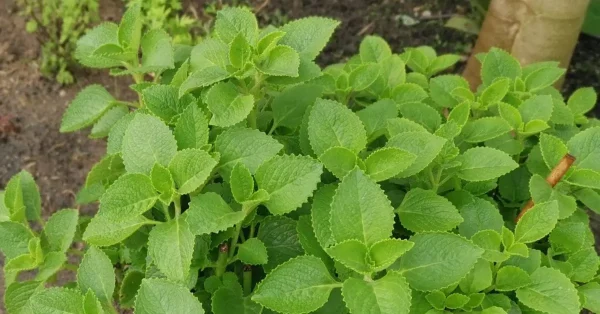
How to Grow Cuban Oregano Plants: A Complete Care Guide
If you’ve ever wanted a plant that combines the culinary punch of traditional oregano with [...]
Aug
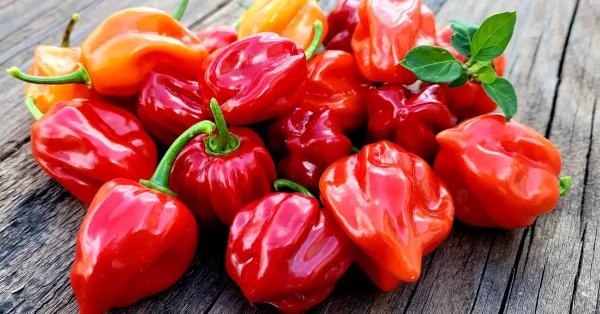
How to Grow Habanero Pepper Plants: A Step-by-Step Guide
Habanero pepper plants are prized for their vibrant colors, intense heat, and exceptional flavor, making [...]
Aug
Reviews
There are no reviews yet.