
50 Strawberry Hydrangea Tree Seeds – Pink & White Cone Blooms for Garden
Original price was: $19.00.$15.20Current price is: $15.20.
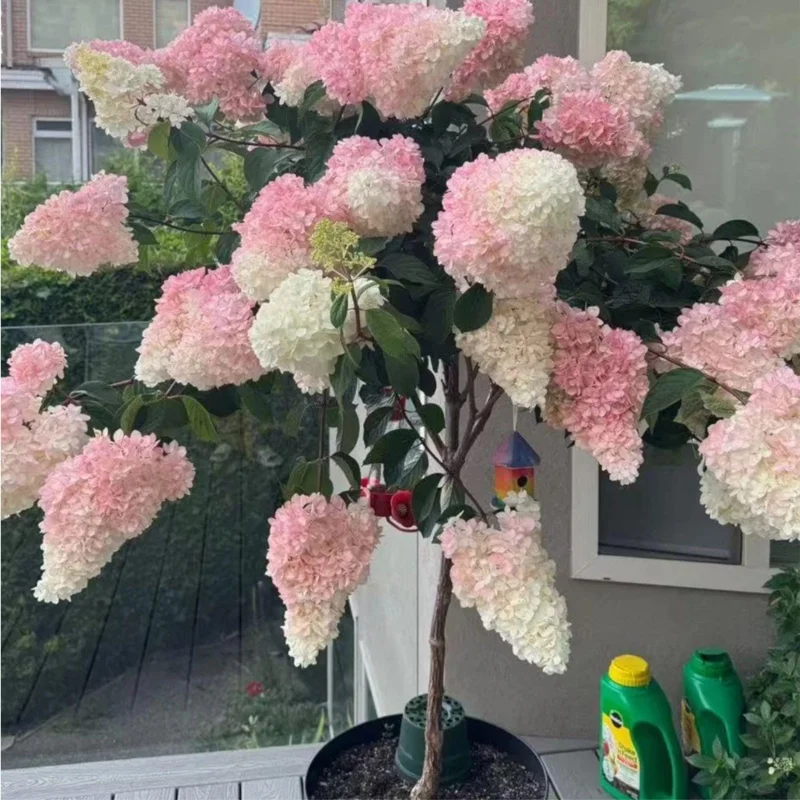
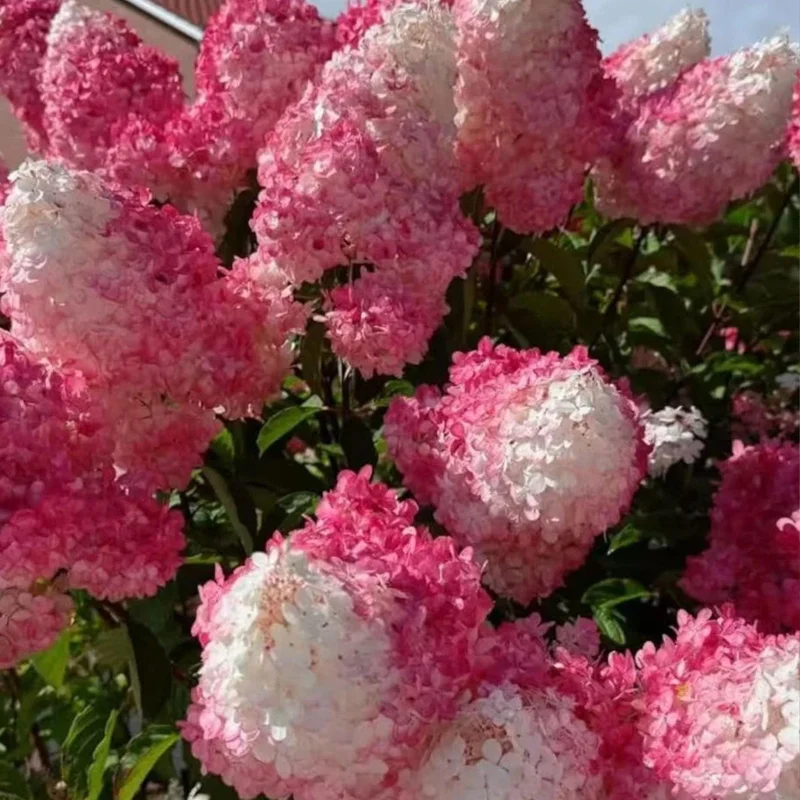
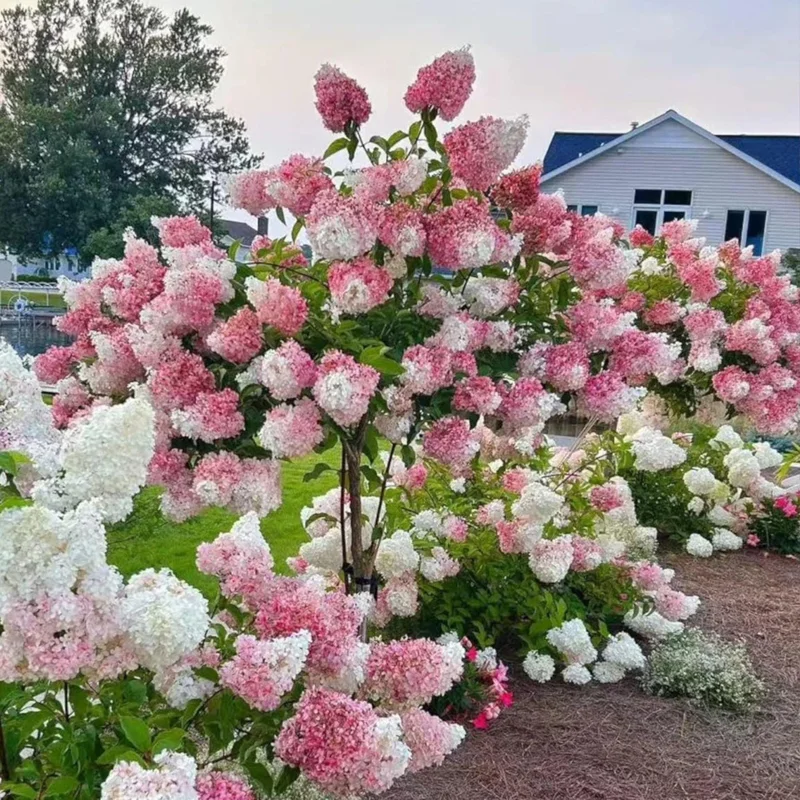
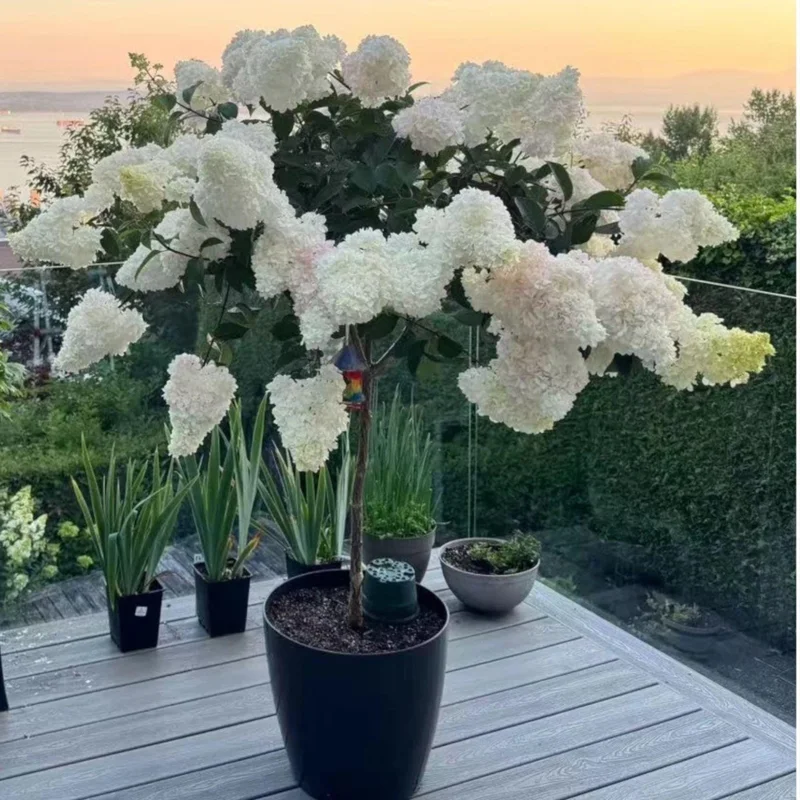
Cultivate elegant summer color with strawberry hydrangea tree seeds. This pack of 50 seeds produces stunning pink and white cone-shaped blooms, perfect for adding a touch of sophistication to any ornamental garden or landscape border. Enjoy the beauty of these heirloom flowering plants.
Shipping and Return policies:
We stand behind our plants with our Alive & Thrive Guarantee. If you experience any issues within the first 30 days, please email us, and our team will be happy to help. When needed, we’ll send you a one-time replacement free of charge to make sure your garden keeps growing strong.

Reasonable Price
We offer reasonable price

Support 24/7
Contact us 24 hrs a day
100% Money Back
You’ve 30 days to Return
Payment Secure
100% secure payment
Overview
Embark on a delightful gardening journey with these premium strawberry hydrangea tree seeds. Known for their graceful presence and spectacular summer blooms, these seeds offer the opportunity to cultivate a truly enchanting addition to your landscape. Each pack contains 50 high-quality seeds, ready to transform into magnificent deciduous shrubs or small trees. The common name, Strawberry Hydrangea, aptly describes the charming color transition of its flowers, which emerge white and gradually mature to soft pink and rosy tones, creating a captivating display. Scientifically known as Hydrangea paniculata, this variety is celebrated for its robust nature and impressive cone-shaped flower clusters that can reach substantial sizes. Ideal for gardeners seeking to add architectural interest and long-lasting beauty, these panicle hydrangea seeds are a fantastic choice for creating focal points or elegant borders.
These strawberry hydrangea tree seeds are perfect for those who appreciate the subtle evolution of floral beauty throughout the season. From their initial pristine white to their later blush of pink, these hydrangeas provide continuous visual interest. They are particularly well-suited for ornamental gardens, cottage garden designs, and as striking elements in landscape borders. Even when young, they make excellent container plants, offering flexibility for various garden styles and spaces. The resilience and adaptability of Hydrangea paniculata make it a rewarding plant for both novice and experienced gardeners, promising years of breathtaking blooms and lush foliage.
Key Benefits
Growing strawberry hydrangea tree seeds offers numerous advantages, enhancing your garden with both beauty and ecological value. These plants are a testament to nature’s artistry, providing a dynamic display of color and form throughout the growing season. Here are some of the key benefits you can expect:
- Stunning Seasonal Color: Enjoy the unique spectacle of flowers transitioning from pure white to delicate pink and rosy hues. These pink hydrangea seeds produce blooms that evolve, offering continuous visual interest from summer into early fall.
- Architectural Garden Impact: The large, cone-shaped flower clusters provide a striking architectural element to any garden design. They create impressive focal points and add significant depth to landscape borders.
- Versatile Landscape Use: Suitable for a wide range of garden applications, including ornamental gardens, cottage gardens, and even as young container plants. Their adaptability makes them a valuable asset for diverse outdoor spaces.
- Long-Lived & Robust: Once established, these hydrangeas are known for their longevity and hardiness, becoming attractive and enduring landscape plants that return year after year with minimal fuss.
- Attracts Pollinators: The vibrant blooms are a magnet for bees and other beneficial pollinators, contributing to the health and biodiversity of your garden ecosystem.
- Heirloom Quality: These heirloom flower seeds ensure genetic purity and reliability, allowing you to grow a traditional and trusted variety of hydrangea with confidence.
- Excellent Cut Flowers: The beautiful cone blooms make exquisite cut flowers, perfect for bringing the elegance of your garden indoors to enhance bouquets and arrangements.
Plant Care & Growing Tips
Cultivating strawberry hydrangea tree seeds requires patience and attention to specific environmental conditions to ensure healthy growth and abundant blooms. Understanding the needs of Hydrangea paniculata is key to successfully establishing these beautiful plants in your garden. For optimal performance, these hydrangeas thrive in locations that receive full sun to partial shade. Full sun encourages more compact growth and abundant flowering, while partial shade, especially in hotter climates, can protect the delicate blooms from scorching and help maintain vibrant color.
Consistent moisture is crucial for Strawberry Hydrangeas, particularly during their establishment phase and dry spells. The soil should be kept moist but never waterlogged, as good drainage is essential to prevent root rot. They prefer fertile, well-draining soil with a slightly acidic to neutral pH. Incorporating organic matter, such as compost, into the planting site will improve soil structure and nutrient availability. Fertilize in early spring with a balanced, slow-release granular fertilizer formulated for flowering shrubs. Pruning is best done in late winter or early spring before new growth emerges, focusing on removing dead or weak branches and shaping the plant to maintain its desired form and size. Protecting young plants from extreme winter conditions in colder zones can help them establish more robustly.
Germinating white cone blooms from seeds can be slow and irregular, requiring a cold stratification period to break dormancy. After stratification, sow seeds on the surface of a sterile seed-starting mix, lightly pressing them in without covering, as they need light to germinate. Maintain consistent moisture and warmth. Once seedlings are large enough to handle, transplant them into individual pots. When they are robust enough and the danger of frost has passed, acclimate them to outdoor conditions before planting them in their final garden spot. Proper initial care for your strawberry hydrangea tree seeds will lay the foundation for a stunning, long-lived plant.
Size & Details
This offering includes 50 strawberry hydrangea tree seeds, providing ample opportunity to grow multiple beautiful plants for your garden. The seeds are fresh and ready for planting, ensuring the best possible start for your cultivation efforts. Once established, Strawberry Hydrangeas (Hydrangea paniculata) can grow into impressive deciduous shrubs or small trees, typically reaching a height of approximately 6 to 15+ feet, depending on the specific cultivar and the growing conditions provided. Their spread can be considerable, creating a substantial presence in the landscape. These plants develop large, cone-shaped flower clusters that emerge white in summer and gradually transform into charming pink to rosy tones, offering a prolonged season of interest.
The bloom season for these hydrangeas extends from summer into early fall, providing consistent color when many other plants are fading. They are suitable for ornamental garden cultivation and can be enjoyed as part of a mixed border, a specimen plant, or even trained as a small tree. The plant type is a deciduous flowering shrub or tree, meaning it will lose its leaves in winter, revealing an interesting branch structure. Expect a moderate to high growth rate once established. While germination from heirloom flower seeds can be slow, the reward is a magnificent, long-lived plant that will enhance your outdoor space for many years.
Frequently Asked Questions
- Q: How big does a Strawberry Hydrangea Tree get? A: A: Strawberry Hydrangeas can typically grow to a height of approximately 6 to 15+ feet, depending on the specific cultivar and environmental conditions. They can also have a significant spread, making them a prominent feature in the landscape.
- Q: Is this an indoor or outdoor plant? A: These strawberry hydrangea tree seeds are intended for growing outdoor plants. Strawberry Hydrangeas (Hydrangea paniculata) are hardy deciduous shrubs or small trees best suited for garden landscapes.
- Q: How much sunlight do these seeds need? A: Once grown, Strawberry Hydrangeas thrive in full sun to partial shade. For optimal flowering and color development, aim for at least 4-6 hours of direct sunlight per day.
- Q: Are these plants easy to care for? A: Strawberry Hydrangeas are generally considered easy to care for once established. They require consistent moisture and well-draining soil. Their robust nature makes them suitable for gardeners of varying experience levels.
- Q: What condition will the seeds arrive in? A: The 50 strawberry hydrangea tree seeds will arrive fresh and ready for planting, carefully packaged to ensure their viability and quality for successful germination.
- Q: When is the best time to plant Strawberry Hydrangea seeds? A: The best time to plant panicle hydrangea seeds is typically in late winter or early spring after they have undergone a cold stratification period. This mimics natural conditions and encourages germination.
- Q: What USDA hardiness zones are suitable for Strawberry Hydrangeas? A: Strawberry Hydrangeas (Hydrangea paniculata) are generally hardy in USDA Zones 3-8, making them suitable for a wide range of climates across the US.
- Q: How long until these plants bloom? A: While germination from heirloom flower seeds can be slow, once the plants are established, they typically begin to bloom in their second or third year, with more prolific flowering as they mature.
- Q: What soil type is best for growing Strawberry Hydrangeas? A: Strawberry Hydrangeas prefer moist, fertile, and well-draining soil. A slightly acidic to neutral pH is ideal. Amending the soil with organic matter will greatly benefit their growth.
- Q: Do these hydrangeas attract pollinators? A: Yes, the beautiful white cone blooms that transition to pink are very attractive to bees and other beneficial pollinators, contributing to a healthy garden ecosystem.
Be the first to review “50 Strawberry Hydrangea Tree Seeds – Pink & White Cone Blooms for Garden”
You must be logged in to post a review.
People also Viewed
Sold 50 products
Original price was: $109.95.$79.98Current price is: $79.98.
Sold 50 products
Original price was: $25.00.$17.50Current price is: $17.50.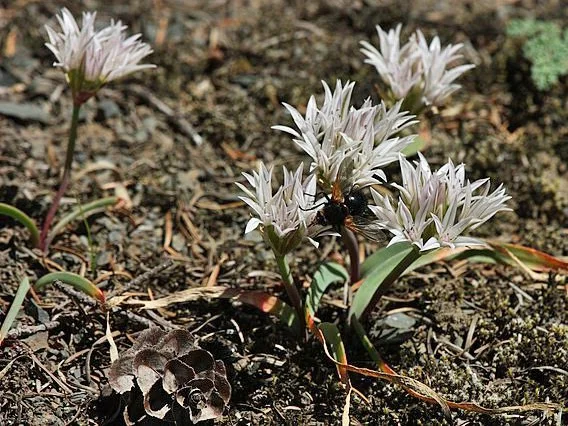
Flower Seeds
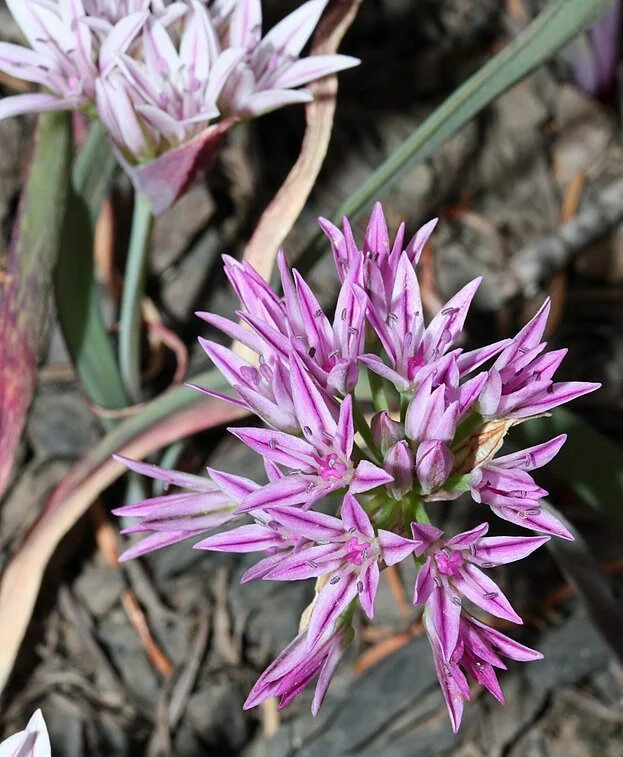
Olympic Onion Seeds – Allium crenulatum Flower Seeds – 10 Seed Pack – Outdoor Native Plant
Sold 50 products
Original price was: $25.00.$17.50Current price is: $17.50.
Sold 50 products
Original price was: $25.00.$17.50Current price is: $17.50.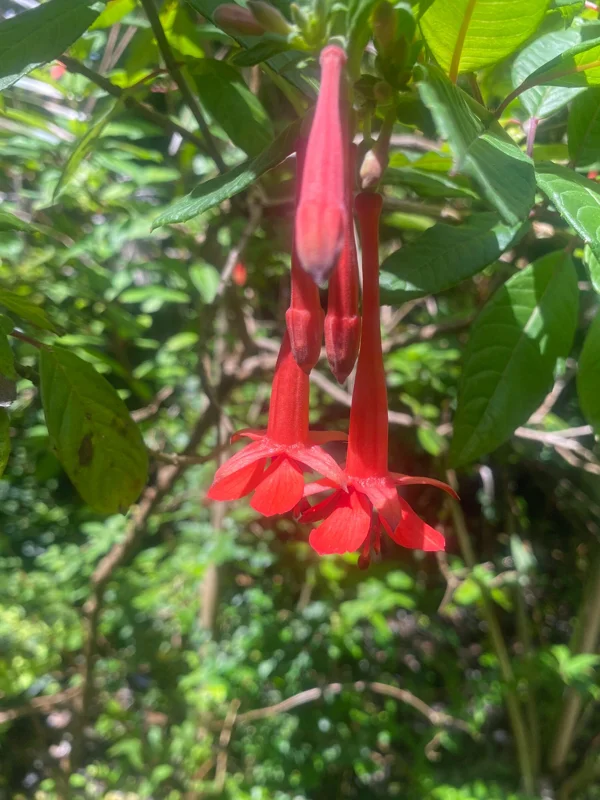
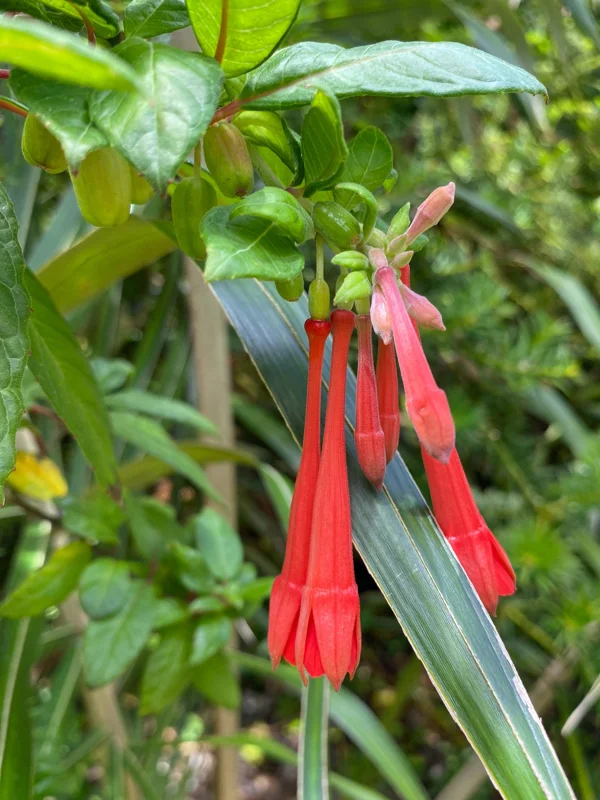
Flower Seeds
Fuchsia vulcanica Seeds – 20 Pack – Vibrant Orange Coral Flowers for Garden & Containers
Sold 50 products
Original price was: $25.00.$17.50Current price is: $17.50.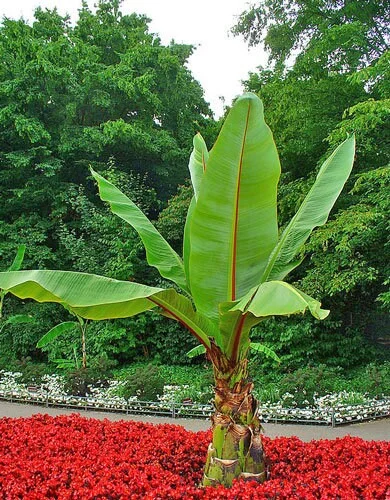
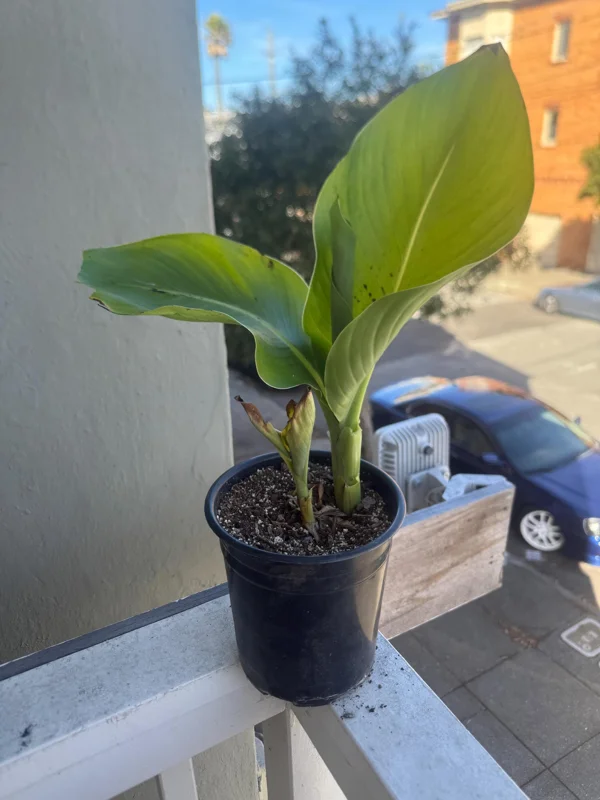
Sold 50 products
Original price was: $116.98.$95.68Current price is: $95.68.
Sold 50 products
Original price was: $21.00.$14.10Current price is: $14.10.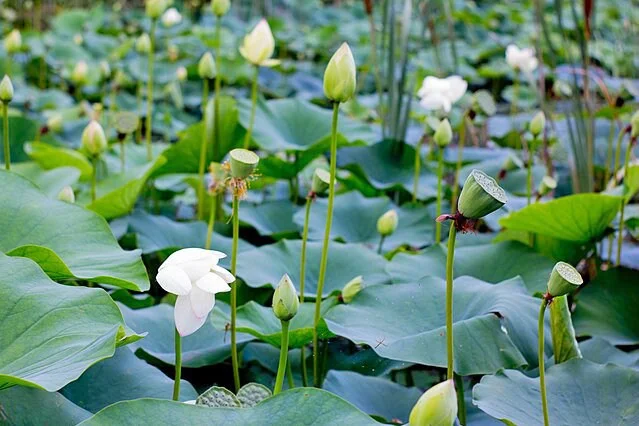
Aquatic Plant Seeds
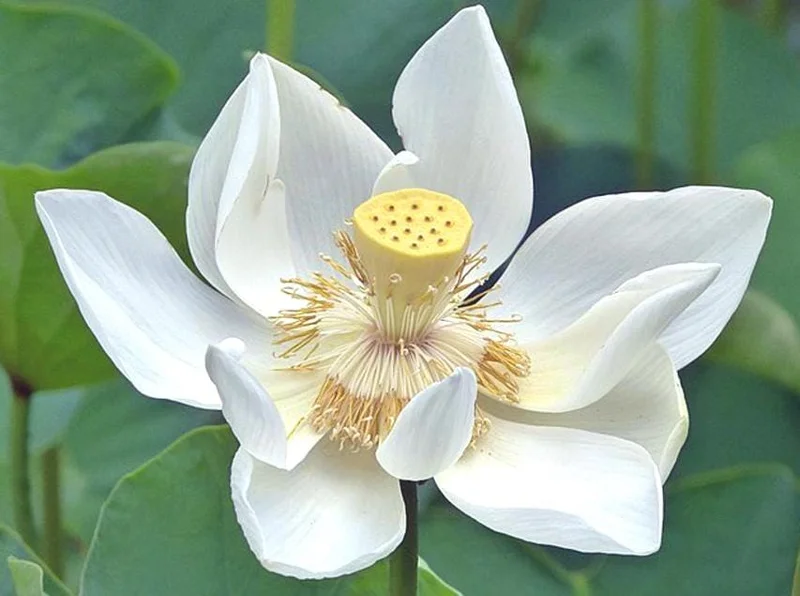
White Lotus Seeds – Nelumbo Nucifera Aquatic Pond Plant – 5 Seeds for Water Garden
Sold 50 products
Original price was: $29.00.$20.90Current price is: $20.90.RELATED posts
Awapuhi Wild Ginger Plant: Zones, Care, and Propagation
Learn which USDA zones suit awapuhi wild ginger, plus sunlight, water, planting, propagation, pests, size, [...]
Awapuhi Shampoo Ginger – Care, Growing Zones, and Differences
Learn how to grow awapuhi (shampoo) ginger, its USDA zones, watering schedule, propagation tips, and [...]
Awapuhi Shampoo Plant Buying Guide – Choose the Right Zingiber zerumbet
META: Learn which awapuhi (shampoo ginger) plant or rhizome pack gives the best natural shampoo, [...]
Awapuhi Plant for Sale: Complete Buying Guide
Find the right awapuhi (shampoo ginger) plant, size, price, soil mix, and online source. Practical [...]
Shampoo Ginger Plant for Sale – Buying Guide & Tips
Find the right shampoo ginger plant, size, price, and care tips. Quick guide for U.S. [...]
Shampoo Ginger Plant (Awapuhi) Care Guide
Learn how to grow, care for, and use shampoo ginger (Zingiber zerumbet), the tropical awapuhi [...]
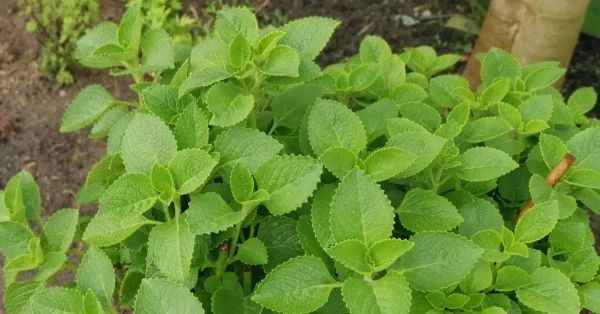
How to Grow Cuban Oregano Plants: A Complete Care Guide
If you’ve ever wanted a plant that combines the culinary punch of traditional oregano with [...]
Aug
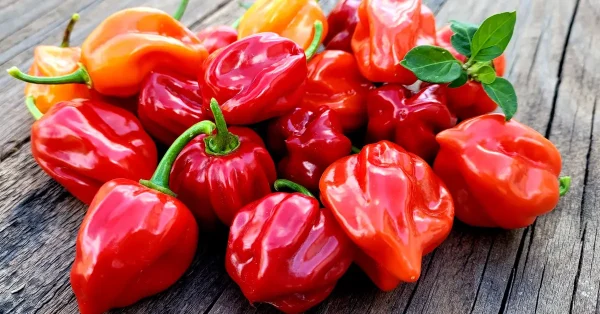
How to Grow Habanero Pepper Plants: A Step-by-Step Guide
Habanero pepper plants are prized for their vibrant colors, intense heat, and exceptional flavor, making [...]
Aug

Reviews
There are no reviews yet.