

5 Mixed Hosta Live Plants – Perennial Rhizomes for Shade Gardens – Mixture of Colors – Zones 3-9
Original price was: $65.98.$50.98Current price is: $50.98.
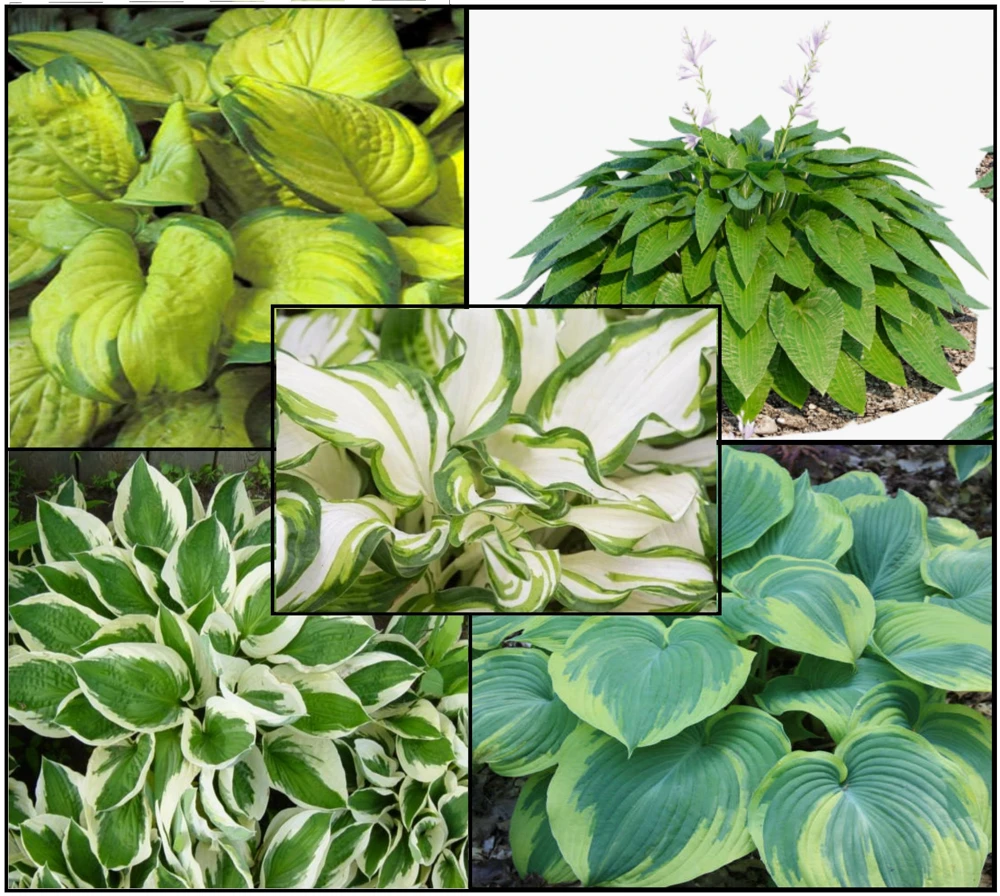
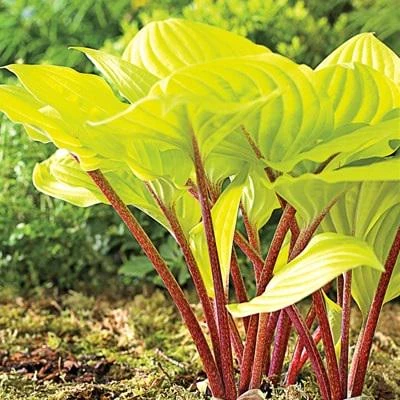
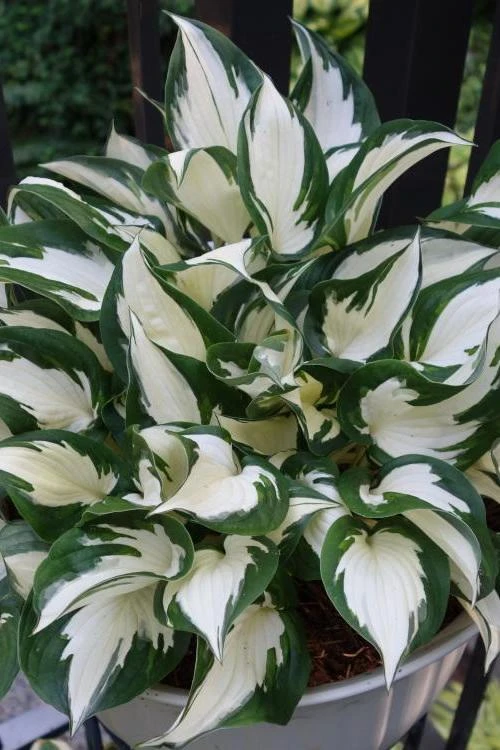
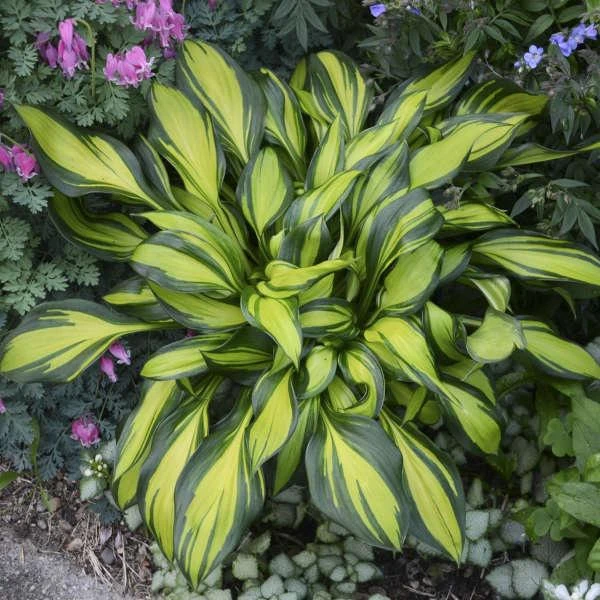
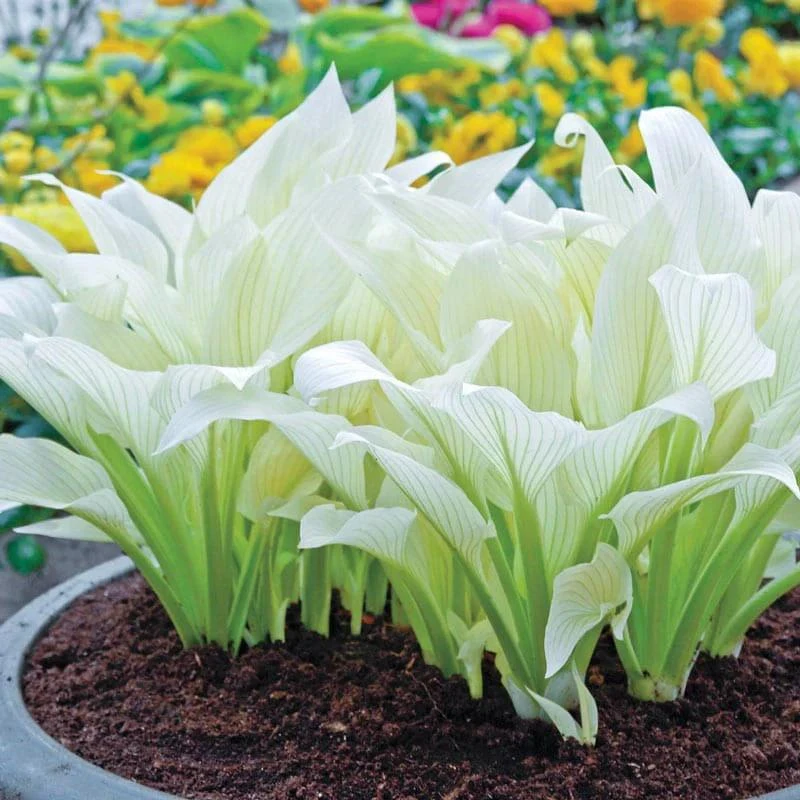
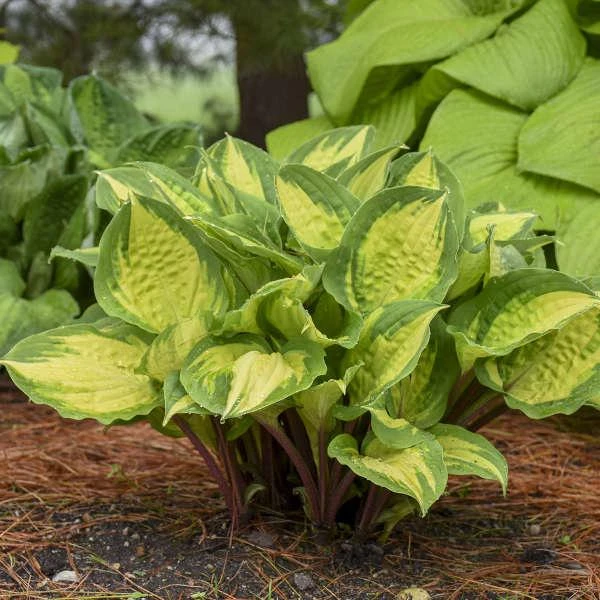
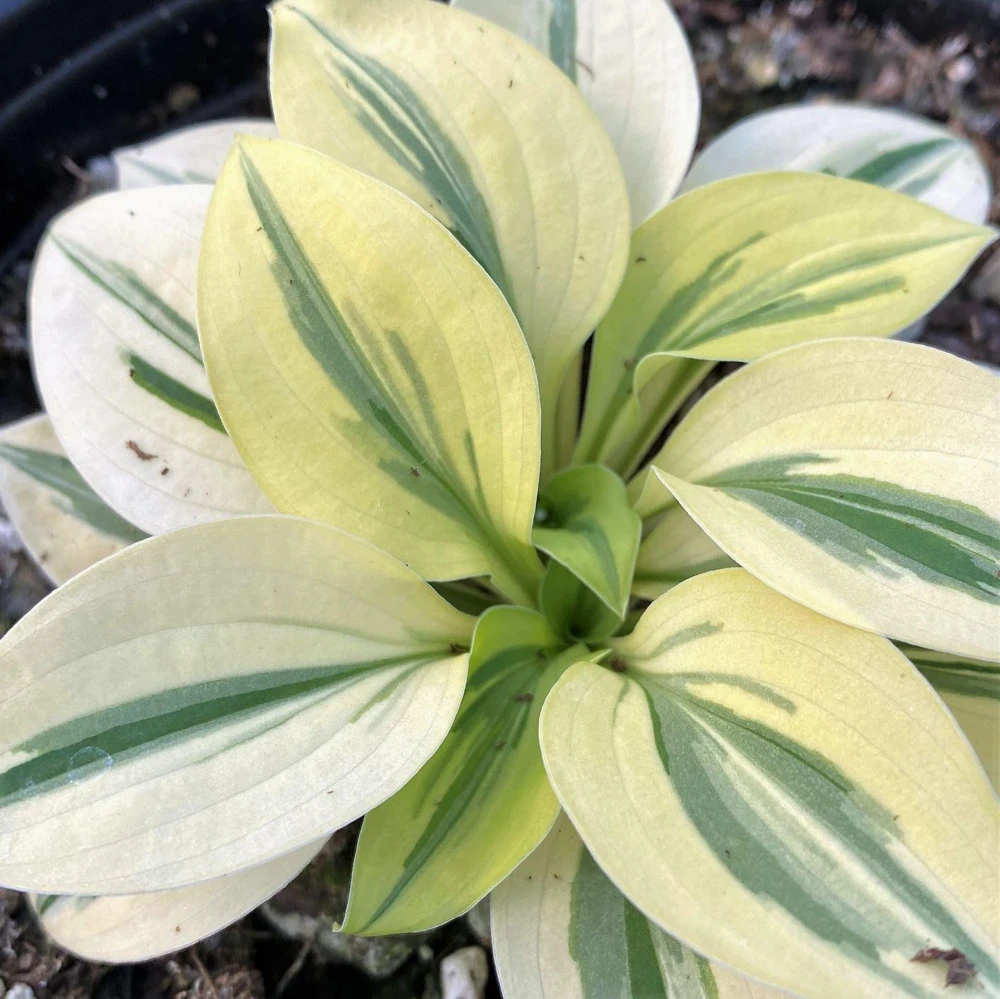
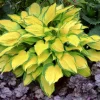
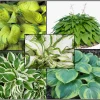
Discover the beauty of mixed hosta live plants for your shade garden. This collection of 5 hosta perennial rhizomes provides a stunning array of foliage colors, from vibrant greens to whites and yellows, alongside charming lavender and white flowers. Perfect for creating lush ground cover or accenting shaded areas, these hostas are ideal for perennializing and will bring sparkling color to your landscape for many years.
Shipping and Return policies:
We stand behind our plants with our Alive & Thrive Guarantee. If you experience any issues within the first 30 days, please email us, and our team will be happy to help. When needed, we’ll send you a one-time replacement free of charge to make sure your garden keeps growing strong.

Reasonable Price
We offer reasonable price

Support 24/7
Contact us 24 hrs a day
100% Money Back
You’ve 30 days to Return
Payment Secure
100% secure payment
Overview
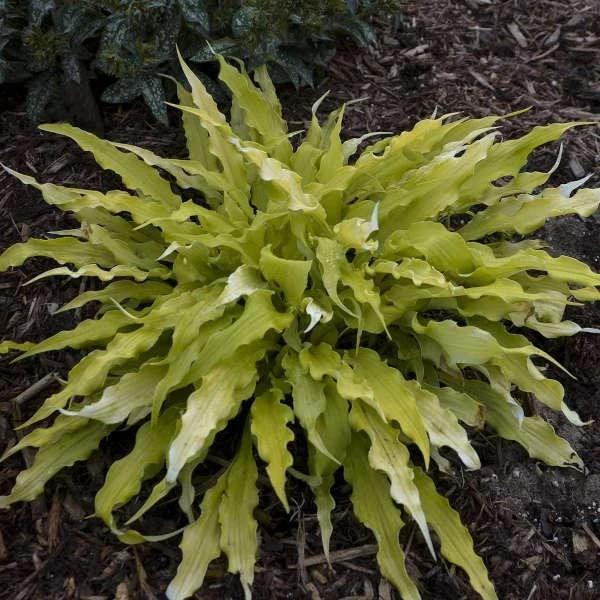
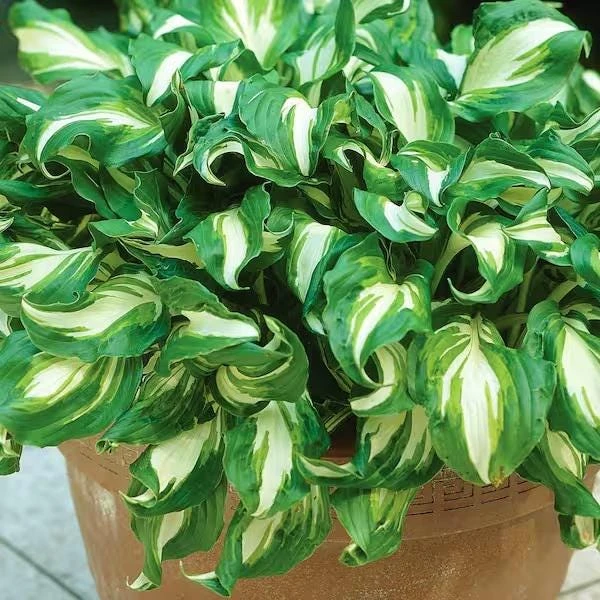
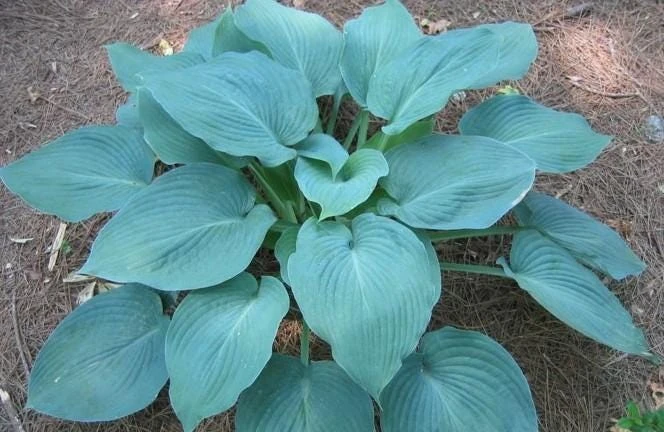
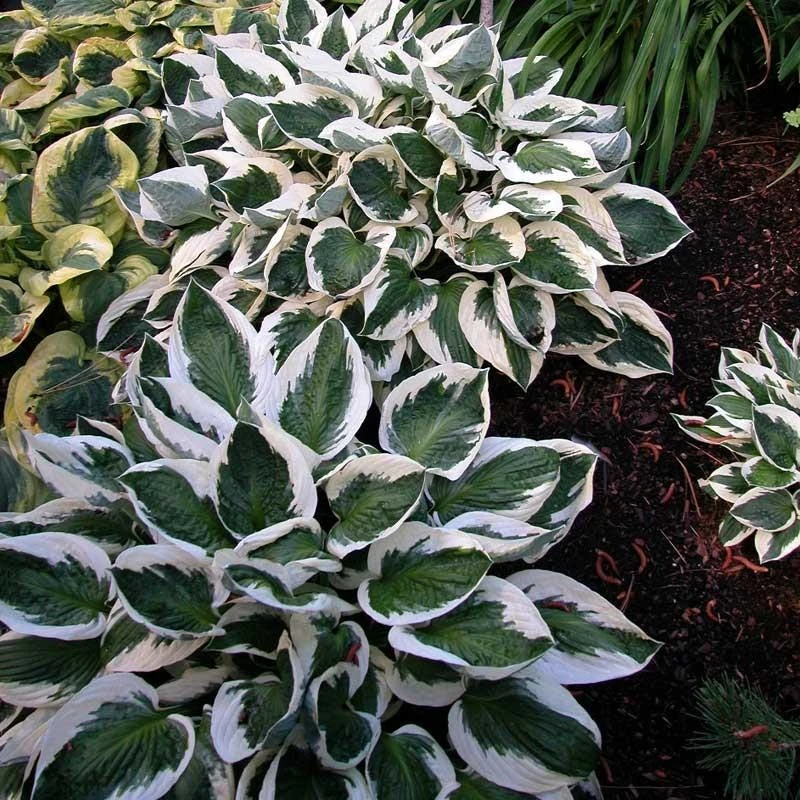
Transform your shaded garden spaces with our exquisite collection of mixed hosta live plants. This offering includes 5 unique hosta perennial rhizomes, carefully selected to provide a stunning variety of foliage colors and textures. Hostas are renowned for their exceptional beauty and versatility, making them a favorite among gardeners seeking to add lushness and visual interest to areas where other plants struggle. Each plant will develop into a robust, mature specimen, showcasing broad, ribbed, and often wavy leaves that come in captivating shades of white, green, and yellow, with some featuring striking contrasts like white centers with lime-colored stripes. Beyond their magnificent foliage, these hostas also produce delicate lavender and white bell-shaped flowers, adding another layer of charm to your garden. Ideal for perennializing, these plants will return year after year, growing more impressive with each season and establishing themselves as enduring features in your landscape.
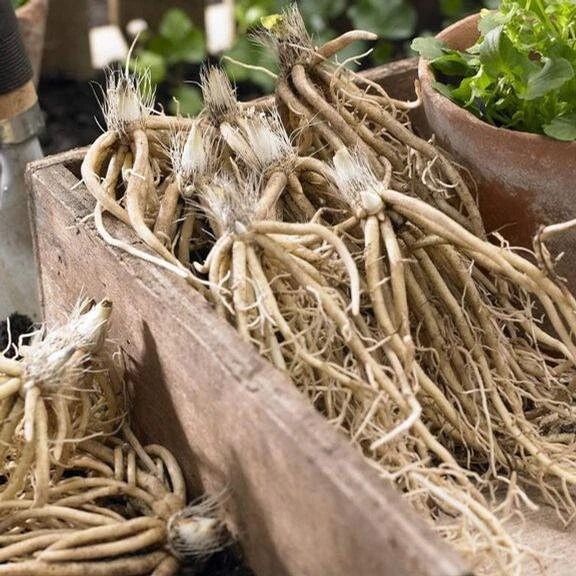
These mixed hosta live plants are an excellent choice for creating dynamic ground cover, bordering pathways, or adding a focal point to shaded beds. They are shipped as mature root bulbs or rhizomes, ready to establish quickly in your garden. While the specific named varieties will be unknown upon arrival, you are guaranteed a diverse and beautiful assortment that will thrive and bring joy for years to come. Embrace the elegance and ease of growing these remarkable shade-loving perennials.
Key Benefits
Our mixed hosta live plants offer a multitude of benefits, making them an indispensable addition to any garden, especially those with shaded areas. Their robust nature and stunning aesthetics contribute significantly to a vibrant and low-maintenance landscape.
- Exceptional Foliage Variety: Enjoy a spectacular display of diverse leaf shapes, sizes, and colors, including variegated patterns with whites, greens, and yellows. This creates visual depth and contrast in your garden beds.
- Shade Tolerance: Hostas are celebrated for their ability to thrive in partial to full shade, making them perfect for those challenging spots under trees, along north-facing walls, or in heavily shaded borders where other plants might falter.
- Long-Lasting Perennials: As true perennials, these hostas will return every spring, growing larger and more beautiful each year. They establish themselves well, providing enduring beauty with minimal effort.
- Low Maintenance: Once established, hosta perennial rhizomes require relatively little attention. They are resilient plants that can withstand various conditions, making them suitable for both novice and experienced gardeners.
- Attractive Blooms: Beyond their stunning leaves, hostas produce charming bell-shaped flowers in shades of lavender and white, typically in summer. These blooms attract pollinators and add an extra touch of elegance.
- Versatile Landscaping Use: Perfect for mass plantings, edging, container gardening, or as specimen plants. Their diverse forms allow for creative design in any shade garden setting.
- Enhances Garden Ecosystem: The dense foliage provides excellent ground cover, helping to suppress weeds and retain soil moisture, contributing to a healthier garden environment.
Plant Care & Growing Tips
Caring for your mixed hosta live plants is straightforward, ensuring they flourish and provide years of beauty. Hostas are relatively low-maintenance, but understanding their basic needs will help them reach their full potential. They prefer locations with partial to full shade. While morning sun is generally tolerated, it’s crucial to avoid hot afternoon sun, which can scorch their leaves, especially for lighter-colored or variegated varieties. The ideal environment mimics a woodland understory, receiving dappled light throughout the day. When considering hosta plant care, proper soil is paramount. Hostas thrive in moist, well-draining soil that is rich in organic matter. Amending heavy clay soils with compost or peat moss before planting will improve drainage and fertility. Conversely, sandy soils will benefit from organic matter to help retain moisture.
Watering is a key aspect of successful hosta cultivation. Keep the soil consistently moist, but never soggy. Regular watering is particularly important during dry spells and in their first growing season to help them establish a strong root system. Overwatering can lead to root rot, so ensure good drainage. Hostas prefer cool to moderate temperatures, with their most vigorous growth occurring in spring and early summer. They are hardy in USDA Zones 3-9. For fertilization, apply a balanced, slow-release fertilizer in early spring as new growth emerges. This provides the necessary nutrients for robust foliage and flower development. When planting, allow ample room for their mature size, as hostas will gradually expand over time. Remove any damaged or dead leaves as needed throughout the season, and cut back the foliage in late fall or early spring before new growth begins to maintain a tidy appearance.
To further enhance the health of your shade garden hostas, consider applying a layer of mulch around the base of the plants. Mulch helps to retain soil moisture, regulate soil temperature, and suppress weeds. While hostas are generally hardy, some varieties with thicker leaves tend to be more resistant to slugs, a common pest. Regular inspection and appropriate pest control measures, if necessary, will keep your hostas looking their best. Following these guidelines for hosta plant care will ensure your collection of hostas thrives and becomes a magnificent feature in your garden.
Size & Details
This offering includes 5 mixed hosta live plants, shipped as mature root bulbs or rhizomes. Each rhizome is ready for planting and will develop into a robust, mature plant over time. The mature size of hostas varies significantly by variety, but most will form substantial clumps, typically reaching heights of 1 to 3 feet and spreads of 2 to 4 feet. Growth rate is moderate, with plants showing significant development in their second and third seasons. These hostas are ideal for perennializing, meaning they will return each year and increase in size, creating denser and more impactful displays. The plants will arrive dormant if purchased between November and April, which is a natural and healthy state for hostas during cooler months, ensuring they are ready to burst forth with new growth in spring. You will receive a random selection from a wide array of beautiful and diverse hosta varieties, ensuring a unique and colorful hosta varieties display. These plants are suitable for USDA Hardiness Zones 3-9, indicating their resilience across a broad range of climates.
Frequently Asked Questions
- Q: How big do these hosta plants get? A: The mature size of these mixed hosta live plants will vary depending on the specific varieties you receive. Generally, hostas can grow anywhere from 1 to 3 feet tall and spread 2 to 4 feet wide, forming dense clumps over several years.
- Q: Is this an indoor or outdoor plant? A: Hostas are primarily outdoor perennial plants, perfectly suited for shade gardens. While they can be grown in containers, they are not typically grown as indoor houseplants due to their dormancy requirements.
- Q: How much sunlight does a hosta need? A: Hostas thrive in partial to full shade. They prefer locations that receive morning sun but are protected from the intense heat of afternoon sun, which can scorch their leaves. This is crucial for proper hosta plant care.
- Q: Is this plant easy to care for? A: Yes, hostas are considered very easy to care for once established. They are known for their resilience and require minimal maintenance, making them an excellent choice for gardeners of all experience levels.
- Q: What condition will the hostas arrive in? A: Your hosta perennial rhizomes will arrive as mature root bulbs, ready for planting. If ordered between November and April, they will be in their natural dormant state, which is perfectly normal and healthy for successful spring growth.
- Q: When is the best time to plant hostas? A: The best time to plant hostas is in the spring or early fall. This allows the plants to establish their root systems before the extremes of summer heat or winter cold.
- Q: Will these hostas survive winter in my zone? A: These hostas are hardy in USDA Zones 3-9, meaning they are well-suited to survive winter conditions within this range. They will go dormant in colder months and re-emerge in spring.
- Q: What kind of soil is best for hostas? A: Hostas prefer moist, well-draining soil that is rich in organic matter. Amending your garden soil with compost will provide an ideal environment for these plants to thrive.
- Q: How often should I water my hostas? A: Keep the soil consistently moist, especially during dry periods and the first growing season. However, ensure the soil is not waterlogged, as good drainage is essential for healthy shade garden hostas.
- Q: Will these hostas produce flowers? A: Yes, in addition to their beautiful foliage, these hostas will produce charming bell-shaped flowers, typically in shades of lavender or white, during the summer months, adding to their overall appeal. You’ll enjoy a variety of colorful hosta varieties.
Be the first to review “5 Mixed Hosta Live Plants – Perennial Rhizomes for Shade Gardens – Mixture of Colors – Zones 3-9”
You must be logged in to post a review.
People also Viewed
Sold 50 products
Original price was: $37.48.$23.98Current price is: $23.98.
Sold 50 products
$32.38
Sold 50 products
$27.38
Sold 50 products
$32.38
Sold 50 products
$19.88
Sold 50 products
$62.38
Sold 50 products
$24.88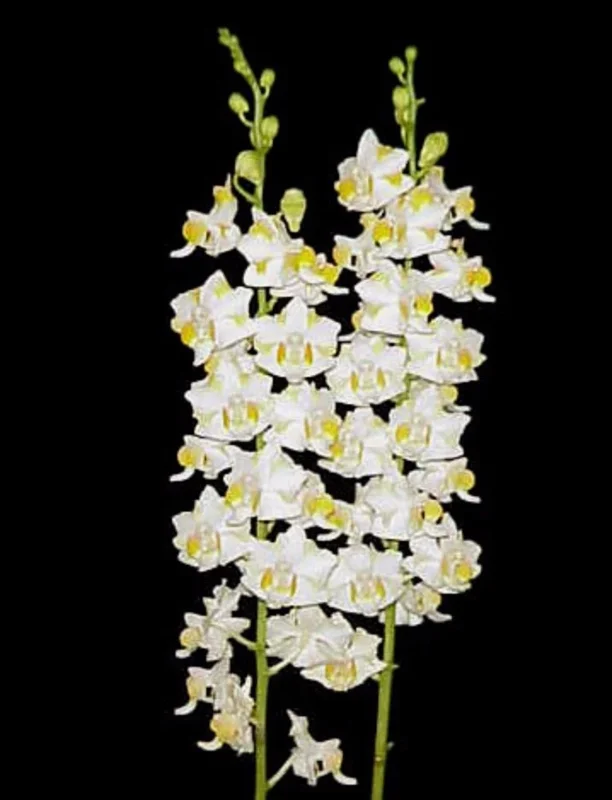
Houseplants
Phalaenopsis pulcherrima ‘Mauna Kea Snow’ Orchid Live Plant – White Flowers, Potted 2.5 in
Sold 50 products
$49.88RELATED posts
Awapuhi Wild Ginger Plant: Zones, Care, and Propagation
Learn which USDA zones suit awapuhi wild ginger, plus sunlight, water, planting, propagation, pests, size, [...]
Awapuhi Shampoo Ginger – Care, Growing Zones, and Differences
Learn how to grow awapuhi (shampoo) ginger, its USDA zones, watering schedule, propagation tips, and [...]
Awapuhi Shampoo Plant Buying Guide – Choose the Right Zingiber zerumbet
META: Learn which awapuhi (shampoo ginger) plant or rhizome pack gives the best natural shampoo, [...]
Awapuhi Plant for Sale: Complete Buying Guide
Find the right awapuhi (shampoo ginger) plant, size, price, soil mix, and online source. Practical [...]
Shampoo Ginger Plant for Sale – Buying Guide & Tips
Find the right shampoo ginger plant, size, price, and care tips. Quick guide for U.S. [...]
Shampoo Ginger Plant (Awapuhi) Care Guide
Learn how to grow, care for, and use shampoo ginger (Zingiber zerumbet), the tropical awapuhi [...]
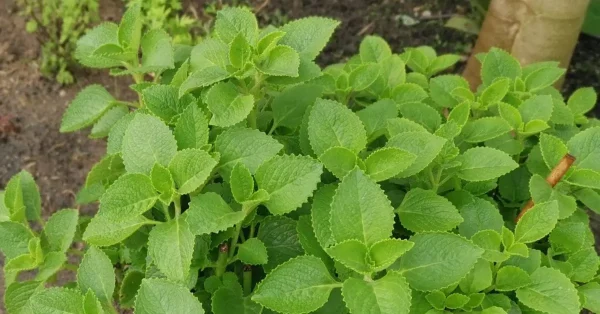
How to Grow Cuban Oregano Plants: A Complete Care Guide
If you’ve ever wanted a plant that combines the culinary punch of traditional oregano with [...]
Aug
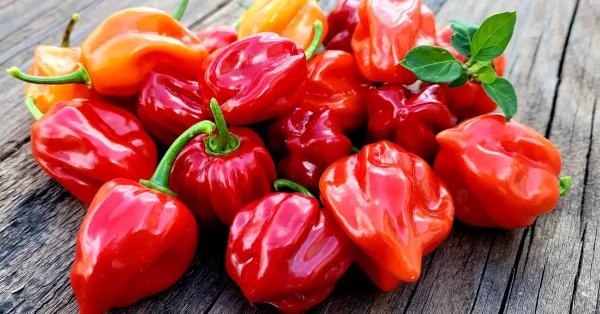
How to Grow Habanero Pepper Plants: A Step-by-Step Guide
Habanero pepper plants are prized for their vibrant colors, intense heat, and exceptional flavor, making [...]
Aug
Reviews
There are no reviews yet.