
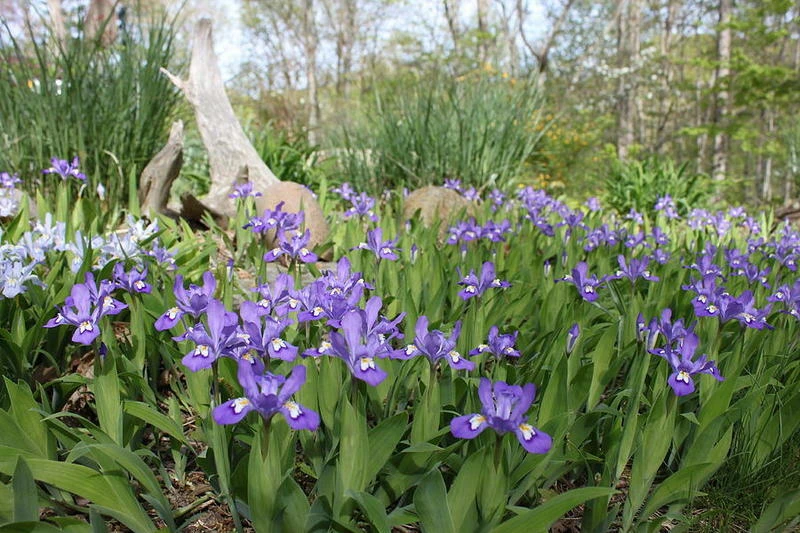
5 Crested Wild Iris Roots – Iris cristata Bare Root Plant Outdoor Perennial
Original price was: $29.80.$13.80Current price is: $13.80.
Bring natural charm to your landscape with these 5 Crested Wild Iris roots (Iris cristata). Perfect for woodland gardens or shady borders, these hardy bare root plants establish easily and provide a carpet of delicate blue-purple flowers each spring. Enjoy the beauty of this native perennial with minimal effort.
Shipping and Return policies:
We stand behind our plants with our Alive & Thrive Guarantee. If you experience any issues within the first 30 days, please email us, and our team will be happy to help. When needed, we’ll send you a one-time replacement free of charge to make sure your garden keeps growing strong.

Reasonable Price
We offer reasonable price

Support 24/7
Contact us 24 hrs a day
100% Money Back
You’ve 30 days to Return
Payment Secure
100% secure payment
Overview
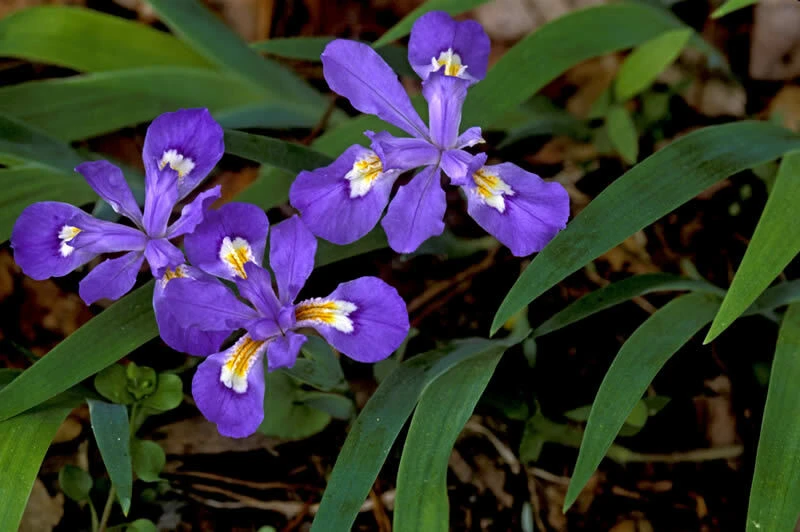
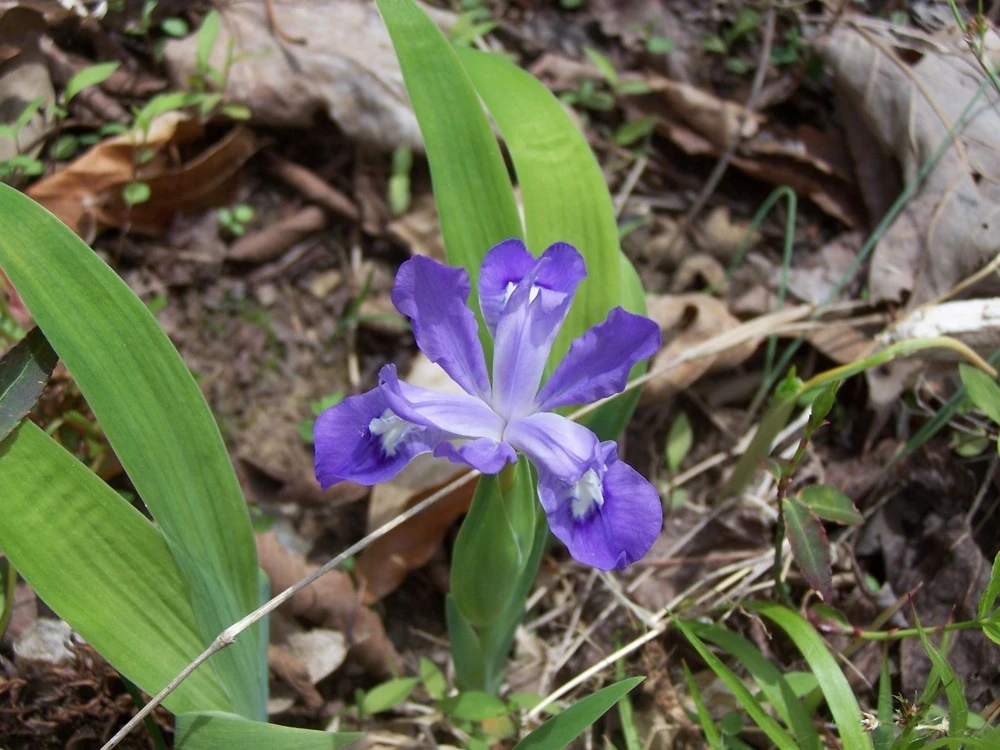
Transform your garden space with the delightful addition of crested wild iris roots. This offering includes 5 healthy bare roots of Iris cristata, commonly known as the Dwarf Crested Iris or Crested Wild Iris. Native to the eastern United States, this charming perennial is celebrated for its exquisite, intricate flowers that emerge in early to mid-spring. Growing only 6-8 inches tall, these low-maintenance plants create a stunning groundcover, perfect for adding a touch of natural elegance to shady or partially shaded areas. The unique blue-purple blooms feature a distinctive white or yellow crest, giving them their common name and making them a standout in any garden setting. Planting these Iris cristata bare root specimens is an excellent way to introduce a resilient and beautiful native species into your landscape, supporting local pollinators and enhancing biodiversity.
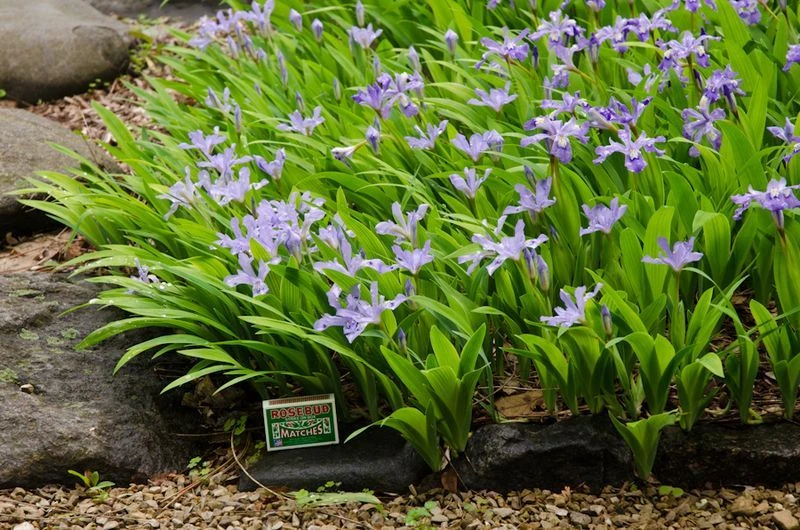
The Dwarf Crested Iris is a favorite among gardeners seeking easy-to-grow, deer-resistant, and visually appealing plants. Its spreading habit allows it to naturalize beautifully, forming colonies over time that provide an increasingly impressive display. Whether you’re designing a woodland garden, filling in gaps under trees, or creating a vibrant border, these crested wild iris roots are an ideal choice. They thrive in conditions that mimic their native woodland habitats, making them surprisingly adaptable once established. Prepare to be enchanted by the delicate beauty and effortless charm of this remarkable perennial.
Key Benefits
The crested wild iris roots offer numerous advantages for any gardener looking to enhance their outdoor space with beauty and resilience:
-
Exquisite Spring Blooms: Enjoy a breathtaking display of unique blue-purple flowers with distinctive white or yellow crests in early to mid-spring, providing vibrant color when many other plants are just beginning to emerge.
-
Low-Maintenance Groundcover: These plants are incredibly easy to care for once established, making them perfect for busy gardeners. They naturally spread to form a beautiful, dense groundcover, suppressing weeds and reducing the need for constant attention.
-
Deer and Rabbit Resistant:Iris cristata is generally unappealing to deer and rabbits, offering peace of mind that your beautiful blooms won’t become a snack for local wildlife, preserving your garden’s aesthetic.
-
Native Pollinator Support: As a native species, the Dwarf Crested Iris provides valuable nectar and pollen for early spring pollinators like bees and butterflies, contributing to local ecosystem health and biodiversity.
-
Versatile Garden Use: These adaptable plants are ideal for a variety of settings, including woodland gardens, shady borders, rock gardens, naturalized areas, or as an underplanting beneath shrubs and trees, showcasing the versatility of crested wild iris roots.
-
Hardy and Resilient: Tolerant of a range of conditions, this perennial is robust and can withstand various environmental challenges, ensuring a long-lasting and reliable garden presence year after year.
-
Erosion Control: Their spreading root system helps to stabilize soil on slopes and banks, making them an excellent choice for erosion control in challenging garden areas.
Plant Care & Growing Tips
Caring for your Iris cristata bare root plants is relatively straightforward, as they are quite resilient once established. To ensure robust growth and abundant blooms, understanding their preferred conditions is key. These plants thrive in partial to full shade, mimicking their natural woodland habitat. While they can tolerate some morning sun, they generally perform best with protection from harsh afternoon rays, which can scorch their delicate foliage. Aim for an area that receives 2-4 hours of direct morning sun or dappled light throughout the day. Well-draining soil is crucial; while they appreciate consistent moisture, they cannot tolerate soggy conditions, which can lead to rhizome rot. Amend heavy clay soils with organic matter like compost or leaf mold to improve drainage and aeration. A slightly acidic to neutral soil pH (6.0-7.0) is ideal.
When it comes to watering, keep the soil consistently moist, especially during dry periods and in their first year of establishment. Once mature, these plants are moderately drought-tolerant but will benefit from supplemental watering during extended dry spells. Fertilization is generally not heavily required for wild iris plant care. A light application of a balanced, slow-release granular fertilizer in early spring can encourage vigorous growth and flowering, but avoid over-fertilizing, which can promote foliage at the expense of blooms. These plants are cold-hardy, typically thriving in USDA Zones 3-9. In colder regions, a layer of mulch applied in late fall can provide extra winter protection. Divide clumps every 3-5 years in late summer or early fall to maintain vigor and prevent overcrowding. Watch out for slugs and snails, which can occasionally chew on foliage, especially in moist conditions.
Size & Details
This offering includes 5 Crested Wild Iris roots (Iris cristata) supplied as bare root plants, ready for immediate planting. When mature, these charming perennials typically reach a height of 6 to 8 inches (15-20 cm) with a similar spread, forming a dense carpet over time. The rhizomes are shipped dormant, ensuring they transplant well and establish quickly in your garden. Expect to see foliage emerge in early spring, followed by a profusion of blue-purple flowers. The growth rate is moderate, and they will gradually naturalize, expanding their footprint over several seasons. These dwarf crested iris plants are perfect for areas where you want a low-growing, spreading perennial that provides early season interest. Their compact size makes them suitable for the front of borders, rock gardens, or underplanting taller shrubs and trees, creating a beautiful layered effect. With proper wild iris plant care, these roots will develop into a thriving colony, bringing consistent beauty to your landscape year after year.
Frequently Asked Questions
-
Q: How big does this plant get? A: The dwarf crested iris (Iris cristata) typically grows to a compact height of 6 to 8 inches (15-20 cm) with a similar spread, forming a low, spreading groundcover.
-
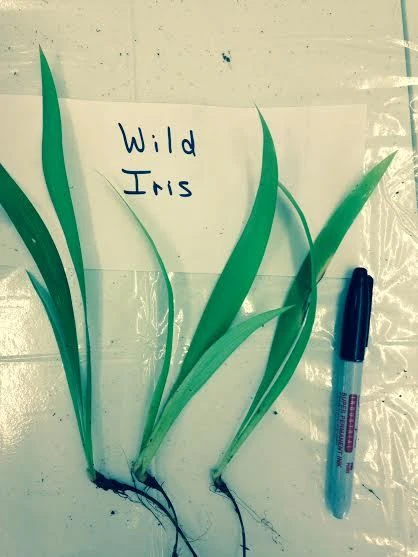
Q: What size pot does it come in? A: These crested wild iris roots are shipped as bare roots, meaning they do not come in a pot. They are ready to be planted directly into your garden soil upon arrival.
-
Q: Is this an indoor or outdoor plant? A: The crested wild iris roots are primarily an outdoor plant, ideally suited for garden beds, woodland areas, and shaded borders. It is not typically grown as an indoor houseplant.
-
Q: How much sunlight does it need? A: Iris cristata prefers partial to full shade. It thrives in areas with dappled sunlight or morning sun and protection from intense afternoon sun.
-
Q: Is this plant easy to care for? A: Yes, the Dwarf Crested Iris is considered very easy to care for once established. It’s a low-maintenance perennial, making it a great choice for both novice and experienced gardeners.
-
Q: What condition will it arrive in? A: Your Iris cristata bare root plants will arrive in a dormant state, carefully packaged to ensure they are healthy and ready for planting. They will not have active foliage or blooms upon arrival.
-
Q: How long until it blooms? A: Once planted, these bare roots typically establish quickly. You can expect to see their beautiful blue-purple blooms in the spring following their planting, or in the second spring if planted late in the season.
-
Q: When is the best time to plant these bare roots? A: The ideal time to plant crested wild iris roots is in the spring or fall when temperatures are moderate. This allows them to establish their root system before extreme heat or cold.
-
Q: Will it survive winter in my zone? A: The Dwarf Crested Iris is very cold hardy and typically thrives in USDA Hardiness Zones 3 through 9, meaning it can withstand cold winter temperatures in most regions of the US.
-
Q: Is this a native perennial iris? A: Yes, Iris cristata is indeed a native perennial iris to the eastern United States, making it an excellent choice for naturalized gardens and supporting local ecosystems. This makes it a fantastic native perennial iris to consider.
Be the first to review “5 Crested Wild Iris Roots – Iris cristata Bare Root Plant Outdoor Perennial”
You must be logged in to post a review.
People also Viewed
Sold 50 products
$32.38
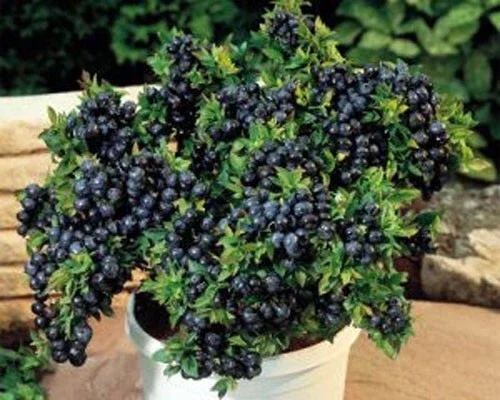
Sold 50 products
$27.38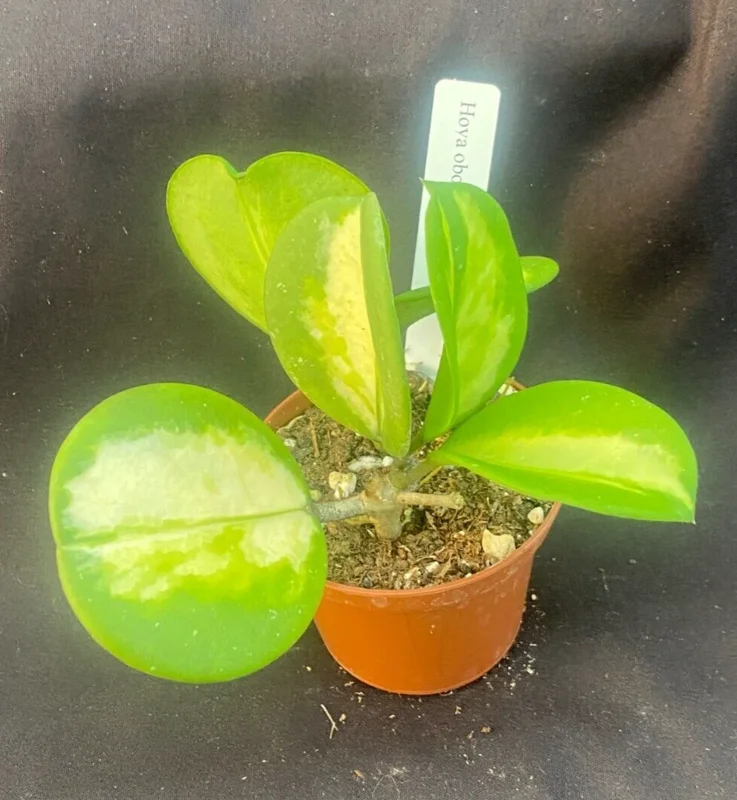
Sold 50 products
$32.38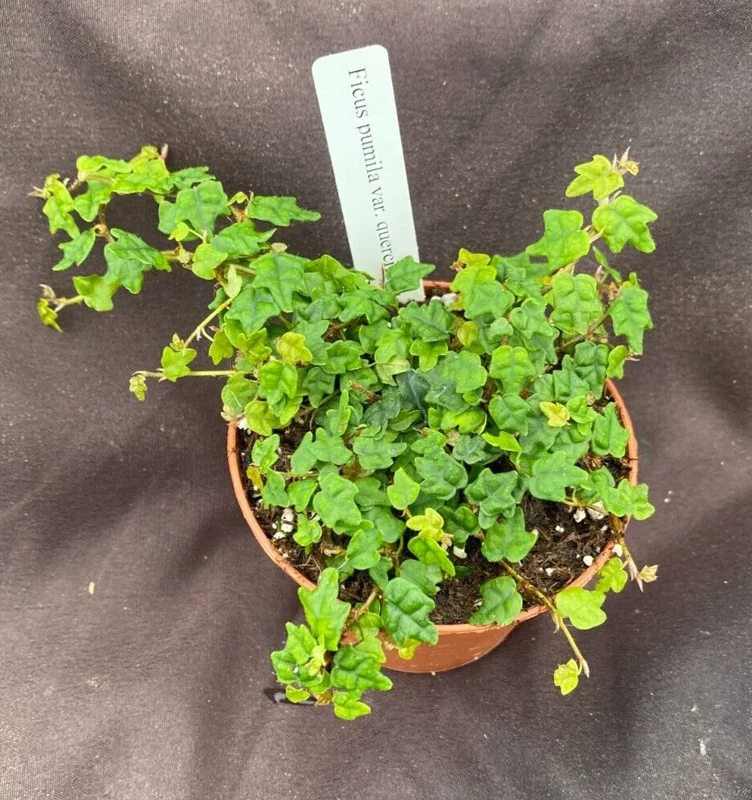
Sold 50 products
$19.88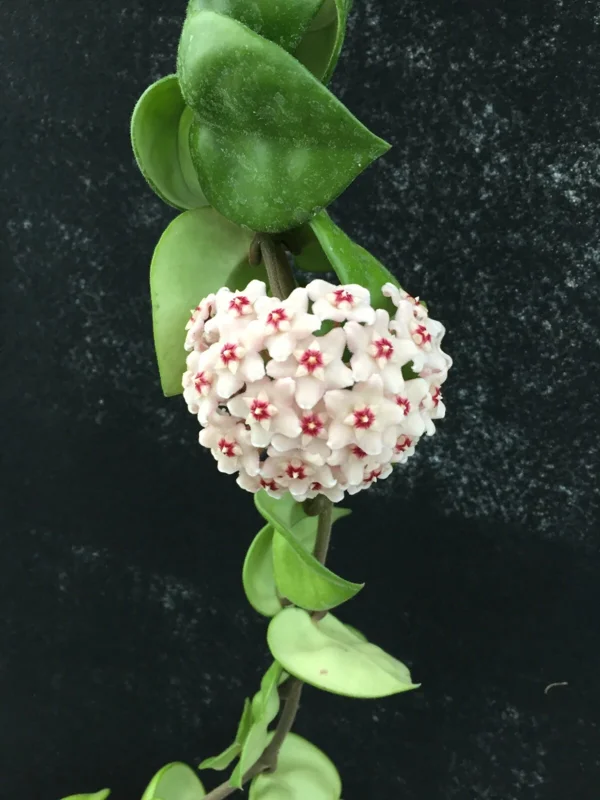
Sold 50 products
$62.38
Sold 50 products
$24.88
Houseplants
Phalaenopsis pulcherrima ‘Mauna Kea Snow’ Orchid Live Plant – White Flowers, Potted 2.5 in
Sold 50 products
$49.88
Sold 50 products
$49.88RELATED posts
Awapuhi Wild Ginger Plant: Zones, Care, and Propagation
Learn which USDA zones suit awapuhi wild ginger, plus sunlight, water, planting, propagation, pests, size, [...]
Awapuhi Shampoo Ginger – Care, Growing Zones, and Differences
Learn how to grow awapuhi (shampoo) ginger, its USDA zones, watering schedule, propagation tips, and [...]
Awapuhi Shampoo Plant Buying Guide – Choose the Right Zingiber zerumbet
META: Learn which awapuhi (shampoo ginger) plant or rhizome pack gives the best natural shampoo, [...]
Awapuhi Plant for Sale: Complete Buying Guide
Find the right awapuhi (shampoo ginger) plant, size, price, soil mix, and online source. Practical [...]
Shampoo Ginger Plant for Sale – Buying Guide & Tips
Find the right shampoo ginger plant, size, price, and care tips. Quick guide for U.S. [...]
Shampoo Ginger Plant (Awapuhi) Care Guide
Learn how to grow, care for, and use shampoo ginger (Zingiber zerumbet), the tropical awapuhi [...]
How to Grow Cuban Oregano Plants: A Complete Care Guide
If you’ve ever wanted a plant that combines the culinary punch of traditional oregano with [...]
Aug

How to Grow Habanero Pepper Plants: A Step-by-Step Guide
Habanero pepper plants are prized for their vibrant colors, intense heat, and exceptional flavor, making [...]
Aug

Reviews
There are no reviews yet.