
Plant Info, Gardening Tips
Top 7 Heat-Tolerant Perennials to Plant in July
Jul
Have you ever looked out at your backyard in the middle of July and felt a little sorry for your garden? The sun is blazing, the humidity is thick enough to chew, and those beautiful spring flowers you planted months ago are looking, well… completely melted. It’s the time of year when most gardeners give up, retreat indoors to the air conditioning, and wait for fall.
But here is an insider secret: summer doesn’t have to mean a dead, brown yard.
In fact, July is the perfect time to plant a specific group of rugged, sun-loving plants that actually thrive when the thermometer starts spiking. We are talking about heat-tolerant perennials—the ultimate survivalists of the plant world. Unlike annuals that die off after one season, these tough guys will take the worst of the summer heat, survive the winter, and come back even stronger next year.
The tricky part? Planting in July requires a specific type of plant that won’t go into shock the moment it hits the warm soil. You need varieties with deep roots, built-in drought resistance, and a serious love for the sun.
In this post, I’m breaking down the 7 best heat-tolerant perennials you can plant right now to rescue your summer garden. Whether you’re dealing with baking Texas heat or sticky Florida humidity, these plants are ready for the challenge. Let’s get planting.
Top 7 Heat-Tolerant Perennials
When we talk about “heat-tolerant,” we don’t just mean a plant that survives; we mean a plant that puts on a show when everything else is quitting. Here are the heavy lifters of the mid-summer garden.
1. Purple Coneflower (Echinacea purpurea)
If you want a plant that looks like a delicate wildflower but possesses the stamina of a marathon runner, the Purple Coneflower is your perfect match. With its iconic daisy-like pinkish-purple petals and prominent golden-brown cones, this native powerhouse loves the baking sun. It is the gold standard for anyone wanting a beautiful garden that doesn’t require constant babying.
Because it forms a deep taproot, it is a favorite for homeowners who want to attract local pollinators like butterflies and bees without having to run the sprinkler every single day.
Care Tips: Place it in a spot that gets at least 6 to 8 hours of unobstructed sunlight. A helpful trick for July planting is to cut back any existing flowers when you put it in the ground; this forces the plant to focus its energy on building a strong root system rather than maintaining pretty blooms.
Read more:
- 7 Common Perennial Seeds You Should Sow in August for More Blooms Through Late Summer
- How to Grow Obedient Plants from Seeds: A Beginner’s Guide
- Get a Head Start on Spring Gardening: The Best Seeds to Start Indoors Now
- Top 5 Flower Seeds to Sow in July for Stunning Late-Summer Color
2. Black-Eyed Susan (Rudbeckia fulgida)
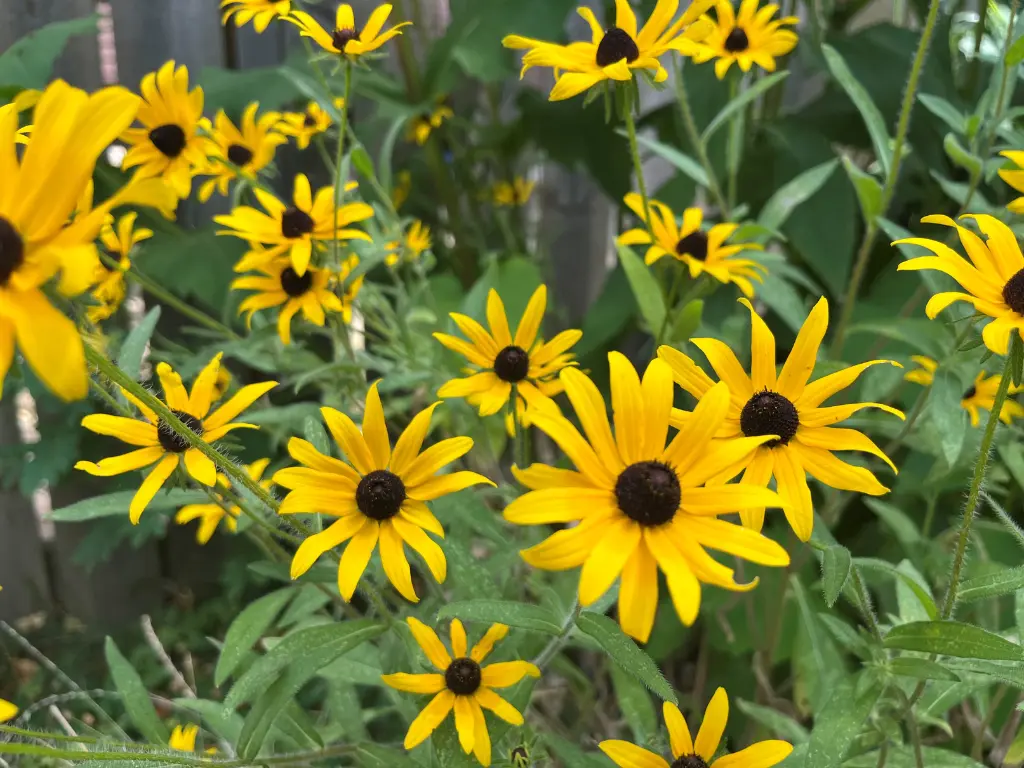
If your dream is to have a yard that radiates pure sunshine, Black-Eyed Susan is the reliable worker you need. This cheerful perennial features bright yellow petals surrounding a dark, chocolate-colored center. It doesn’t just tolerate the July heat—it celebrates it, blooming continuously from mid-summer straight into the first frost.
For gardeners looking to fill a large, empty border with a massive splash of color, this is the go-to choice for creating a “golden wall” that laughs at drought.
Care Tips: While highly drought-tolerant once established, your new July planting needs consistent water for the first two weeks. Plant them on the windward side of your garden where their sturdy stems can dance in the summer breeze without snapping.
3. Butterfly Milkweed (Asclepias tuberosa)
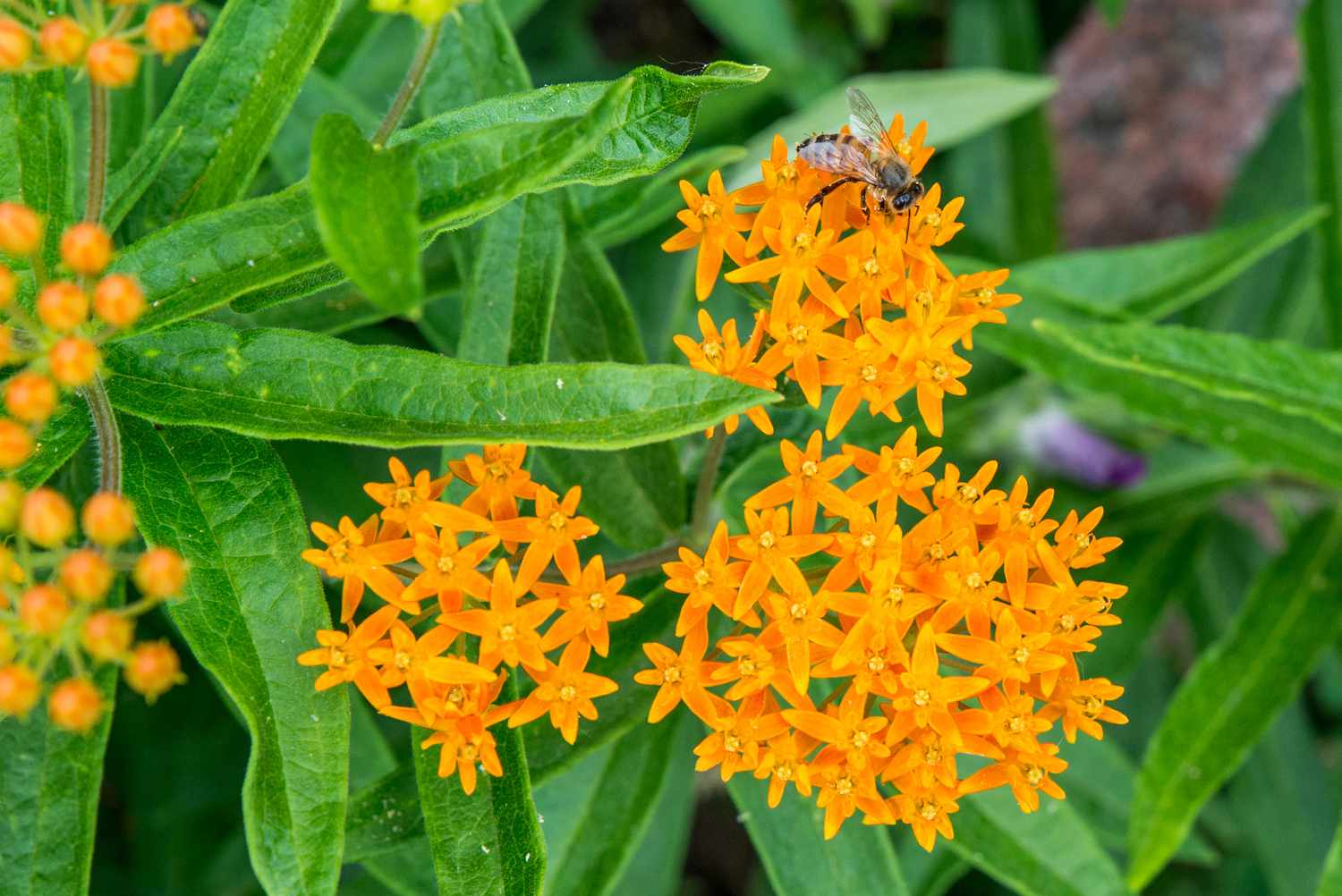
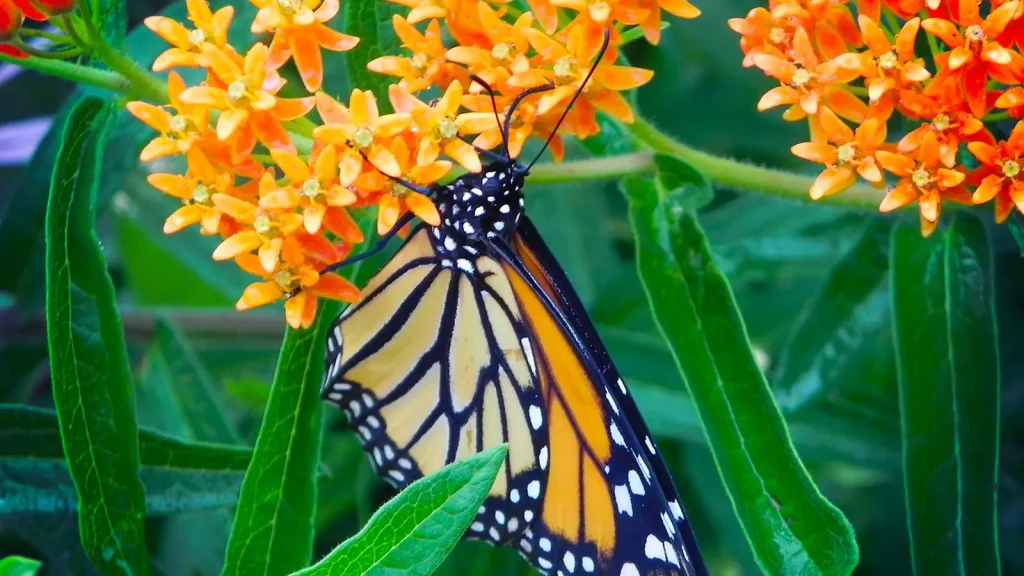
If you want to turn your mid-summer garden into a bustling, vibrant airport for monarch butterflies, Butterfly Milkweed is your absolute ticket. Unlike its wild, aggressively spreading roadside cousins, this well-behaved native perennial puts on a jaw-dropping show with clusters of electric-orange flowers that look like tiny bursts of fireworks. It is the gold standard for anyone looking to build a backyard ecosystem that refuses to quit when the July heatwaves hit.
Because it is a prairie native at heart, it develops a massive taproot that acts like an underground water reservoir. This makes it a certified drought warrior, perfectly suited for those baking, windy corners of your yard where lesser plants would shrivel up and pass out.
Care Tips: Give this sun-worshiper a “VIP seat” in a spot that gets at least 6 to 8 hours of blistering sun. A critical pro-tip for beginners: pick its home carefully. Because of that deep taproot, Butterfly Milkweed absolutely hates being dug up or moved once it sets its feet in your soil.
4. Russian Sage (Salvia yangii)
If you love the look of lavender but live in an area with high humidity or poor soil, meet your new best friend. Russian Sage is nearly indestructible. It produces airy spires of smoky-blue flowers atop silvery-green foliage, creating a cool, refreshing mist effect in the middle of a hot summer day.
It’s perfect for adding height to the back of your garden beds or softening the look of a harsh stone wall.
Care Tips: This variety loves a baking, sharp-draining spot. A pro-tip for a polished look: give it plenty of elbow room. It grows into a wide, sprawling shrub-like perennial, so don’t crowd it with other plants or it might lose its sturdy structure.
5. Lantana (Lantana camara)
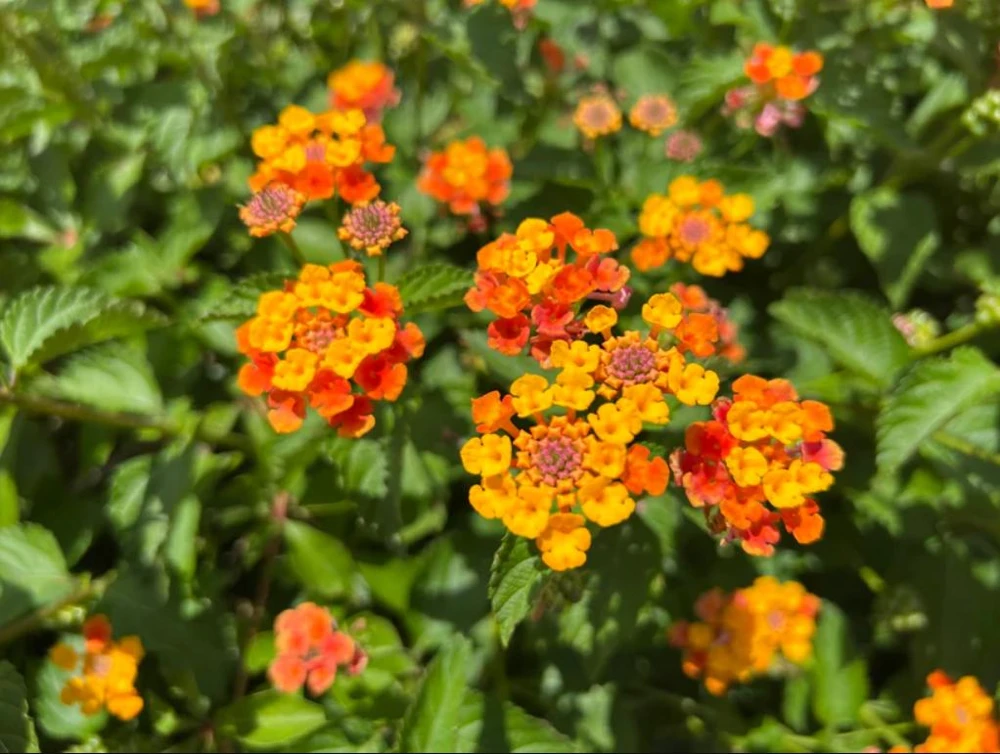
For those living in the Deep South or desert climates, July can feel like an oven. Lantana is the answer to your summer blues. Technically a tender perennial (it acts as an annual in cold northern states), this plant is a certified heat magnet. The hotter it gets, the more it blooms, producing clusters of vibrant, color-shifting flowers in shades of neon pink, yellow, and orange.
Care Tips: Lantana is incredibly versatile and works beautifully as a cascading element in patio pots or as a sprawling groundcover. Just give it full sun and watch its “bloom factory” go to town.
6. Yarrow (Achillea millefolium)
If you prefer a texture that is “soft and feathery” rather than “heavy and bold,” Yarrow is a hidden gem. With its fern-like foliage and flattened flower heads available in shades of yellow, red, and pastel pink, this historical herb offers a sophisticated, cottage-core look that stands up to severe neglect and intense heatwaves.
Care Tips: Yarrow is an excellent choice for erosion control on sunny hillsides. It is highly pest and deer-resistant due to the aromatic oils in its leaves. Avoid over-fertilizing this one, as too much food actually makes the stems floppy.
7. Stonecrop (Sedum)
If you want to bring a touch of structural, modern elegance to your summer garden, Autumn Joy Sedum (or any upright Stonecrop) is the gold standard of resilient luxury. This succulent-style perennial stores water in its thick, rubbery green leaves, making it completely immune to July droughts.
While it spends early summer building lush, broccoli-like green heads, by late summer and fall, those heads open into beautiful, velvety pink-to-rust-colored floral clusters.
Care Tips: This diva-free plant thrives in full sun to partial shade and requires almost no attention. Plant it in well-draining soil, mulch it lightly to keep weeds at bay, and let it do its thing.
How to Plant in July Without Killing Your Plants
Before you run out to your local nursery and buy up these sun-worshipers, planting in July requires a strategy. Failure to follow these three rules usually results in a dead plant before August arrives.
-
The Golden Hour Rule: Never plant in the middle of the day when the sun is beating down. The shock will fry your new investment. Instead, plant in the late evening right as the sun is going down, giving the perennial a full, cool night to adjust to its new home.
-
The Muddy Welcome: Don’t just dig a hole, drop the plant in, and sprinkle water on top. Dig your hole, fill it entirely with water, and let it drain completely before putting the plant in. This ensures the surrounding deep soil is thoroughly hydrated.
-
Mulch is Your Shield: July sun evaporates moisture from bare soil in minutes. Add a 2-to-3-inch layer of organic mulch around the base of your new plants (keeping it an inch away from the actual stem) to lock in water and keep the roots cool.
3 Pro-Tips to Beat the July Heat
Getting the perennial into the ground is step one. Helping it explode with growth is step two.
-
Water Deep, Not Often: Sprinkling your plants with a little water every day creates shallow, weak roots. Instead, water them deeply twice a week. Soak the ground so the water penetrates deep into the soil, forcing the roots to grow downward where it’s cooler.
-
Hold the Fertilizer: When a plant is dealing with 95°F heat, it’s under stress. Forcing it to grow rapidly by dumping heavy fertilizer on it is like asking someone to run a marathon in a winter coat. Wait until the weather breaks in late summer to feed them.
-
The Shadow Trick: If you are planting a younger, smaller perennial, give it a little artificial shade for the first 3 to 4 days. Propping an old lawn chair or an umbrella over the new plant during the harshest afternoon hours gives it the breathing room it needs to establish.
Frequently Asked Questions (FAQs)
Can I really plant perennials in July?
Yes, absolutely! As long as you choose heat-tolerant varieties and commit to watering them deeply during their first few weeks, July planting gives them a great head start for fall.
How often should I water new perennials in summer?
For the first two weeks, water them deeply every other day. Once they start putting out new green growth, you can back off to twice a week.
Why are my plant’s leaves turning yellow after planting?
This is usually a sign of transplant shock or overwatering. If the soil is soggy, stop watering. If the soil is bone dry, the plant is thirsty and dropping leaves to conserve energy.
Conclusion
Rescuing your summer garden isn’t about working harder; it’s about picking the right teammates. If you want a tough, succulent-style border that handles neglect, go with Sedum. If you want a romantic, cottage-style feel that butterflies will fight over, Purple Coneflower is your best friend. And if you want bright, unapologetic color that loves the heat, Lantana is the way to go.
There is nothing quite like looking out your window in the dead of July and seeing a yard exploding with life while the rest of the neighborhood has gone brown. It makes that evening glass of iced tea on the porch feel like a true backyard vacation.