
Gardening Tips, Guides
How to Grow Black Pepper Plants: A Complete Care Guide
Jun
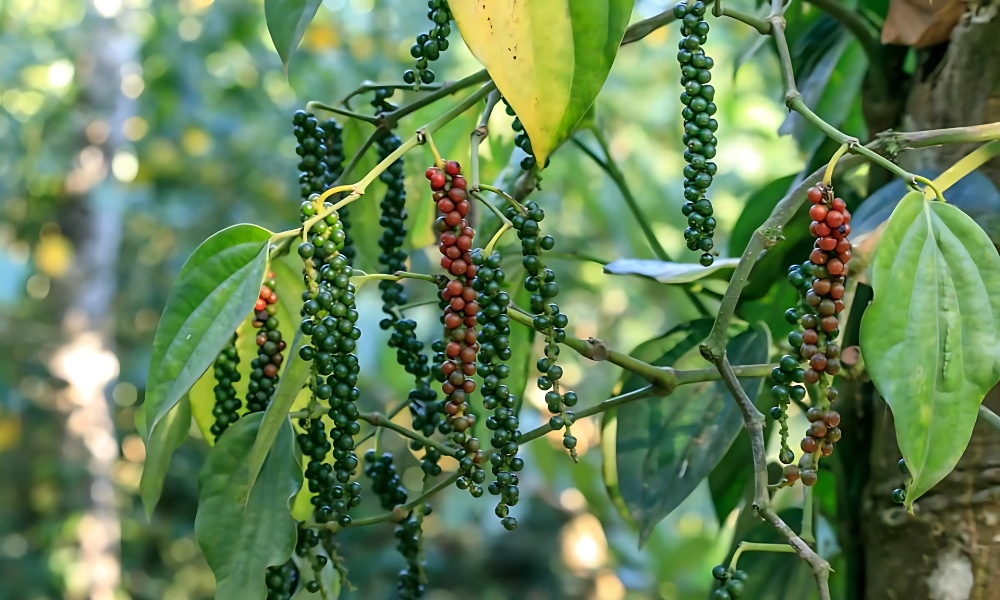
If you’ve ever dreamed of harvesting your very own pantry staples right from your backyard, Piper nigrum (commonly known as the Black Pepper plant) is the exotic addition your collection deserves! Famous for producing the world’s most traded spice, this gorgeous woody climber features lush, almond-shaped green leaves and elegant cascading spikes of peppercorns that add an instant tropical vibe to any space.
While it evokes images of misty, sun-drenched Southern Indian rainforests, the Black Pepper plant is surprisingly easy to grow if you provide the right conditions. In this guide, I’ll walk you through everything you need to know to keep your pepper vine thriving and producing abundant, pungent harvests.
What is Black Pepper (Piper nigrum)?
Black Pepper (Piper nigrum) is a slow-growing, perennial evergreen vine prized for its glossy green foliage and the small, round fruits that cluster along its hanging spikes. Did you know that black, white, and green peppercorns all come from the exact same plant? The color variation simply depends on the maturity of the berry and how it is processed after harvest!
As a true tropical native, the Black Pepper plant thrives in hot, humid environments and typically grows best in USDA hardiness zones 10-11. Because it cannot tolerate freezing temperatures, it makes an outstanding patio plant that can easily spend its summers outdoors and its winters warming up safely inside your home. Whether trained up a moss pole or allowed to drape beautifully from a large container, its striking appearance is guaranteed to delight any plant lover.
Read more about our list of the Top 12 Best Types of Peppers to Grow in Your Garden: Easy and High Yield for a Flavorful Kitchen Garden to find your next favorite.
How to Plant Black Pepper Plants
To give your Black Pepper plant the best start in life, you’ll want to focus on creating an environment that closely mimics the warm, damp floor of a tropical jungle. Providing adequate support and the correct soil structure early on will encourage your vine to climb and establish a strong root system rapidly.
Choosing the Perfect Location
Black Pepper plants are lovers of warmth, but in their native habitat, they grow under the canopy of taller trees. To keep them happy, pick a spot that receives bright, indirect sunlight or filtered light for at least 6 hours a day. While they love heat, intense, direct afternoon sun can cause their lush leaves to get “sunburned.” A location with high humidity and gentle air movement is ideal for keeping the foliage vibrant and healthy.
The Ideal Soil Mix
The golden rule for a happy pepper vine is excellent drainage. These plants love consistent moisture but their roots will quickly rot if forced to sit in heavy, waterlogged mud.
-
For Garden Planting: Work generous amounts of rich organic compost, leaf mold, or aged manure into your native soil to enhance both its nutrient level and drainage capability.
-
For Containers: Combine a premium loam-based potting mix with organic compost and a healthy dose of perlite or orchid bark. Aim for a slightly acidic soil pH between 5.5 and 6.5 for ideal nutrient absorption.
Step-by-Step Planting Guide
-
Prepare the Container or Hole: Choose a spacious pot with plenty of drainage holes, or dig a garden hole that is twice as wide as the current root ball and just as deep.
-
Position the Plant: Gently wiggle the vine out of its nursery pot. If the roots are tightly bound or coiled, gently tease them outward with your fingers. Place the plant so the top of its root ball sits perfectly flush with the surrounding soil level.
-
Backfill and Secure: Fill the empty space around the roots with your nutrient-rich amended soil mix. Press down gently with your hands to eliminate large air pockets, being careful not to pack it so hard that you bruise the delicate roots.
-
The First Drink: Immediately after planting, give your pepper vine a deep, thorough watering. This helps settle the soil around the roots and minimizes transplant shock.
💡 Tip: Black Pepper is a natural climber! Always install a sturdy moss pole, trellis, or totem at the exact time of planting to give the aerial roots an immediate surface to cling to without disturbing them later on.
Caring for Black Pepper Plants
Watering
Black Pepper plants love a humid, consistently damp environment, but they absolutely hate “wet feet.” During the hot summer growing season, keep the soil evenly moist; never let it dry out completely. Container-grown vines dry out much faster than those in the ground, so check the soil moisture daily. When winter arrives, and the plant’s growth naturally slows down, dial back your watering schedule. Allow the top inch of soil to dry out completely before giving it another drink to ensure the roots stay rot-free.
Fertilizing
Because these vines produce flower spikes and fruit clusters throughout the warm months, they require steady energy. Feed your plant every 2 to 3 weeks from early spring until the end of autumn using a balanced, water-soluble fertilizer. To encourage heavier fruit sets, look for an organic formula with a slightly higher potassium and phosphorus level, which stimulates abundant spike development and keeps the leaves a deep, emerald green.
Pruning
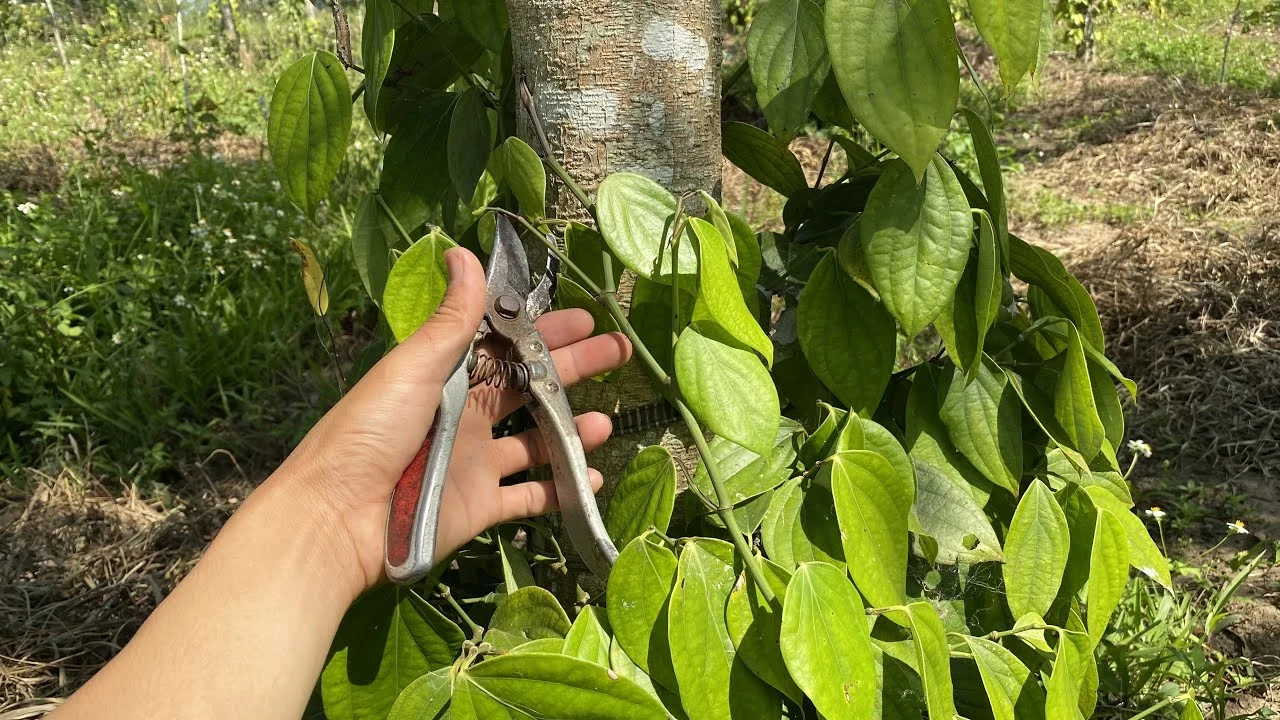
Don’t be shy with your garden shears! Light pruning is an excellent way to keep your vine looking tidy and to encourage a bushier habit. In late winter or early spring, trim back any overly leggy stems or dead wood. This triggers the vine to push out fresh, vigorous lateral branches, and as we know, more branches mean more flowering spikes for the next harvest season!
Supporting the Vine
As a true climbing vine, Black Pepper utilizes small adventitious roots along its nodes to anchor itself to vertical surfaces. Keep your support structures (like a coco coir pole) lightly misted with water; this encourages the vine’s aerial roots to grip tightly and climb upward. If the stems begin to wander, gently loop and tie them to the support using soft plant ties to guide them.
Overwintering Black Pepper
Since this is a tender tropical plant, it needs extra protection when temperatures drop. If you live in zones 10-11, your plant can stay outdoors with a thick layer of organic mulch, like wood chips or straw, around the base to insulate the roots from brief chilly spells. For anyone in zone 9 or below, you must bring your pepper plant indoors before nighttime temperatures dip below 55°F (13°C). Place it in your sunniest window, run a humidifier nearby, and cut back on watering while the vine enjoys its cozy winter “nap.”
Troubleshooting Common Pepper Issues
Even the most attentive indoor and outdoor gardeners face occasional issues. Here is how to keep your vine on track:
-
Yellowing Leaves: This is almost always a sign of overwatering or poor drainage. Reduce your watering frequency and ensure your pot isn’t holding stagnant water at the bottom.
-
Small White Granules on Leaf Backs: Don’t panic! These are completely normal “pepper exudates” or tiny crystalline droplets produced naturally by the plant’s pores. They are not pests or signs of disease.
-
Drop of Flower Spikes: Often caused by sudden temperature shifts, cold drafts, or the soil drying out too much while the plant is trying to form fruit. Keep environmental conditions as consistent as possible.
Harvesting Your Peppercorns
A mature Black Pepper vine is a sensory masterpiece. After successful pollination, the hanging flower spikes transform into tight clusters of small, green berries. Harvesting is a rewarding process that depends entirely on what type of spice you want to create:
-
Green Pepper: Harvest the berries when they are fully grown but still completely green. These have a fresh, mild flavor and are often pickled.
-
Black Pepper: Wait until the berries just begin to turn a yellowish-red color. Pick the whole spike and dry them in the sun for several days until they shrivel, harden, and turn black.
-
White Pepper: Let the berries ripen completely on the vine until they turn bright red. Soak the ripe berries in water to remove the outer fleshy skins, then dry the inner seed until it turns creamy white.
Frequently Asked Questions (FAQs)
1. How long does it take for a Black Pepper plant to fruit?
Patience is key! A young vine grown from a cutting will typically begin flowering and producing peppercorns in about 2 to 3 years, provided it receives ample warmth, humidity, and light.
2. Can I grow Black Pepper entirely as a houseplant?
Absolutely! It adapts beautifully to indoor living. Just ensure it sits in a bright, south- or west-facing window or under a quality grow light. Using a pebble tray filled with water or a room humidifier will keep the surrounding air tropical and moist.
3. Why is my vine growing leaves but no fruit spikes?
This is usually caused by insufficient light or too much nitrogen fertilizer (which promotes leaves over fruit). Move your plant to a brighter location with filtered sun and switch to a potassium- and phosphorus-rich fertilizer to encourage fruiting.
4. Is the Black Pepper plant toxic to household pets?
While true black pepper (Piper nigrum) vines are generally considered non-toxic to dogs and cats, consuming large amounts of any raw plant foliage or unripe berries can lead to mild digestive upset. It is always safest to keep your climbing companion out of reach of curious pets.
Conclusion
The Black Pepper plant is truly a crown jewel for any indoor or outdoor edible garden. Its ability to produce lush, glossy evergreen foliage alongside clusters of the world’s favorite spice makes it an incredibly rewarding choice for any plant enthusiast. By providing plenty of filtered sunshine, steady moisture, and a sturdy pole to climb, you can enjoy this exotic jungle beauty right in your own home!
You may like: