
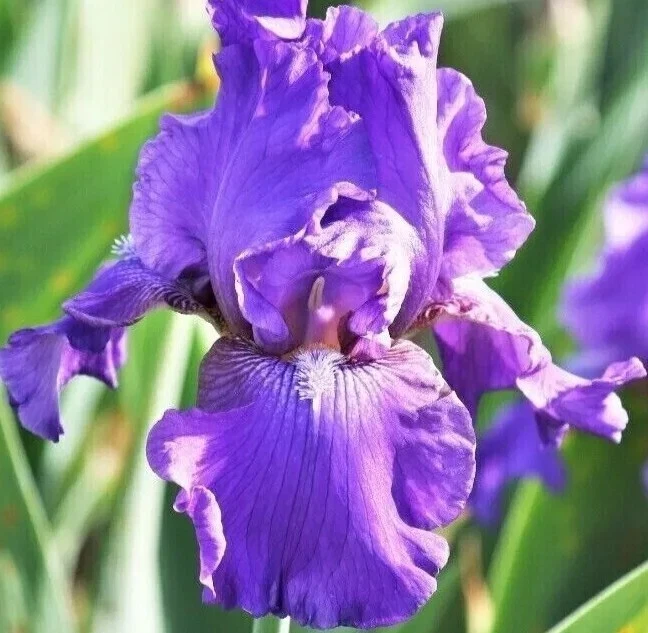
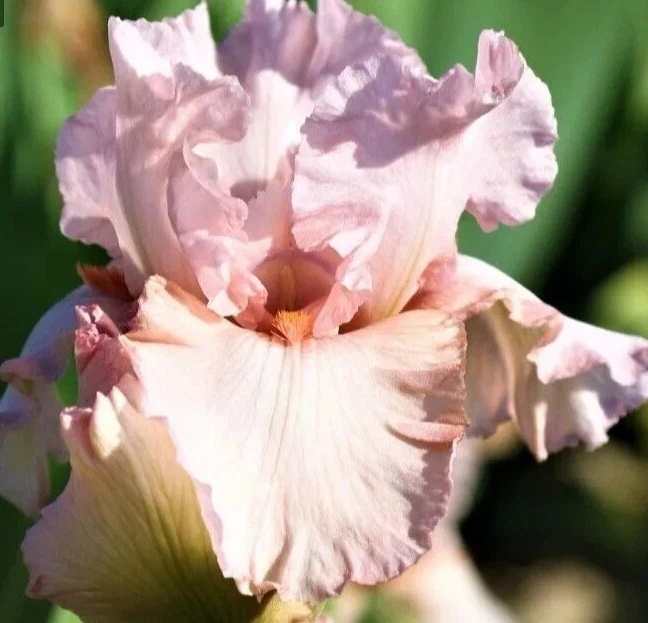
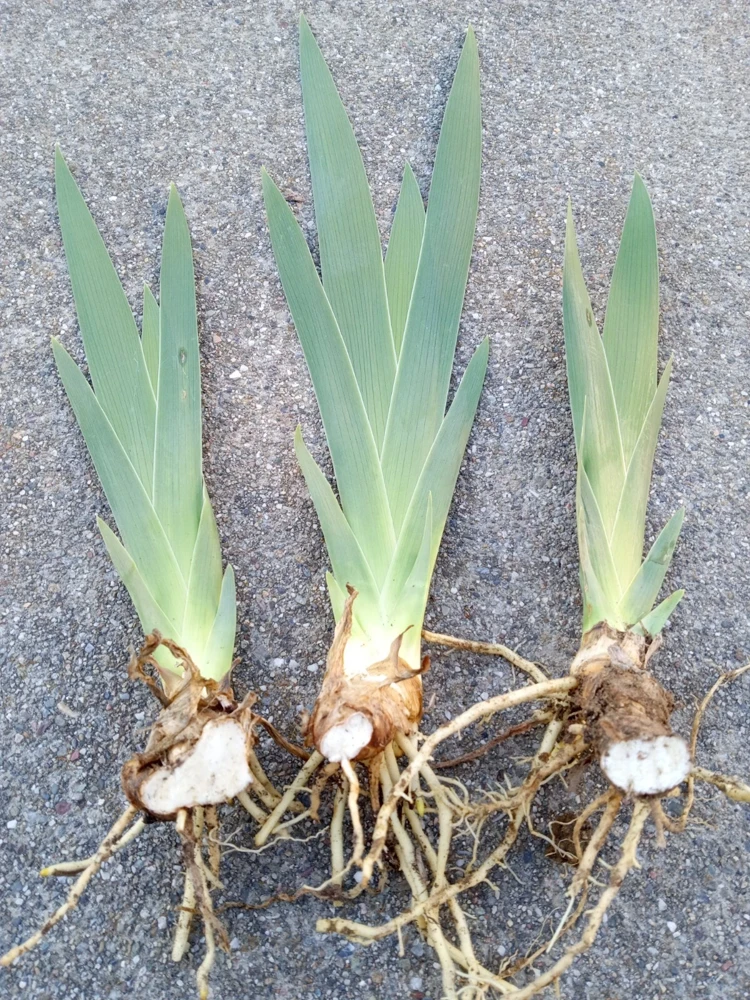
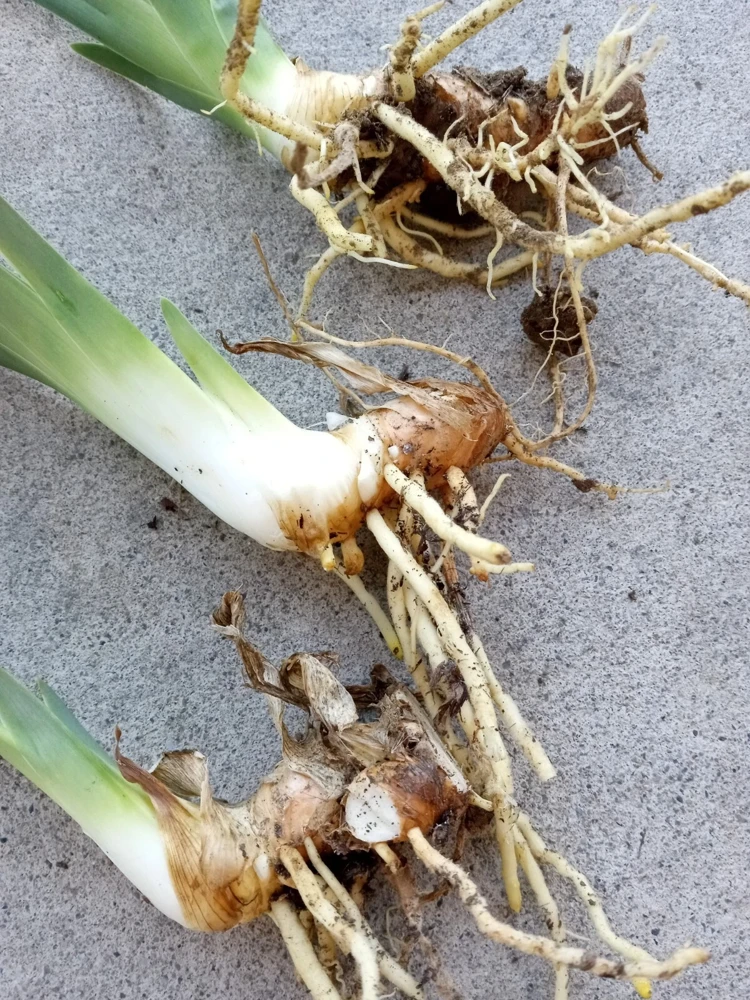
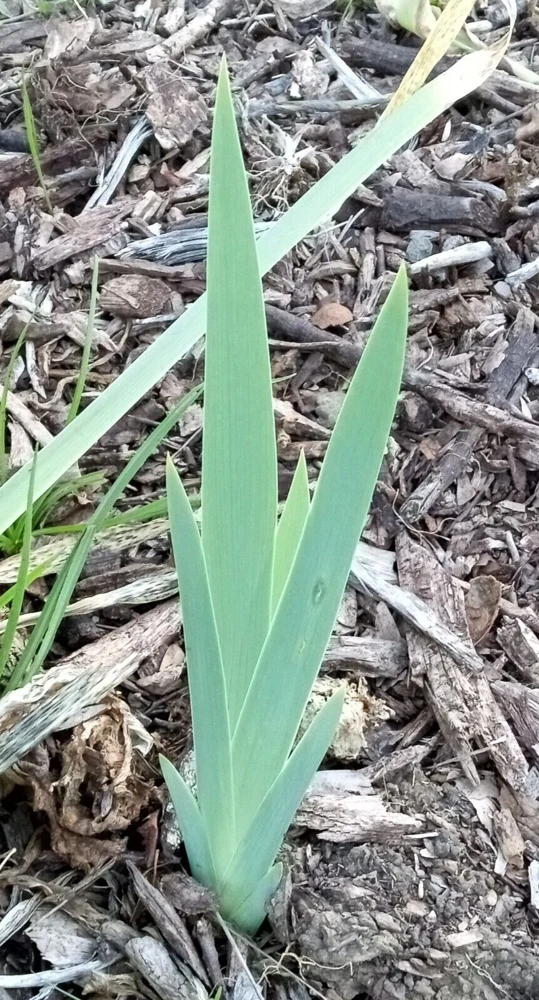
3 Bearded Iris Rhizome Bulbs – Freshly Harvested Perennial Variety Mix – Multicolor
$47.47
Enhance your garden with 3 bearded iris rhizomes, a vibrant multicolor iris variety mix. These freshly harvested perennial bulbs are easy to grow, offering stunning blooms season after season for both indoor and outdoor enjoyment.
Shipping and Return policies:
We stand behind our plants with our Alive & Thrive Guarantee. If you experience any issues within the first 30 days, please email us, and our team will be happy to help. When needed, we’ll send you a one-time replacement free of charge to make sure your garden keeps growing strong.

Reasonable Price
We offer reasonable price

Support 24/7
Contact us 24 hrs a day
100% Money Back
You’ve 30 days to Return
Payment Secure
100% secure payment
Overview
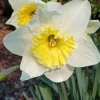
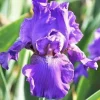
Introduce a burst of color and elegance to your landscape with this collection of 3 bearded iris rhizomes. These freshly harvested perennial bulbs promise a spectacular display of vibrant, multi-hued flowers, making them a gardener’s delight. Known for their distinctive “beards” of soft, fuzzy hairs on their lower petals, bearded irises are among the most popular and recognizable garden flowers. This variety mix ensures a diverse and captivating show, transforming your garden beds, borders, or containers into a work of art. As a robust perennial, these bearded iris bulbs will return year after year, offering reliable beauty with minimal effort.
The Iris genus, with its Greek name meaning ‘rainbow’, truly lives up to its name, offering an incredible spectrum of colors. These specific iris perennial plants are perfect for adding vertical interest and a touch of sophistication to any garden design. Whether you’re an experienced horticulturist or just starting your gardening journey, these rhizomes provide an accessible entry point to cultivating breathtaking blooms. Prepare to enjoy the delightful presence of these magnificent flowers from spring through early summer.
Key Benefits
Cultivating bearded iris rhizomes in your garden offers numerous advantages, from their visual appeal to their hardiness and ease of care. These versatile plants are a fantastic addition to almost any outdoor space, providing lasting beauty and enjoyment.
- Spectacular Blooms: Each rhizome produces stunning, intricate flowers in a beautiful variety of colors, ranging from delicate pinks to rich purples, ensuring a vibrant and diverse display. The unique form of the multicolor iris adds architectural interest.
- Perennial Longevity: As true perennials, these iris bulbs will return year after year, often increasing in number, providing a continuous source of beauty without the need for annual replanting. This makes them a cost-effective and sustainable choice for your garden.
- Easy to Grow: Known for their resilience, these bearded iris rhizomes are remarkably easy to care for, thriving in various climates and soil types. Their low maintenance nature makes them ideal for both novice and experienced gardeners.
- Drought Resistant: Once established, bearded irises are quite drought-tolerant, requiring less frequent watering compared to many other flowering plants, making them suitable for water-wise gardening.
- Pest and Disease Resistant: These robust plants generally exhibit good resistance to common garden pests and diseases, ensuring a healthier and more vigorous growth with less intervention.
- Versatile Landscaping: Perfect for borders, mass plantings, rock gardens, or as focal points, these iris perennial plants adapt well to different garden settings, enhancing curb appeal and garden aesthetics.
- Attracts Pollinators: The vibrant flowers attract beneficial pollinators like bees and butterflies to your garden, contributing to a healthy ecosystem.
Plant Care & Growing Tips
Successful growing bearded iris relies on understanding their basic needs, primarily ample sunlight and well-drained soil. These hardy perennials are quite forgiving, but providing optimal conditions will result in the most spectacular blooms. For best results, plant your bearded iris rhizomes in a location that receives at least six hours of full sunlight per day. Good air circulation is also crucial to prevent fungal issues. When planting, ensure the top of the rhizome is barely covered by soil, or even slightly exposed, as deep planting can inhibit flowering.
Watering should be consistent after planting to help establish the roots, but once established, bearded irises are remarkably drought-tolerant. Overwatering is a common mistake and can lead to rhizome rot, so allow the soil to dry out between waterings. They thrive in well-draining soil types such as loam, sand, or even clay, provided there’s good drainage. Fertilize sparingly in early spring with a low-nitrogen fertilizer, as too much nitrogen can promote foliage growth at the expense of flowers. Deadhead spent blooms to encourage more flowering and prevent seed formation, which diverts energy from rhizome development. Dividing your iris perennial plants every 3-5 years will help maintain their vigor and flowering capacity.
Bearded irises are suitable for a wide range of climates (Humid Subtropical, Marine West Coast, Mediterranean, Semiarid, Tropical Wet & Dry) and are cold-resistant, making them a resilient choice for many gardens. They are known for easy cultivation, making the process of growing bearded iris a rewarding experience for gardeners of all skill levels. Pay attention to signs of common issues, such as soft spots on rhizomes indicating rot, and address them promptly by removing affected parts and ensuring better drainage.
Size & Details
This offering includes 3 bearded iris rhizomes, freshly harvested and ready for planting. Each rhizome is a robust, rooted bulb, ensuring a strong start for your new plants. While individual rhizome sizes may vary slightly, they are selected for their health and potential to produce vigorous growth and abundant blooms. Once established, these iris perennial plants will develop into clumping growth habits, typically reaching heights of 24-36 inches with a similar spread, depending on the variety and growing conditions. They are suitable for both indoor and outdoor cultivation, though outdoor planting generally yields larger, more prolific displays.
Expect these bearded iris bulbs to establish quickly and begin flowering in their first or second season, with peak bloom typically occurring in spring. Their fast-growing nature means you won’t have to wait long to enjoy their spectacular display. The variety mix ensures a diverse range of colors, including pink, purple, and other multicolor options, adding dynamic visual interest to your garden. These robust plants are an excellent investment for long-term garden beauty, returning year after year with increasing splendor.
Frequently Asked Questions
- Q: How big do these bearded iris rhizomes get? A: Once established, these perennial iris plants typically grow to a height of 24 to 36 inches, with a similar spread, forming attractive clumps in your garden. Their size can vary slightly depending on environmental conditions and specific varieties within the mix.
- Q: Is this an indoor or outdoor plant? A: These bearded iris rhizomes are primarily outdoor plants, thriving in garden beds and borders. However, they can be grown in large containers indoors if provided with ample sunlight and proper care, though outdoor cultivation is generally recommended for best bloom production.
- Q: How much sunlight do iris perennial plants need? A: Bearded irises require at least 6 hours of full sunlight per day to produce abundant blooms. While they can tolerate some partial shade, too little sun will result in fewer flowers and weaker growth.
- Q: Is this plant easy to care for? A: Yes, these bearded irises are known for their easy cultivating difficulty. They are quite hardy and drought-resistant once established, making them a great choice for both beginner and experienced gardeners.
- Q: What condition will the bearded iris bulbs arrive in? A: Your order will contain 3 bearded iris rhizomes that are freshly harvested, rooted, and ready for immediate planting. They are carefully packaged to ensure they arrive in healthy condition, prepared for successful establishment in your garden.
- Q: When is the best time to plant these multicolor iris rhizomes? A: The ideal time for planting bearded iris rhizomes is typically in late summer to early fall, giving them enough time to establish roots before winter. However, they can also be planted in early spring after the last frost, especially in warmer climates.
- Q: Will these iris perennial plants survive winter in my zone? A: Bearded irises are cold-resistant perennials and are suitable for a wide range of USDA hardiness zones. They naturally go dormant in winter and return vigorously in spring, making them a reliable choice for many climates.
- Q: What type of soil is best for growing bearded iris? A: Bearded irises prefer well-draining soil. While they can tolerate various soil types including clay, loam, and peat, good drainage is crucial to prevent rhizome rot. Amending heavy soils with organic matter can improve drainage.
- Q: How often should I water my bearded irises? A: After initial planting and establishment, bearded irises require medium watering. Allow the soil to dry out completely between waterings, as they are susceptible to rot if kept too wet. They are quite drought-tolerant once mature.
- Q: What colors can I expect from the multicolor iris variety mix? A: This variety mix includes a range of colors, commonly featuring shades of pink and purple, along with other multicolor combinations. Each bloom offers a unique and vibrant display, ensuring a diverse and beautiful garden.
Be the first to review “3 Bearded Iris Rhizome Bulbs – Freshly Harvested Perennial Variety Mix – Multicolor”
You must be logged in to post a review.
People also Viewed
Sold 50 products
$32.38
Sold 50 products
$27.38
Sold 50 products
$32.38
Sold 50 products
$19.88
Sold 50 products
$62.38
Sold 50 products
$24.88
Houseplants
Phalaenopsis pulcherrima ‘Mauna Kea Snow’ Orchid Live Plant – White Flowers, Potted 2.5 in
Sold 50 products
$49.88
Sold 50 products
$49.88RELATED posts
Awapuhi Wild Ginger Plant: Zones, Care, and Propagation
Learn which USDA zones suit awapuhi wild ginger, plus sunlight, water, planting, propagation, pests, size, [...]
Awapuhi Shampoo Ginger – Care, Growing Zones, and Differences
Learn how to grow awapuhi (shampoo) ginger, its USDA zones, watering schedule, propagation tips, and [...]
Awapuhi Shampoo Plant Buying Guide – Choose the Right Zingiber zerumbet
META: Learn which awapuhi (shampoo ginger) plant or rhizome pack gives the best natural shampoo, [...]
Awapuhi Plant for Sale: Complete Buying Guide
Find the right awapuhi (shampoo ginger) plant, size, price, soil mix, and online source. Practical [...]
Shampoo Ginger Plant for Sale – Buying Guide & Tips
Find the right shampoo ginger plant, size, price, and care tips. Quick guide for U.S. [...]
Shampoo Ginger Plant (Awapuhi) Care Guide
Learn how to grow, care for, and use shampoo ginger (Zingiber zerumbet), the tropical awapuhi [...]
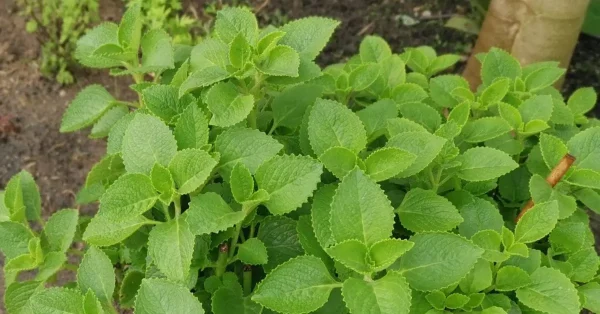
How to Grow Cuban Oregano Plants: A Complete Care Guide
If you’ve ever wanted a plant that combines the culinary punch of traditional oregano with [...]
Aug
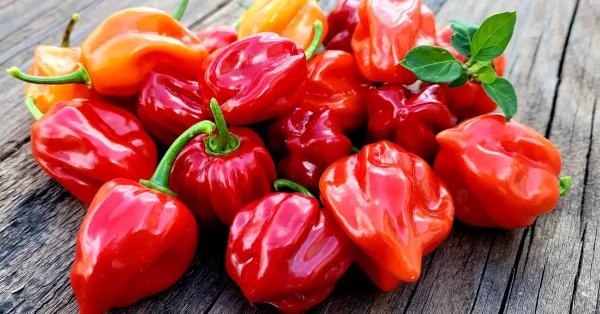
How to Grow Habanero Pepper Plants: A Step-by-Step Guide
Habanero pepper plants are prized for their vibrant colors, intense heat, and exceptional flavor, making [...]
Aug
Reviews
There are no reviews yet.