
25+ White Cranesbill Geranium Seeds – Hardy Perennial Flower for Gardens
Original price was: $19.96.$15.96Current price is: $15.96.
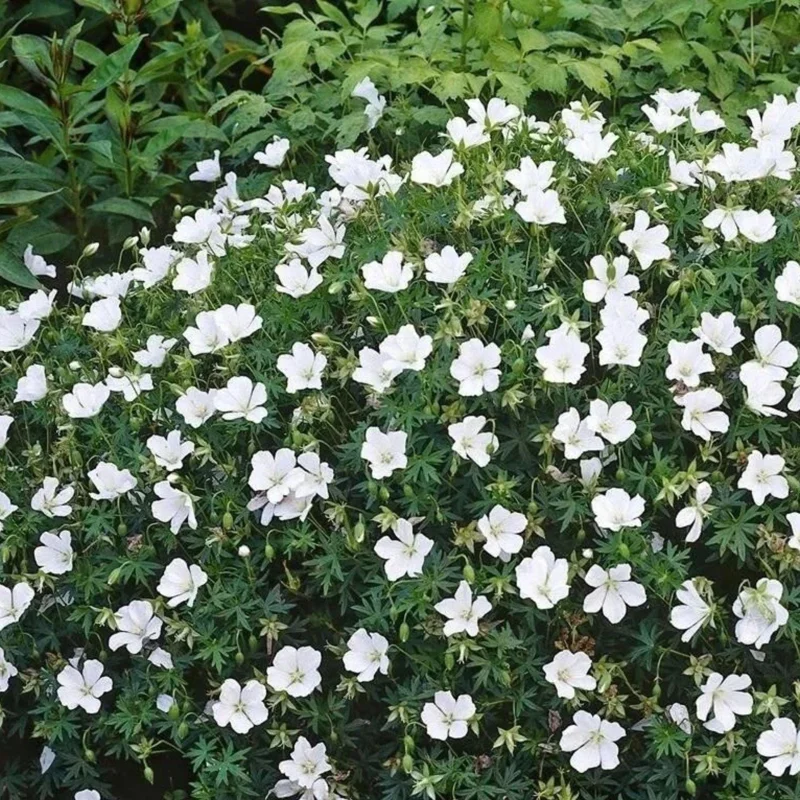
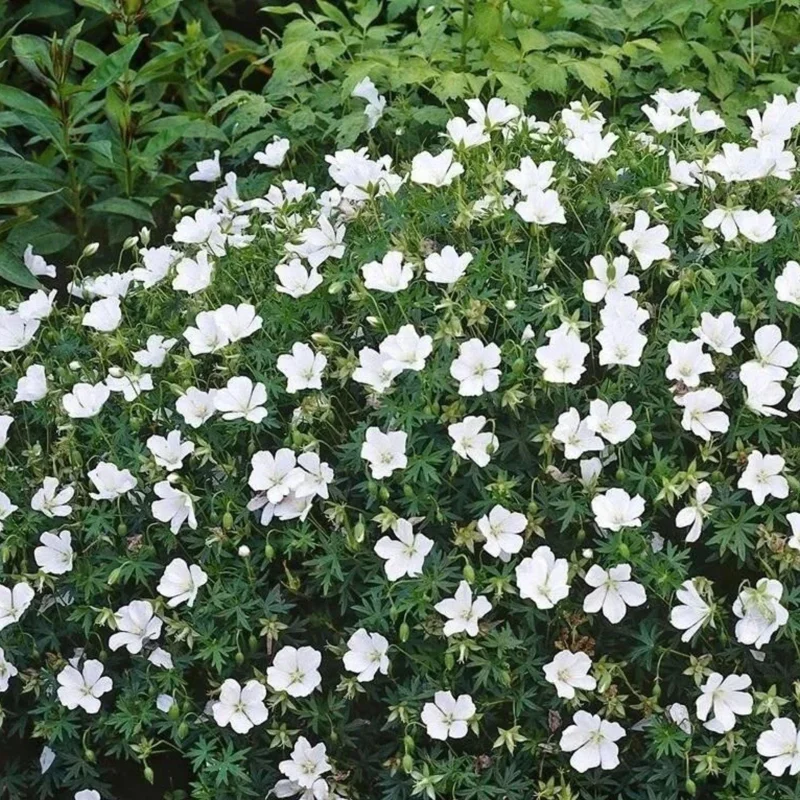
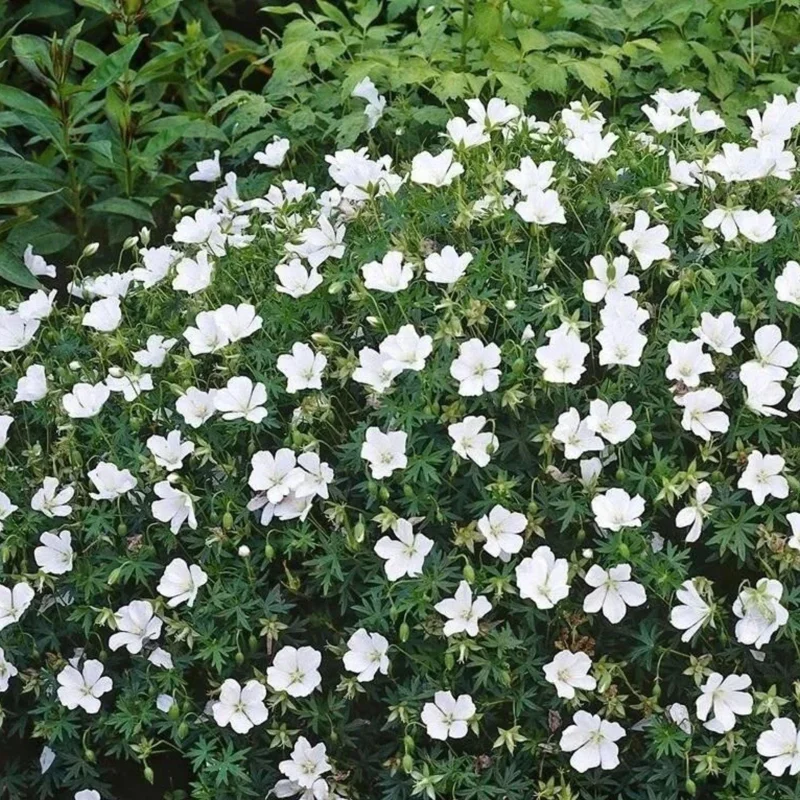
Cultivate elegant white cranesbill geranium seeds (Geranium sanguineum ‘Album’) for a stunning addition to your garden. These hardy perennial flower seeds produce delicate white blooms, ideal for borders, rock gardens, and containers. Enjoy the beauty of this low-maintenance ornamental.
Shipping and Return policies:
We stand behind our plants with our Alive & Thrive Guarantee. If you experience any issues within the first 30 days, please email us, and our team will be happy to help. When needed, we’ll send you a one-time replacement free of charge to make sure your garden keeps growing strong.

Reasonable Price
We offer reasonable price

Support 24/7
Contact us 24 hrs a day
100% Money Back
You’ve 30 days to Return
Payment Secure
100% secure payment
Overview
Transform your garden with the timeless elegance of white cranesbill geranium seeds. Also known as Geranium sanguineum ‘Album’, these seeds offer the opportunity to grow a beautiful ornamental perennial appreciated for its delicate white flowers and attractive green foliage. Perfect for adding a touch of classic charm, this variety is a favorite among gardeners seeking reliable and attractive bloomers. Unlike live plants, these seeds provide the satisfaction of nurturing your garden from the very beginning, allowing you to establish a robust display of these lovely flowers.
The White Cranesbill Geranium is a versatile plant that thrives in various garden settings, from formal borders to naturalized rock gardens. Its hardy nature makes it a resilient choice for many climates, providing enduring beauty year after year. Cultivating geranium sanguineum album from seed is a rewarding experience, leading to a garden filled with graceful white blossoms that complement a wide range of other plants and garden styles.
Key Benefits
White cranesbill geranium seeds offer numerous advantages for the home gardener, promising both beauty and ease of care. These benefits make them an excellent choice for creating a vibrant and sustainable outdoor space.
- Elegant White Blooms: Produce an abundance of delicate, pure white flowers that provide a clean and classic aesthetic to any garden setting. These blossoms are perfect for creating serene and sophisticated visual interest.
- Hardy Perennial Nature: As a hardy perennial flower seeds, these plants return year after year, saving you the effort and cost of replanting annually. They are robust and can withstand various environmental conditions, making them a reliable choice.
- Versatile Garden Use: Ideal for a multitude of landscaping applications including cottage gardens, flower borders, rock gardens, and containers. Their adaptable growth habit allows them to fit seamlessly into diverse designs.
- Attractive Foliage: Beyond their beautiful flowers, the plants feature decorative green foliage that remains appealing throughout the growing season, providing continuous texture and color even when not in bloom.
- Pollinator Friendly: The delicate flowers attract beneficial pollinators like bees and butterflies, contributing to the health and biodiversity of your garden ecosystem.
- Low Maintenance: Once established, white cranesbill geranium seeds require minimal care, making them an excellent choice for both experienced and novice gardeners. They are generally resistant to common pests and diseases.
- Drought Tolerance: These plants exhibit good drought tolerance once mature, reducing the need for frequent watering and making them suitable for water-wise gardening practices.
Plant Care & Growing Tips
Growing white cranesbill geranium seeds (Geranium sanguineum ‘Album’) is a rewarding experience with proper care. These hardy perennials are relatively easy to establish and maintain, providing years of beautiful blooms. Begin by sowing the seeds in well-draining soil, which is crucial for preventing root rot and ensuring healthy growth. Many Geranium varieties, including Geranium sanguineum, benefit from cold stratification before planting. This process mimics natural winter conditions and helps break seed dormancy, leading to better germination rates. You can achieve this by placing the seeds in a moist medium in the refrigerator for several weeks before planting.
Once stratified, sow the seeds lightly, covering them with a thin layer of growing medium. Maintain consistent soil moisture, ensuring the soil is moist but never waterlogged. Overwatering can be detrimental to young seedlings. For light, white cranesbill geranium seeds prefer full sun to partial shade. In hotter climates, partial shade can protect the plants from intense afternoon sun, which might scorch their leaves. Allow seedlings to establish a strong root system before transplanting them to their final garden location. Regular watering is vital during the establishment phase, but mature plants become more drought-tolerant. Fertilize sparingly with a balanced, slow-release fertilizer if your soil is poor, typically in early spring.
Monitor your plants for common issues, though growing cranesbill geranium is generally robust. Ensure good air circulation to prevent fungal diseases, especially in humid conditions. Deadheading spent flowers can encourage more blooms and maintain a tidy appearance. These hardy perennial flower seeds will mature into resilient plants that can tolerate a range of conditions, making them a reliable and beautiful addition to your landscape. Understanding how to plant and care for white geranium seeds properly will ensure a thriving and vibrant display.
Size & Details
This offering includes 25+ white cranesbill geranium seeds, providing ample opportunity to establish a beautiful patch of these hardy perennials. Each seed is intended for planting and will develop into an ornamental flowering plant. Mature White Cranesbill Geraniums typically grow to a height of 12 to 18 inches and spread similarly, forming attractive mounds of foliage adorned with delicate white flowers. The plants have green, decorative foliage that provides continuous visual interest throughout the growing season.
Expected flowering time generally occurs from late spring through summer, with blooms appearing once the plants have matured from seed. The growth rate is moderate, with plants typically establishing well in their first year and reaching their full size and blooming potential in subsequent years. These white geranium seeds are shipped as a packet of seeds, not live plants, giving you the flexibility to start them at the optimal time for your local climate. Follow the recommended growing instructions for best results, including any necessary cold stratification to ensure successful germination.
Frequently Asked Questions
- Q: How big does this plant get from these white cranesbill geranium seeds? A: White Cranesbill Geraniums typically grow to about 12-18 inches tall and spread equally wide, forming a compact, mounding perennial once mature.
- Q: Is this an indoor or outdoor plant? A: This is primarily an outdoor perennial plant, well-suited for garden beds, borders, and rock gardens. While you can start the white cranesbill geranium seeds indoors, the mature plant thrives outdoors.
- Q: How much sunlight does it need? A: White Cranesbill Geraniums prefer full sun to partial shade. In regions with intense summer heat, providing some afternoon shade will help the plant thrive.
- Q: Is this plant easy to care for? Is it good for beginners? A: Yes, growing cranesbill geranium is considered relatively easy to care for once established, making it a good choice for both experienced and beginner gardeners. It’s quite hardy and low maintenance.
- Q: What condition will the seeds arrive in? A: You will receive a packet containing 25+ high-quality geranium sanguineum album seeds, ready for planting. They are not live plants but seeds intended for cultivation.
- Q: How long until it blooms after planting the seeds? A: While germination can vary, plants grown from hardy perennial flower seeds typically take one to two seasons to reach maturity and begin flowering. Patience will be rewarded with beautiful blooms.
- Q: Will it survive winter in my zone? What’s the minimum temperature? A: White Cranesbill Geraniums are hardy perennials, generally suitable for USDA Zones 4-8. They are resilient to cold temperatures within these zones and will typically return each spring.
- Q: Do these white geranium seeds require cold stratification? A: Yes, many Geranium seeds, including this variety, benefit from a period of cold stratification to improve germination rates. This mimics natural winter conditions and helps break dormancy.
- Q: Can these be grown in containers? A: Absolutely! White Cranesbill Geraniums adapt well to containers, provided they have good drainage and sufficient space for root development. This is a great option for patios or smaller spaces.
- Q: What is the best time to plant these white cranesbill geranium seeds? A: The best time to plant, especially after cold stratification, is in early spring after the last frost date, or you can start them indoors several weeks before the last frost.
Be the first to review “25+ White Cranesbill Geranium Seeds – Hardy Perennial Flower for Gardens”
You must be logged in to post a review.
People also Viewed

Sold 50 products
Original price was: $109.95.$79.98Current price is: $79.98.
Sold 50 products
Original price was: $25.00.$17.50Current price is: $17.50.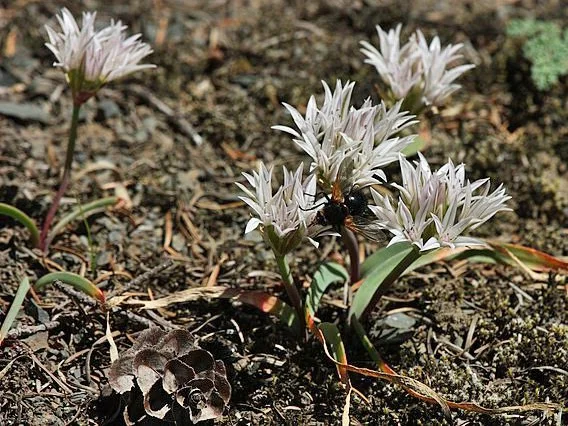
Flower Seeds
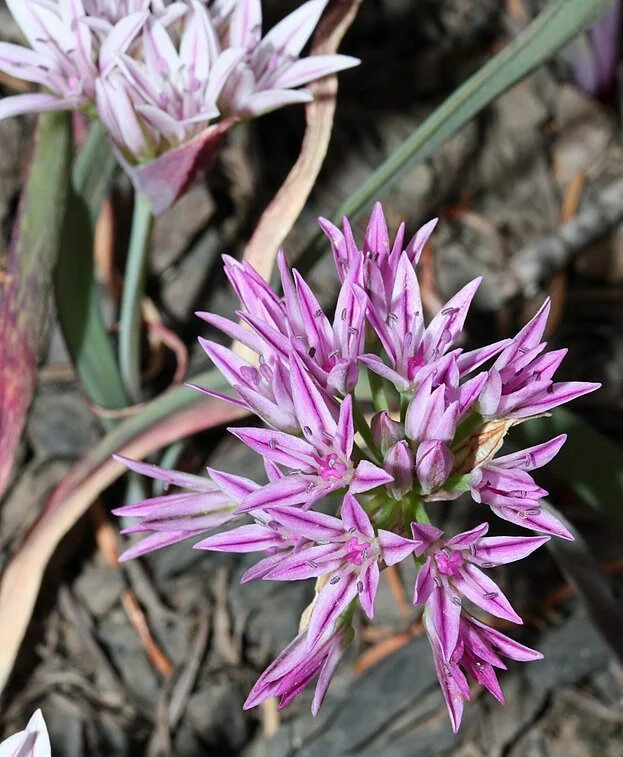
Olympic Onion Seeds – Allium crenulatum Flower Seeds – 10 Seed Pack – Outdoor Native Plant
Sold 50 products
Original price was: $25.00.$17.50Current price is: $17.50.
Sold 50 products
Original price was: $25.00.$17.50Current price is: $17.50.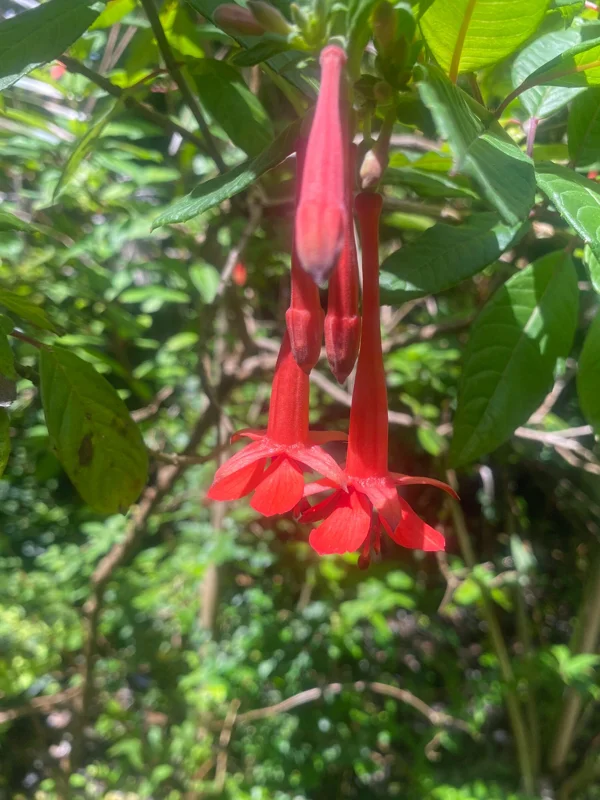
Flower Seeds
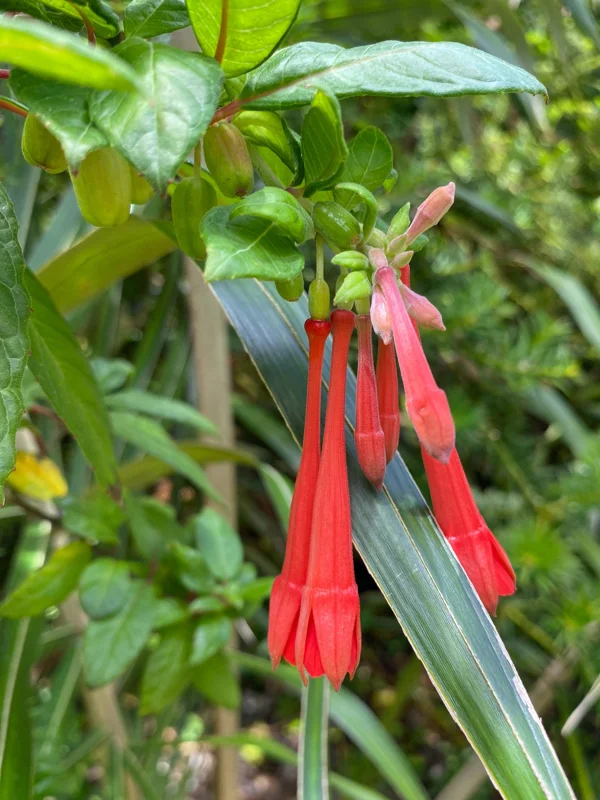
Fuchsia vulcanica Seeds – 20 Pack – Vibrant Orange Coral Flowers for Garden & Containers
Sold 50 products
Original price was: $25.00.$17.50Current price is: $17.50.
Sold 50 products
Original price was: $116.98.$95.68Current price is: $95.68.
Sold 50 products
Original price was: $21.00.$14.10Current price is: $14.10.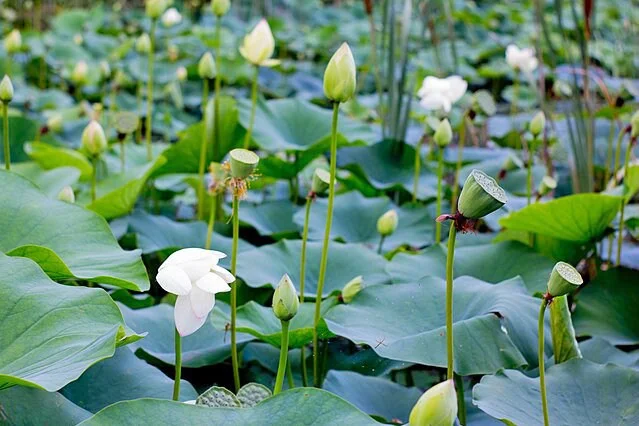
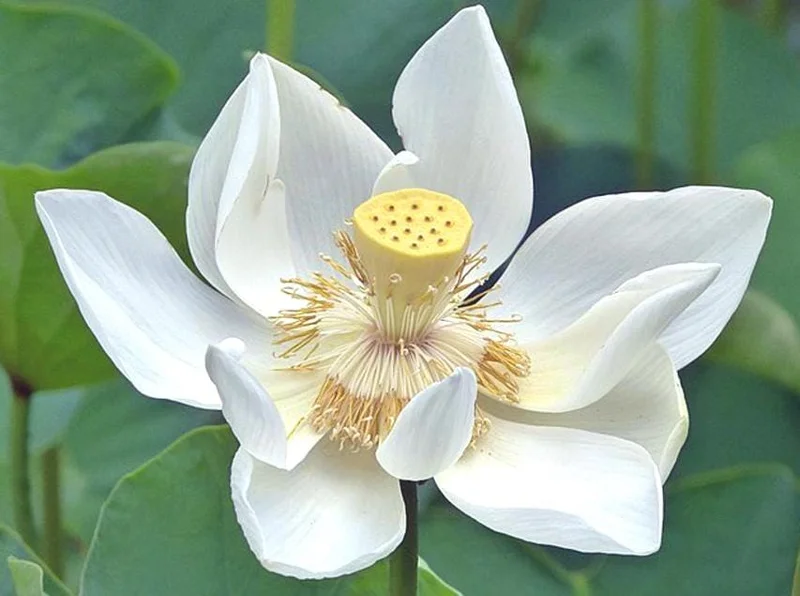
Aquatic Plant Seeds
White Lotus Seeds – Nelumbo Nucifera Aquatic Pond Plant – 5 Seeds for Water Garden
Sold 50 products
Original price was: $29.00.$20.90Current price is: $20.90.RELATED posts
Awapuhi Wild Ginger Plant: Zones, Care, and Propagation
Learn which USDA zones suit awapuhi wild ginger, plus sunlight, water, planting, propagation, pests, size, [...]
Awapuhi Shampoo Ginger – Care, Growing Zones, and Differences
Learn how to grow awapuhi (shampoo) ginger, its USDA zones, watering schedule, propagation tips, and [...]
Awapuhi Shampoo Plant Buying Guide – Choose the Right Zingiber zerumbet
META: Learn which awapuhi (shampoo ginger) plant or rhizome pack gives the best natural shampoo, [...]
Awapuhi Plant for Sale: Complete Buying Guide
Find the right awapuhi (shampoo ginger) plant, size, price, soil mix, and online source. Practical [...]
Shampoo Ginger Plant for Sale – Buying Guide & Tips
Find the right shampoo ginger plant, size, price, and care tips. Quick guide for U.S. [...]
Shampoo Ginger Plant (Awapuhi) Care Guide
Learn how to grow, care for, and use shampoo ginger (Zingiber zerumbet), the tropical awapuhi [...]
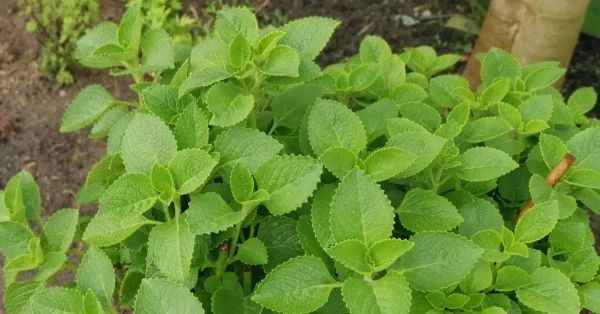
How to Grow Cuban Oregano Plants: A Complete Care Guide
If you’ve ever wanted a plant that combines the culinary punch of traditional oregano with [...]
Aug
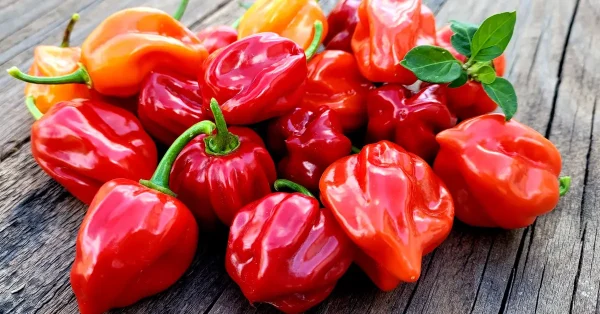
How to Grow Habanero Pepper Plants: A Step-by-Step Guide
Habanero pepper plants are prized for their vibrant colors, intense heat, and exceptional flavor, making [...]
Aug



Reviews
There are no reviews yet.