
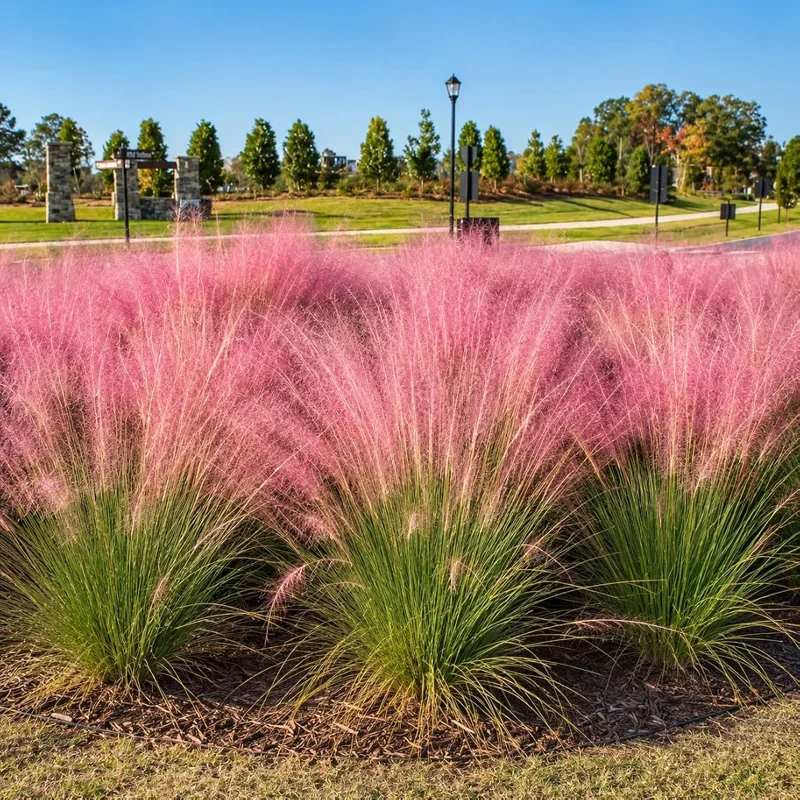
2 Pink Muhly Grass Plants – Live Ornamental Grass for Garden Planting, 4-8 Inch Tall
$23.90
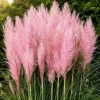
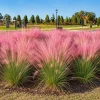
Add stunning color to your landscape with this pack of 2 Pink Muhly Grass Plants. These beautiful ornamental grass plants are perfect for garden planting, providing delicate pink blooms in late summer to fall. Drought-tolerant once established, they thrive in full sun and are suitable for USDA Zones 6-10.
Shipping and Return policies:
We stand behind our plants with our Alive & Thrive Guarantee. If you experience any issues within the first 30 days, please email us, and our team will be happy to help. When needed, we’ll send you a one-time replacement free of charge to make sure your garden keeps growing strong.

Reasonable Price
We offer reasonable price

Support 24/7
Contact us 24 hrs a day
100% Money Back
You’ve 30 days to Return
Payment Secure
100% secure payment
Overview
Introduce a touch of whimsical beauty to your garden with our Pink Muhly Grass Plants. This offering includes two live plants, ready to transform your landscape with their ethereal pink plumes. Known scientifically as Muhlenbergia capillaris, this stunning perennial grass is celebrated for its cloud-like masses of soft pink flowers that emerge in late summer and persist into fall. It’s a favorite among gardeners for its low-maintenance nature and ability to create a dramatic visual impact, especially when planted in groups or as a border. These ornamental grass specimens are delivered without pots, ensuring you receive healthy, established root systems ready for immediate planting in your desired location. Perfect for adding texture and movement to any garden design.
The delicate, airy inflorescences of Pink Muhly Grass Plants catch the sunlight beautifully, creating a shimmering effect that is truly captivating. Originating from the southeastern United States, this grass is well-adapted to various conditions, making it a versatile choice for many garden styles. Whether you’re aiming for a naturalistic meadow look, a modern minimalist design, or simply want to add a splash of unique color, this grass delivers. Its upright, arching form and fine texture provide year-round interest, even when not in bloom. Discover the joy of cultivating this resilient and visually appealing plant in your own outdoor sanctuary.
Key Benefits
Choosing Pink Muhly Grass Plants for your garden brings a multitude of advantages, enhancing both the aesthetic and ecological value of your outdoor space. These perennial grasses are not only beautiful but also incredibly robust and easy to care for, making them an excellent choice for both novice and experienced gardeners alike.
- Spectacular Late-Season Color: Enjoy a breathtaking display of fluffy pink blooms from late summer through fall, providing much-needed color when many other plants are fading. The unique hue of these ornamental grass plumes creates a soft, misty effect that is truly one-of-a-kind.
- Low Maintenance & Drought Tolerant: Once established, Pink Muhly Grass requires minimal watering and care, making it an ideal choice for busy gardeners or those in drier climates. Its resilience contributes to its popularity as a sustainable landscaping option.
- Deer Resistant: This plant is generally unappealing to deer, offering peace of mind for gardeners in areas where deer browsing is a concern. You can enjoy its beauty without the worry of it being consumed by wildlife.
- Versatile Landscaping Use: Perfect for mass plantings, borders, rock gardens, or as an accent plant. Its fine texture and graceful form complement a wide range of garden designs, from formal to informal.
- Attracts Pollinators: While not a major nectar source, the dense flower heads provide shelter and a landing spot for beneficial insects, contributing to local biodiversity.
- Erosion Control: Its fibrous root system helps to stabilize soil, making it useful for slopes or areas prone to erosion. This practical benefit adds to the ecological value of planting Pink Muhly Grass Plants.
- Four-Season Interest: Beyond its stunning fall blooms, the fine-textured foliage provides greenery in spring and summer, and the dried seed heads offer architectural interest through winter.
Plant Care & Growing Tips
Caring for your Pink Muhly Grass Plants is straightforward, making them a rewarding addition to almost any garden. These robust perennial grasses are known for their adaptability, but providing optimal conditions will ensure the most vibrant blooms and healthiest growth. Understanding the specific needs of your ornamental grass is key to its long-term success and beauty in your landscape.
Sunlight Requirements: Pink Muhly Grass thrives in full sun, meaning it needs at least 6-8 hours of direct sunlight per day to produce its best blooms. While it can tolerate partial shade, too little sun may result in fewer flowers and a less dense habit. For optimal performance and the most intense pink coloration, choose a location in your garden that receives abundant sunshine throughout the day. This helps the plant develop strong stems and a prolific flowering display.
Watering Schedule and Soil Moisture: During the first growing season after planting, it’s crucial to water your Pink Muhly Grass Plants regularly to help them establish a strong root system. Aim for consistently moist, but not waterlogged, soil. Once established, these grasses are remarkably drought-tolerant and require only infrequent watering, primarily during prolonged dry periods. Overwatering can be detrimental, so ensure the soil has good drainage. A good rule of thumb is to allow the top few inches of soil to dry out completely before watering again.
Soil Type and Drainage Requirements: Muhly grass care involves well-draining soil. Pink Muhly Grass prefers sandy or gravelly soils but is adaptable to a range of soil types, including clay, as long as drainage is excellent. Poorly draining soil can lead to root rot, so amending heavy clay soils with organic matter or sand can improve conditions. The ideal soil pH is slightly acidic to neutral. While not particularly fussy about soil fertility, a moderately fertile soil will support vigorous growth.
Temperature Range and USDA Hardiness Zone: These plants are hardy in USDA Zones 6-10, meaning they can tolerate winter temperatures down to -10°F (-23°C). They are well-suited for warm climates but can also survive colder winters with proper establishment. Temperatures between 60°F and 90°F are ideal for active growth. In colder zones, some winter protection like mulching might be beneficial, though generally unnecessary within its hardiness range.
Fertilization Schedule and Type: Pink Muhly Grass is not a heavy feeder. A light application of a balanced, slow-release granular fertilizer in early spring is usually sufficient, especially if your soil is poor. Avoid over-fertilizing, as this can promote excessive foliage growth at the expense of flowers and may lead to a leggy plant. Composted organic matter can also be worked into the soil annually to provide nutrients naturally.
Common Problems and Solutions: Pink Muhly Grass is relatively pest and disease-free. The most common issues arise from improper watering or light conditions. Ensure good air circulation to prevent fungal problems in humid environments. If the plant appears sparse or less vibrant, assess its sunlight exposure and drainage. Dividing mature clumps every few years in early spring can rejuvenate the plant and prevent overcrowding. With proper Muhly grass care, you’ll enjoy a thriving display.
Size & Details
This offering includes two Pink Muhly Grass Plants, each measuring approximately 4-8 inches tall upon arrival. They are shipped as bare-root plants, meaning they are carefully dug from the soil with their roots intact but without a pot, reducing shipping stress and allowing for easy transplanting into your garden. These young plants are ready to establish quickly in their new home, growing into magnificent mature specimens. Expect a moderate growth rate, with plants typically reaching a mature height of 2-3 feet and a similar spread within 2-3 years, creating a substantial visual impact in your landscape.
The delicate foliage maintains its green color through spring and summer, providing a lush backdrop before the spectacular pink plumes emerge in late summer and continue their display through fall. These perennial grasses are designed for longevity, providing many years of beauty with minimal intervention. The absence of a pot means you can plant them directly into the ground or into larger containers suited for their mature size, providing ample space for their root systems to develop and support their full growth potential. This pack is ideal for those looking to create a striking mass planting or to add several accent points to their garden design, contributing to beautiful garden planting ideas.
Frequently Asked Questions
- Q: How big does this plant get? A: Pink Muhly Grass Plants typically grow to a mature height of 2-3 feet and spread to a similar width. They form neat, mounding clumps that provide a soft, airy texture to the garden.
- Q: What condition will the plants arrive in? A: Your plants will arrive as healthy bare-root specimens, approximately 4-8 inches tall. This method ensures the roots are protected and ready for immediate planting, minimizing transplant shock.
- Q: Is this an indoor or outdoor plant? A: Pink Muhly Grass is an outdoor plant, best suited for garden beds, borders, and naturalized areas. It thrives in full sun and is hardy in USDA Zones 6-10.
- Q: How much sunlight does it need? A: For optimal growth and the most abundant pink blooms, Pink Muhly Grass Plants require full sun, meaning at least 6-8 hours of direct sunlight per day.
- Q: Is this plant easy to care for? A: Yes, Pink Muhly Grass is known for being very easy to care for. Once established, it is drought-tolerant and requires minimal maintenance, making it suitable for beginners and busy gardeners. This contributes to positive Muhly grass care experiences.
- Q: When is the best time to plant? A: The best time to plant perennial grasses like Pink Muhly Grass is in spring or early fall. This allows the plants to establish their root systems before the extremes of summer heat or winter cold.
- Q: Will it survive winter in my zone? A: Pink Muhly Grass is hardy in USDA Zones 6-10. If you are within these zones, it will typically survive winter without special protection, going dormant and returning in spring.
- Q: Can I use Pink Muhly Grass for ground cover? A: While it forms clumps, it can be mass planted to create a beautiful, textural ground cover effect, especially when considering garden planting ideas for larger areas. Its clumping nature means it won’t spread aggressively like some groundcovers.
- Q: What kind of soil does it prefer? A: This ornamental grass prefers well-draining soil, such as sandy or gravelly loam. It can tolerate various soil types as long as they are not waterlogged.
- Q: Does it attract wildlife? A: While generally deer resistant, the seed heads can provide a food source for small birds in late fall and winter, and the plant offers shelter for beneficial insects.
Be the first to review “2 Pink Muhly Grass Plants – Live Ornamental Grass for Garden Planting, 4-8 Inch Tall”
You must be logged in to post a review.
People also Viewed
Sold 50 products
$32.38
Sold 50 products
$27.38
Sold 50 products
$32.38
Sold 50 products
$19.88
Sold 50 products
$62.38
Sold 50 products
$24.88
Houseplants
Phalaenopsis pulcherrima ‘Mauna Kea Snow’ Orchid Live Plant – White Flowers, Potted 2.5 in
Sold 50 products
$49.88
Sold 50 products
$49.88RELATED posts
Awapuhi Wild Ginger Plant: Zones, Care, and Propagation
Learn which USDA zones suit awapuhi wild ginger, plus sunlight, water, planting, propagation, pests, size, [...]
Awapuhi Shampoo Ginger – Care, Growing Zones, and Differences
Learn how to grow awapuhi (shampoo) ginger, its USDA zones, watering schedule, propagation tips, and [...]
Awapuhi Shampoo Plant Buying Guide – Choose the Right Zingiber zerumbet
META: Learn which awapuhi (shampoo ginger) plant or rhizome pack gives the best natural shampoo, [...]
Awapuhi Plant for Sale: Complete Buying Guide
Find the right awapuhi (shampoo ginger) plant, size, price, soil mix, and online source. Practical [...]
Shampoo Ginger Plant for Sale – Buying Guide & Tips
Find the right shampoo ginger plant, size, price, and care tips. Quick guide for U.S. [...]
Shampoo Ginger Plant (Awapuhi) Care Guide
Learn how to grow, care for, and use shampoo ginger (Zingiber zerumbet), the tropical awapuhi [...]
How to Grow Cuban Oregano Plants: A Complete Care Guide
If you’ve ever wanted a plant that combines the culinary punch of traditional oregano with [...]
Aug
How to Grow Habanero Pepper Plants: A Step-by-Step Guide
Habanero pepper plants are prized for their vibrant colors, intense heat, and exceptional flavor, making [...]
Aug
Reviews
There are no reviews yet.