
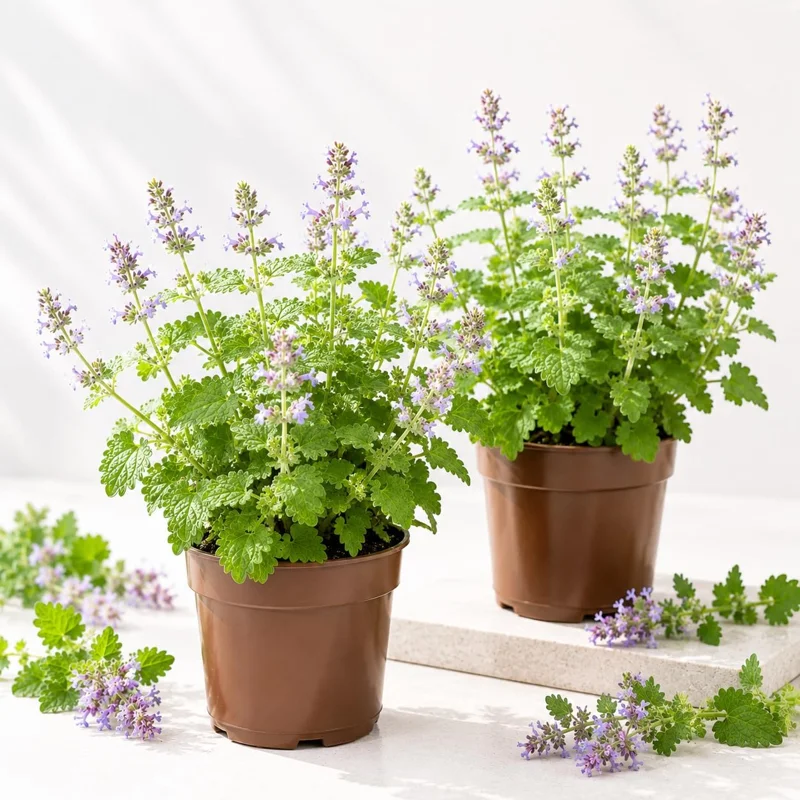
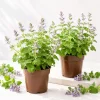
2 Catnip Live Plants – Perennial Herb for Gardens – 4-8 Inch Tall
$15.99
Bring joy to your garden and feline friends with this pack of catnip live plant. These robust perennial herbs are ideal for home planting, reaching 4-8 inches tall. Enjoy their fragrant foliage and attract pollinators.
Shipping and Return policies:
We stand behind our plants with our Alive & Thrive Guarantee. If you experience any issues within the first 30 days, please email us, and our team will be happy to help. When needed, we’ll send you a one-time replacement free of charge to make sure your garden keeps growing strong.

Reasonable Price
We offer reasonable price

Support 24/7
Contact us 24 hrs a day
100% Money Back
You’ve 30 days to Return
Payment Secure
100% secure payment
Overview
Introduce the delightful and versatile catnip live plant to your home garden. This offering includes two healthy live plants, ready for transplanting. Catnip, scientifically known as Nepeta cataria, is a well-loved perennial herb renowned for its attractive foliage, aromatic properties, and its famous intoxicating effect on cats. These plants are perfect for gardeners looking to add a low-maintenance, beneficial herb to their landscape. Growing to a manageable size of 4-8 inches tall, these perennial catnip specimens are an excellent choice for borders, herb gardens, or even containers. They provide continuous interest from late spring to early fall with their charming blooms and lush greenery, making them a fantastic addition for both their aesthetic and practical uses.
Our catnip live plant specimens are cultivated to ensure vigor and health upon arrival, providing you with a strong start for your garden. Whether you’re an experienced gardener or just beginning, catnip is forgiving and rewarding. It’s not just for cats; many gardeners appreciate its subtle minty fragrance and its ability to attract beneficial insects like bees and butterflies, contributing to a healthier ecosystem in your yard. Discover the ease and pleasure of growing this classic garden herb.
Key Benefits
Adding a catnip live plant to your garden offers a multitude of advantages, enhancing both your outdoor space and potentially delighting your feline companions. This robust herb is known for its resilience and ease of care, making it a favorite among gardeners.
- Attracts Pollinators: The flowers of the perennial catnip are a magnet for bees and butterflies, promoting biodiversity and aiding in the pollination of other plants in your garden.
- Feline Entertainment: Widely known for its stimulating effect on cats, growing your own catnip provides a fresh, natural treat for your pets, encouraging playful behavior and exercise.
- Low Maintenance: Once established, herb plants for garden like catnip require minimal attention. They are drought-tolerant and generally resistant to pests and diseases, making them ideal for busy gardeners.
- Aromatic Foliage: Beyond its appeal to cats, catnip boasts a pleasant, minty aroma that can be enjoyed by humans, making it a fragrant addition to herb spirals or near seating areas.
- Deters Pests: Some studies suggest that catnip can act as a natural deterrent for certain garden pests, such as mosquitoes, contributing to a more comfortable outdoor environment.
- Soil Stabilization: As a hardy perennial, its root system can help to stabilize soil, particularly in areas prone to erosion, while adding lush ground cover.
- Medicinal & Culinary Uses: Historically, catnip has been used in herbal teas for its calming properties. While primarily grown for pets, some people also appreciate its subtle flavor in culinary applications.
Plant Care & Growing Tips
Caring for your catnip live plant is straightforward, as these plants are quite resilient and adaptable. For optimal growth, ensure they receive full sun to partial shade. Full sun (at least 6 hours of direct sunlight per day) will encourage the densest growth and strongest aroma. In hotter climates, a little afternoon shade can prevent the plant from scorching. These plants thrive in a wide temperature range, ideally between 55 and 85 degrees Fahrenheit, making them suitable for most growing seasons.
When it comes to soil, perennial catnip prefers well-draining soil. It is not particular about soil type and can tolerate poor soils, but good drainage is crucial to prevent root rot. Water your catnip when the top inch of soil feels dry to the touch. While established plants are drought-tolerant, consistent moisture during their active growing season will promote healthier and more vigorous growth. Avoid overwatering, as this is the most common cause of problems for catnip. These herb plants for garden are quite self-sufficient once established. They are hardy in USDA Zones 3–9, making them suitable for a vast majority of climates across the United States. Fertilization is rarely necessary; catnip can generally thrive without additional nutrients, especially if planted in reasonably fertile soil. If your soil is very poor, a balanced, all-purpose slow-release granular fertilizer applied once in spring can be beneficial. Watch out for signs of stress like yellowing leaves, which might indicate overwatering or nutrient deficiency. Pruning spent flower stalks will encourage new blooms and prevent the plant from self-seeding excessively.
Size & Details
This offering includes a pack of two catnip live plant specimens, each ready to be planted directly into your garden or a larger container. Each plant will arrive at a height of approximately 4-8 inches tall, providing a healthy start for robust growth. Catnip is a moderately fast-growing perennial that can quickly establish itself and spread, forming attractive mounds of foliage. When mature, these plants typically reach a height of 1-3 feet and spread about 1-2 feet wide, depending on growing conditions and pruning. They will begin to bloom from late spring through early fall, showcasing delicate lavender or white flowers that are highly attractive to pollinators. These plants are shipped without a pot, in a bare-root or minimal soil plug condition, making them easy to transplant directly into your chosen location. Expect your Nepeta cataria to establish quickly and begin producing its characteristic fragrant leaves within a few weeks of planting.
Frequently Asked Questions
- Q: How big will these catnip plants get? A: Your catnip live plant specimens will arrive 4-8 inches tall and can grow to a mature height of 1-3 feet with a spread of 1-2 feet, depending on growing conditions and climate. Regular pruning can help manage their size.
- Q: Is this an indoor or outdoor plant? A: Catnip is primarily an outdoor plant, thriving in garden beds or outdoor containers. However, it can be grown indoors in a sunny window, especially if you want to keep a fresh supply for your cats year-round.
- Q: How much sunlight does catnip need? A: These perennial catnip plants prefer full sun (at least 6 hours of direct sunlight daily) but can tolerate partial shade, especially in hotter climates. More sun generally leads to more vigorous growth and stronger aroma.
- Q: Is this plant easy to care for? A: Yes, catnip is known for being a very easy-to-care-for plant, making it excellent for beginners. It’s drought-tolerant once established and generally resistant to pests and diseases.
- Q: What condition will the plants arrive in? A: The plants are shipped as live specimens, 4-8 inches tall, without a pot. They will be carefully packaged to ensure they arrive healthy and ready for planting.
- Q: Can I use this catnip for my pets? A: Absolutely! Growing your own herb plants for garden like catnip provides a fresh, organic source for your feline friends to enjoy. You can offer fresh leaves or dry them for later use.
- Q: When is the best time to plant catnip? A: The best time to plant catnip is in spring after the last frost, or in early fall. This allows the plant time to establish its root system before extreme temperatures.
- Q: Will it survive winter in my zone? A: Yes, catnip is a hardy perennial suitable for USDA Zones 3–9, meaning it will typically survive winter in most regions and return year after year.
- Q: What type of soil is best for catnip? A: Catnip thrives in well-draining soil. It’s not particular about soil type but avoids heavy, waterlogged conditions to prevent root rot.
- Q: What is the scientific name for catnip? A: The scientific name for catnip is Nepeta cataria, which is important for identifying the correct species.
Be the first to review “2 Catnip Live Plants – Perennial Herb for Gardens – 4-8 Inch Tall”
You must be logged in to post a review.
People also Viewed
Sold 50 products
$32.38
Sold 50 products
$27.38
Sold 50 products
$32.38
Sold 50 products
$19.88
Sold 50 products
$62.38
Sold 50 products
$24.88
Houseplants
Phalaenopsis pulcherrima ‘Mauna Kea Snow’ Orchid Live Plant – White Flowers, Potted 2.5 in
Sold 50 products
$49.88
Sold 50 products
$49.88RELATED posts
Awapuhi Wild Ginger Plant: Zones, Care, and Propagation
Learn which USDA zones suit awapuhi wild ginger, plus sunlight, water, planting, propagation, pests, size, [...]
Awapuhi Shampoo Ginger – Care, Growing Zones, and Differences
Learn how to grow awapuhi (shampoo) ginger, its USDA zones, watering schedule, propagation tips, and [...]
Awapuhi Shampoo Plant Buying Guide – Choose the Right Zingiber zerumbet
META: Learn which awapuhi (shampoo ginger) plant or rhizome pack gives the best natural shampoo, [...]
Awapuhi Plant for Sale: Complete Buying Guide
Find the right awapuhi (shampoo ginger) plant, size, price, soil mix, and online source. Practical [...]
Shampoo Ginger Plant for Sale – Buying Guide & Tips
Find the right shampoo ginger plant, size, price, and care tips. Quick guide for U.S. [...]
Shampoo Ginger Plant (Awapuhi) Care Guide
Learn how to grow, care for, and use shampoo ginger (Zingiber zerumbet), the tropical awapuhi [...]
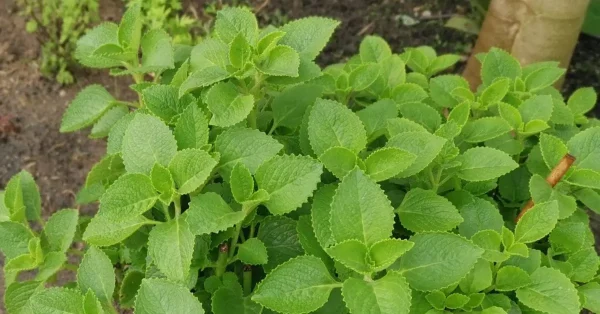
How to Grow Cuban Oregano Plants: A Complete Care Guide
If you’ve ever wanted a plant that combines the culinary punch of traditional oregano with [...]
Aug
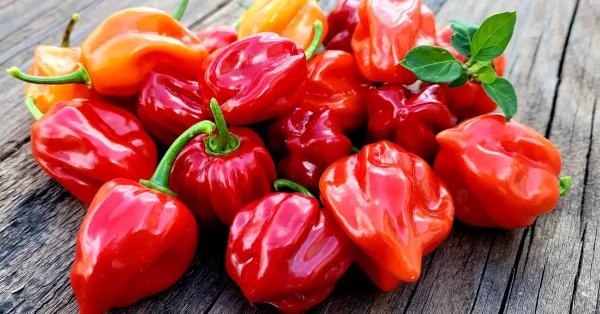
How to Grow Habanero Pepper Plants: A Step-by-Step Guide
Habanero pepper plants are prized for their vibrant colors, intense heat, and exceptional flavor, making [...]
Aug

Reviews
There are no reviews yet.