
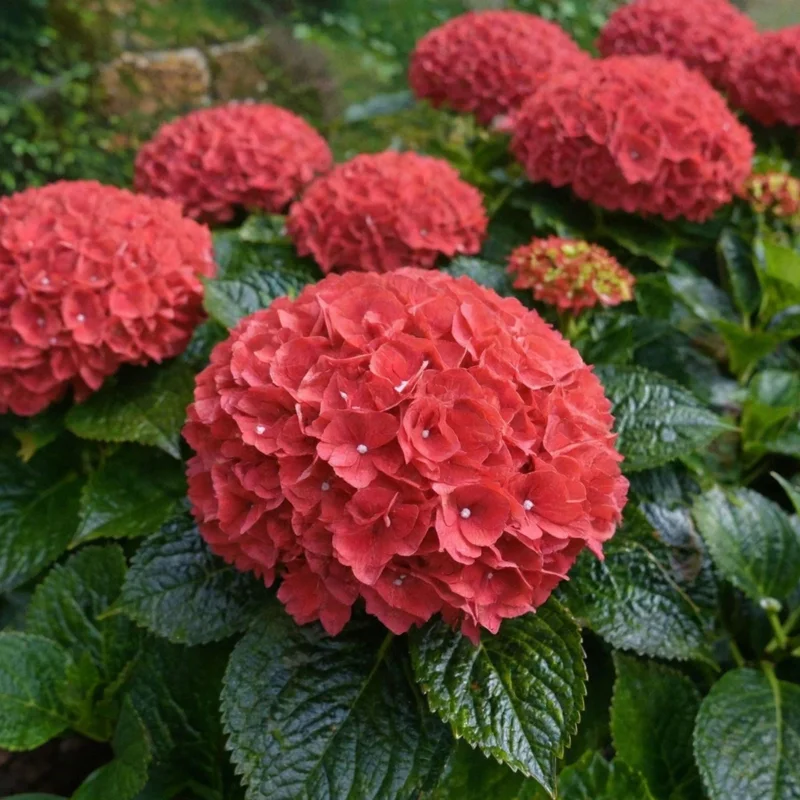
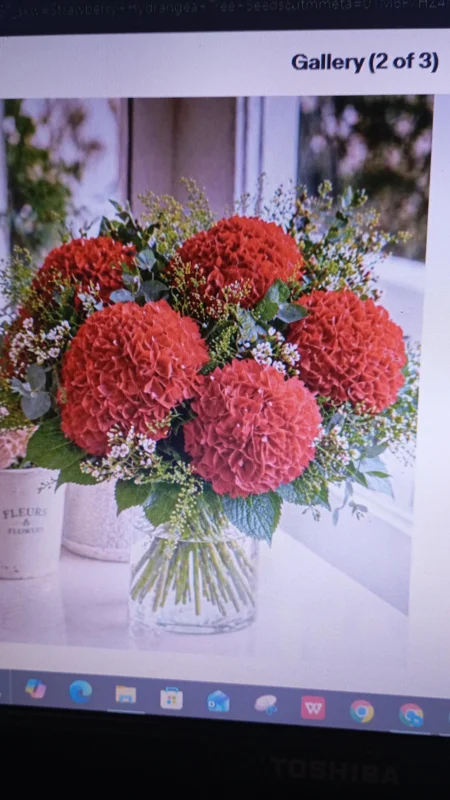
150 Red Hydrangea Seeds – Ornamental Perennial Shrub Plant, NON-GMO
Original price was: $19.00.$15.20Current price is: $15.20.
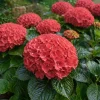
Cultivate stunning beauty with 150 Red Hydrangea Seeds. Perfect for garden borders, landscape beds, and containers, these ornamental perennial shrub seeds promise vibrant red blooms and lush foliage. Start your own classic garden display with these non-gmo flower seeds.
Shipping and Return policies:
We stand behind our plants with our Alive & Thrive Guarantee. If you experience any issues within the first 30 days, please email us, and our team will be happy to help. When needed, we’ll send you a one-time replacement free of charge to make sure your garden keeps growing strong.

Reasonable Price
We offer reasonable price

Support 24/7
Contact us 24 hrs a day
100% Money Back
You’ve 30 days to Return
Payment Secure
100% secure payment
Overview
Embark on a rewarding gardening journey by cultivating breathtaking beauty with these 150 Red Hydrangea Seeds. Hydrangeas, scientifically known as Hydrangea species, are celebrated for their spectacular, long-lasting blooms and lush green foliage, making them a cornerstone of classic garden design. These particular seeds are advertised to produce stunning red flowers, offering a vibrant splash of color to any landscape. Ideal for gardeners looking to grow their own ornamental plants from scratch, these seeds provide the foundation for a magnificent hydrangea garden plant that will enhance your outdoor spaces for years to come. Known for their adaptability and striking appearance, hydrangeas are a beloved choice for creating visually rich and inviting environments.
Each packet contains 150 Red Hydrangea Seeds, offering ample opportunity to establish a thriving collection of these exquisite shrubs. Growing hydrangeas from seed can be a deeply satisfying experience, allowing you to witness the full life cycle of these remarkable plants. The resulting shrubs will feature the iconic decorative clusters of florets, providing continuous visual interest throughout their blooming season. Whether you’re an experienced gardener or just starting, these non-gmo flower seeds are a fantastic way to introduce the timeless elegance of hydrangeas into your home garden or landscape project.
Key Benefits
Planting red hydrangea seeds offers numerous advantages, transforming your garden into a vibrant oasis. These benefits extend beyond mere aesthetics, contributing to a richer, more engaging outdoor environment.
- Stunning Visual Appeal: Cultivate an ornamental perennial shrub renowned for its large, captivating clusters of red flowers. These blooms provide a dramatic focal point in any garden, drawing admiration and enhancing curb appeal.
- Versatile Garden Use: Hydrangeas are incredibly adaptable, making them suitable for a variety of garden applications. Plant them in garden borders, create beautiful landscape beds, or feature them as elegant container plants on patios and balconies.
- Long-Lasting Blooms: Enjoy an extended season of vibrant color. Hydrangea flowers typically last for weeks, providing continuous beauty and interest throughout the summer and into fall.
- Lush Green Foliage: Beyond their flowers, hydrangeas boast attractive, deep green leaves that provide a rich backdrop for the colorful blooms and maintain garden interest even when not in flower.
- NON-GMO Assurance: These are non-gmo flower seeds, giving you peace of mind about the genetic integrity of the plants you are growing and contributing to a healthier garden ecosystem.
- Attracts Pollinators: While specific to the species, many hydrangeas can attract beneficial pollinators like bees and butterflies, contributing to the biodiversity of your garden.
- Perennial Growth: As a perennial, once established, your hydrangea garden plant will return year after year, offering reliable beauty with minimal effort compared to annuals.
Plant Care & Growing Tips
Successfully growing red hydrangea seeds into robust plants requires attention to a few key care aspects. While hydrangeas are generally resilient, providing optimal conditions from the start will ensure the best growth and most vibrant blooms. Begin with a clean, fine-textured, and well-draining seed-starting medium. It’s crucial not to bury these very small seeds too deeply; often, a light covering or simply pressing them onto the surface is sufficient. Keep the growing medium consistently moist but never waterlogged to prevent rot and encourage germination. Providing suitable light and temperatures is also vital for healthy seedling development.
Once your ornamental perennial shrub seedlings are established and strong enough, carefully transplant them into larger containers or their final garden locations. Hydrangeas generally prefer partial shade, especially in hotter climates, where afternoon sun can scorch their leaves. A location that receives morning sun and afternoon shade is often ideal. They thrive in rich, well-draining soil that retains moisture. Amend heavy clay soils with organic matter to improve drainage and fertility. Regular watering is essential, particularly during dry spells and the plant’s establishment phase. Aim for deep watering at the base of the plant to encourage strong root development.
For best results with your hydrangea garden plant, consider feeding it with a balanced, slow-release fertilizer in early spring. The pH of the soil can also influence the flower color of some hydrangea species, though red varieties tend to maintain their color more consistently. Protect young plants from strong winds and extreme temperatures. Common problems include powdery mildew in humid conditions or leaf spot; ensuring good air circulation and appropriate watering practices can help mitigate these issues. With proper care, your non-gmo flower seeds will mature into magnificent flowering shrubs.
Size & Details
These 150 Red Hydrangea Seeds provide the foundation for growing a beautiful ornamental perennial shrub. While the exact mature size can vary depending on the specific hydrangea species, cultivation conditions, and pruning practices, most garden hydrangeas typically grow to a height and width of 3 to 6 feet, forming a bushy, rounded habit. The seeds will arrive in a packet, ready for sowing. Expect a moderate growth rate, with initial blooms usually appearing within 1-3 years from seed, depending on growing conditions and species.
The advertised flower color is red, offering a vivid and classic garden aesthetic. These seeds are claimed to be NON-GMO, ensuring a natural start for your plants. Once fully grown, your hydrangea garden plant will feature decorative clusters of small florets and lush green foliage, making it a prominent feature in any landscape. They are suitable for USDA Hardiness Zones generally ranging from 5-9, though specific species may vary. The robust nature of this ornamental perennial shrub makes it a long-term investment in your garden’s beauty.
Frequently Asked Questions
- Q: How big does this hydrangea garden plant get? A: Most garden hydrangeas typically grow to a mature height and width of 3 to 6 feet, forming a rounded, bushy shrub. The exact size can depend on the specific species and growing conditions.
- Q: Is this an indoor or outdoor plant? A: Hydrangeas are primarily outdoor plants, thriving in garden beds, borders, and large containers. While they can be brought indoors temporarily for display, they require specific outdoor conditions to flourish long-term.
- Q: How much sunlight does this ornamental perennial shrub need? A: Hydrangeas generally prefer partial shade, especially in hotter climates where they benefit from protection from intense afternoon sun. Morning sun and afternoon shade is often ideal.
- Q: What condition will the 150 Red Hydrangea Seeds arrive in? A: The product consists of 150 individual seeds, which will arrive in a protective packet, ready for you to start the germination process.
- Q: Is this plant easy to care for? A: Hydrangeas are considered relatively easy to care for once established. The main requirements are consistent moisture, appropriate sunlight, and well-draining soil. Growing from non-gmo flower seeds requires initial attention to germination and seedling care.
- Q: How long until these red hydrangea seeds bloom? A: When grown from seed, hydrangeas typically take 1 to 3 years to reach maturity and produce their first blooms. This timeline can vary based on the specific species and growing conditions.
- Q: What’s the best time to plant these non-gmo flower seeds? A: The best time to start hydrangea seeds indoors is typically in late winter or early spring, allowing seedlings to develop before being transplanted outdoors after the last frost.
- Q: Can I grow these in containers? A: Yes, hydrangeas can be successfully grown in large outdoor containers, provided they have adequate drainage, sufficient space for root growth, and consistent watering.
- Q: Will the flower color always be red? A: While these are advertised as red hydrangea seeds, some hydrangea species’ flower color can be influenced by soil pH. However, red varieties generally maintain their color more consistently than blue or pink types.
- Q: What kind of soil is best for a hydrangea garden plant? A: Hydrangeas prefer rich, well-draining soil that retains moisture. Amending the soil with organic matter such as compost can significantly improve its quality and support healthy growth.
Be the first to review “150 Red Hydrangea Seeds – Ornamental Perennial Shrub Plant, NON-GMO”
You must be logged in to post a review.
People also Viewed


Sold 50 products
Original price was: $109.95.$79.98Current price is: $79.98.

Sold 50 products
Original price was: $25.00.$17.50Current price is: $17.50.

Flower Seeds
Olympic Onion Seeds – Allium crenulatum Flower Seeds – 10 Seed Pack – Outdoor Native Plant
Sold 50 products
Original price was: $25.00.$17.50Current price is: $17.50.

Sold 50 products
Original price was: $25.00.$17.50Current price is: $17.50.

Flower Seeds
Fuchsia vulcanica Seeds – 20 Pack – Vibrant Orange Coral Flowers for Garden & Containers
Sold 50 products
Original price was: $25.00.$17.50Current price is: $17.50.

Sold 50 products
Original price was: $116.98.$95.68Current price is: $95.68.

Sold 50 products
Original price was: $21.00.$14.10Current price is: $14.10.

Aquatic Plant Seeds
White Lotus Seeds – Nelumbo Nucifera Aquatic Pond Plant – 5 Seeds for Water Garden
Sold 50 products
Original price was: $29.00.$20.90Current price is: $20.90.RELATED posts
Awapuhi Wild Ginger Plant: Zones, Care, and Propagation
Learn which USDA zones suit awapuhi wild ginger, plus sunlight, water, planting, propagation, pests, size, [...]
Awapuhi Shampoo Ginger – Care, Growing Zones, and Differences
Learn how to grow awapuhi (shampoo) ginger, its USDA zones, watering schedule, propagation tips, and [...]
Awapuhi Shampoo Plant Buying Guide – Choose the Right Zingiber zerumbet
META: Learn which awapuhi (shampoo ginger) plant or rhizome pack gives the best natural shampoo, [...]
Awapuhi Plant for Sale: Complete Buying Guide
Find the right awapuhi (shampoo ginger) plant, size, price, soil mix, and online source. Practical [...]
Shampoo Ginger Plant for Sale – Buying Guide & Tips
Find the right shampoo ginger plant, size, price, and care tips. Quick guide for U.S. [...]
Shampoo Ginger Plant (Awapuhi) Care Guide
Learn how to grow, care for, and use shampoo ginger (Zingiber zerumbet), the tropical awapuhi [...]

How to Grow Cuban Oregano Plants: A Complete Care Guide
If you’ve ever wanted a plant that combines the culinary punch of traditional oregano with [...]
Aug

How to Grow Habanero Pepper Plants: A Step-by-Step Guide
Habanero pepper plants are prized for their vibrant colors, intense heat, and exceptional flavor, making [...]
Aug
Reviews
There are no reviews yet.