
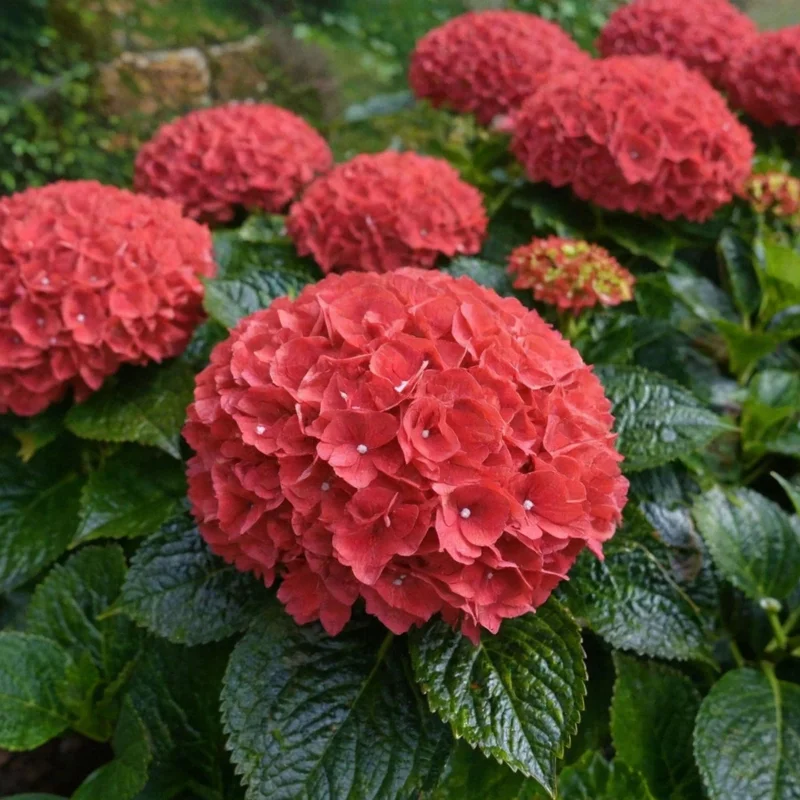
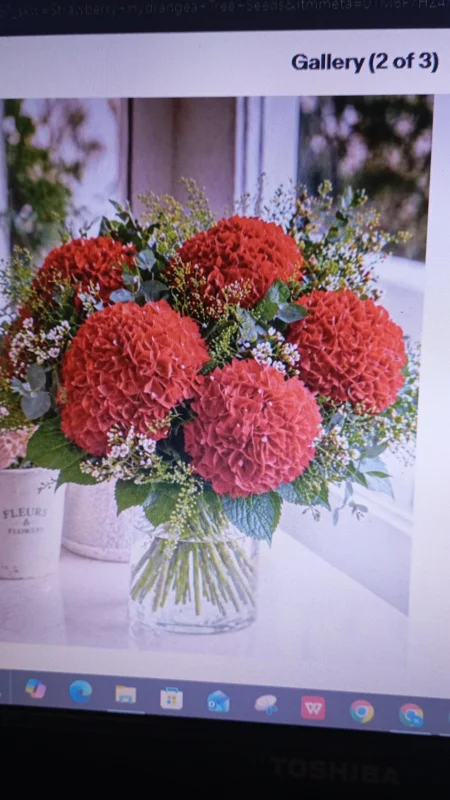
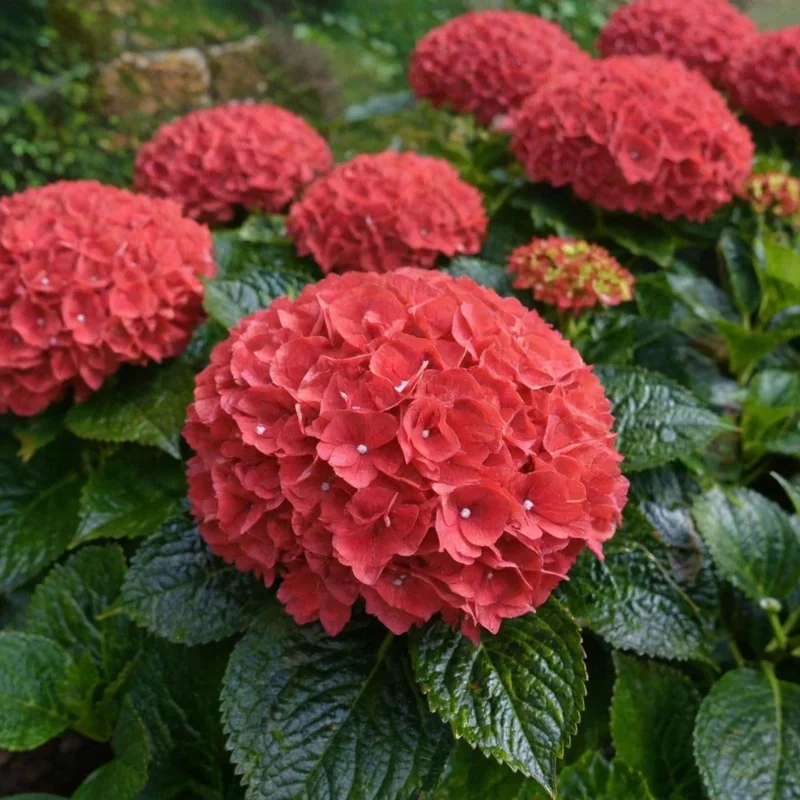
150 Hydrangea Seeds – Red Flowering Ornamental Perennial Shrub, NON-GMO
Original price was: $19.00.$15.20Current price is: $15.20.
Cultivate stunning red blooms with these hydrangea seeds. Each packet contains 150 hydrangea seeds, perfect for establishing an ornamental perennial shrub in your garden or containers. These NON-GMO seeds promise to bring classic garden beauty and lush foliage to your landscape.
Shipping and Return policies:
We stand behind our plants with our Alive & Thrive Guarantee. If you experience any issues within the first 30 days, please email us, and our team will be happy to help. When needed, we’ll send you a one-time replacement free of charge to make sure your garden keeps growing strong.

Reasonable Price
We offer reasonable price

Support 24/7
Contact us 24 hrs a day
100% Money Back
You’ve 30 days to Return
Payment Secure
100% secure payment
Overview
Embark on a rewarding gardening journey by planting these premium hydrangea seeds. Hydrangeas are renowned for their breathtaking clusters of decorative flowers and lush green foliage, making them a cornerstone of classic garden design. This offering provides 150 hydrangea seeds, allowing you to cultivate numerous beautiful plants from scratch. Each seed holds the promise of a vibrant red flowering ornamental perennial shrub, perfect for enhancing garden borders, landscape beds, or even suitable outdoor containers. While the exact species of Hydrangea is to be confirmed, these seeds are advertised as NON-GMO, ensuring a natural start for your garden.
Growing hydrangea from seed offers the unique satisfaction of nurturing a plant from its very beginning. These ornamental shrubs are admired for their versatility and enduring appeal, providing a spectacular display of color and texture throughout the growing season. Whether you’re an experienced gardener or just starting, these red hydrangea seeds present an exciting opportunity to introduce one of the most beloved flowering plants into your outdoor space.
Key Benefits
Planting these hydrangea seeds offers a multitude of benefits for your garden and personal enjoyment. From their aesthetic appeal to their adaptability, hydrangeas are a fantastic choice for any landscape:
- Stunning Red Blooms: Cultivate plants that produce vibrant red flowers, adding a bold splash of color and elegance to your garden design. These eye-catching blooms are perfect for focal points.
- Versatile Garden Use: Hydrangeas thrive in various settings, making them ideal for garden borders, mass plantings, foundation plantings, or as specimen plants in large containers. Their adaptability allows for creative landscaping.
- Lush Green Foliage: Beyond their flowers, hydrangeas feature attractive, deep green leaves that provide excellent texture and a beautiful backdrop even when the plant is not in bloom. This ensures year-round visual interest.
- Perennial Beauty: As an ornamental perennial shrub, these hydrangeas will return year after year, providing continuous enjoyment without the need for replanting annually. They establish a lasting presence in your landscape.
- Abundant Quantity: With 150 hydrangea seeds per packet, you have ample opportunity to propagate a significant number of plants, allowing for extensive planting or sharing with fellow garden enthusiasts.
- NON-GMO Assurance: These seeds are advertised as NON-GMO, providing peace of mind that you are growing natural, unaltered plants in your garden. This is a key consideration for many gardeners seeking pure stock.
- Attracts Pollinators: While specific to the species, many hydrangeas can attract beneficial pollinators like bees and butterflies, contributing to a healthier garden ecosystem.
Plant Care & Growing Tips
Successfully growing hydrangea from seed requires attention to detail, especially during the initial germination and seedling stages. Start your hydrangea seeds indoors 8-10 weeks before the last expected frost. Use a clean, fine-textured, well-draining seed-starting medium, ideally a sterile mix to prevent damping-off disease. Hydrangea seeds are very small and should be surface-sown or covered with only a very thin layer of vermiculite, as they often require light for germination. Gently press the seeds onto the surface of the moistened soil.
Maintain consistent moisture in the growing medium without waterlogging. A spray bottle can be useful for watering to avoid disturbing the tiny seeds. Cover the seed tray with a clear dome or plastic wrap to create a humid environment, which aids germination. Provide suitable light and temperatures for seedling development; a bright location with indirect sunlight or under grow lights is ideal, and temperatures around 65-75°F (18-24°C) are generally favorable. Once seedlings emerge and develop a few true leaves, carefully transplant them into individual pots. Gradually harden off young plants by exposing them to outdoor conditions for increasing periods before transplanting them into their final garden locations after the danger of frost has passed. For optimal growth, plant your ornamental perennial shrub in a location that receives partial shade, especially in hotter climates, as direct afternoon sun can scorch the leaves.
Established hydrangeas prefer consistently moist, well-draining soil rich in organic matter. Amend heavy clay soils with compost to improve drainage. Water deeply and regularly, especially during dry spells, but avoid overwatering. Fertilize in early spring with a balanced slow-release fertilizer formulated for flowering shrubs. Pruning usually involves removing spent flowers and dead or weak stems in late winter or early spring, depending on the specific hydrangea species and its blooming habit. Protect young plants from extreme cold during their first winter if you are in a colder USDA zone than their typical hardiness. These non-gmo seeds will develop into robust plants with proper care.
Size & Details
This offering includes a generous quantity of 150 hydrangea seeds, providing an excellent opportunity for mass planting or ensuring a high germination rate for your desired number of plants. When fully grown, the resulting ornamental perennial shrub typically reaches a mature height and spread of 3 to 6 feet, depending on the specific Hydrangea species and growing conditions. The growth rate is moderate, with plants generally establishing well in their first year and beginning to produce significant blooms in their second or third season from seed.
The product is shipped as a packet of high-quality seeds, ready for sowing. While the exact botanical name (Hydrangea species) is to be confirmed, the advertised flower color is a striking red, promising a vibrant display in your landscape. These red hydrangea seeds are ideal for creating impactful garden borders, adding structure to landscape beds, or serving as elegant focal points in large outdoor containers.
Frequently Asked Questions
- Q: How big does this plant get from these hydrangea seeds? A: Once mature, the ornamental perennial shrub grown from these seeds typically reaches a height and spread of 3 to 6 feet, depending on the specific species and growing conditions.
- Q: Is this an indoor or outdoor plant? A: Hydrangeas are primarily outdoor plants, thriving in garden beds, borders, and outdoor containers. They are not typically grown as indoor houseplants.
- Q: How much sunlight do these red hydrangea seeds need to grow? A: Young seedlings require bright, indirect light. Once transplanted outdoors, mature hydrangeas generally prefer partial shade, especially protection from intense afternoon sun.
- Q: Is growing hydrangea from seed difficult for beginners? A: While germinating tiny seeds requires patience and consistent care, growing hydrangea from seed is achievable for beginners with careful attention to moisture, light, and temperature.
- Q: What condition will the seeds arrive in? A: You will receive a packet containing 150 hydrangea seeds, which are dormant and ready for planting according to the provided instructions.
- Q: How long until the plants grown from these non-gmo seeds bloom? A: Hydrangeas grown from seed typically begin to flower in their second or third year after planting, once the plant has established a robust root system and sufficient growth.
- Q: When is the best time to plant these hydrangea seeds? A: It’s best to start the hydrangea seeds indoors 8-10 weeks before the last expected frost in your region, then transplant the seedlings outdoors after all danger of frost has passed.
- Q: Will these ornamental perennial shrubs survive winter in my zone? A: Hydrangea hardiness varies by species, but many common hydrangeas are hardy in USDA zones 4-9. Specific winter survival depends on the exact species and your local climate.
- Q: What type of soil do these red hydrangea seeds prefer? A: Hydrangeas thrive in well-draining soil that is rich in organic matter. Amending with compost is beneficial for both drainage and nutrient content.
- Q: Are these non-gmo seeds guaranteed to produce red flowers? A: While advertised as red flowering, flower color in hydrangeas can sometimes be influenced by soil pH for certain species. These seeds are advertised to produce red blooms.
Be the first to review “150 Hydrangea Seeds – Red Flowering Ornamental Perennial Shrub, NON-GMO”
You must be logged in to post a review.
People also Viewed
Sold 50 products
Original price was: $109.95.$79.98Current price is: $79.98.
Sold 50 products
Original price was: $25.00.$17.50Current price is: $17.50.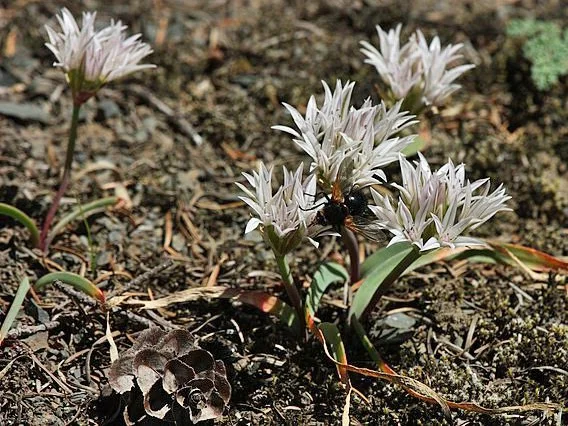
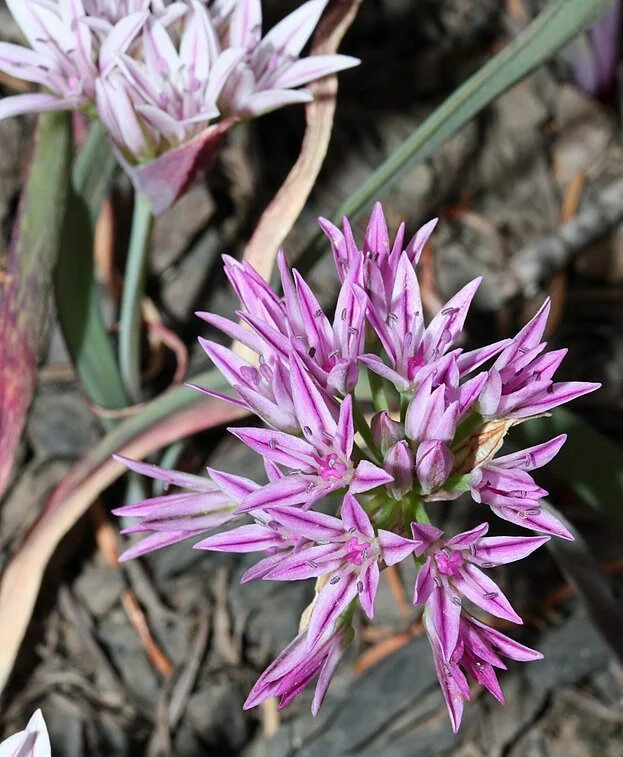
Flower Seeds
Olympic Onion Seeds – Allium crenulatum Flower Seeds – 10 Seed Pack – Outdoor Native Plant
Sold 50 products
Original price was: $25.00.$17.50Current price is: $17.50.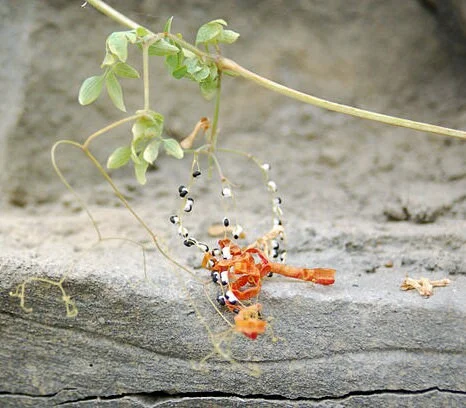
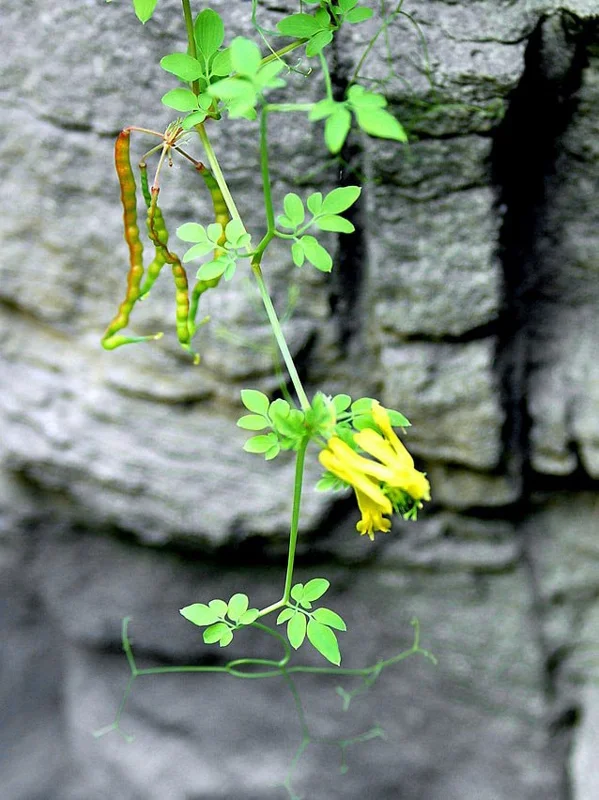
Sold 50 products
Original price was: $25.00.$17.50Current price is: $17.50.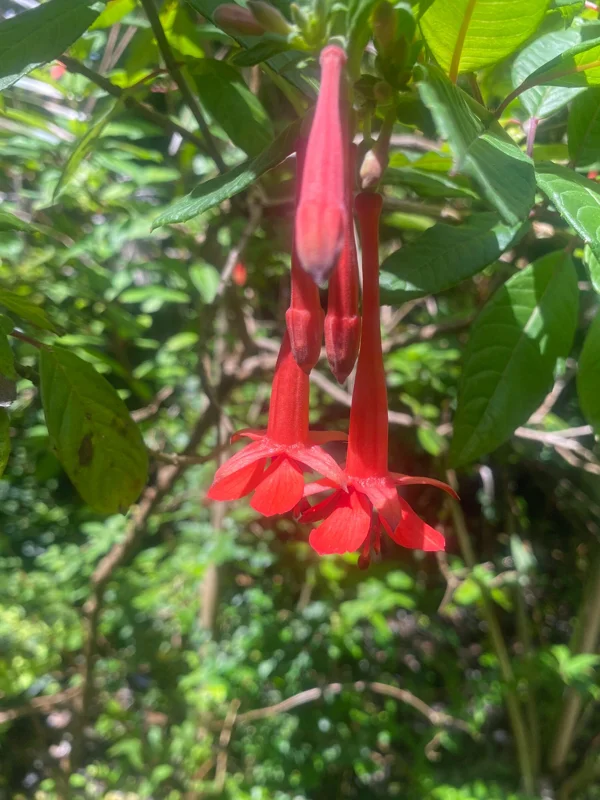
Flower Seeds
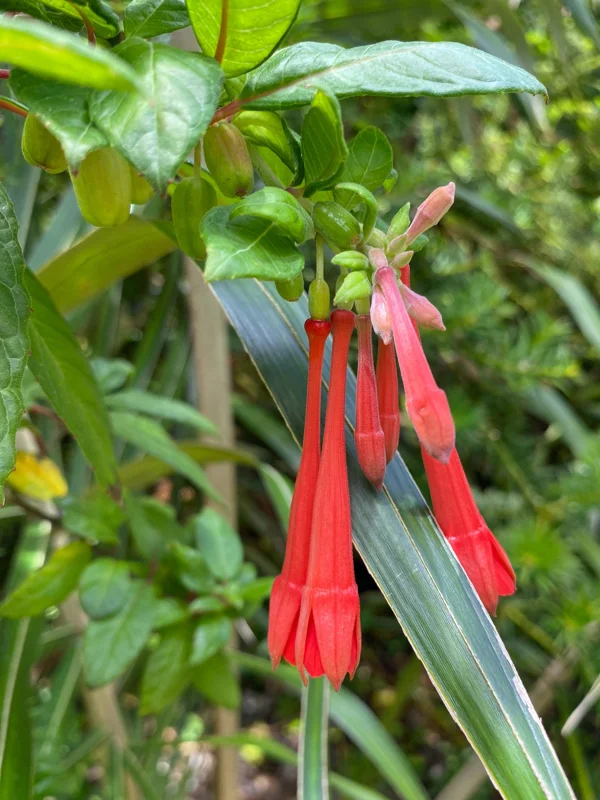
Fuchsia vulcanica Seeds – 20 Pack – Vibrant Orange Coral Flowers for Garden & Containers
Sold 50 products
Original price was: $25.00.$17.50Current price is: $17.50.
Sold 50 products
Original price was: $116.98.$95.68Current price is: $95.68.
Sold 50 products
Original price was: $21.00.$14.10Current price is: $14.10.
Aquatic Plant Seeds
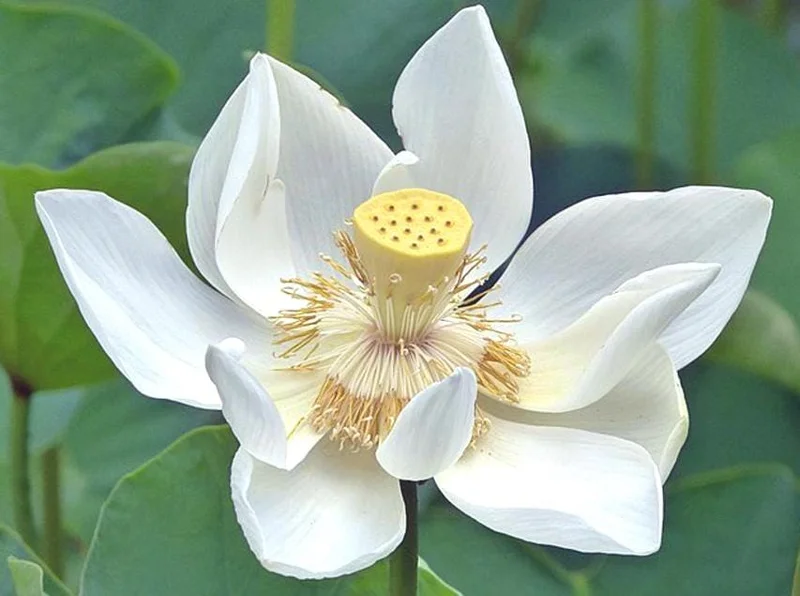
White Lotus Seeds – Nelumbo Nucifera Aquatic Pond Plant – 5 Seeds for Water Garden
Sold 50 products
Original price was: $29.00.$20.90Current price is: $20.90.RELATED posts
Awapuhi Wild Ginger Plant: Zones, Care, and Propagation
Learn which USDA zones suit awapuhi wild ginger, plus sunlight, water, planting, propagation, pests, size, [...]
Awapuhi Shampoo Ginger – Care, Growing Zones, and Differences
Learn how to grow awapuhi (shampoo) ginger, its USDA zones, watering schedule, propagation tips, and [...]
Awapuhi Shampoo Plant Buying Guide – Choose the Right Zingiber zerumbet
META: Learn which awapuhi (shampoo ginger) plant or rhizome pack gives the best natural shampoo, [...]
Awapuhi Plant for Sale: Complete Buying Guide
Find the right awapuhi (shampoo ginger) plant, size, price, soil mix, and online source. Practical [...]
Shampoo Ginger Plant for Sale – Buying Guide & Tips
Find the right shampoo ginger plant, size, price, and care tips. Quick guide for U.S. [...]
Shampoo Ginger Plant (Awapuhi) Care Guide
Learn how to grow, care for, and use shampoo ginger (Zingiber zerumbet), the tropical awapuhi [...]
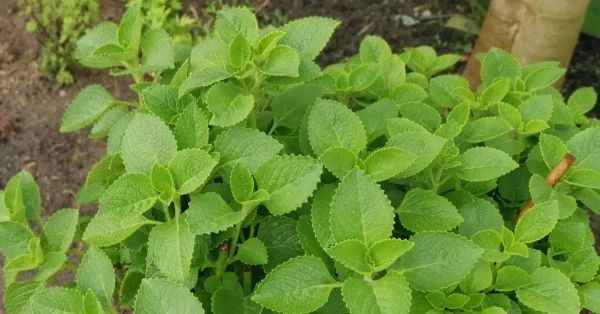
How to Grow Cuban Oregano Plants: A Complete Care Guide
If you’ve ever wanted a plant that combines the culinary punch of traditional oregano with [...]
Aug
How to Grow Habanero Pepper Plants: A Step-by-Step Guide
Habanero pepper plants are prized for their vibrant colors, intense heat, and exceptional flavor, making [...]
Aug
Reviews
There are no reviews yet.