
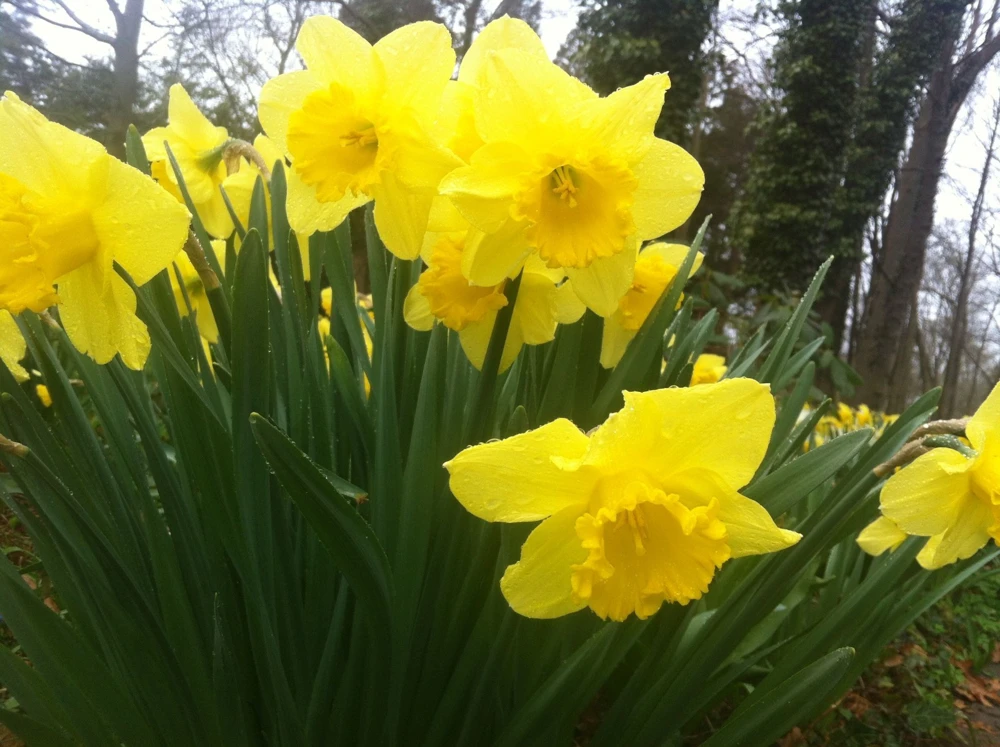
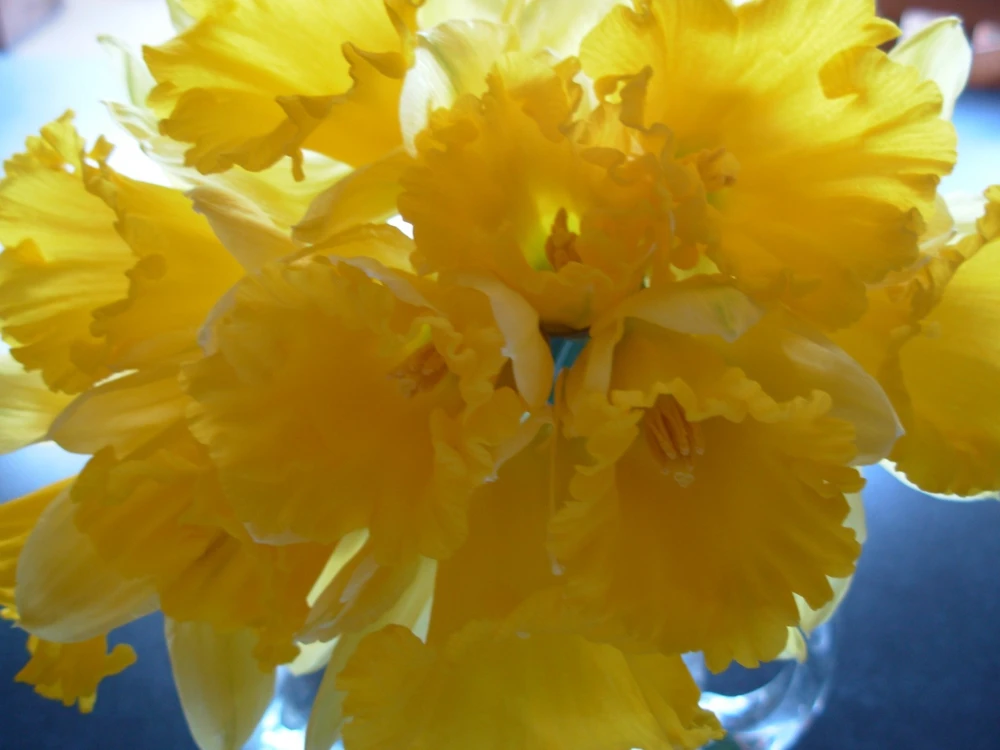
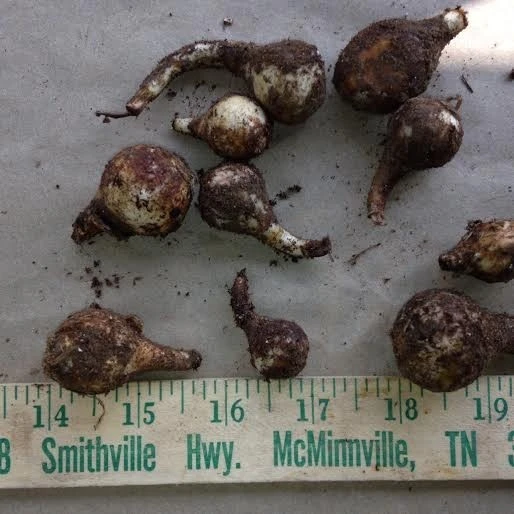
100 Wild Daffodil Bulbs – Lent Lily & Buttercup – Spring Flowering
Original price was: $105.70.$89.70Current price is: $89.70.
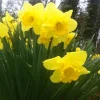
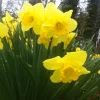
Discover the beauty of wild daffodil bulbs with this generous pack of 100. Perfect for naturalizing, these bulbs will produce charming Lent Lily and Buttercup varieties, bringing vibrant yellow hues to your garden each spring. Enjoy a low-maintenance, perennial bloom that enhances any landscape.
Shipping and Return policies:
We stand behind our plants with our Alive & Thrive Guarantee. If you experience any issues within the first 30 days, please email us, and our team will be happy to help. When needed, we’ll send you a one-time replacement free of charge to make sure your garden keeps growing strong.

Reasonable Price
We offer reasonable price

Support 24/7
Contact us 24 hrs a day
100% Money Back
You’ve 30 days to Return
Payment Secure
100% secure payment
Overview
Transform your garden into a springtime haven with this collection of wild daffodil bulbs. This generous offering includes 100 bulbs, featuring popular varieties like Lent Lily and Buttercup, renowned for their classic trumpet and cup shapes and cheerful yellow colors. Perfect for naturalizing, these bulbs will multiply over time, creating an increasingly spectacular display year after year. Daffodils, scientifically known as Narcissus pseudonarcissus for the wild varieties, are hardy, resilient plants that announce the arrival of spring with their vibrant blooms. Planting these wild daffodil bulbs is an investment in enduring beauty, providing a delightful show with minimal effort.
Whether you’re looking to fill a woodland edge, create a vibrant border, or add a splash of color to your lawn, these lent lily bulbs and Buttercup varieties are an excellent choice. They are known for their robust nature and ability to thrive in various conditions, making them a favorite among both seasoned gardeners and beginners. The charm of these wild daffodils lies in their natural elegance and their capacity to create a seamless transition from winter to the awakening of spring.
Key Benefits
Planting these wild daffodil bulbs offers a multitude of benefits, enhancing your garden’s aesthetic and ecological value:
- Stunning Spring Display: Enjoy a breathtaking array of yellow blooms that signal the arrival of spring, providing a much-needed splash of color after the winter months. The classic forms of Lent Lily and Buttercup daffodils are universally loved.
- Excellent for Naturalizing: These bulbs are ideal for naturalizing, meaning they will spread and multiply on their own, creating larger and more abundant drifts of flowers over time with very little intervention.
- Low Maintenance: Once established, daffodils are incredibly low-maintenance. They are drought-tolerant and generally resistant to pests and diseases, making them a hassle-free addition to your garden.
- Deer and Rodent Resistant: Daffodils contain alkaloids that are toxic to deer and rodents, making them a natural repellent and protecting your blooms from common garden pests. This is a significant advantage over many other flowering plants.
- Perennial Beauty: As perennial plants, these wild daffodil bulbs return year after year, offering a reliable and long-lasting source of beauty without the need for annual replanting.
- Versatile Planting Options: Perfect for borders, rock gardens, containers, or naturalized in grassy areas, these bulbs adapt well to various landscape designs, providing flexibility in your garden planning.
- Early Season Pollinator Support: The early blooms of daffodils provide an important nectar source for early emerging pollinators, contributing to a healthy garden ecosystem.
Plant Care & Growing Tips
To ensure your wild daffodil bulbs thrive and produce a spectacular spring show, proper planting and care are essential. Daffodils generally prefer a spot with full sun to partial shade, meaning they should receive at least 4-6 hours of direct sunlight per day. If planting under deciduous trees, ensure they get enough light before the tree leaves fully emerge in spring. Good air circulation is also beneficial to prevent fungal issues. These bulbs are quite adaptable but will perform best in well-draining soil. Avoid heavy clay soils that retain too much moisture, as this can lead to bulb rot. Amend poor soils with organic matter like compost to improve drainage and fertility.
Plant your lent lily bulbs and Buttercup varieties in the fall, typically 6-8 weeks before the first hard frost. Dig a hole that is about two to three times as deep as the bulb is tall. For example, if a bulb is 2 inches tall, plant it 4-6 inches deep. Place the bulb with the pointed end facing upwards. Space bulbs about 4-6 inches apart for a naturalized look, or closer for a more dense display. After planting, water thoroughly to settle the soil. During their active growth and blooming period in spring, ensure the soil remains consistently moist but not waterlogged. Once the foliage begins to yellow and die back after flowering, reduce watering. Fertilization is generally not necessary in the first year, but in subsequent years, you can apply a balanced granular fertilizer in early spring as new growth emerges.
Daffodils are remarkably resilient, but watch out for common issues. If foliage appears stunted or discolored, it might indicate a nutrient deficiency or pest problem. Slugs and snails can sometimes damage emerging foliage, but the bulbs themselves are largely pest-free. After flowering, allow the foliage to naturally die back; do not cut it off prematurely. The leaves are crucial for photosynthesizing and storing energy in the bulb for the following year’s bloom. Removing them too soon can weaken the bulb and reduce future flowering. These spring flowering bulbs are hardy and will typically return reliably for many years with minimal intervention.
Size & Details
This offering provides 100 wild daffodil bulbs, ensuring a substantial and impactful planting. These bulbs are typically shipped in a dormant state, ready for fall planting. Each bulb is carefully selected to ensure viability and robust growth. When mature, these daffodils generally grow to a height of 12-18 inches (30-45 cm), with individual blooms measuring approximately 2-4 inches across. The growth rate is moderate, with foliage emerging in early spring, followed by spectacular blooms from early to mid-spring, depending on your climate zone. The bulbs will establish themselves in the first year and begin to naturalize, meaning they will spread and increase in number over successive seasons, creating a denser and more expansive floral display. Expect the first blooms to appear in the spring following fall planting. The perennial nature of these buttercup daffodil and Lent Lily varieties means they will provide years of enjoyment.
Frequently Asked Questions
- Q: How many wild daffodil bulbs are included in this pack? A: This pack includes 100 wild daffodil bulbs, providing a generous quantity for creating a significant display or naturalizing a large area in your garden.
- Q: When is the best time to plant these bulbs? A: The best time to plant these spring flowering bulbs is in the fall, typically 6-8 weeks before the ground freezes solid. This allows the bulbs to establish roots before winter dormancy.
- Q: How deep should I plant the wild daffodil bulbs? A: Plant the bulbs approximately two to three times their height deep. For example, if a bulb is 2 inches tall, plant it 4-6 inches deep with the pointed end facing up.
- Q: What kind of sunlight do these daffodils prefer? A: Wild daffodil bulbs thrive in full sun to partial shade, ideally receiving at least 4-6 hours of direct sunlight per day. They can tolerate some shade, especially in warmer climates.
- Q: Are these daffodils deer and rodent resistant? A: Yes, daffodils are known to be deer and rodent resistant due to naturally occurring compounds that are unpalatable to these animals, making them a great choice for areas with wildlife.
- Q: What condition will the bulbs arrive in? A: The bulbs will arrive dormant and ready for planting. They are carefully packaged to ensure they reach you in optimal condition for successful growth.
- Q: How long will it take for the bulbs to bloom? A: Your lent lily bulbs and Buttercup varieties will typically bloom in the spring following their fall planting. They will continue to bloom each spring for many years.
- Q: Can I grow these wild daffodil bulbs in containers? A: Yes, these bulbs can be successfully grown in containers, provided the container is large enough and has good drainage. Ensure they are protected from extreme cold in winter if growing in pots.
- Q: What USDA hardiness zones are suitable for these daffodils? A: These wild daffodil bulbs are generally hardy in USDA zones 3-8, meaning they can withstand a wide range of winter temperatures.
- Q: Do I need to fertilize my daffodils? A: While not strictly necessary in the first year, a balanced granular fertilizer can be applied in early spring as new growth emerges in subsequent years to promote vigorous blooming.
Be the first to review “100 Wild Daffodil Bulbs – Lent Lily & Buttercup – Spring Flowering”
You must be logged in to post a review.
People also Viewed
Sold 50 products
$32.38
Sold 50 products
$27.38
Sold 50 products
$32.38
Sold 50 products
$19.88
Sold 50 products
$62.38
Sold 50 products
$24.88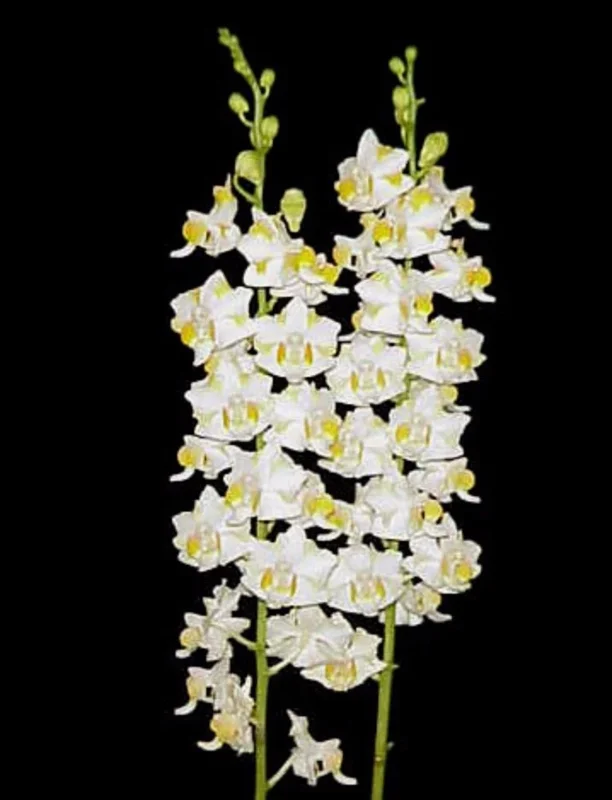
Houseplants
Phalaenopsis pulcherrima ‘Mauna Kea Snow’ Orchid Live Plant – White Flowers, Potted 2.5 in
Sold 50 products
$49.88
Sold 50 products
$49.88RELATED posts
Awapuhi Wild Ginger Plant: Zones, Care, and Propagation
Learn which USDA zones suit awapuhi wild ginger, plus sunlight, water, planting, propagation, pests, size, [...]
Awapuhi Shampoo Ginger – Care, Growing Zones, and Differences
Learn how to grow awapuhi (shampoo) ginger, its USDA zones, watering schedule, propagation tips, and [...]
Awapuhi Shampoo Plant Buying Guide – Choose the Right Zingiber zerumbet
META: Learn which awapuhi (shampoo ginger) plant or rhizome pack gives the best natural shampoo, [...]
Awapuhi Plant for Sale: Complete Buying Guide
Find the right awapuhi (shampoo ginger) plant, size, price, soil mix, and online source. Practical [...]
Shampoo Ginger Plant for Sale – Buying Guide & Tips
Find the right shampoo ginger plant, size, price, and care tips. Quick guide for U.S. [...]
Shampoo Ginger Plant (Awapuhi) Care Guide
Learn how to grow, care for, and use shampoo ginger (Zingiber zerumbet), the tropical awapuhi [...]
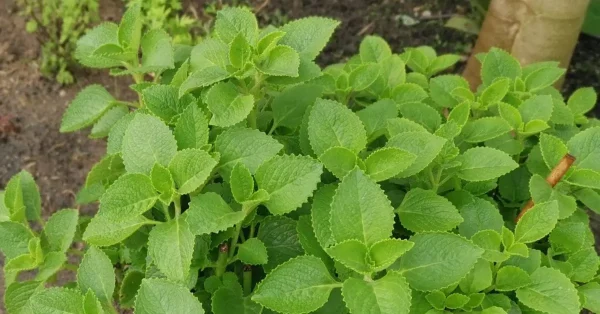
How to Grow Cuban Oregano Plants: A Complete Care Guide
If you’ve ever wanted a plant that combines the culinary punch of traditional oregano with [...]
Aug
How to Grow Habanero Pepper Plants: A Step-by-Step Guide
Habanero pepper plants are prized for their vibrant colors, intense heat, and exceptional flavor, making [...]
Aug
Reviews
There are no reviews yet.