
100 Rosemary Seeds – Salvia rosmarinus, Heirloom, Drought Tolerant, Outdoor
Original price was: $18.60.$14.88Current price is: $14.88.
Cultivate your own aromatic herb garden with this packet of rosemary seeds. Each packet contains 100 rosemary seeds (Salvia rosmarinus), perfect for growing fragrant, drought-tolerant plants. Ideal for culinary use, rock gardens, and Mediterranean-style landscapes.
Shipping and Return policies:
We stand behind our plants with our Alive & Thrive Guarantee. If you experience any issues within the first 30 days, please email us, and our team will be happy to help. When needed, we’ll send you a one-time replacement free of charge to make sure your garden keeps growing strong.

Reasonable Price
We offer reasonable price

Support 24/7
Contact us 24 hrs a day
100% Money Back
You’ve 30 days to Return
Payment Secure
100% secure payment
Overview
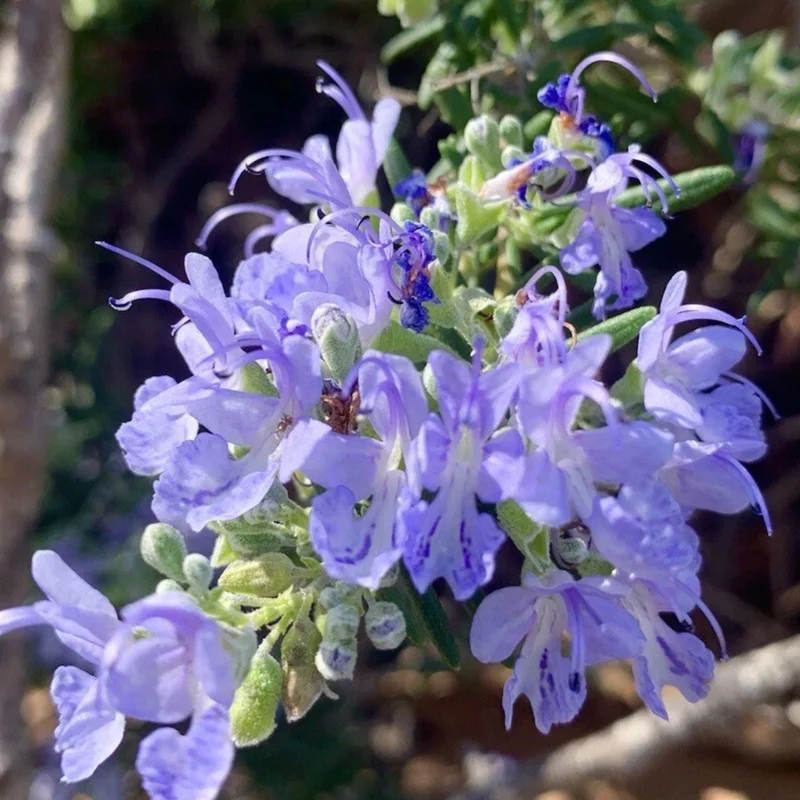
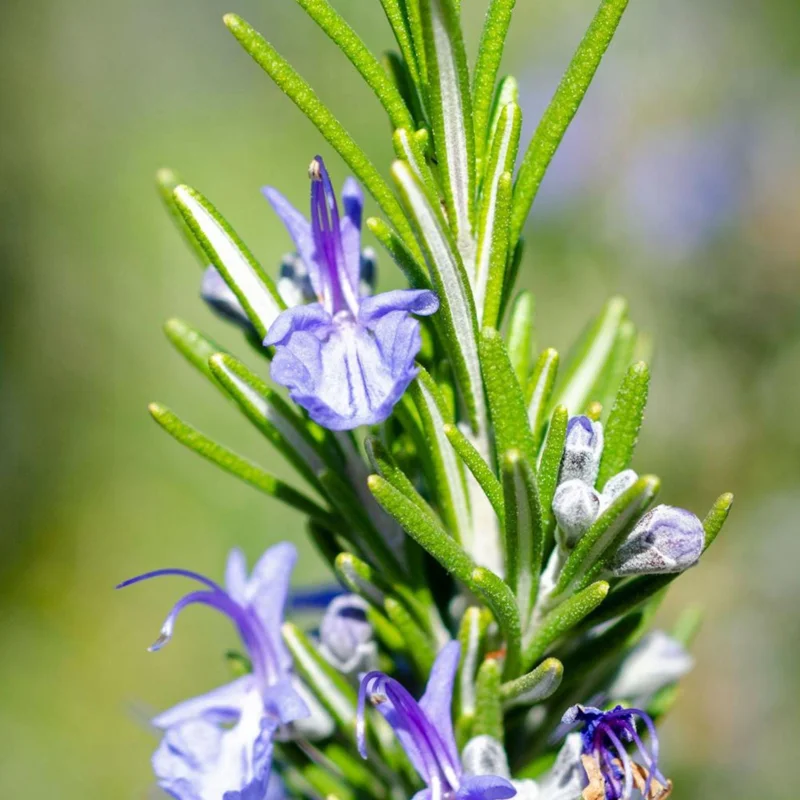
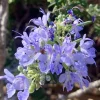
Embark on a rewarding gardening journey with these premium rosemary seeds. You will receive 100 rosemary seeds of the scientific name Salvia rosmarinus, formerly known as Rosmarinus officinalis. These heirloom seeds allow you to cultivate a versatile and aromatic evergreen perennial, cherished for its needle-like foliage and pale blue to lavender flowers. Rosemary is a staple in many culinary traditions, offering a distinctive flavor that enhances a wide array of dishes. Beyond its kitchen utility, this plant is a beautiful addition to any garden, thriving in various settings from pots to raised beds and ornamental landscapes. Growing rosemary seeds is a fulfilling experience, leading to a robust plant that brings both beauty and utility to your home.
This offering is specifically for seeds, providing you with the opportunity to nurture your own rosemary plants from the very beginning. The seeds are fresh and untreated, ensuring a natural start to your gardening project. Whether you are an experienced gardener or just starting out, these salvia rosmarinus seeds are a fantastic choice for adding a touch of Mediterranean charm and a wealth of flavor to your outdoor or container garden. The resulting plants are known for their attractive growth pattern and resilience, making them a popular choice for many gardeners.
Key Benefits
Growing your own rosemary from these rosemary seeds offers numerous advantages, enriching both your garden and your lifestyle. Here are some of the key benefits:
- Culinary Versatility: Harvest fresh rosemary leaves to elevate your cooking. Its strong, piney flavor is perfect for roasted meats, vegetables, bread, and infused oils, making it an essential herb for any kitchen garden.
- Aromatic Appeal: The fragrant foliage of rosemary releases a delightful scent, especially when brushed against. It’s a natural air freshener for your garden and a wonderful addition to potpourris and sachets.
- Drought Tolerance: Once established, plants grown from these drought tolerant herb seeds require minimal watering, making them an excellent choice for xeriscaping or gardens in drier climates, reducing your water consumption.
- Ornamental Value: With its attractive growth habit, evergreen needle-like leaves, and delicate pale blue flowers, rosemary serves as a beautiful ornamental plant. It’s ideal for rock gardens, patio pots, and Mediterranean-style landscapes.
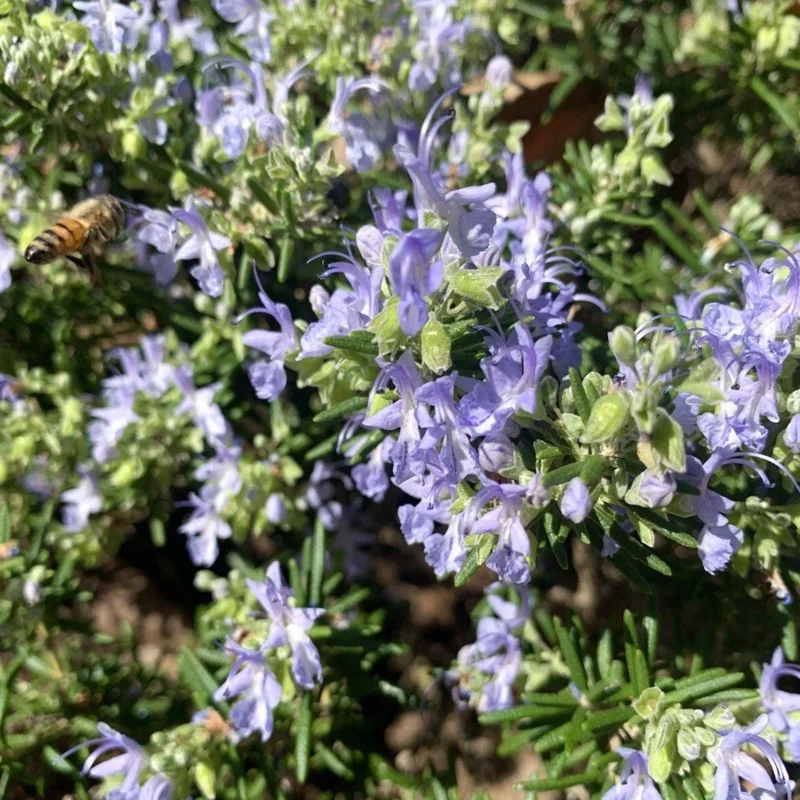
- Pollinator Friendly: The flowers of rosemary attract beneficial pollinators like bees, contributing to a healthier garden ecosystem and supporting local wildlife.
- Heirloom Quality: These are heirloom rosemary seeds, meaning they are open-pollinated and can be saved and replanted season after season, preserving genetic diversity and allowing you to grow true-to-type plants.
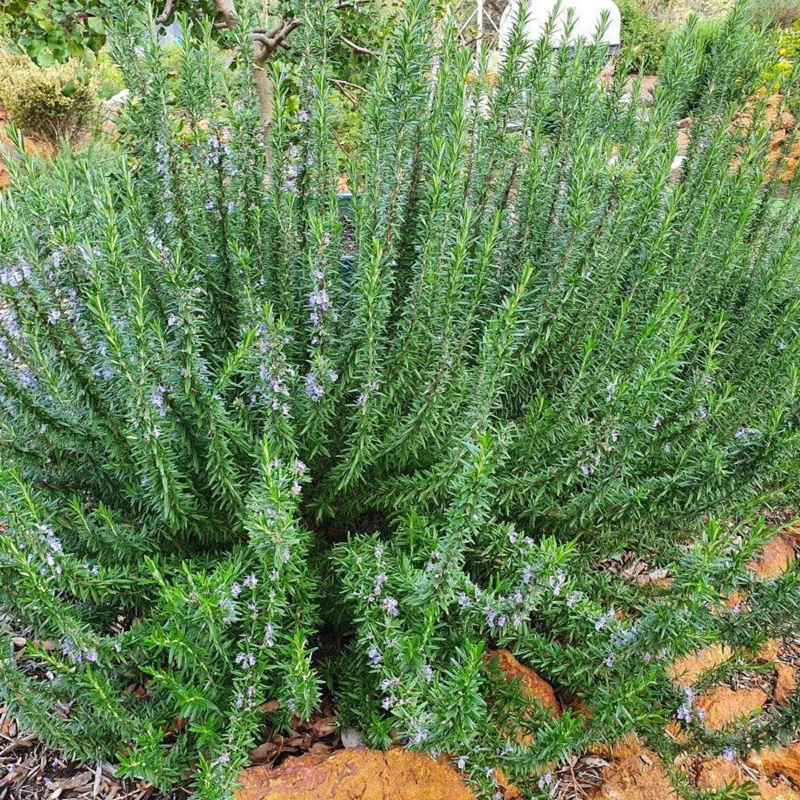
- Adaptable Growth: Rosemary can be grown in various settings, including garden beds, containers, and even as a low hedge, offering flexibility in your garden design. It’s a robust plant that adapts well to different environments.
Plant Care & Growing Tips
Cultivating rosemary seeds into thriving plants requires attention to a few key environmental factors. Rosemary prefers a location that receives full sun, meaning at least 6-8 hours of direct sunlight per day. In hotter climates, some afternoon shade can be beneficial to prevent scorching, but generally, the more sun, the better for robust growth and aromatic foliage. When starting your rosemary seeds indoors, ensure they receive ample light from a south-facing window or under grow lights.
The ideal soil for rosemary is well-draining, sandy or loamy. It’s crucial to avoid heavy, waterlogged soils, as this can lead to root rot. If planting in containers, use a high-quality potting mix blended with perlite or sand to improve drainage. For garden beds, amending heavy clay soils with organic matter and sand will create a more suitable environment. Rosemary is drought tolerant once established, so allow the soil to dry out completely between waterings. Overwatering is a common mistake; err on the side of underwatering rather than overwatering. During germination, keep the soil consistently moist but not saturated.
Rosemary is an evergreen perennial that generally thrives in USDA hardiness zones 7-10, though some varieties can tolerate colder temperatures. It prefers moderate temperatures and can be sensitive to hard frosts. In colder zones, it can be grown as an annual or brought indoors during winter. Fertilization is typically minimal; rosemary prefers lean soil. A light application of balanced, slow-release fertilizer in spring is usually sufficient. Be patient with germination; grow rosemary from seed can take 14-28+ days, and sometimes even longer, with uneven sprouting. Providing consistent warmth and moisture during this period is key.
Size & Details
This offering includes 100 rosemary seeds (Salvia rosmarinus), ready for you to plant and cultivate. These fresh, untreated seeds provide the foundation for growing healthy, aromatic rosemary plants. Once mature, a rosemary plant typically reaches a height of 2–5 feet and can spread similarly, forming a bushy, evergreen shrub. The growth habit can vary slightly depending on environmental conditions and pruning. The foliage consists of aromatic green needle-like leaves, which are highly valued for their culinary and fragrant properties. The plant produces delicate pale blue to lavender flowers, usually blooming from spring to summer, depending on the climate and growing conditions.
When you grow rosemary from seed, expect a germination period of approximately 14–28 days, though it can sometimes be slower and uneven. The seeds are suitable for both outdoor planting in garden beds or for cultivation in containers, making them versatile for various gardening setups. While mature plants are drought tolerant, consistent moisture is important during the germination and establishment phases. These heirloom rosemary seeds will produce robust plants that offer a continuous supply of fresh herbs for many years if properly cared for.
Frequently Asked Questions
- Q: How big does a rosemary plant get from these seeds? A: A mature rosemary plant grown from these seeds typically reaches a height of 2 to 5 feet and can spread equally wide. Its ultimate size will depend on growing conditions, climate, and whether it’s pruned.
- Q: Is this an indoor or outdoor plant? A: Rosemary is primarily an outdoor plant, thriving in full sun. However, in colder climates (below USDA Zone 7), it can be grown in containers and brought indoors for the winter to protect it from frost. These rosemary seeds are suitable for both.
- Q: How much sunlight do these rosemary seeds need to grow? A: Once germinated, rosemary plants require full sun, meaning at least 6-8 hours of direct sunlight per day, for optimal growth and flavor development.
- Q: Is this plant easy to care for? Is it good for beginners? A: While germinating rosemary seeds can be a bit slow, established rosemary plants are relatively easy to care for, especially due to their drought tolerance. They are a good choice for beginners who can provide plenty of sunlight and well-draining soil.
- Q: What condition will the seeds arrive in? A: You will receive 100 rosemary seeds that are fresh and untreated, ready for planting. They are packaged to ensure their viability for successful germination.
- Q: Can I use rosemary grown from these seeds in cooking? A: Absolutely! The rosemary grown from these salvia rosmarinus seeds is perfect for culinary use. Its aromatic leaves are excellent for flavoring a wide range of dishes, from roasted vegetables to meats.
- Q: How long until the rosemary plant blooms? A: Rosemary typically starts blooming in spring to summer, but the exact timing can vary by climate and growing conditions. Plants grown from seed may take a season or two to reach maturity and begin flowering.
- Q: What’s the minimum temperature these plants can tolerate? A: Mature rosemary plants are generally hardy in USDA Zones 7-10. They can tolerate light frosts but may suffer damage or die back in prolonged hard freezes. Bringing container-grown plants indoors is recommended in colder zones.
- Q: Are these heirloom seeds? A: Yes, these are heirloom rosemary seeds, which means they are open-pollinated and will produce plants that are true to type. This allows you to save seeds from your own plants for future growing seasons.
- Q: What kind of soil is best for growing rosemary from seed? A: Rosemary thrives in well-draining, sandy or loamy soil. It’s crucial to avoid heavy, water-retentive soils, which can lead to root issues. Good drainage is key for these drought tolerant herb seeds.
Be the first to review “100 Rosemary Seeds – Salvia rosmarinus, Heirloom, Drought Tolerant, Outdoor”
You must be logged in to post a review.
People also Viewed
Sold 50 products
Original price was: $109.95.$79.98Current price is: $79.98.
Sold 50 products
Original price was: $25.00.$17.50Current price is: $17.50.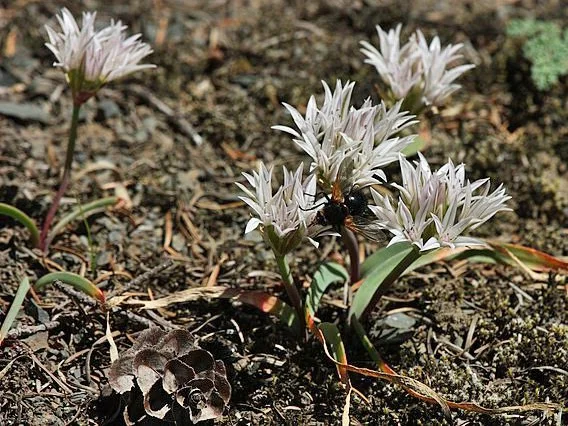
Flower Seeds
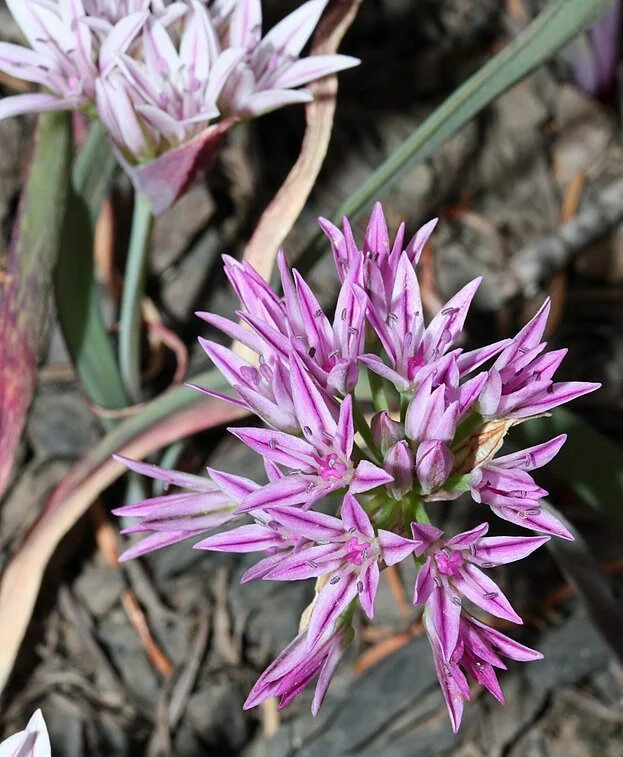
Olympic Onion Seeds – Allium crenulatum Flower Seeds – 10 Seed Pack – Outdoor Native Plant
Sold 50 products
Original price was: $25.00.$17.50Current price is: $17.50.
Sold 50 products
Original price was: $25.00.$17.50Current price is: $17.50.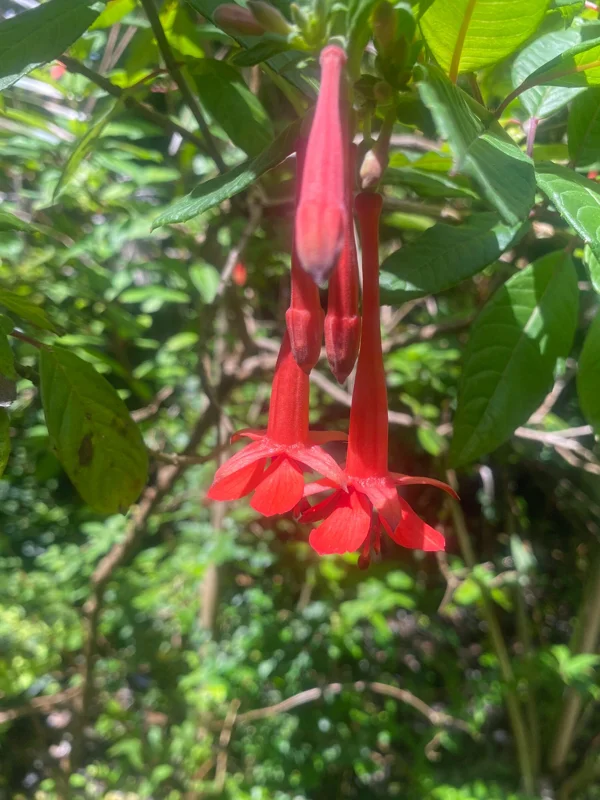
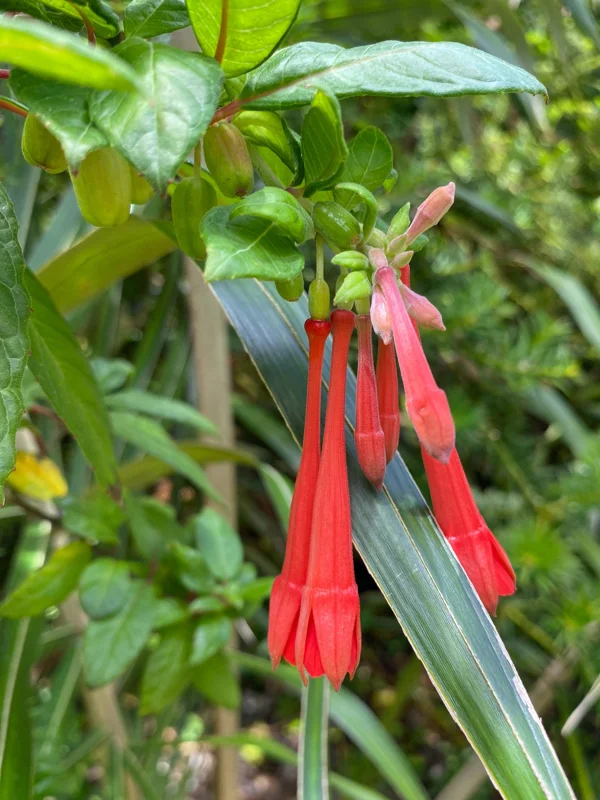
Flower Seeds
Fuchsia vulcanica Seeds – 20 Pack – Vibrant Orange Coral Flowers for Garden & Containers
Sold 50 products
Original price was: $25.00.$17.50Current price is: $17.50.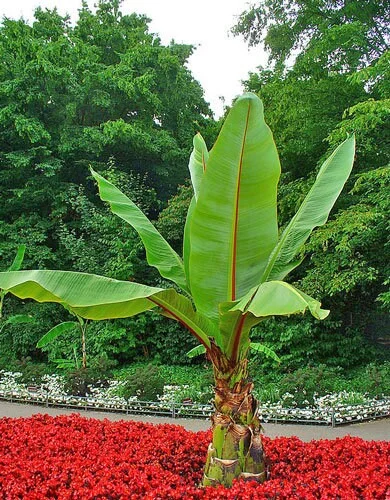
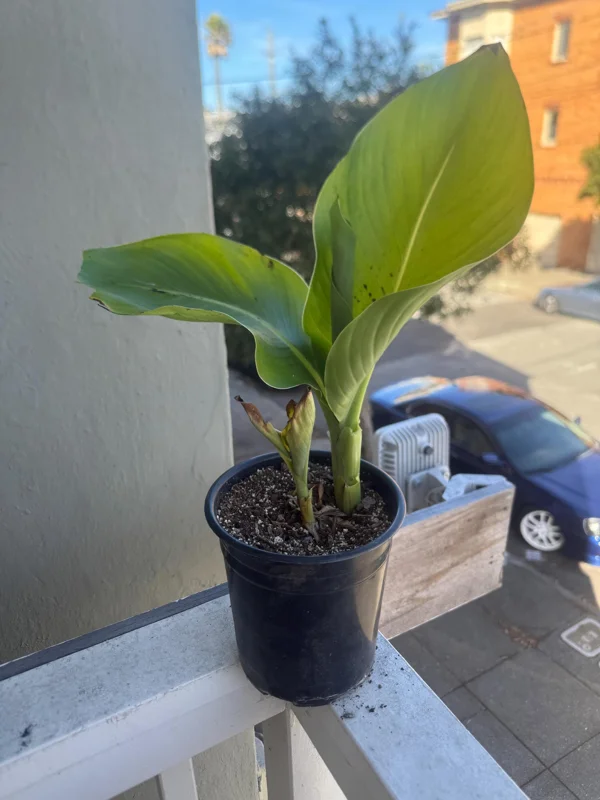
Sold 50 products
Original price was: $116.98.$95.68Current price is: $95.68.
Sold 50 products
Original price was: $21.00.$14.10Current price is: $14.10.
Aquatic Plant Seeds
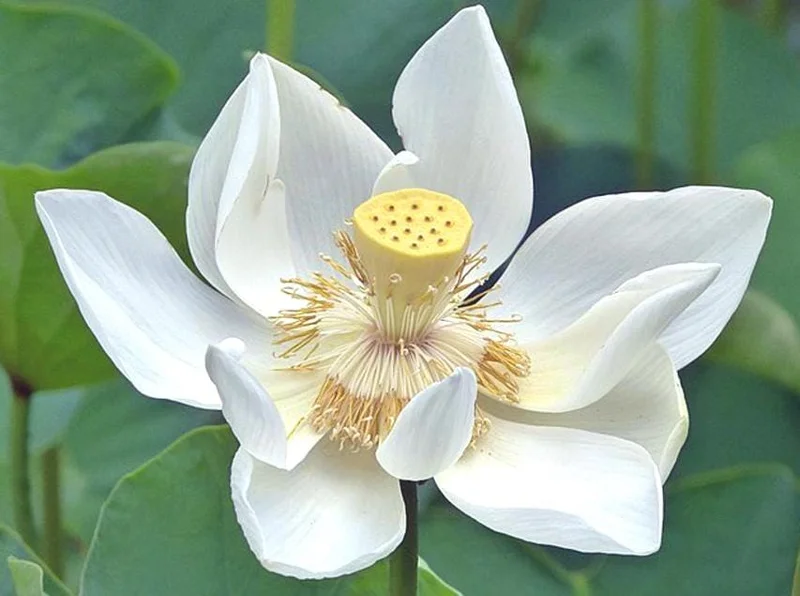
White Lotus Seeds – Nelumbo Nucifera Aquatic Pond Plant – 5 Seeds for Water Garden
Sold 50 products
Original price was: $29.00.$20.90Current price is: $20.90.RELATED posts
Awapuhi Wild Ginger Plant: Zones, Care, and Propagation
Learn which USDA zones suit awapuhi wild ginger, plus sunlight, water, planting, propagation, pests, size, [...]
Awapuhi Shampoo Ginger – Care, Growing Zones, and Differences
Learn how to grow awapuhi (shampoo) ginger, its USDA zones, watering schedule, propagation tips, and [...]
Awapuhi Shampoo Plant Buying Guide – Choose the Right Zingiber zerumbet
META: Learn which awapuhi (shampoo ginger) plant or rhizome pack gives the best natural shampoo, [...]
Awapuhi Plant for Sale: Complete Buying Guide
Find the right awapuhi (shampoo ginger) plant, size, price, soil mix, and online source. Practical [...]
Shampoo Ginger Plant for Sale – Buying Guide & Tips
Find the right shampoo ginger plant, size, price, and care tips. Quick guide for U.S. [...]
Shampoo Ginger Plant (Awapuhi) Care Guide
Learn how to grow, care for, and use shampoo ginger (Zingiber zerumbet), the tropical awapuhi [...]
How to Grow Cuban Oregano Plants: A Complete Care Guide
If you’ve ever wanted a plant that combines the culinary punch of traditional oregano with [...]
Aug
How to Grow Habanero Pepper Plants: A Step-by-Step Guide
Habanero pepper plants are prized for their vibrant colors, intense heat, and exceptional flavor, making [...]
Aug
Reviews
There are no reviews yet.