
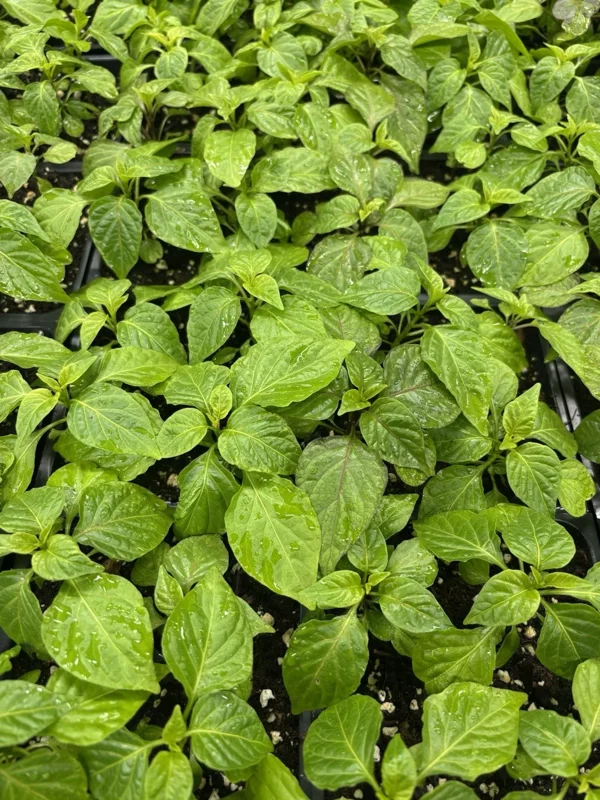
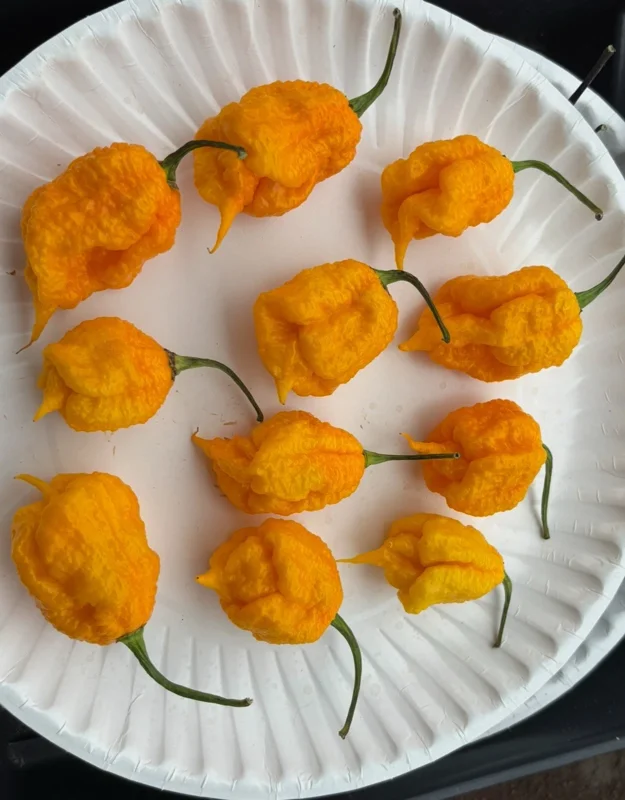
Yellow Carolina Reaper Super Hot Pepper Live Plants – Lot of 3, 75+ Days Old, Vegetative Stage
$44.00
Cultivate your own fiery harvest with this lot of 3 yellow Carolina Reaper live plant. These 75+ day old plants are in their vegetative stage, ready to thrive and produce the world’s hottest peppers. Ideal for gardeners passionate about extreme heat and unique chili varieties.
Shipping and Return policies:
We stand behind our plants with our Alive & Thrive Guarantee. If you experience any issues within the first 30 days, please email us, and our team will be happy to help. When needed, we’ll send you a one-time replacement free of charge to make sure your garden keeps growing strong.

Reasonable Price
We offer reasonable price

Support 24/7
Contact us 24 hrs a day
100% Money Back
You’ve 30 days to Return
Payment Secure
100% secure payment
Overview
Embark on an exciting gardening adventure with this lot of 3 yellow Carolina Reaper live plant. Each plant is over 75 days old, ensuring they are well-established and in a robust vegetative growth stage, poised to produce an abundance of the famously potent Carolina Reaper peppers. Known globally as one of the hottest chili peppers, the Yellow Carolina Reaper offers the same intense heat as its red counterpart, but with a vibrant yellow hue and often a slightly fruitier flavor profile. These super hot pepper plant specimens are perfect for serious chili enthusiasts, gardeners looking to challenge their taste buds, or those who enjoy making their own extreme hot sauces and culinary creations. Cultivating these plants brings a unique and rewarding experience, culminating in a harvest of truly exceptional peppers.
The Carolina Reaper (Capsicum chinense) was officially recognized as the world’s hottest chili pepper by Guinness World Records in 2013, with an average of 1.5 million Scoville Heat Units (SHU) and peaks over 2.2 million SHU. Our yellow Carolina Reaper live plant provides the opportunity to grow this legendary pepper right in your own garden or patio. These live plants are a fantastic starting point for a successful and spicy growing season.
Key Benefits
Growing your own Yellow Carolina Reaper peppers offers a multitude of benefits, from the thrill of cultivating extreme heat to enhancing your culinary repertoire. These plants are not just about spice; they also offer a rewarding gardening experience and a unique visual appeal.
- Extreme Heat & Flavor: Harvest the world’s hottest peppers with a unique fruity undertone. The intense heat from your yellow Carolina Reaper live plant is perfect for making potent sauces, powders, and culinary experiments that demand serious spice.
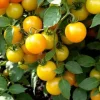
- Vibrant Yellow Pods: Enjoy the striking visual appeal of bright yellow peppers against lush green foliage, adding an exotic touch to your garden or patio. This distinct color makes them stand out among other chili varieties.
- Established Growth: Receive plants that are 75+ days old and in a strong vegetative stage, giving you a head start on the growing season and a higher chance of a bountiful harvest. These mature plants are more resilient.
- Culinary Versatility: Use your fresh Yellow Carolina Reapers to craft homemade hot sauces, chili powders, salsas, or to add an unforgettable kick to stews and marinades. The flavor complexity goes beyond just heat.
- Rewarding Gardening Project: Experience the satisfaction of nurturing a challenging yet highly rewarding plant from its early stages to a successful harvest. Growing Carolina Reaper peppers is a true achievement for any gardener.
- Outdoor & Container Friendly: While thriving outdoors in warm climates, these pepper plants also perform well in large containers, making them suitable for patios, balconies, or regions with shorter growing seasons.
- Freshness & Quality Control: Ensure the freshest, highest-quality peppers by growing them yourself, free from pesticides or unknown growing conditions often found in store-bought produce.
Plant Care & Growing Tips
Caring for your super hot pepper plant, especially the Yellow Carolina Reaper, requires attention to detail, but the rewards are well worth the effort. These plants thrive in warm conditions and require specific care to produce their potent fruit. Provide your plants with at least 6-8 hours of direct sunlight daily; full sun is ideal for optimal growth and fruit production. If growing indoors, a powerful grow light is essential.
The ideal soil for growing Carolina Reaper peppers is a well-draining, fertile potting mix with a pH between 6.0 and 6.8. Amend heavy soils with compost or perlite to improve drainage. Water regularly, keeping the soil consistently moist but never waterlogged. Allow the top inch of soil to dry out slightly between waterings. Overwatering can lead to root rot, while underwatering can stress the plant and reduce yield. Fertilize your plants every 2-4 weeks with a balanced liquid fertilizer during the vegetative stage, switching to a fertilizer higher in phosphorus and potassium once flowering begins to encourage fruit set. These plants are sensitive to cold; protect them from temperatures below 50°F (10°C). They are best suited for USDA zones 9-11 for year-round outdoor growth, but can be grown as annuals or overwintered indoors in cooler zones.
Watch out for common pepper pests like aphids and spider mites, and treat with organic insecticidal soap if necessary. Ensure good air circulation to prevent fungal diseases. Providing support with stakes or cages can help the plant handle the weight of numerous peppers as they mature. Proper care will ensure a healthy and productive hot pepper plants that yield a fiery harvest.
Size & Details
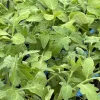
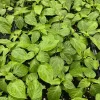
This offering includes a lot of 3 established yellow Carolina Reaper live plant specimens. Each plant is approximately 75+ days old, indicating a significant period of initial growth and development. They are in a healthy vegetative stage, meaning they have developed a strong root system and foliage, preparing them for flowering and fruiting. While specific dimensions can vary, these plants typically arrive ready to be transplanted into larger containers or directly into your garden bed. Carolina Reaper plants generally grow to be 3-5 feet tall and 2-3 feet wide, depending on growing conditions and pot size. The peppers themselves are small, wrinkled, and often have a distinctive ‘stinger’ tail, maturing from green to a vivid yellow. Expect fruit production to begin several weeks after transplanting, with a continuous harvest throughout the warm season.
Frequently Asked Questions
- Q: How big do these yellow Carolina Reaper live plants get? A: A mature yellow Carolina Reaper live plant typically grows to a height of 3 to 5 feet and can spread 2 to 3 feet wide, depending on growing conditions and container size. Providing ample space allows for larger yields.
- Q: Is this an indoor or outdoor plant? A: While these plants thrive outdoors in warm climates with full sun, they can also be grown indoors in large pots with sufficient light, such as from a strong grow lamp. For cooler climates, they are often grown as annuals or overwintered inside.
- Q: How much sunlight does a super hot pepper plant need? A: Super hot pepper plant varieties, including the Carolina Reaper, require a minimum of 6-8 hours of direct sunlight per day to produce the best fruit and heat. More sun generally leads to better yields.
- Q: Is this plant easy to care for? A: Carolina Reapers require consistent care, including regular watering, proper fertilization, and protection from cold. They are not considered beginner-level plants compared to milder peppers, but are manageable for dedicated gardeners.
- Q: What condition will the plants arrive in? A: The plants are shipped over 75 days old and in a healthy vegetative stage. While some minor leaf yellowing might occur during transit, they are packaged to withstand shipping and recover quickly upon arrival.
- Q: When is the best time to plant these hot pepper plants? A: The best time to plant your hot pepper plants outdoors is after all danger of frost has passed in spring, when nighttime temperatures consistently stay above 50°F (10°C). For earlier starts, begin indoors and transplant later.
- Q: Will it survive winter in my zone? A: Carolina Reaper plants are not frost-hardy. In USDA Zones 9-11, they can survive winter outdoors. In colder zones, they must be brought indoors or grown as annuals, as they cannot tolerate freezing temperatures.
- Q: What type of soil is best for growing Carolina Reaper? A: A rich, well-draining potting mix with a slightly acidic to neutral pH (6.0-6.8) is ideal for growing Carolina Reaper. Good drainage is crucial to prevent root issues.
- Q: Can I grow these hot pepper plants in a container? A: Yes, these hot pepper plants are well-suited for container gardening. A pot size of at least 5 gallons (10-12 inches in diameter) is recommended to allow for adequate root development and fruit production.
- Q: Do these plants require any special fertilization? A: Yes, consistent fertilization is important. Use a balanced fertilizer during vegetative growth, then switch to one higher in phosphorus and potassium once flowers appear to support fruit development.
Be the first to review “Yellow Carolina Reaper Super Hot Pepper Live Plants – Lot of 3, 75+ Days Old, Vegetative Stage”
You must be logged in to post a review.
People also Viewed
Sold 50 products
$32.38
Sold 50 products
$27.38
Sold 50 products
$32.38
Sold 50 products
$19.88
Sold 50 products
$62.38
Sold 50 products
$24.88
Houseplants
Phalaenopsis pulcherrima ‘Mauna Kea Snow’ Orchid Live Plant – White Flowers, Potted 2.5 in
Sold 50 products
$49.88
Sold 50 products
$49.88RELATED posts
Awapuhi Wild Ginger Plant: Zones, Care, and Propagation
Learn which USDA zones suit awapuhi wild ginger, plus sunlight, water, planting, propagation, pests, size, [...]
Awapuhi Shampoo Ginger – Care, Growing Zones, and Differences
Learn how to grow awapuhi (shampoo) ginger, its USDA zones, watering schedule, propagation tips, and [...]
Awapuhi Shampoo Plant Buying Guide – Choose the Right Zingiber zerumbet
META: Learn which awapuhi (shampoo ginger) plant or rhizome pack gives the best natural shampoo, [...]
Awapuhi Plant for Sale: Complete Buying Guide
Find the right awapuhi (shampoo ginger) plant, size, price, soil mix, and online source. Practical [...]
Shampoo Ginger Plant for Sale – Buying Guide & Tips
Find the right shampoo ginger plant, size, price, and care tips. Quick guide for U.S. [...]
Shampoo Ginger Plant (Awapuhi) Care Guide
Learn how to grow, care for, and use shampoo ginger (Zingiber zerumbet), the tropical awapuhi [...]
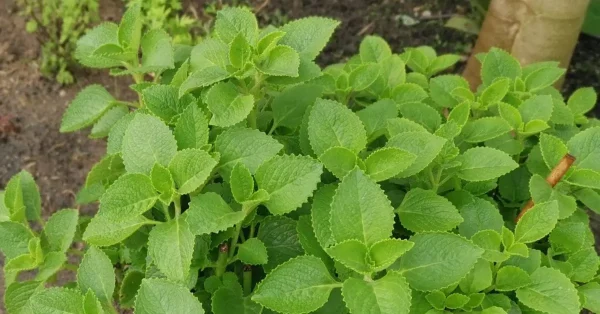
How to Grow Cuban Oregano Plants: A Complete Care Guide
If you’ve ever wanted a plant that combines the culinary punch of traditional oregano with [...]
Aug
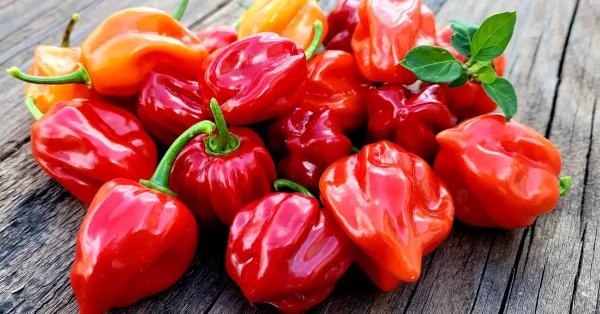
How to Grow Habanero Pepper Plants: A Step-by-Step Guide
Habanero pepper plants are prized for their vibrant colors, intense heat, and exceptional flavor, making [...]
Aug
Reviews
There are no reviews yet.