
Walking Iris Live Plant – Fringed Purple Flowers – 3 Bare Root Rhizomes – Outdoor
$16.18
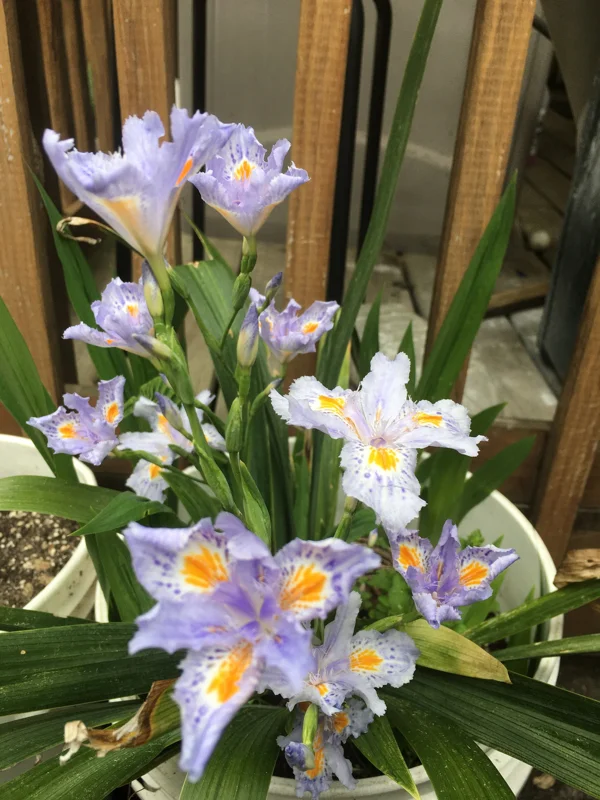
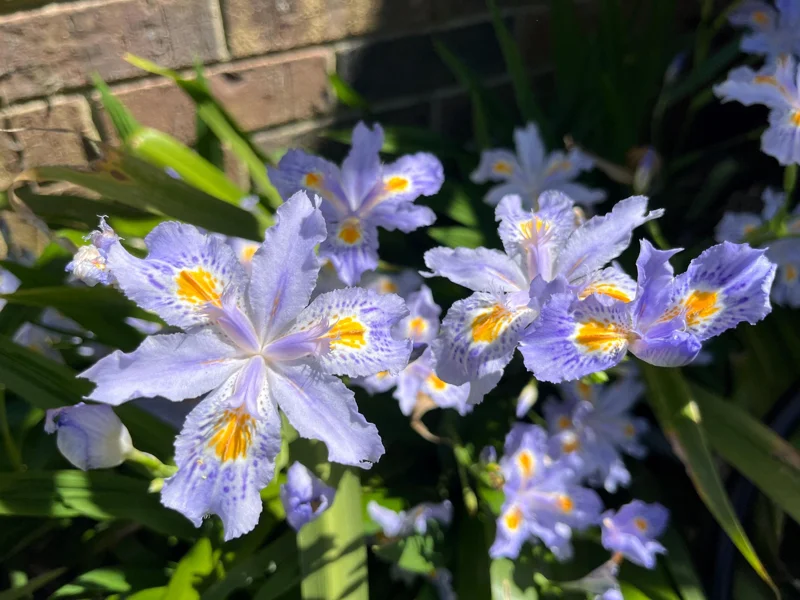
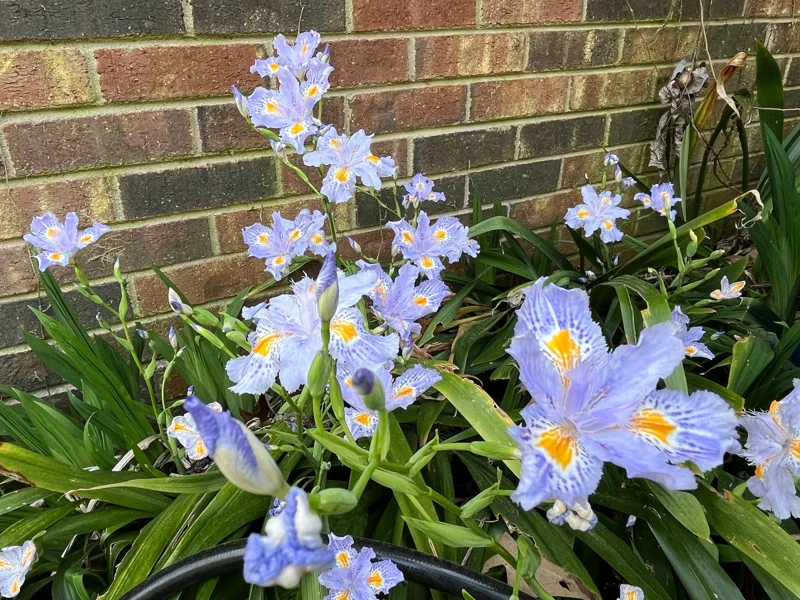
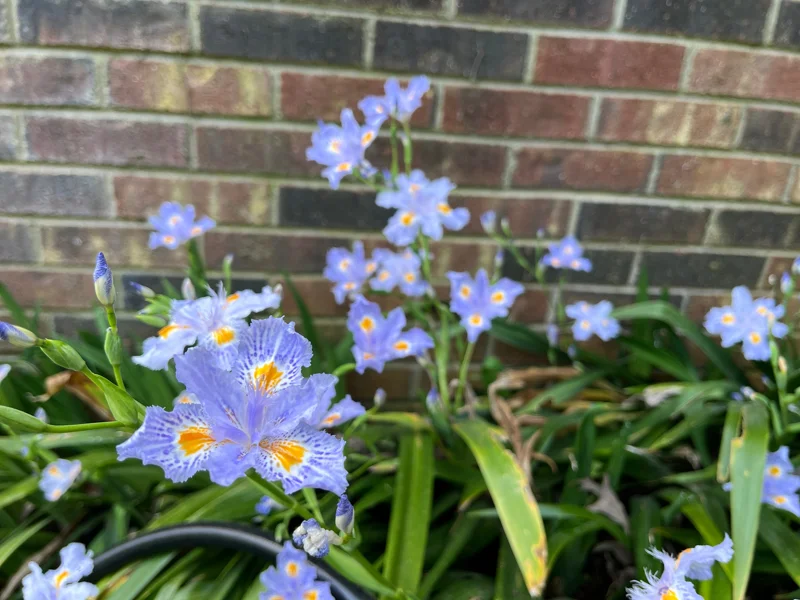
Bring elegance to your garden with the unique walking iris live plant. This heirloom variety features stunning fringed purple flowers with yellow throats, blooming for an extended period. Easy to grow and low maintenance, ideal for various garden themes. You will receive 3 well-rooted bare root rhizomes.
Shipping and Return policies:
We stand behind our plants with our Alive & Thrive Guarantee. If you experience any issues within the first 30 days, please email us, and our team will be happy to help. When needed, we’ll send you a one-time replacement free of charge to make sure your garden keeps growing strong.

Reasonable Price
We offer reasonable price

Support 24/7
Contact us 24 hrs a day
100% Money Back
You’ve 30 days to Return
Payment Secure
100% secure payment
Overview
Introduce a touch of captivating beauty to your outdoor space with the extraordinary walking iris live plant. Also known as the Fringed Iris or Japanese Iris Japonica, this heirloom variety is celebrated for its distinctive charm and vigorous growth. Unlike many other irises, the walking iris live plant produces abundant sprays of delicate, lavender-blue flowers adorned with striking yellow throats and intricate purple markings on their fringed petals. Its blooms are not only exquisite but also remarkably long-lasting, providing an extended season of color and interest. This easy-to-grow evergreen perennial forms dense patches of attractive, strap-like green leaves, spreading gracefully through underground rhizomes and runners, giving it the endearing name ‘walking iris’.
Key Benefits
The walking iris live plant offers a multitude of advantages for gardeners seeking both beauty and ease of care. Its unique characteristics make it a standout choice for diverse garden designs.
- Extended Bloom Period: Enjoy beautiful, dainty lavender-blue flowers for a significantly longer duration compared to many other iris varieties, ensuring continuous visual appeal in your garden.
- Low Maintenance: This plant is remarkably easy to grow and requires minimal care once established, making it perfect for both novice and experienced gardeners. Its vigorous growth also helps suppress weeds.
- Versatile Garden Addition: An excellent choice for a variety of garden styles, including Asian theme gardens, butterfly gardens, cottage gardens, perennial gardens, rock gardens, and blue theme gardens.
- Attractive Foliage: Beyond its stunning flowers, the walking iris live plant boasts attractive, strap-like green leaves that form a dense, evergreen patch, providing year-round texture and interest.
- Excellent Cut Flowers: The long-lasting blooms are perfect for cutting, allowing you to bring the elegance and charm of your garden indoors.
- Hardy and Resilient: Tolerant of various soil conditions and able to withstand both moist and drier periods once established, ensuring its longevity and health.
Plant Care & Growing Tips
Cultivating your walking iris live plant is a rewarding experience due to its adaptability and resilience. These plants thrive with proper care, ensuring a vibrant display of their unique blooms. They prefer almost any moist but well-drained soil of average fertility. While they are tolerant of poor soils, they will not grow in salty conditions. Once established, they can tolerate dry soil, but for optimal growth and flowering, consistent moisture is best.
For sunlight, the fringed iris care requirements lean towards shade to dappled shade, with morning sun being perfectly acceptable. Avoid harsh, direct afternoon sun, especially in hotter climates, as this can scorch the leaves. The ideal hardness zone for these plants is 5-10b, making them suitable for a wide range of climates across the US. Fertilization is minimal; a balanced slow-release fertilizer in spring can encourage more vigorous growth and bloom production. Ensure good air circulation to prevent fungal issues, although these plants are generally robust.
When planting your heirloom iris rhizomes, dig shallow holes approximately 10 inches across and 2-4 inches deep. Create a small ridge of soil down the middle of each hole. Place the iris rhizome on this ridge, carefully spreading the roots to both sides. Cover the roots with soil and gently firm it with your hands. In clay soil, the top of the rhizome should be slightly exposed or half-exposed. In sandy soil, it can be covered with a maximum of 1 inch of soil. Water thoroughly immediately after planting. Consistent watering is important during the establishment phase.
Size & Details
You will receive 3 well-rooted heirloom iris rhizomes for planting. These bare root plants are carefully prepared with trimmed leaves to ensure they fit perfectly for shipping and are ready for immediate planting upon arrival. The ‘walking iris’ is an evergreen variety that typically grows to about 15 inches tall, spreading outward through its runners to form a dense and attractive patch of foliage. This vigorous growth habit makes it an excellent groundcover in suitable conditions. With a long lifespan and longer-lasting flowers than many other iris types, these plants offer years of enjoyment. Expect blooms to appear in spring, providing a delightful show.
Frequently Asked Questions
- Q: How big does this plant get? A: The walking iris live plant typically grows to about 15 inches tall. It spreads through rhizomes and runners, forming a dense patch of foliage over time.
- Q: Is this an indoor or outdoor plant? A: This Iris variety is primarily an outdoor plant, thriving in garden settings within USDA Hardiness Zones 5-10b. It can be grown in containers on patios or decks.
- Q: How much sunlight does it need? A: The purple walking iris prefers shade to dappled shade. Morning sun is acceptable, but it should be protected from harsh afternoon sun.
- Q: Is this plant easy to care for? A: Yes, the walking iris live plant is considered easy to grow and maintain. Once established, it requires minimal care and is quite resilient.
- Q: What condition will it arrive in? A: Your order will include 3 well-rooted bare root rhizomes, carefully trimmed and packaged without soil to ensure they arrive in optimal condition for planting.
- Q: How long until it blooms? A: While blooming time can vary, established plants typically produce their beautiful fringed lavender-blue flowers in the spring. New plants may take one season to establish before blooming.
- Q: What’s the best way to plant these heirloom iris rhizomes? A: Dig shallow holes, create a soil ridge, place the rhizome on top with roots spread, cover with soil (partially exposing rhizome in clay, up to 1 inch deep in sand), and water thoroughly.
- Q: Will it survive winter in my zone? A: This plant is hardy in USDA Zones 5-10b. If you are within these zones, it should successfully overwinter outdoors. In colder zones, it may need winter protection or could be grown as an annual.
- Q: What type of soil does the iris japonica grow best in? A: It thrives in moist but well-drained soil of average fertility. It tolerates poor soils but avoids salty conditions. Good drainage is key.
- Q: Can these plants be used for cut flowers? A: Absolutely! The unique variety of Iris has long-lasting flowers, making them an excellent choice for beautiful and elegant cut flower arrangements.
Be the first to review “Walking Iris Live Plant – Fringed Purple Flowers – 3 Bare Root Rhizomes – Outdoor”
You must be logged in to post a review.
People also Viewed


Sold 50 products
Original price was: $37.48.$23.98Current price is: $23.98.
Sold 50 products
$32.38

Sold 50 products
$27.38
Sold 50 products
$32.38
Sold 50 products
$19.88
Sold 50 products
$62.38
Sold 50 products
$24.88
Houseplants
Phalaenopsis pulcherrima ‘Mauna Kea Snow’ Orchid Live Plant – White Flowers, Potted 2.5 in
Sold 50 products
$49.88RELATED posts
Awapuhi Wild Ginger Plant: Zones, Care, and Propagation
Learn which USDA zones suit awapuhi wild ginger, plus sunlight, water, planting, propagation, pests, size, [...]
Awapuhi Shampoo Ginger – Care, Growing Zones, and Differences
Learn how to grow awapuhi (shampoo) ginger, its USDA zones, watering schedule, propagation tips, and [...]
Awapuhi Shampoo Plant Buying Guide – Choose the Right Zingiber zerumbet
META: Learn which awapuhi (shampoo ginger) plant or rhizome pack gives the best natural shampoo, [...]
Awapuhi Plant for Sale: Complete Buying Guide
Find the right awapuhi (shampoo ginger) plant, size, price, soil mix, and online source. Practical [...]
Shampoo Ginger Plant for Sale – Buying Guide & Tips
Find the right shampoo ginger plant, size, price, and care tips. Quick guide for U.S. [...]
Shampoo Ginger Plant (Awapuhi) Care Guide
Learn how to grow, care for, and use shampoo ginger (Zingiber zerumbet), the tropical awapuhi [...]
How to Grow Cuban Oregano Plants: A Complete Care Guide
If you’ve ever wanted a plant that combines the culinary punch of traditional oregano with [...]
Aug

How to Grow Habanero Pepper Plants: A Step-by-Step Guide
Habanero pepper plants are prized for their vibrant colors, intense heat, and exceptional flavor, making [...]
Aug



Reviews
There are no reviews yet.