
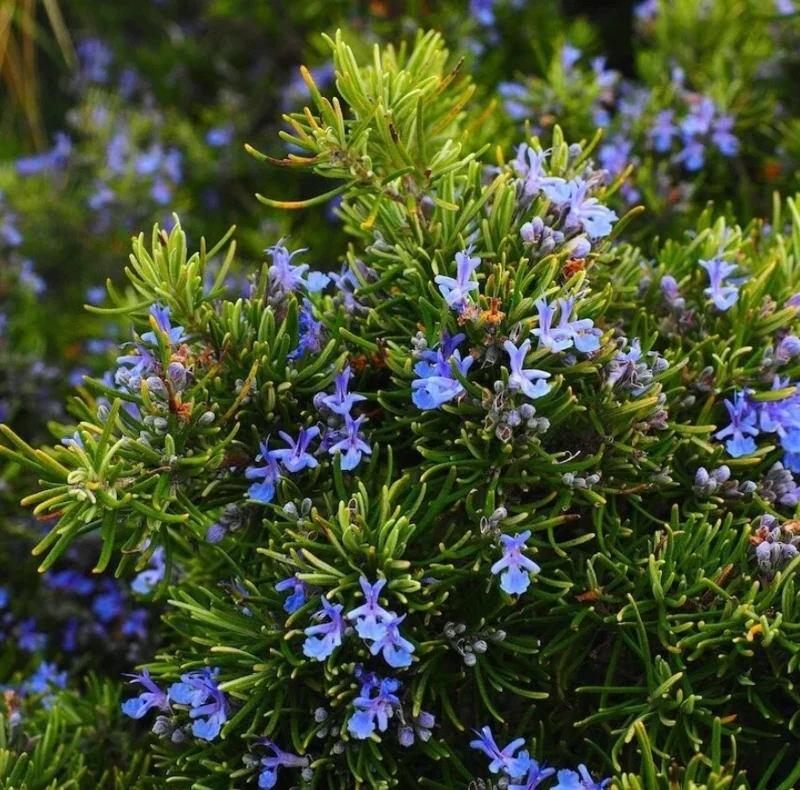
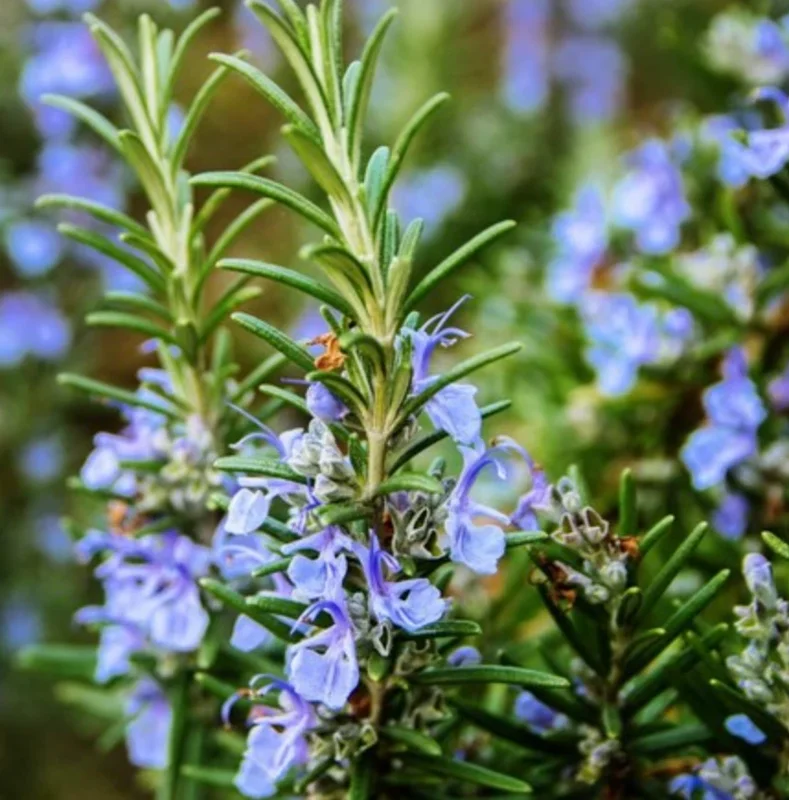
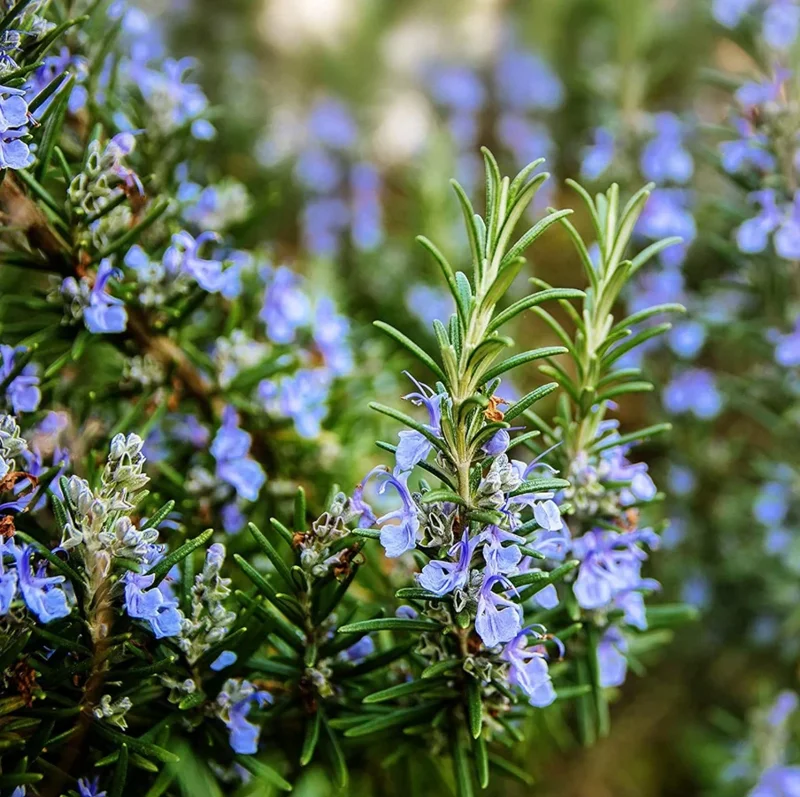
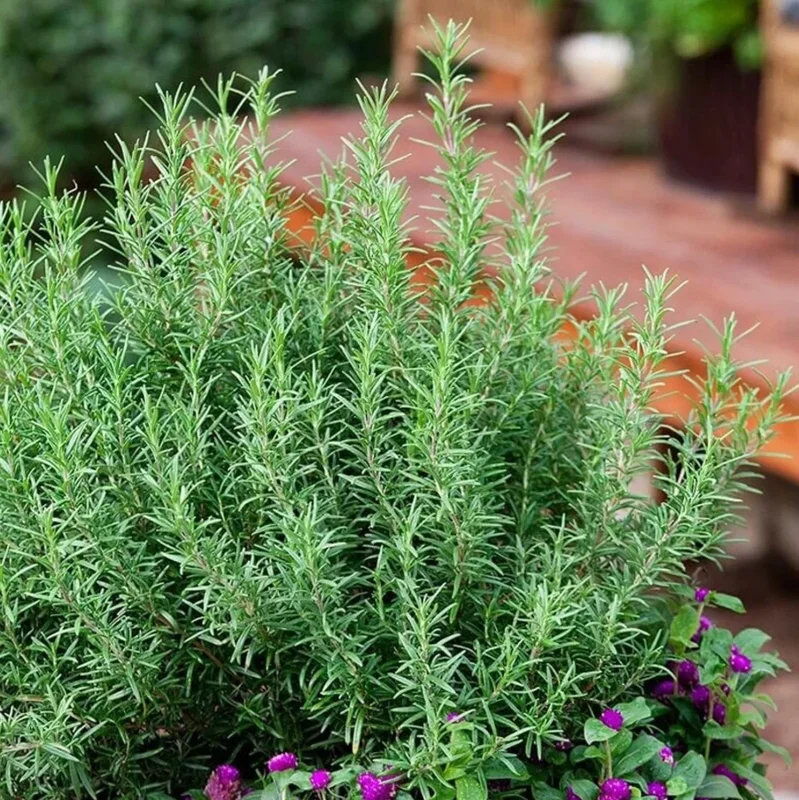
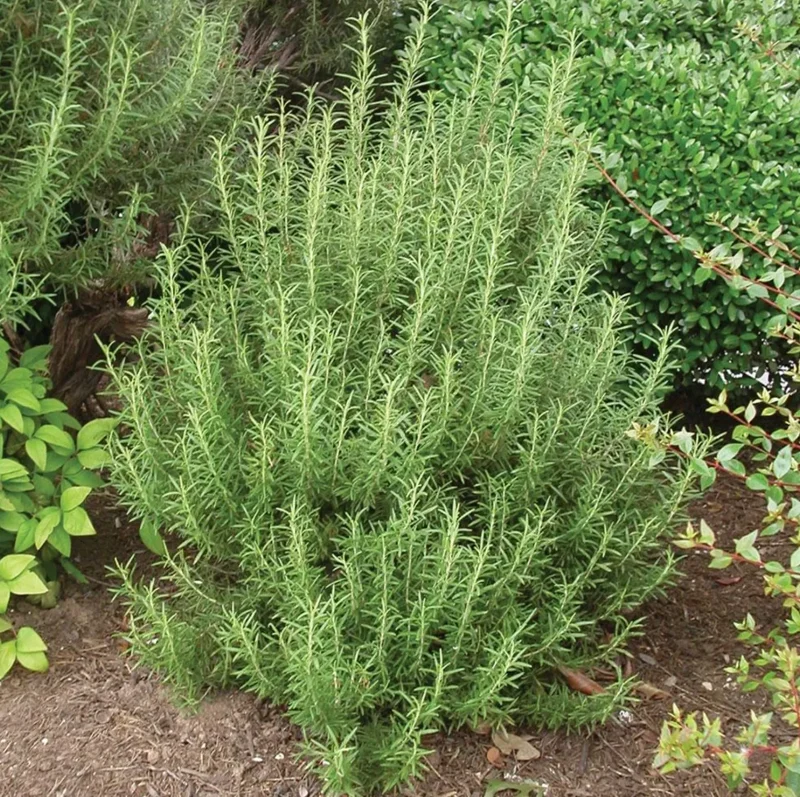
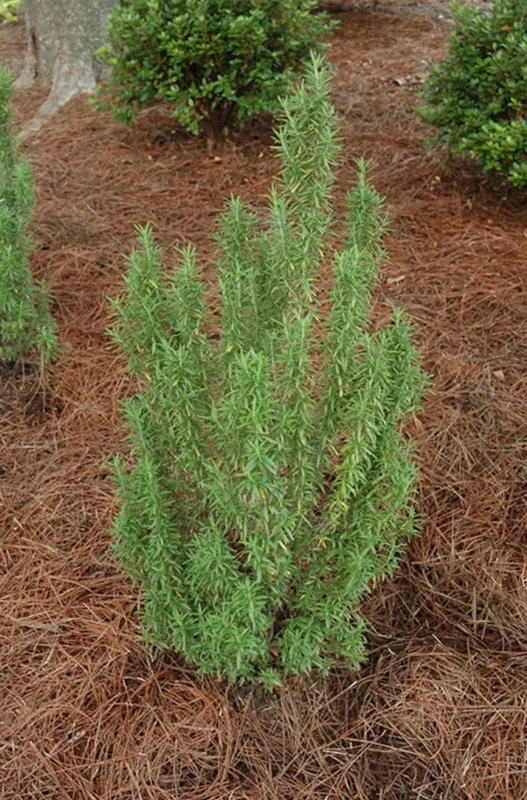
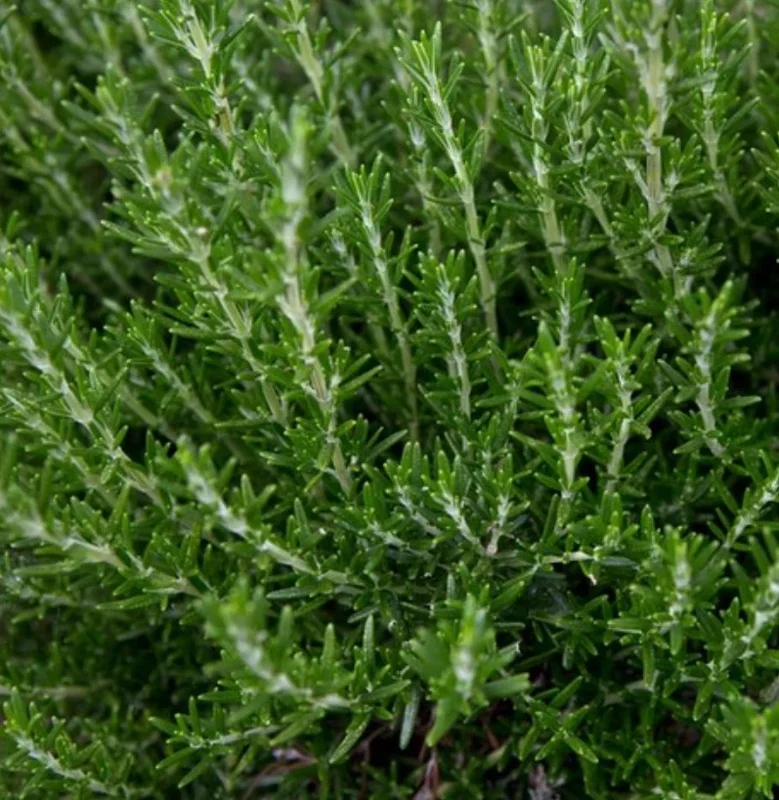
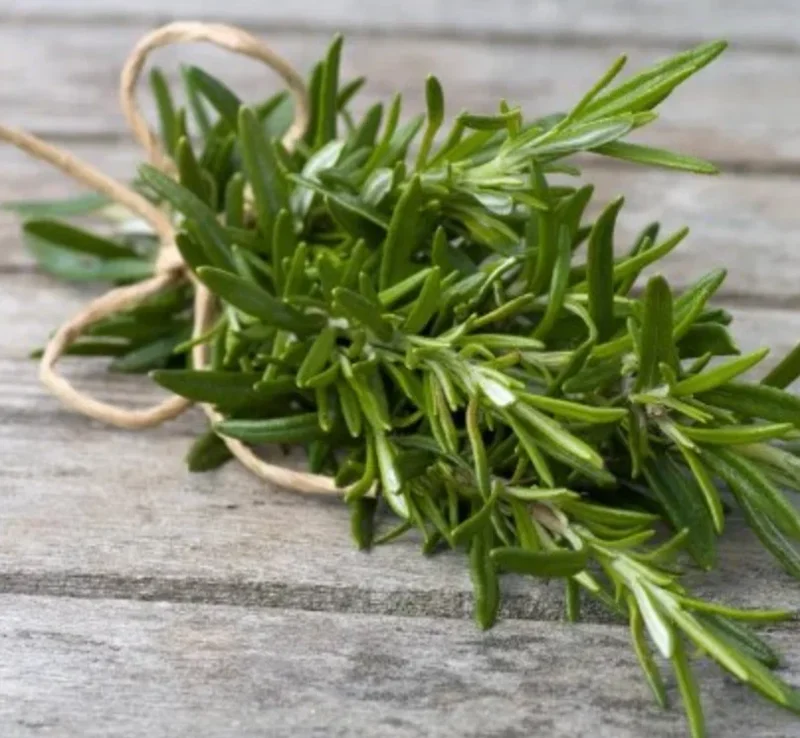
Upright Rosemary Live Plant – 6-8″ Tall in 1 Pot (2 Plants) – Aromatic Herb
$21.99
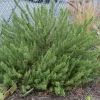
Cultivate fresh herbs with this upright rosemary live plant. Each pot contains two robust plants, 6-8 inches tall, ready to thrive in your garden or kitchen. Ideal for culinary creations and adding a delightful fragrance to your space.
Shipping and Return policies:
We stand behind our plants with our Alive & Thrive Guarantee. If you experience any issues within the first 30 days, please email us, and our team will be happy to help. When needed, we’ll send you a one-time replacement free of charge to make sure your garden keeps growing strong.

Reasonable Price
We offer reasonable price

Support 24/7
Contact us 24 hrs a day
100% Money Back
You’ve 30 days to Return
Payment Secure
100% secure payment
Overview
Introduce the timeless elegance and aromatic charm of the upright rosemary live plant to your home or garden. This offering includes two vibrant rosemary plants, each standing 6-8 inches tall, nestled together in a single pot. Known for its distinctive pine-like fragrance and savory flavor, rosemary (Rosmarinus officinalis) is a beloved herb that adds depth to countless dishes and beauty to any landscape. Whether you’re a seasoned gardener or a culinary enthusiast, these healthy, established plants provide an instant upgrade to your herb collection, promising fresh sprigs for cooking, delightful scents, and an attractive evergreen presence.
Our upright rosemary live plant is carefully nurtured to ensure robust growth and easy transition to your environment. Its compact, upright growth habit makes it versatile for various settings, from sunny garden beds to decorative patio containers. Enjoy the dual benefits of a beautiful ornamental plant and a practical culinary herb, all from one convenient purchase. This plant is a fantastic choice for those looking to explore the joys of growing rosemary indoors or enhancing their outdoor herb garden.
Key Benefits
Integrating an upright rosemary live plant into your home or garden offers a multitude of advantages beyond its obvious beauty and flavor. This herb is not only a culinary staple but also contributes significantly to a vibrant and healthy living space.
- Culinary Versatility: Fresh rosemary sprigs are perfect for seasoning meats, roasted vegetables, breads, and oils. Its robust flavor enhances a wide array of dishes, making it an indispensable ingredient for any home cook.
- Aromatic Appeal: The distinctive, invigorating scent of rosemary is known to uplift spirits and can even deter some garden pests. Place it near entryways or seating areas to enjoy its natural fragrance.
- Evergreen Beauty: With its needle-like, dark green leaves, the upright rosemary live plant provides year-round visual interest, even in cooler climates where it can be brought indoors. It maintains its structure and color, adding a touch of classic elegance.
- Low Maintenance: Once established, rosemary is remarkably drought-tolerant and requires minimal care, making it an excellent choice for busy gardeners or those new to plant care.
- Attracts Pollinators: During its blooming season, typically in late winter to early spring, rosemary produces small, delicate blue or purple flowers that attract bees and other beneficial pollinators to your garden.
- Potential Wellness Benefits: Historically, rosemary has been used for its potential medicinal properties, including memory enhancement and antioxidant qualities, adding another layer to its value.
- Flexible Growing Options: Suitable for both outdoor gardens and indoor pots, this plant adapts well to various environments, allowing you to enjoy fresh rosemary regardless of your living situation. Growing rosemary plant care is straightforward, offering rewarding results.
Plant Care & Growing Tips
Caring for your upright rosemary live plant is relatively simple, as this resilient herb thrives with proper attention to its basic needs. Rosemary prefers a location with abundant sunlight. For outdoor planting, choose a spot that receives at least 6-8 hours of direct sunlight daily. If growing indoors, place your potted rosemary near a south-facing window or under grow lights to ensure it gets adequate light. Insufficient light can lead to leggy growth and reduced vigor.
When it comes to watering, rosemary prefers well-draining soil and is quite drought-tolerant once established. Allow the top inch or two of soil to dry out completely between waterings to prevent root rot, which is the most common issue for rosemary. Overwatering is more detrimental than underwatering. During hot, dry periods, you may need to water more frequently, while in cooler months, less water will be needed. The ideal soil for rosemary is sandy or gritty, with a pH between 6.0 and 7.0. Ensure your pot has drainage holes if growing indoors. For outdoor planting, amending heavy clay soils with sand or perlite can improve drainage significantly. Understanding rosemary plant care is crucial for its longevity.
Rosemary is a hardy plant, generally thriving in USDA Hardiness Zones 8-10 when planted outdoors year-round. In colder zones (7 and below), it’s best to grow rosemary in containers that can be moved indoors before the first frost. Protect plants from harsh winter winds. Fertilization is generally not heavily required; a light feeding with a balanced, slow-release fertilizer in spring is usually sufficient. Avoid over-fertilizing, as this can lead to excessive foliage growth at the expense of flavor. Pruning is beneficial to maintain shape, encourage bushier growth, and harvest sprigs. Trim back stems after flowering or as needed for cooking. Keep an eye out for common pests like aphids or spider mites, especially on indoor plants, and treat with organic insecticidal soap if necessary. Many gardeners find growing rosemary indoors to be a rewarding experience.
Size & Details
This offering includes an upright rosemary live plant, comprising two individual plants potted together in a single container. Each plant stands approximately 6-8 inches tall from the base of the soil to the tip of the foliage, providing a well-started specimen ready for immediate enjoyment. The plants are shipped in a nursery pot, typically a 1-gallon equivalent, ensuring they have sufficient root development for transplanting or continued growth in their current container. Rosemary is a moderately fast grower and, with proper care, can reach mature sizes of 2-4 feet tall and wide when planted in the ground, though it will remain smaller in pots.
The plants are in an active growth phase, featuring healthy green foliage and a strong root system. They are ready to be placed in your garden, patio, or kitchen window immediately upon arrival. While the exact time to maturity for full shrub size varies based on growing conditions, you can begin harvesting small sprigs for culinary use almost immediately. Expect consistent growth throughout the warmer months, with potential flowering in late winter or early spring, attracting beneficial pollinators. Enjoy the delightful fragrance of this fragrant rosemary herb.
Frequently Asked Questions
- Q: How big does this plant get? A: Each upright rosemary live plant typically arrives 6-8 inches tall. When planted in the ground, rosemary can grow to 2-4 feet tall and wide. In pots, its size will be more constrained, usually staying under 2 feet depending on the pot size and pruning.
- Q: What size pot does it come in? A: The two rosemary plants are shipped together in a single nursery pot, which is generally equivalent to a 1-gallon size. This provides ample space for initial growth and transport.
- Q: Is this an indoor or outdoor plant? A: Rosemary is versatile and can be grown both indoors and outdoors. It thrives outdoors in USDA Zones 8-10 year-round. In colder climates, it’s best grown in containers and brought indoors for winter, making growing rosemary indoors a popular option.
- Q: How much sunlight does it need? A: Rosemary requires at least 6-8 hours of direct sunlight per day. For indoor plants, a south-facing window is ideal. Outdoor plants should be placed in the sunniest part of your garden.
- Q: Is this plant easy to care for? A: Yes, rosemary is considered relatively easy to care for, especially once established. Its main requirements are plenty of sunlight and well-draining soil. Avoid overwatering to prevent root rot.
- Q: What condition will it arrive in? A: Your upright rosemary live plant will arrive well-packaged, healthy, and ready to thrive. We take great care to ensure the plants are protected during transit, with established root systems and vibrant foliage.
- Q: Can I use rosemary in cooking? A: Absolutely! This rosemary is perfect for culinary uses. Its aromatic leaves are excellent for seasoning roasted meats, vegetables, stews, breads, and oils. It’s a key ingredient for many delicious recipes. Enjoy the fresh flavor of this rosemary culinary uses plant.
- Q: What’s the best time to plant? A: For outdoor planting, spring after the last frost is ideal. If growing indoors, you can plant or repot your rosemary at any time of year, ensuring it has adequate light.
- Q: Is it pet-safe? A: While rosemary is generally not considered highly toxic to pets, large quantities can cause mild stomach upset. It’s best to keep it out of reach of curious pets or monitor their interaction with the plant.
- Q: What is the ideal soil type for rosemary? A: Rosemary prefers well-draining, sandy, or gritty soil. Good drainage is crucial to prevent root issues. A standard potting mix amended with perlite or sand works well for potted plants.
Be the first to review “Upright Rosemary Live Plant – 6-8″ Tall in 1 Pot (2 Plants) – Aromatic Herb”
You must be logged in to post a review.
People also Viewed
Sold 50 products
$32.38

Sold 50 products
$27.38
Sold 50 products
$32.38
Sold 50 products
$19.88
Sold 50 products
$62.38
Sold 50 products
$24.88
Houseplants
Phalaenopsis pulcherrima ‘Mauna Kea Snow’ Orchid Live Plant – White Flowers, Potted 2.5 in
Sold 50 products
$49.88
Sold 50 products
$49.88RELATED posts
Awapuhi Wild Ginger Plant: Zones, Care, and Propagation
Learn which USDA zones suit awapuhi wild ginger, plus sunlight, water, planting, propagation, pests, size, [...]
Awapuhi Shampoo Ginger – Care, Growing Zones, and Differences
Learn how to grow awapuhi (shampoo) ginger, its USDA zones, watering schedule, propagation tips, and [...]
Awapuhi Shampoo Plant Buying Guide – Choose the Right Zingiber zerumbet
META: Learn which awapuhi (shampoo ginger) plant or rhizome pack gives the best natural shampoo, [...]
Awapuhi Plant for Sale: Complete Buying Guide
Find the right awapuhi (shampoo ginger) plant, size, price, soil mix, and online source. Practical [...]
Shampoo Ginger Plant for Sale – Buying Guide & Tips
Find the right shampoo ginger plant, size, price, and care tips. Quick guide for U.S. [...]
Shampoo Ginger Plant (Awapuhi) Care Guide
Learn how to grow, care for, and use shampoo ginger (Zingiber zerumbet), the tropical awapuhi [...]
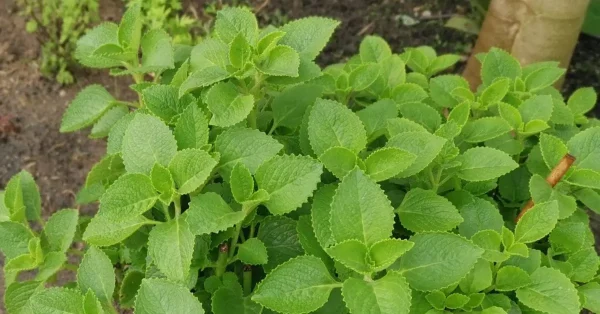
How to Grow Cuban Oregano Plants: A Complete Care Guide
If you’ve ever wanted a plant that combines the culinary punch of traditional oregano with [...]
Aug

How to Grow Habanero Pepper Plants: A Step-by-Step Guide
Habanero pepper plants are prized for their vibrant colors, intense heat, and exceptional flavor, making [...]
Aug

Reviews
There are no reviews yet.