
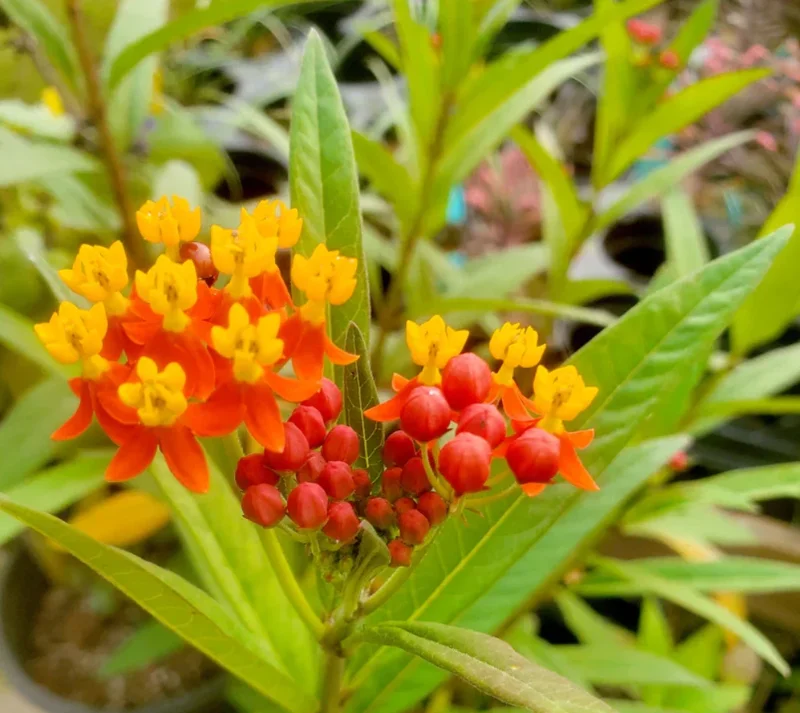
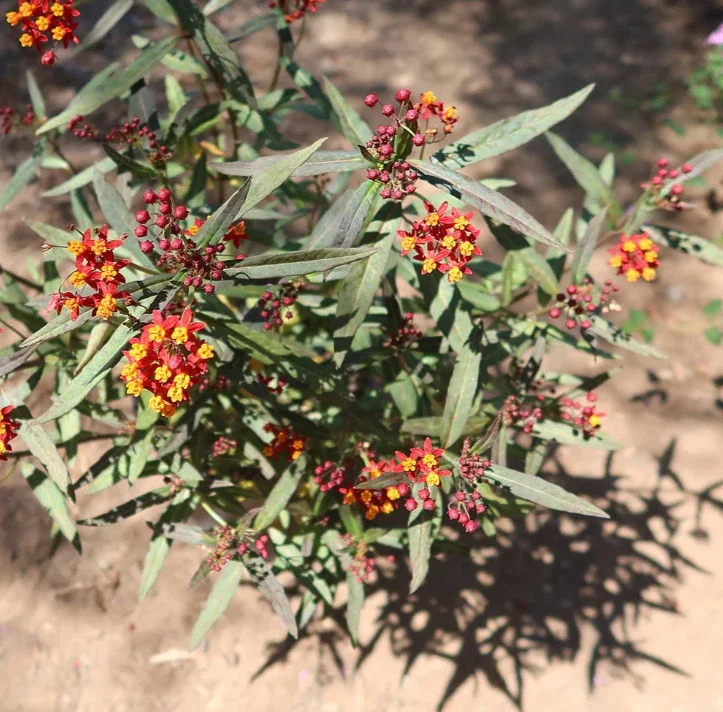
Tropical Milkweed Live Plant – Perennial – 3-6″ Tall – Outdoor
$14.29
Bring life and color to your garden with this beautiful tropical milkweed live plant. Perfect for attracting monarch butterflies, this 3-6″ tall perennial thrive outdoors and is easy to care for, adding a vibrant touch to any landscape.
Shipping and Return policies:
We stand behind our plants with our Alive & Thrive Guarantee. If you experience any issues within the first 30 days, please email us, and our team will be happy to help. When needed, we’ll send you a one-time replacement free of charge to make sure your garden keeps growing strong.

Reasonable Price
We offer reasonable price

Support 24/7
Contact us 24 hrs a day
100% Money Back
You’ve 30 days to Return
Payment Secure
100% secure payment
Overview
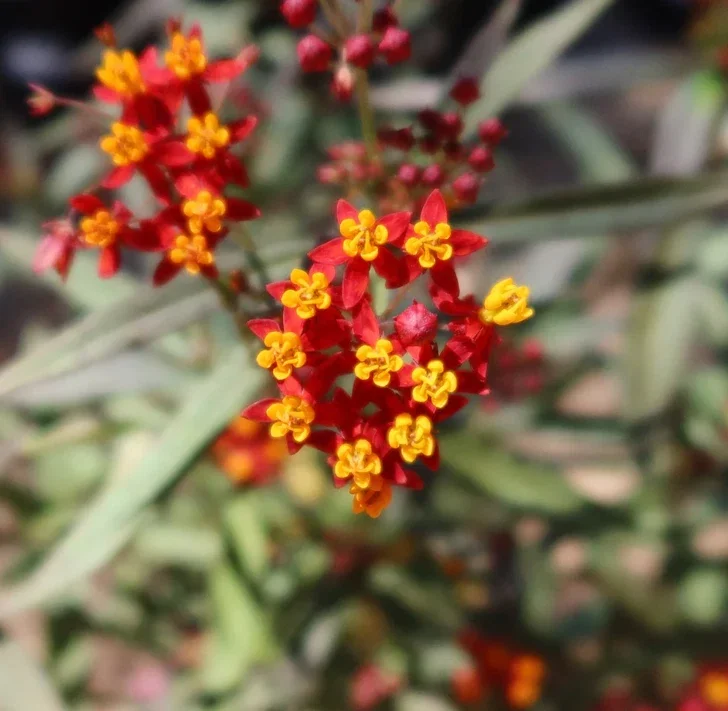
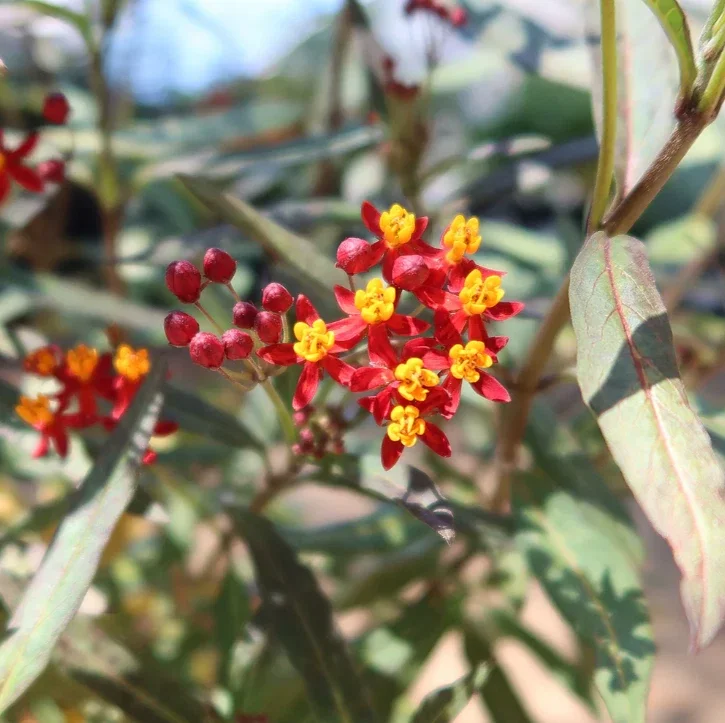
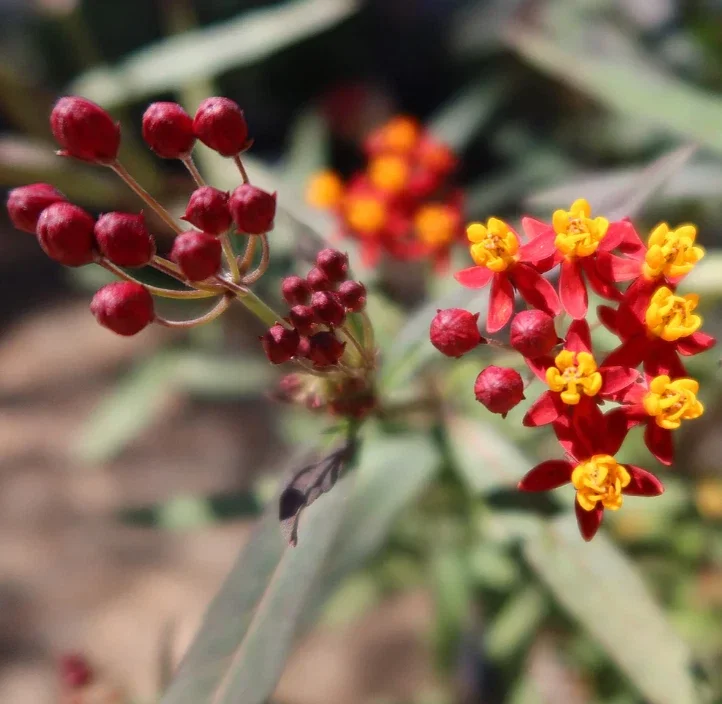
Introduce a splash of vibrant color and ecological benefit to your garden with our premium tropical milkweed live plant. This stunning perennial is renowned for its bright, fiery orange and red flowers, which bloom profusely throughout the warmer months, creating a spectacular display. More than just a pretty face, the tropical milkweed live plant, scientifically known as Asclepias curassavica, is a critical host plant for monarch butterfly caterpillars and a vital nectar source for adult monarch butterflies and other pollinators. Cultivating this plant directly contributes to the conservation efforts of these beloved insects, whose populations have faced significant decline. Our plants are carefully nurtured to ensure they arrive healthy and ready to thrive in your garden, offering both aesthetic beauty and essential ecological support.
Each tropical milkweed live plant is a testament to nature’s resilience and beauty. This particular variety is cherished by gardeners across the US for its ease of growth and its undeniable charm. Whether you’re an experienced horticulturist or a budding enthusiast, adding this plant to your collection is a rewarding experience. Its continuous blooming cycle ensures a long season of enjoyment, while its role in supporting local wildlife makes it an invaluable addition to any eco-conscious garden design. Prepare to witness your garden transform into a vibrant haven teeming with life and color.
Key Benefits
Our tropical milkweed live plant offers a multitude of benefits, making it an indispensable addition to any garden:
- Monarch Magnet: This plant is a primary host for monarch butterfly caterpillars, providing the essential food source they need to grow and metamorphose. Planting it is a direct way to support monarch populations.
- Pollinator Paradise: Beyond monarchs, its nectar-rich flowers attract a wide array of other pollinators, including bees and hummingbirds, enhancing biodiversity in your garden.
- Vibrant Blooms: Enjoy continuous, eye-catching clusters of orange and red flowers from spring through fall, adding a tropical flair and constant color to your outdoor space.
- Low Maintenance: Once established, tropical milkweed live plant is relatively easy to care for, requiring minimal attention beyond basic watering and occasional feeding, making it ideal for busy gardeners.
- Drought Tolerant: It exhibits good drought tolerance, making it a sustainable choice for various climates and reducing water consumption in your garden.
- Deer Resistant: Generally, deer tend to avoid milkweed due to its milky sap, offering a natural defense against common garden pests.
- Educational Value: Provides an excellent opportunity for children and adults alike to observe the fascinating life cycle of the monarch butterfly up close, fostering an appreciation for nature.
Plant Care & Growing Tips
Caring for your tropical milkweed live plant is straightforward, ensuring a thriving and beautiful addition to your garden. These plants prefer full sun, meaning at least 6-8 hours of direct sunlight per day. In very hot climates, a little afternoon shade can be beneficial to prevent scorching. They are adaptable to a range of soil types but perform best in well-draining soil. Avoid heavy, waterlogged soils, as this can lead to root rot. If your soil is particularly clayey, consider amending it with organic matter like compost to improve drainage.
Watering should be consistent, especially during dry spells and when the plant is young. Once established, this perennial milkweed is quite drought-tolerant, but regular watering will encourage more prolific blooming. Allow the top inch or two of soil to dry out between waterings. Fertilize sparingly; a balanced, all-purpose fertilizer applied once or twice during the growing season is usually sufficient. Over-fertilization can promote lush foliage at the expense of flowers. Pruning spent flowers (deadheading) will encourage new blooms and prevent the plant from self-seeding too aggressively. For cooler climates, treating it as an annual or bringing it indoors before the first frost is an option, although it typically acts as a true perennial milkweed in warmer USDA zones.
To support monarch populations effectively, consider the practice of ‘stemming back’ or trimming your tropical milkweed plants to about 6 inches tall once or twice during the growing season. This encourages fresh new growth, which is preferred by monarch butterflies for laying eggs, and helps manage potential build-up of OE (Ophryocystis elektroscirrha), a protozoan parasite that can harm monarchs. Regularly inspecting your plants for pests and diseases is also a good practice, though tropical milkweed is generally robust. Understanding tropical milkweed care will ensure your plant thrives and continues to be a haven for pollinators.
Size & Details
Each tropical milkweed live plant you receive will be approximately 3-6 inches tall, measured from the base of the plant to the top of its foliage. These plants are shipped without a pot (bare root or with minimal soil around the root ball) to ensure safe and efficient transit, ready for immediate planting upon arrival. They are vigorous growers and will quickly establish themselves in your garden, reaching mature heights of 2-3 feet tall and spreading 1-2 feet wide, depending on growing conditions and climate. Expect flowers to appear within the first growing season, typically from late spring through fall, providing continuous beauty and monarch support.
This asclepias curassavica variety is known for its fast growth rate and abundant flowering. While it is a perennial in warmer climates (typically USDA Zones 8-11), it can be grown as a vibrant annual in colder regions, providing a full season of color and ecological benefit before succumbing to frost. The plant will develop sturdy stems and lush green leaves, providing a perfect backdrop for its distinctive orange and red blooms. Its compact size when shipped makes it easy to handle and plant, quickly transitioning into a robust and productive garden specimen.
Frequently Asked Questions
- Q: How big does this plant get? A: This tropical milkweed live plant typically grows to a mature height of 2-3 feet tall and spreads about 1-2 feet wide, forming a bushy, upright perennial. Its size can vary based on growing conditions and climate.
- Q: What size pot does it come in? A: The plants are shipped without a pot, as a bare root or with a small amount of soil around the root ball, for optimal shipping safety and freshness. They are ready for immediate planting in your garden or a larger container.
- Q: Is this an indoor or outdoor plant? A: Tropical milkweed live plant is primarily an outdoor plant, thriving in full sun and supporting pollinators. While it can be overwintered indoors in colder climates, it is best suited for garden beds and outdoor containers during the growing season.
- Q: How much sunlight does it need? A: This plant requires at least 6-8 hours of direct sunlight per day to flourish and produce abundant blooms. Full sun exposure is key for healthy growth and prolific flowering.
- Q: Is this plant easy to care for? A: Yes, tropical milkweed care is relatively easy. It’s a low-maintenance perennial that tolerates drought once established and requires minimal fuss, making it suitable for both experienced and novice gardeners.
- Q: What condition will it arrive in? A: Your plant will arrive healthy, approximately 3-6 inches tall, and carefully packaged to ensure it withstands transit. It will be ready to plant upon arrival, though it may appear stressed initially from shipping.
- Q: How long until it blooms? A: With proper care, your tropical milkweed should begin blooming in its first growing season, typically from late spring through fall, providing continuous color and attracting monarchs.
- Q: Will it survive winter in my zone? A: This asclepias curassavica is a perennial in USDA Zones 8-11. In colder zones, it is often grown as an annual or can be brought indoors to overwinter.
- Q: Is it pet-safe? A: Like many milkweeds, tropical milkweed contains cardiac glycosides in its milky sap, which can be toxic if ingested by pets. It’s best to keep pets from chewing on the plant.
- Q: Why is it called ‘monarch butterfly plant’? A: It’s called a monarch butterfly plant because it is the sole food source for monarch butterfly caterpillars, making it essential for their survival and metamorphosis into adult butterflies.
Be the first to review “Tropical Milkweed Live Plant – Perennial – 3-6″ Tall – Outdoor”
You must be logged in to post a review.
People also Viewed

Sold 50 products
Original price was: $37.48.$23.98Current price is: $23.98.
Sold 50 products
$32.38
Sold 50 products
$27.38
Sold 50 products
$32.38
Sold 50 products
$19.88
Sold 50 products
$62.38
Sold 50 products
$24.88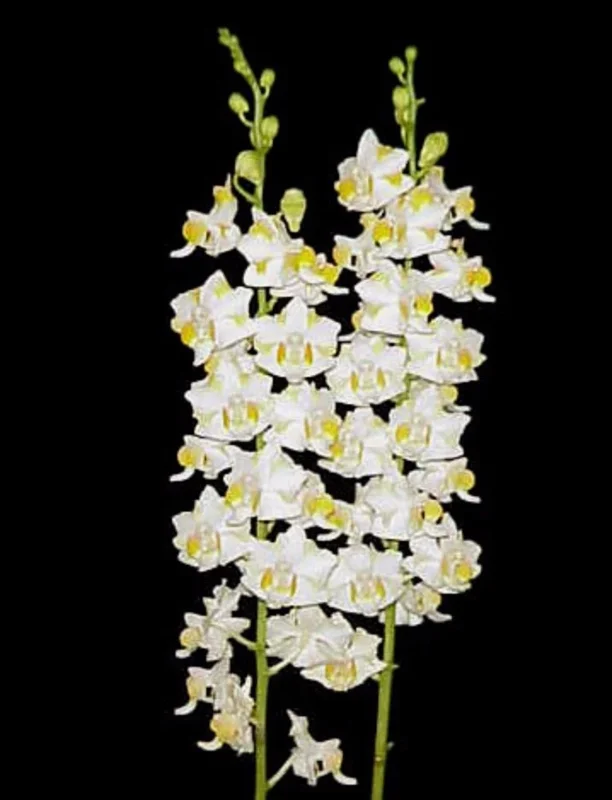
Houseplants
Phalaenopsis pulcherrima ‘Mauna Kea Snow’ Orchid Live Plant – White Flowers, Potted 2.5 in
Sold 50 products
$49.88RELATED posts
Awapuhi Wild Ginger Plant: Zones, Care, and Propagation
Learn which USDA zones suit awapuhi wild ginger, plus sunlight, water, planting, propagation, pests, size, [...]
Awapuhi Shampoo Ginger – Care, Growing Zones, and Differences
Learn how to grow awapuhi (shampoo) ginger, its USDA zones, watering schedule, propagation tips, and [...]
Awapuhi Shampoo Plant Buying Guide – Choose the Right Zingiber zerumbet
META: Learn which awapuhi (shampoo ginger) plant or rhizome pack gives the best natural shampoo, [...]
Awapuhi Plant for Sale: Complete Buying Guide
Find the right awapuhi (shampoo ginger) plant, size, price, soil mix, and online source. Practical [...]
Shampoo Ginger Plant for Sale – Buying Guide & Tips
Find the right shampoo ginger plant, size, price, and care tips. Quick guide for U.S. [...]
Shampoo Ginger Plant (Awapuhi) Care Guide
Learn how to grow, care for, and use shampoo ginger (Zingiber zerumbet), the tropical awapuhi [...]
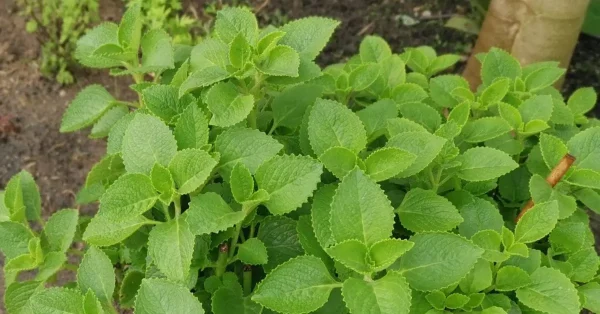
How to Grow Cuban Oregano Plants: A Complete Care Guide
If you’ve ever wanted a plant that combines the culinary punch of traditional oregano with [...]
Aug

How to Grow Habanero Pepper Plants: A Step-by-Step Guide
Habanero pepper plants are prized for their vibrant colors, intense heat, and exceptional flavor, making [...]
Aug


Reviews
There are no reviews yet.