
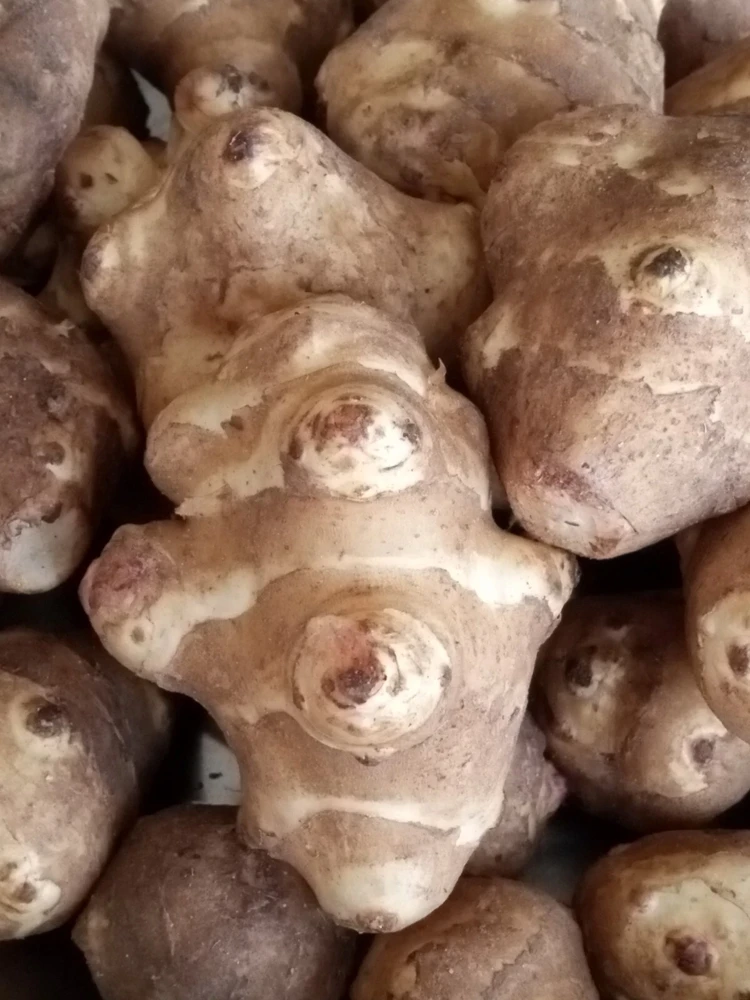
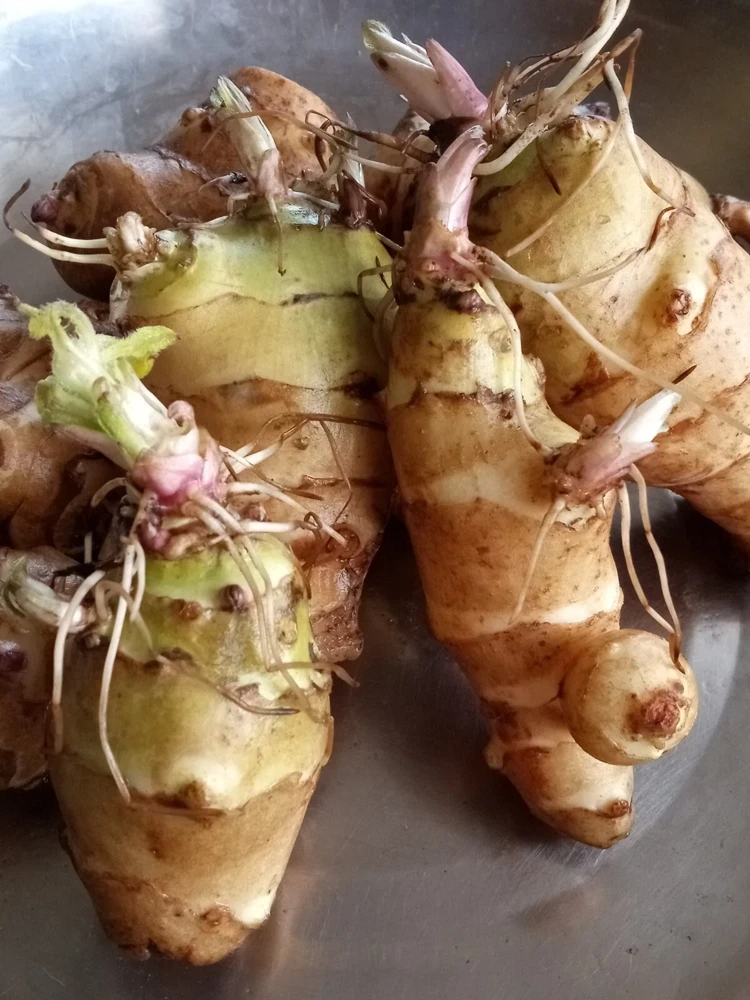
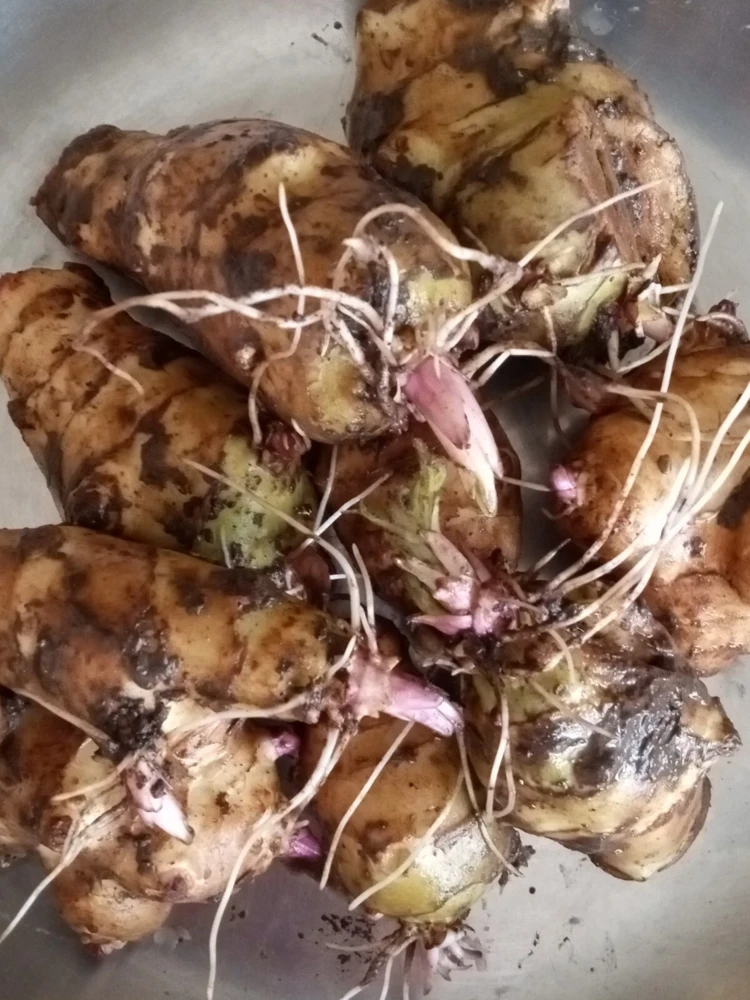
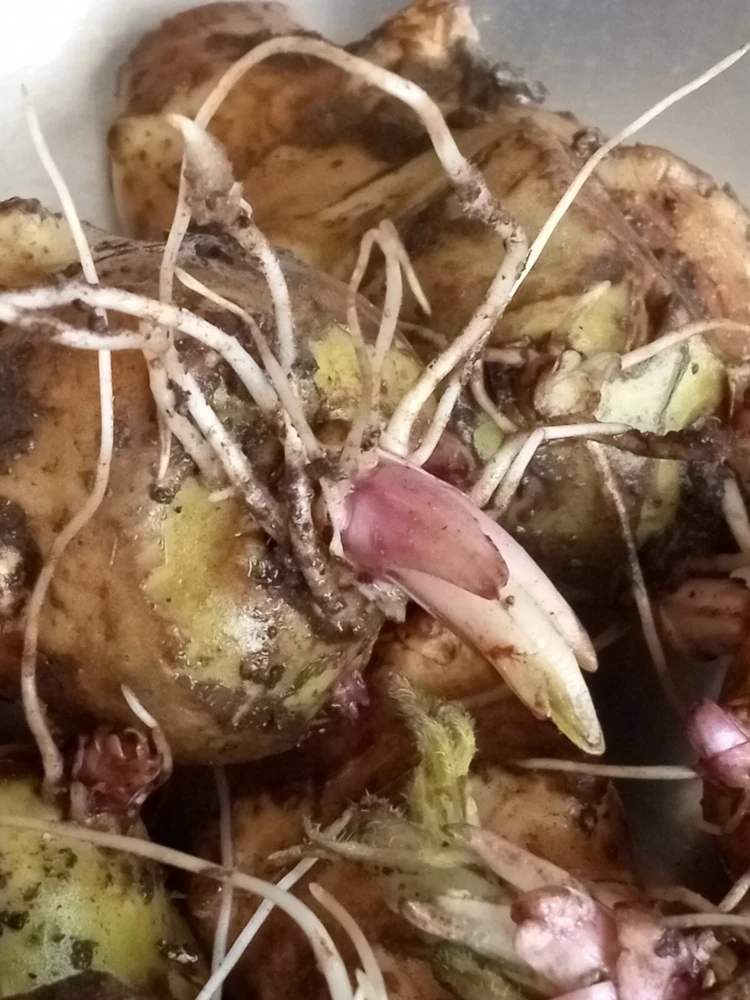
Organic White Fuseau Sunchoke Jerusalem Artichoke Bulbs 8 oz – Edible Perennial
$52.47
Cultivate your own delicious and versatile organic white fuseau sunchoke bulbs. These Jerusalem artichoke bulbs are an excellent choice for gardeners seeking an edible perennial plant that is both easy to grow and highly productive. Enjoy their unique flavor and cold hardiness.
Shipping and Return policies:
We stand behind our plants with our Alive & Thrive Guarantee. If you experience any issues within the first 30 days, please email us, and our team will be happy to help. When needed, we’ll send you a one-time replacement free of charge to make sure your garden keeps growing strong.

Reasonable Price
We offer reasonable price

Support 24/7
Contact us 24 hrs a day
100% Money Back
You’ve 30 days to Return
Payment Secure
100% secure payment
Overview
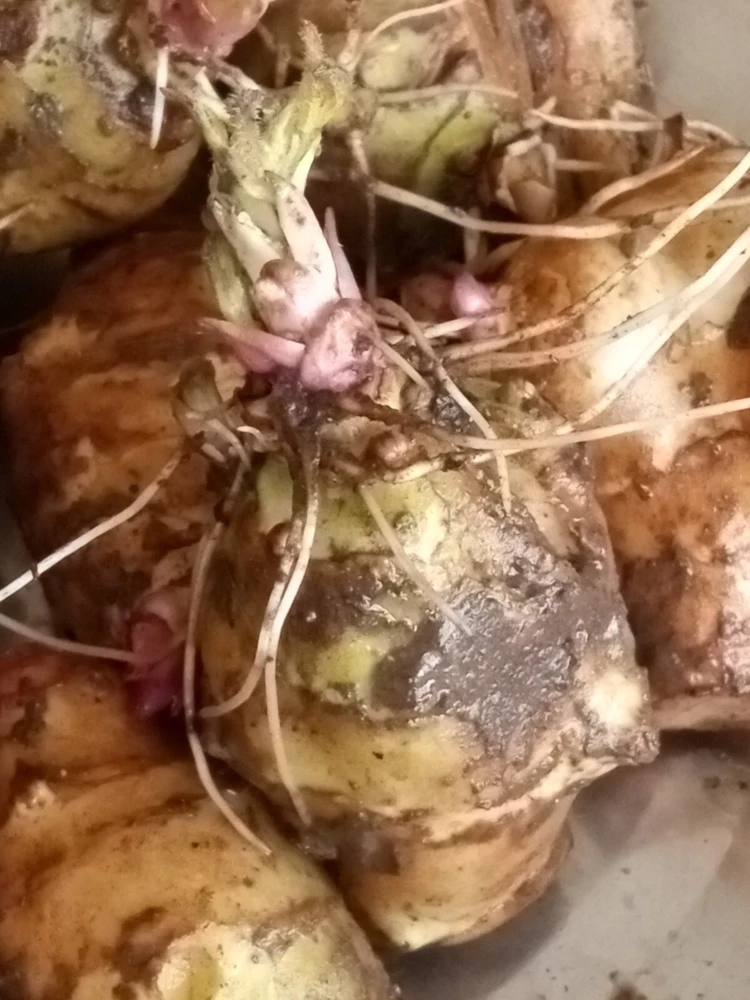
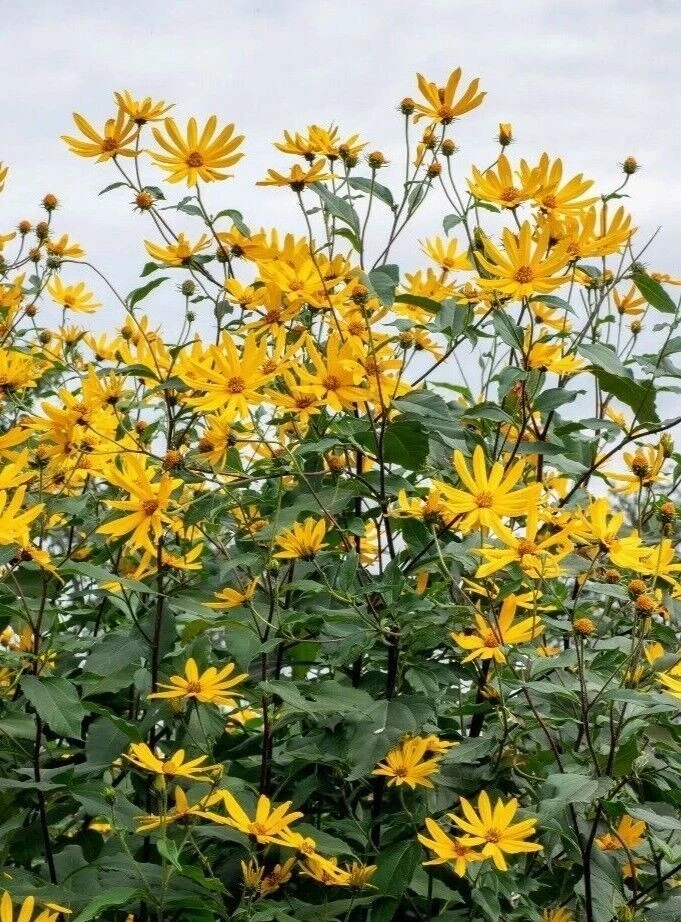
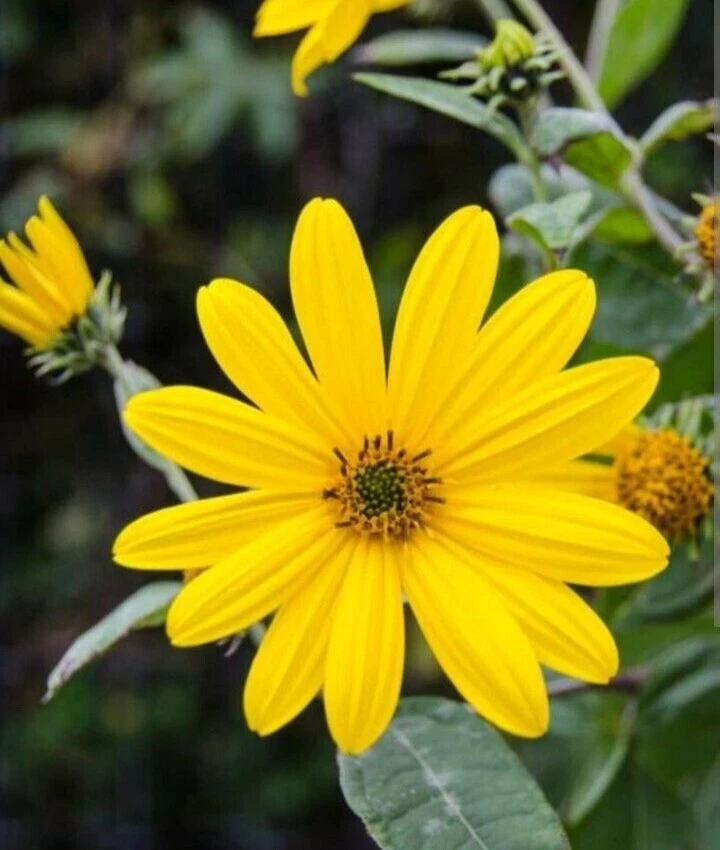
Discover the joy of growing your own organic white fuseau sunchoke bulbs, also known as Jerusalem Artichokes or Helianthus tuberosus. These remarkable tubers are not true artichokes but rather a species of sunflower native to North America, prized for their delicious, nutty flavor and versatility in the kitchen. Our 8 oz pack of organic white fuseau sunchoke bulbs provides a perfect start for gardeners looking to add a unique and nutritious perennial vegetable to their landscape. They are incredibly easy to establish and will return year after year, offering a bountiful harvest with minimal effort. Whether you’re a seasoned gardener or just starting out, these sunchoke bulbs are a fantastic addition, promising both beauty with their sunflower-like blooms and a harvest of tasty tubers.
The name ‘sunchoke’ is a blend of ‘sunflower’ and ‘artichoke,’ reflecting its botanical heritage and culinary appeal. These tubers are known for their crisp texture and slightly sweet, earthy taste, making them a superb ingredient for roasting, boiling, frying, or enjoying raw in salads. Beyond their culinary uses, Jerusalem artichoke bulbs are also celebrated for their hardiness and ability to thrive in various conditions, making them a reliable choice for sustainable gardening. Experience the satisfaction of harvesting your own organic produce with these robust and rewarding sunchoke bulbs.
Key Benefits
Our organic white fuseau sunchoke bulbs offer a multitude of benefits for both your garden and your palate. Not only are they an attractive plant with cheerful yellow flowers, but they also provide a nutritious and delicious food source. Growing sunchokes is a rewarding experience.
- Highly Edible & Nutritious: These tubers are a fantastic source of inulin (a prebiotic fiber), vitamins, and minerals, making them a healthy addition to any diet. Their unique flavor enhances a wide range of dishes.
- Easy to Grow: Known for their vigorous growth and adaptability, sunchokes are incredibly forgiving and require minimal attention once established, making them ideal for beginners and busy gardeners.
- Perennial Harvest: Once planted, these edible perennial plants will return year after year, providing a continuous supply of tubers without the need for annual replanting.
- Cold Resistant: Sunchokes are exceptionally cold-hardy, thriving in a wide range of climates and enduring harsh winter conditions, ensuring a reliable crop.
- Fast Growing: From planting to harvest, sunchokes develop rapidly, offering a quick return on your gardening investment with their lush foliage and abundant tubers.
- Organic & Sustainable: Cultivating these organic bulbs means you’re growing food free from synthetic pesticides and fertilizers, contributing to a healthier environment and personal well-being.
- Versatile Use: Beyond their culinary uses, the plants can also serve as a natural windbreak or visual screen in your garden due to their tall growth habit.
Plant Care & Growing Tips
Caring for your organic white fuseau sunchoke bulbs is remarkably straightforward, ensuring a successful harvest even for novice gardeners. These resilient plants are quite adaptable, but a few key practices will help them thrive. Sunchokes prefer a site with full sun to partial shade, meaning they should receive at least 6 hours of direct sunlight daily for optimal tuber development. While they can tolerate some shade, more sun generally leads to a larger yield. They are an edible perennial plant that establishes easily.
When it comes to soil, sunchokes are not particularly fussy, but they do best in well-draining soil. Any garden soil type is generally suitable, but enriching it with some compost or organic matter before planting can improve fertility and drainage. Aim for a neutral soil pH. Plant the tubers in the fall or spring, about 3-5 inches deep and 12-18 inches apart. Once planted, watering should be light; sunchokes are quite drought-tolerant once established, so avoid overwatering to prevent tuber rot. During dry spells, especially when the plants are flowering or tubers are forming, provide supplemental water. Fertilization is usually not necessary in good garden soil, but a balanced organic fertilizer can be applied in spring if your soil is poor. These plants are known for their ease of growing sunchokes.
Sunchokes are a vigorous species and can spread rapidly. If you wish to contain their growth, consider planting them in a dedicated bed or using a root barrier. The plants will grow tall, sometimes reaching 6-10 feet, and produce attractive yellow, sunflower-like blooms in the late summer or fall. Tubers are typically harvested after the first frost, which helps sweeten their flavor. Dig them up as needed, leaving some in the ground for the next year’s crop. This ensures a continuous supply of Jerusalem artichoke bulbs for years to come. Pest and disease problems are generally minimal, making them a low-maintenance choice for your garden.
Size & Details
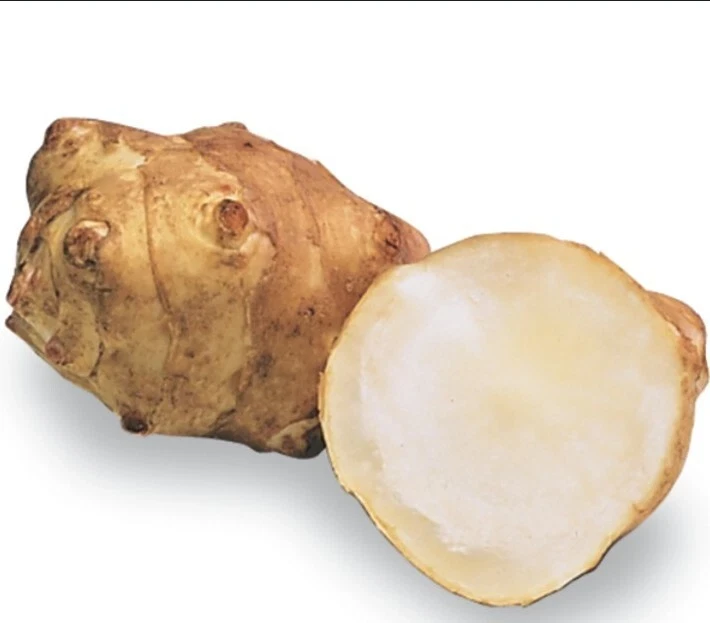
This offering includes 8 oz of organic white fuseau sunchoke bulbs, providing a generous quantity to start your own sunchoke patch. Each bulb is carefully selected to ensure viability and robust growth. These tubers are the planting material from which new sunchoke plants will emerge. Plants typically grow quite tall, reaching heights of 6 to 10 feet, forming a beautiful backdrop in your garden with their bright, sunflower-like flowers. The tubers themselves vary in size and shape, with the ‘White Fuseau’ variety generally producing elongated, white-skinned tubers.
The life cycle of this edible perennial plant is truly remarkable. Planted in the fall or spring, they will establish roots and shoots, growing throughout the summer and producing tubers underground. The tubers are best harvested after the top growth has died back from the first hard frost, which concentrates their sugars and improves flavor. You can harvest them throughout the winter and into early spring as long as the ground isn’t frozen solid. Expect a continuous harvest for many seasons to come, as any tubers left in the ground will readily sprout new plants. This makes them an incredibly sustainable and rewarding crop for any gardener interested in growing sunchokes.
Frequently Asked Questions
- Q: How big do these organic white fuseau sunchoke bulbs get when mature? A: The plants themselves can grow quite tall, typically reaching heights of 6 to 10 feet. The tubers vary in size but are generally elongated and can be several inches long.
- Q: Is this an indoor or outdoor plant? A: Sunchokes are primarily an outdoor plant, thriving in garden beds where they have ample space to grow and spread. They are not typically grown indoors due to their size and spreading nature.
- Q: How much sunlight do Jerusalem artichoke bulbs need? A: For optimal growth and tuber production, Jerusalem artichoke bulbs prefer full sun (at least 6 hours of direct sunlight), but they can also tolerate partial shade.
- Q: Is this plant easy to care for? A: Yes, sunchokes are known for being very easy to care for and are considered an excellent choice for beginner gardeners due to their hardiness and low maintenance requirements.
- Q: What condition will the organic white fuseau sunchoke bulbs arrive in? A: The bulbs will arrive as dormant tubers, ready for planting. They are carefully packaged to ensure freshness and viability upon arrival.
- Q: Can I use sunchokes in cooking? A: Absolutely! Sunchokes are highly prized for their culinary versatility. They can be roasted, boiled, fried, pureed into soups, or eaten raw in salads.
- Q: When is the best time to plant these edible perennial plants? A: The best times to plant sunchoke bulbs are in the fall after the first frost or in the early spring once the danger of hard frost has passed and the soil is workable.
- Q: Will Helianthus tuberosus survive winter in my zone? A: Sunchokes (Helianthus tuberosus) are very cold-resistant and perennial, meaning they will survive winter in most temperate climates and regrow in the spring. They are hardy across a wide range of USDA zones.
- Q: What is the minimum temperature these sunchoke bulbs can tolerate? A: Sunchoke plants are remarkably cold hardy. The tubers can remain in the ground over winter, even in freezing temperatures, and will resume growth when conditions are favorable in spring.
- Q: How long until I can harvest the sunchokes after planting? A: Tubers are typically ready for harvest in late fall or early winter, after the plant has flowered and the foliage has died back, usually about 4-5 months after spring planting.
Be the first to review “Organic White Fuseau Sunchoke Jerusalem Artichoke Bulbs 8 oz – Edible Perennial”
You must be logged in to post a review.
People also Viewed
Sold 50 products
$32.38
Sold 50 products
$27.38
Sold 50 products
$32.38
Sold 50 products
$19.88
Sold 50 products
$62.38
Sold 50 products
$24.88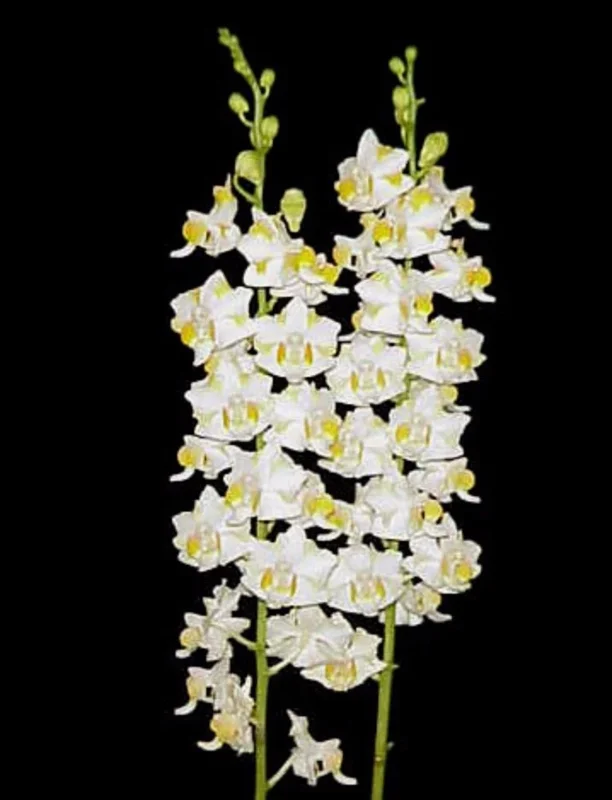
Houseplants
Phalaenopsis pulcherrima ‘Mauna Kea Snow’ Orchid Live Plant – White Flowers, Potted 2.5 in
Sold 50 products
$49.88
Sold 50 products
$49.88RELATED posts
Awapuhi Wild Ginger Plant: Zones, Care, and Propagation
Learn which USDA zones suit awapuhi wild ginger, plus sunlight, water, planting, propagation, pests, size, [...]
Awapuhi Shampoo Ginger – Care, Growing Zones, and Differences
Learn how to grow awapuhi (shampoo) ginger, its USDA zones, watering schedule, propagation tips, and [...]
Awapuhi Shampoo Plant Buying Guide – Choose the Right Zingiber zerumbet
META: Learn which awapuhi (shampoo ginger) plant or rhizome pack gives the best natural shampoo, [...]
Awapuhi Plant for Sale: Complete Buying Guide
Find the right awapuhi (shampoo ginger) plant, size, price, soil mix, and online source. Practical [...]
Shampoo Ginger Plant for Sale – Buying Guide & Tips
Find the right shampoo ginger plant, size, price, and care tips. Quick guide for U.S. [...]
Shampoo Ginger Plant (Awapuhi) Care Guide
Learn how to grow, care for, and use shampoo ginger (Zingiber zerumbet), the tropical awapuhi [...]
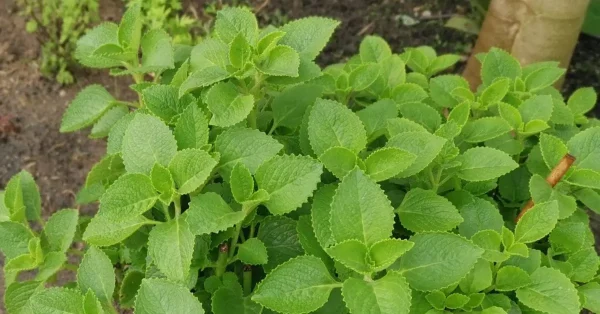
How to Grow Cuban Oregano Plants: A Complete Care Guide
If you’ve ever wanted a plant that combines the culinary punch of traditional oregano with [...]
Aug
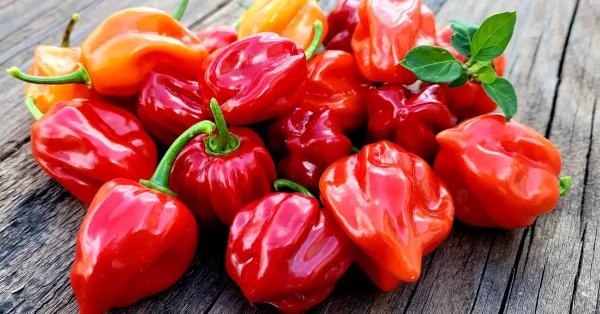
How to Grow Habanero Pepper Plants: A Step-by-Step Guide
Habanero pepper plants are prized for their vibrant colors, intense heat, and exceptional flavor, making [...]
Aug

Reviews
There are no reviews yet.