
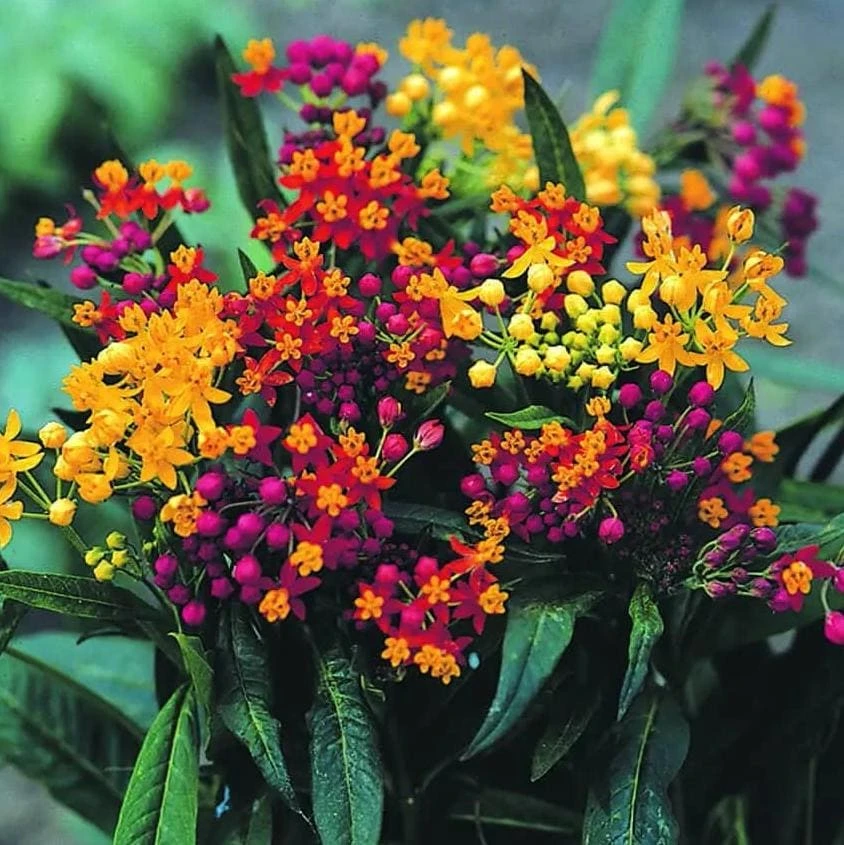
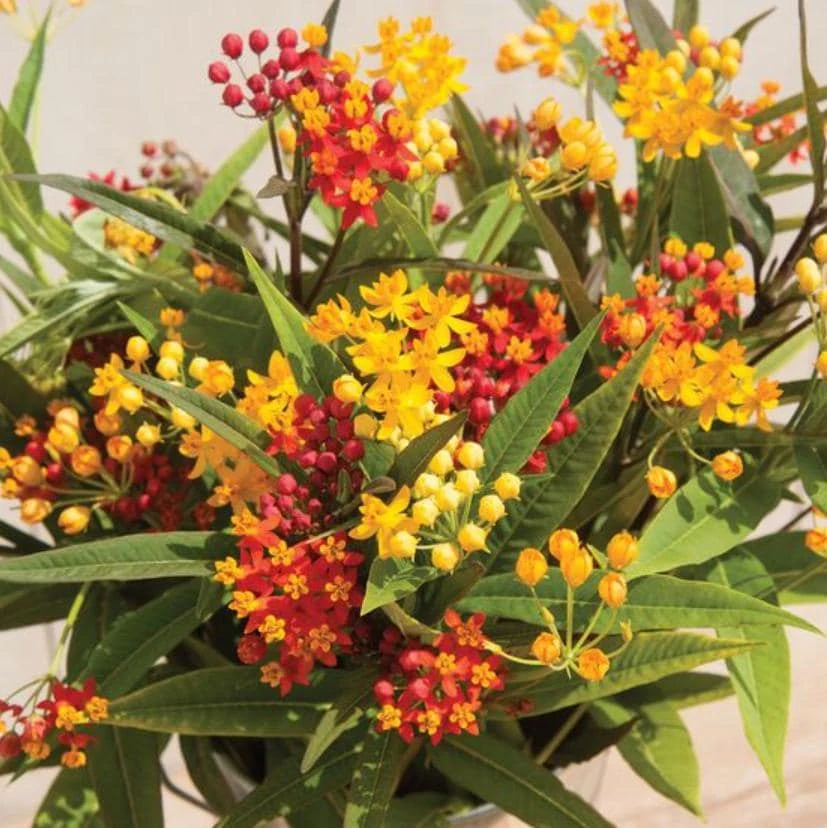
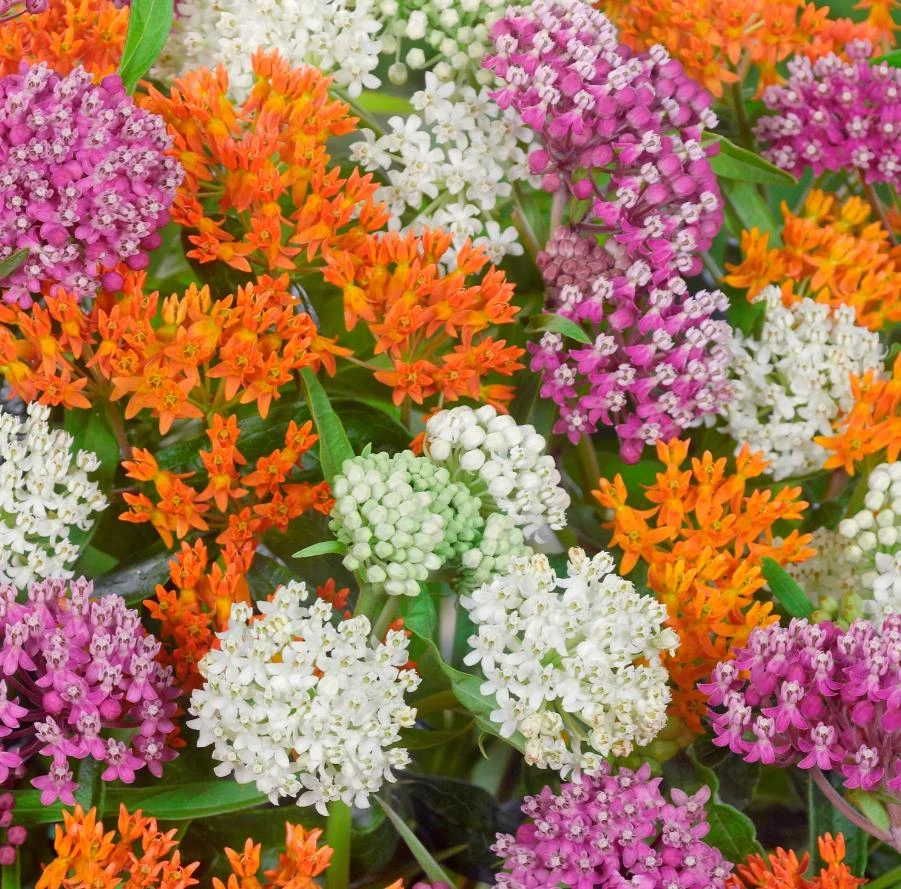
Milkweed Mix Live Plant – Butterfly Host Plant – Assorted Varieties – 3-5″ Tall Starter
Original price was: $35.99.$16.96Current price is: $16.96.
Grow a vibrant pollinator garden with this milkweed mix live plant. Assorted 3-5″ tall starter varieties provide essential habitat for butterflies, perfect for garden beds or containers. Attract beneficial insects and support local ecosystems with these easy-to-grow plants.
Shipping and Return policies:
We stand behind our plants with our Alive & Thrive Guarantee. If you experience any issues within the first 30 days, please email us, and our team will be happy to help. When needed, we’ll send you a one-time replacement free of charge to make sure your garden keeps growing strong.

Reasonable Price
We offer reasonable price

Support 24/7
Contact us 24 hrs a day
100% Money Back
You’ve 30 days to Return
Payment Secure
100% secure payment
Overview
Cultivate a thriving ecosystem in your backyard with our milkweed mix live plant assortment. These young starter plants are an indispensable addition to any pollinator garden, specifically chosen to provide vital sustenance and habitat for monarch butterflies and other beneficial insects. Each order includes assorted milkweed varieties, selected based on current availability, ensuring a unique and diverse collection for your landscape. Perfect for butterfly gardens, native plant collections, landscape borders, or even container growing spaces, these plants are shipped as 3-5″ tall starters, ready to establish and flourish in their new environment. Embrace the beauty of nature and contribute to ecological health by planting these essential butterfly host plants.
Our milkweed mix live plant selection offers an excellent opportunity to support local wildlife. Milkweed is the sole food source for monarch butterfly caterpillars, making it critical for their survival. By introducing these plants into your garden, you directly aid in the conservation efforts for these iconic pollinators. These vigorous young plants will quickly grow into mature specimens, providing continuous blooms and a haven for butterflies throughout the growing season.
Key Benefits
Adding a milkweed mix live plant to your garden provides numerous advantages, not just for the environment but also for the aesthetic appeal and enjoyment of your outdoor space. These plants are easy to care for and offer a rewarding gardening experience.
- Supports Monarch Butterflies: As the exclusive host plant for monarch butterfly caterpillars, these milkweed varieties are essential for the monarch life cycle, helping to boost dwindling populations.
- Attracts Pollinators: Beyond monarchs, milkweed flowers are a magnet for a wide array of pollinators, including various bees, other butterfly species, and hummingbirds, enriching your garden’s biodiversity.
- Enhances Garden Beauty: With their unique flower structures and often vibrant colors, milkweed plants add visual interest and a touch of wild beauty to any garden design, from formal borders to naturalized areas.
- Low Maintenance & Drought Tolerant: Once established, many milkweed varieties are remarkably resilient, requiring minimal care and often tolerating periods of drought, making them ideal for busy gardeners.
- Native Plant Benefits: Choosing native milkweed varieties helps to support local ecosystems, providing food and shelter for native wildlife adapted to these plants.
- Educational Opportunity: Observing the monarch life cycle from egg to caterpillar to chrysalis to butterfly on your milkweed plants offers a fascinating and educational experience for all ages.
- Versatile Planting Options: These starter plants are suitable for a variety of settings, including garden beds, rock gardens, naturalized areas, and even larger containers, offering flexibility in your garden planning.
Plant Care & Growing Tips
Ensuring your milkweed mix live plant thrives depends on providing the right conditions from the start. These young starter plants are resilient, but proper care will help them establish strong roots and grow into healthy, mature specimens. For optimal growth and seasonal blooming, full sun exposure is highly recommended. This means your plants should receive at least 6-8 hours of direct sunlight per day. If planting in a container, ensure it’s placed in the sunniest spot available on your patio or balcony.
Milkweed prefers well-draining soil with moderate fertility. Avoid heavy, waterlogged soils, as this can lead to root rot. If your garden soil is heavy clay, consider amending it with compost or sand to improve drainage. For container planting, a good quality potting mix designed for outdoor plants will suffice. Water regularly while the plants are establishing their roots, allowing the top inch or two of soil to dry out slightly between waterings. Once established, many milkweed varieties are drought-tolerant, but consistent moisture during prolonged dry spells will promote better flowering. The hardiness of your milkweed starter plants may vary depending on the specific variety, but generally, they are suitable for warm growing conditions. Young starter plants benefit from consistent sunlight, good airflow, and balanced watering to support healthy long-term development. Protecting them from strong winds in their early stages can also be beneficial.
Fertilization is generally not heavily required for milkweed, especially if planted in fertile soil. However, a light application of a balanced, slow-release fertilizer in early spring can encourage vigorous growth. Monitor your plants for common pests, though milkweed is generally robust. Aphids can sometimes be an issue, which can often be managed with a strong spray of water or insecticidal soap. Remember that these are butterfly host plants, so avoid using broad-spectrum pesticides that could harm caterpillars and other beneficial insects.
Size & Details
Each order includes 1 milkweed mix live plant, shipped as a young starter. The plants typically measure approximately 3-5 inches tall, though the exact size may vary slightly depending on the specific batch and variety. These plants are grown in 4-inch pots prior to shipping to ensure a healthy root system, but they are shipped bare-root (without the pot) to minimize environmental impact and shipping costs. This type of flowering ornamental and pollinator-friendly plant has the potential to mature into full-sized, flowering specimens under suitable growing conditions. The assortment includes various milkweed types, carefully selected based on current availability at the time of your order, ensuring you receive a vibrant and beneficial addition to your garden. Expect these plants to establish quickly and begin contributing to your pollinator garden within their first growing season.
Frequently Asked Questions
- Q: How big does this plant get? A: Your milkweed mix live plant will arrive as a starter plant, approximately 3-5 inches tall. Mature size varies by variety, but most milkweed species can grow anywhere from 2 to 6 feet tall and 1 to 3 feet wide, forming a substantial bush.
- Q: What size pot does it come in? A: While these milkweed starter plants are grown in 4-inch pots prior to shipping to ensure a robust root system, they are shipped as live plants only, without the pot, to ensure safe and efficient delivery.
- Q: Is this an indoor or outdoor plant? A: Milkweed is primarily an outdoor plant, thriving in full sun. It is a crucial component of an outdoor butterfly host plant garden, providing nectar and a breeding ground for monarchs.
- Q: How much sunlight does it need? A: Your milkweed mix live plant requires full sun, meaning at least 6-8 hours of direct sunlight per day, for healthy growth and abundant flowering.
- Q: Is this plant easy to care for? A: Yes, milkweed is generally considered easy to care for, especially once established. It’s relatively low-maintenance and can tolerate various conditions, making it suitable for beginners looking to create a pollinator garden.
- Q: What condition will it arrive in? A: Plants are carefully packaged to minimize transit stress. Due to their young size, minor leaf blemishes, temporary drooping, or slight stem movement may occur but are considered normal. With proper care, they will quickly recover and thrive.
- Q: Can I use milkweed in cooking? A: While some parts of certain milkweed species have been historically used, it’s generally not recommended for culinary use due to potential toxicity. It’s best grown as a butterfly host plant and ornamental.
- Q: How long until it blooms? A: Your milkweed mix live plant starter may bloom in its first year if planted early in the season and given optimal conditions, but more abundant flowering is typically seen in the second year and beyond.
- Q: When is the best time to plant? A: The best time to plant milkweed starters is in spring after the last frost, or in early summer, allowing them ample time to establish before cooler weather.
- Q: What’s the minimum temperature it can tolerate? A: Hardiness varies by specific milkweed variety, but many native milkweeds are perennial and can tolerate cold temperatures, dying back in winter and re-emerging in spring. It’s best to research the specific varieties you receive for precise zone information, but generally, they are suitable for warm growing conditions.
Be the first to review “Milkweed Mix Live Plant – Butterfly Host Plant – Assorted Varieties – 3-5″ Tall Starter”
You must be logged in to post a review.
People also Viewed
Sold 50 products
Original price was: $37.48.$23.98Current price is: $23.98.
Sold 50 products
$32.38
Sold 50 products
$27.38
Sold 50 products
$32.38
Sold 50 products
$19.88
Sold 50 products
$62.38
Sold 50 products
$24.88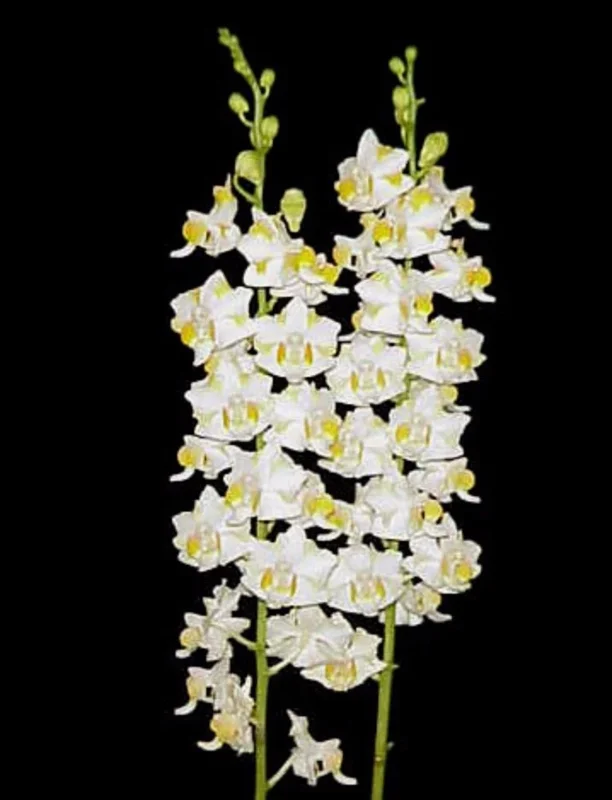
Houseplants
Phalaenopsis pulcherrima ‘Mauna Kea Snow’ Orchid Live Plant – White Flowers, Potted 2.5 in
Sold 50 products
$49.88RELATED posts
Awapuhi Wild Ginger Plant: Zones, Care, and Propagation
Learn which USDA zones suit awapuhi wild ginger, plus sunlight, water, planting, propagation, pests, size, [...]
Awapuhi Shampoo Ginger – Care, Growing Zones, and Differences
Learn how to grow awapuhi (shampoo) ginger, its USDA zones, watering schedule, propagation tips, and [...]
Awapuhi Shampoo Plant Buying Guide – Choose the Right Zingiber zerumbet
META: Learn which awapuhi (shampoo ginger) plant or rhizome pack gives the best natural shampoo, [...]
Awapuhi Plant for Sale: Complete Buying Guide
Find the right awapuhi (shampoo ginger) plant, size, price, soil mix, and online source. Practical [...]
Shampoo Ginger Plant for Sale – Buying Guide & Tips
Find the right shampoo ginger plant, size, price, and care tips. Quick guide for U.S. [...]
Shampoo Ginger Plant (Awapuhi) Care Guide
Learn how to grow, care for, and use shampoo ginger (Zingiber zerumbet), the tropical awapuhi [...]
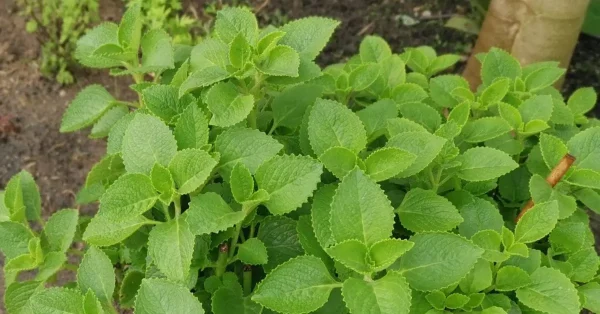
How to Grow Cuban Oregano Plants: A Complete Care Guide
If you’ve ever wanted a plant that combines the culinary punch of traditional oregano with [...]
Aug

How to Grow Habanero Pepper Plants: A Step-by-Step Guide
Habanero pepper plants are prized for their vibrant colors, intense heat, and exceptional flavor, making [...]
Aug
Reviews
There are no reviews yet.