
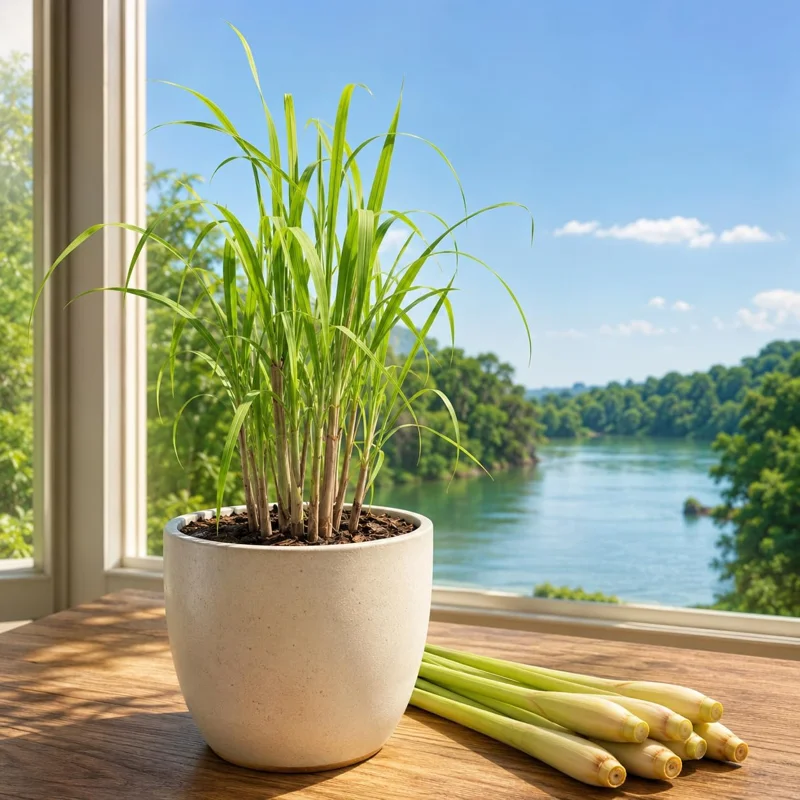
Lemongrass Live Plant, Culinary Herb, 1 Gallon Pot, Well-Rooted
$30.99
Cultivate your own fresh supply of aromatic lemongrass live plant. This healthy, well-rooted culinary lemongrass plant comes in a 1-gallon pot, ready for planting in your garden or a larger container. Enjoy the distinct citrusy flavor in cooking and the beautiful grassy foliage.
Shipping and Return policies:
We stand behind our plants with our Alive & Thrive Guarantee. If you experience any issues within the first 30 days, please email us, and our team will be happy to help. When needed, we’ll send you a one-time replacement free of charge to make sure your garden keeps growing strong.

Reasonable Price
We offer reasonable price

Support 24/7
Contact us 24 hrs a day
100% Money Back
You’ve 30 days to Return
Payment Secure
100% secure payment
Overview
Bring the vibrant flavors of Southeast Asian cuisine directly to your kitchen with this robust lemongrass live plant. Known botanically as Cymbopogon citratus, this aromatic perennial grass is a staple in many dishes, offering a distinctive citrusy, slightly minty flavor profile. Our healthy, well-rooted live plant is cultivated for vigorous growth, ensuring you receive a strong specimen ready to thrive in your garden or a suitable container. Whether you’re an experienced gardener or just starting out, growing your own culinary lemongrass is a rewarding experience, providing fresh, flavorful stalks for teas, curries, soups, and more.
This particular lemongrass live plant is provided in a convenient 1-gallon pot, making it easy to transplant. Its lush, green foliage also adds an attractive ornamental element to any outdoor space or sunny indoor spot. Enjoy the dual benefits of a beautiful plant and a readily available supply of fresh herbs.
Key Benefits
Adding a lemongrass live plant to your home or garden offers numerous advantages, from culinary delights to aesthetic appeal:
-
Fresh Culinary Ingredient: Harvest fresh stalks anytime for use in a wide array of dishes, including curries, soups, marinades, and teas. The vibrant, citrusy flavor is unmatched by dried alternatives.
-
Aromatic & Repellent Properties: The distinct scent of lemongrass herb is not only pleasant to humans but also acts as a natural repellent for certain insects, making it a great addition to patios and outdoor seating areas.
-
Easy to Grow: Lemongrass is a relatively low-maintenance plant, making it suitable for gardeners of all skill levels. With proper care, it can provide an abundant harvest.
-
Ornamental Appeal: Its tall, graceful, grass-like foliage adds a beautiful textural element to garden beds, borders, or large decorative pots.
-
Health Benefits: Traditionally used in herbal medicine, lemongrass is believed to have various health-promoting properties, including antioxidant and anti-inflammatory effects.
-
Versatile Planting: Can be grown in the ground in warmer climates or successfully in containers, allowing it to be brought indoors during colder months.
Plant Care & Growing Tips
To ensure your lemongrass live plant thrives, understanding its specific care requirements is essential. This tropical herb loves warmth and sunshine. For optimal growth, plant it in a location that receives full sun, meaning at least 6-8 hours of direct sunlight per day. If growing indoors, place it near a south-facing window or under grow lights to mimic these conditions. The ideal temperatures for lemongrass are between 70 and 95 degrees Fahrenheit, aligning with its USDA hardiness zones of 9-11.
When it comes to soil, lemongrass live plant prefers well-draining soil that is rich in organic matter. A good quality potting mix amended with compost works well for container planting. Water regularly, especially during hot, dry weather, to keep the soil consistently moist but not waterlogged. Allow the top inch of soil to dry out slightly between waterings. Fertilize every 2-4 weeks during the growing season with a balanced liquid fertilizer to encourage lush growth. In colder regions, it’s best to grow lemongrass in a pot so it can be moved indoors before the first frost. Overwintering indoors typically requires reducing watering and placing it in a bright, cool location.
Harvesting is simple: cut the outer stalks at ground level as needed. The more you harvest, the more the plant will produce. Watch out for common pests like spider mites if grown indoors, and treat with insecticidal soap if necessary. Proper care will help you successfully grow lemongrass for years to come.
Size & Details
This offering is for one healthy, well-rooted lemongrass live plant, supplied in a 1-gallon nursery pot. At the time of shipment, the plant will typically stand between 12 to 18 inches tall, ready for immediate transplanting into a larger container or directly into your garden bed. Lemongrass is a fast-growing perennial grass that can reach heights of 3 to 6 feet and spread 2 to 4 feet wide when mature, depending on growing conditions and climate. It forms dense clumps of attractive, blade-like foliage. The plant is shipped in its nursery pot with soil, ensuring minimal shock upon arrival. Expect vigorous growth and a steady supply of fresh stalks throughout the warm growing season.
Frequently Asked Questions
-
Q: How big does this plant get? A: This lemongrass live plant typically grows 3 to 6 feet tall and 2 to 4 feet wide at maturity, forming dense clumps of foliage. Its ultimate size can depend on growing conditions and whether it’s grown in the ground or a container.
-
Q: What size pot does it come in? A: The lemongrass live plant is shipped in a 1-gallon nursery pot, making it easy to transplant upon arrival.
-
Q: Is this an indoor or outdoor plant? A: While primarily an outdoor plant in USDA zones 9-11, lemongrass can be grown in containers and brought indoors during colder months. It thrives in full sun.
-
Q: How much sunlight does it need? A: Lemongrass requires full sun, meaning at least 6-8 hours of direct sunlight daily, to grow vigorously and produce strong stalks.
-
Q: Is this plant easy to care for? A: Yes, lemongrass is considered relatively easy to care for. It needs consistent moisture, plenty of sun, and occasional fertilization during its active growing season to thrive.
-
Q: What condition will it arrive in? A: Your lemongrass live plant will arrive well-rooted in its 1-gallon pot, carefully packaged to ensure it reaches you in healthy condition, ready for planting.
-
Q: Can I use this culinary lemongrass in cooking? A: Absolutely! This plant is specifically grown for its culinary uses. Harvest the lower, thicker parts of the stalks for your recipes.
-
Q: When is the best time to plant? A: The best time to plant lemongrass is in spring after all danger of frost has passed, once temperatures are consistently warm.
-
Q: Will it survive winter in my zone? A: Lemongrass is perennial in USDA Zones 9-11. In colder zones, it must be brought indoors for winter or treated as an annual.
-
Q: What’s the minimum temperature it can tolerate? A: It prefers temperatures above 70°F and is sensitive to frost. Protect it when temperatures drop below 40°F.
Be the first to review “Lemongrass Live Plant, Culinary Herb, 1 Gallon Pot, Well-Rooted”
You must be logged in to post a review.
People also Viewed
Sold 50 products
$32.38
Sold 50 products
$27.38
Sold 50 products
$32.38
Sold 50 products
$19.88
Sold 50 products
$62.38
Sold 50 products
$24.88
Houseplants
Phalaenopsis pulcherrima ‘Mauna Kea Snow’ Orchid Live Plant – White Flowers, Potted 2.5 in
Sold 50 products
$49.88
Sold 50 products
$49.88RELATED posts
Awapuhi Wild Ginger Plant: Zones, Care, and Propagation
Learn which USDA zones suit awapuhi wild ginger, plus sunlight, water, planting, propagation, pests, size, [...]
Awapuhi Shampoo Ginger – Care, Growing Zones, and Differences
Learn how to grow awapuhi (shampoo) ginger, its USDA zones, watering schedule, propagation tips, and [...]
Awapuhi Shampoo Plant Buying Guide – Choose the Right Zingiber zerumbet
META: Learn which awapuhi (shampoo ginger) plant or rhizome pack gives the best natural shampoo, [...]
Awapuhi Plant for Sale: Complete Buying Guide
Find the right awapuhi (shampoo ginger) plant, size, price, soil mix, and online source. Practical [...]
Shampoo Ginger Plant for Sale – Buying Guide & Tips
Find the right shampoo ginger plant, size, price, and care tips. Quick guide for U.S. [...]
Shampoo Ginger Plant (Awapuhi) Care Guide
Learn how to grow, care for, and use shampoo ginger (Zingiber zerumbet), the tropical awapuhi [...]
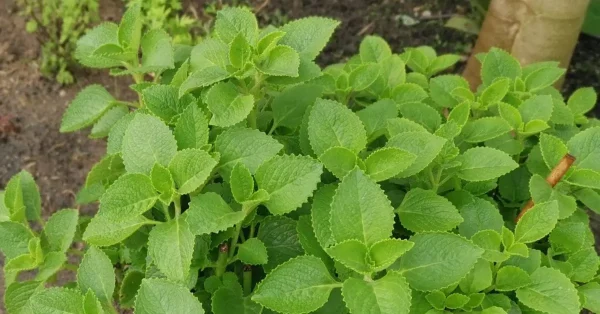
How to Grow Cuban Oregano Plants: A Complete Care Guide
If you’ve ever wanted a plant that combines the culinary punch of traditional oregano with [...]
Aug
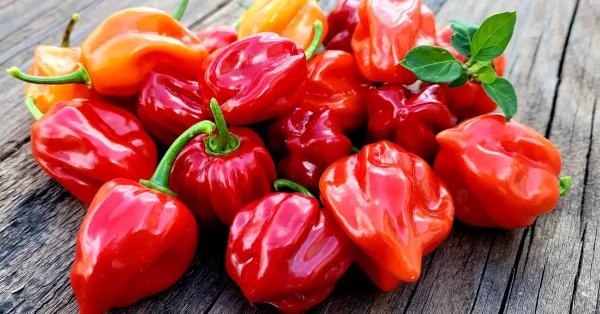
How to Grow Habanero Pepper Plants: A Step-by-Step Guide
Habanero pepper plants are prized for their vibrant colors, intense heat, and exceptional flavor, making [...]
Aug
Reviews
There are no reviews yet.