

Jumbo Peanut Seeds for Planting – Heirloom, Non-GMO, 50+ Seeds
$11.38
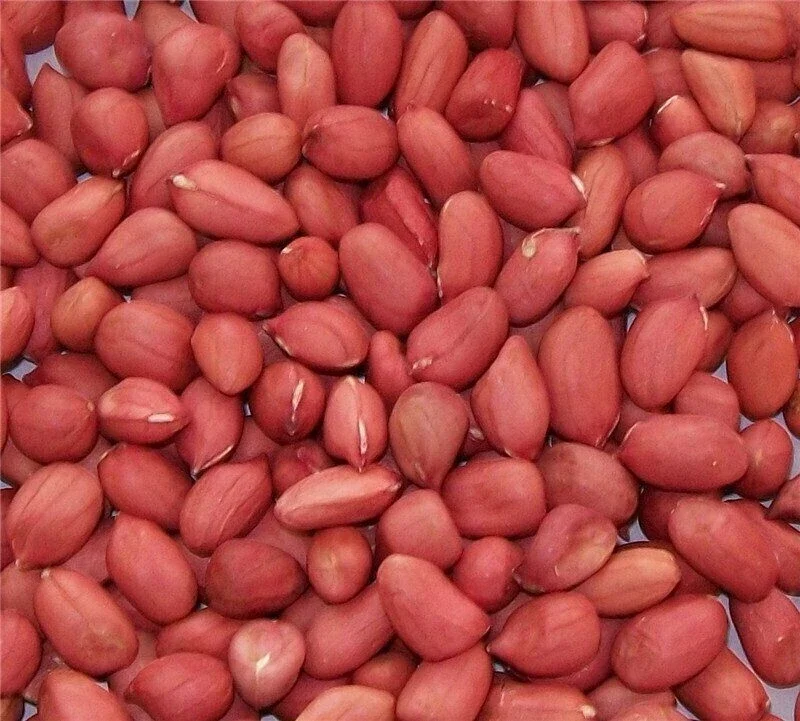
Start your own peanut patch with our premium jumbo peanut seeds. This pack contains 50+ non-GMO, heirloom seeds, perfect for cultivating delicious peanuts in your home garden. Enjoy the satisfaction of growing your own fresh, wholesome snacks.
Shipping and Return policies:
We stand behind our plants with our Alive & Thrive Guarantee. If you experience any issues within the first 30 days, please email us, and our team will be happy to help. When needed, we’ll send you a one-time replacement free of charge to make sure your garden keeps growing strong.

Reasonable Price
We offer reasonable price

Support 24/7
Contact us 24 hrs a day
100% Money Back
You’ve 30 days to Return
Payment Secure
100% secure payment
Overview
Embark on a rewarding gardening journey with our premium jumbo peanut seeds. Each pack contains over 50 high-quality, non-GMO, and heirloom seeds, carefully selected to ensure a successful harvest. These aren’t just any seeds; they are the foundation for growing robust peanut plants that yield large, flavorful peanuts. Whether you’re an experienced gardener or just starting out, planting peanut seeds is a fun and educational experience, culminating in a delicious, homegrown treat. Our jumbo peanut seeds are an excellent choice for anyone looking to add a unique and nutritious crop to their garden.
Peanuts, botanically known as Arachis hypogaea, are fascinating plants that produce their edible pods underground. This particular variety is known for its impressive size and rich flavor, making it a favorite among home growers. Cultivating these heirloom peanut seeds allows you to preserve genetic diversity and enjoy the authentic taste that commercial peanuts often lack. Prepare to be amazed as these humble seeds transform into a thriving patch of peanut plants, ready to provide you with a wholesome snack straight from your backyard.
Key Benefits
Growing your own peanuts from our jumbo peanut seeds offers a multitude of benefits, from the joy of gardening to the health advantages of fresh produce. These seeds are specifically chosen for their quality and potential to produce a generous yield.
- Bountiful Harvest: Each pack provides 50+ seeds, giving you ample opportunity to cultivate a significant crop of delicious jumbo peanuts, perfect for snacking, cooking, or sharing.
- Non-GMO Assurance: Our non-GMO peanut seeds ensure you’re growing natural, unaltered produce, aligning with healthy lifestyle choices and sustainable gardening practices.
- Heirloom Quality: Experience the authentic taste and robust growth characteristics of traditional varieties. These heirloom peanut seeds offer superior flavor and reliable performance compared to many modern hybrids.
- Nutritional Value: Homegrown peanuts are a fantastic source of protein, healthy fats, and essential vitamins and minerals. Enjoy a fresh, nutritious snack that you’ve grown yourself.
- Educational and Rewarding: The unique growth habit of peanuts, producing pods underground, makes them a fascinating plant for gardeners of all ages. It’s a rewarding project that yields tangible, tasty results.
- Versatile Culinary Use: Once harvested, your homegrown peanuts can be roasted, boiled, used in butter, or incorporated into various dishes, offering endless culinary possibilities.
- Sustainable Gardening: By choosing to grow your own peanuts, you contribute to a more sustainable food system, reducing your carbon footprint and connecting more deeply with your food source.
Plant Care & Growing Tips
Successfully growing peanuts from our jumbo peanut seeds requires attention to specific conditions, but with the right care, you’ll be enjoying your own harvest. Peanuts thrive in warm climates and prefer a long growing season. They generally need at least 120 frost-free days to mature. The ideal planting time is after the last spring frost, when soil temperatures consistently reach 65°F (18°C) or warmer, typically about 6 weeks after your region’s last frost date. Plant seeds about 1-2 inches deep and 6-8 inches apart in rows that are 2-3 feet apart. Ensure the soil is loose and well-draining to allow the developing pods to penetrate easily.
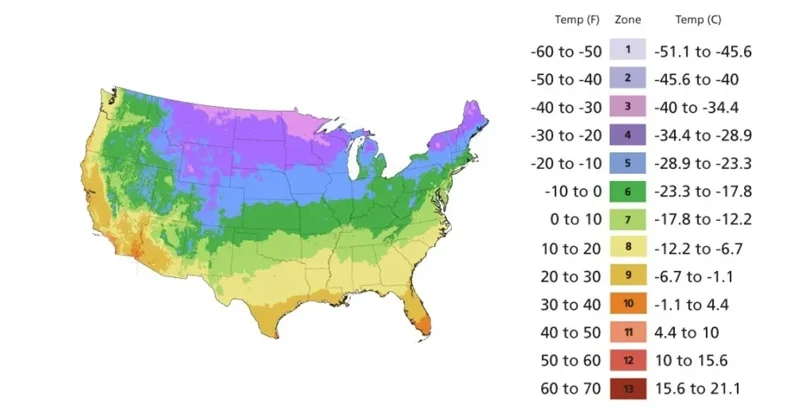
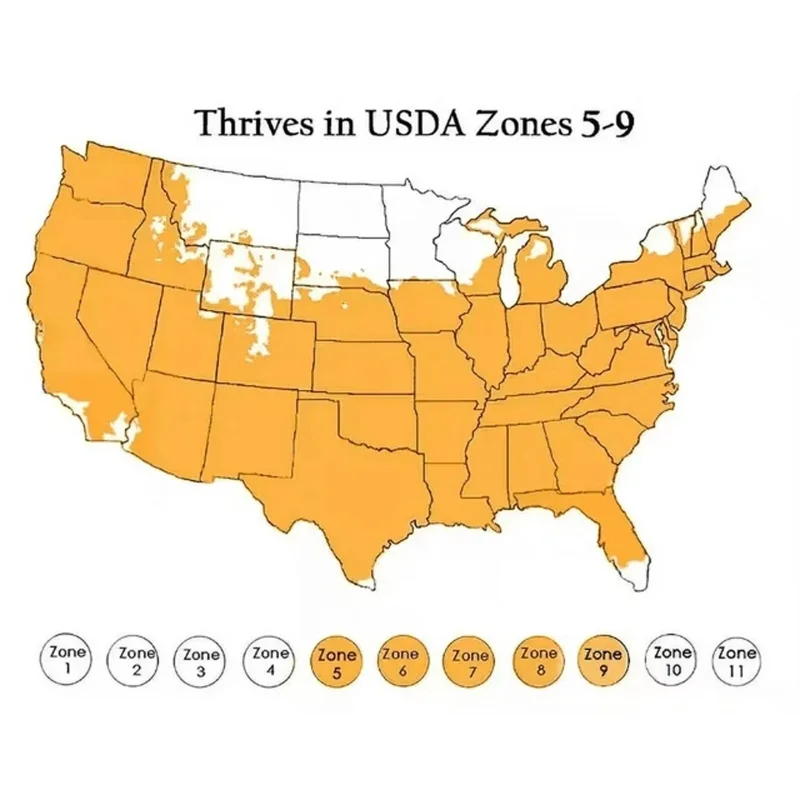
Sunlight requirements: Peanuts are sun-loving plants and need full sun, meaning at least 6-8 hours of direct sunlight per day, to produce a good crop. Choose a location in your garden that receives ample sunlight throughout the day. Watering schedule and soil moisture preferences: Consistent moisture is crucial, especially during flowering and pod development. Water deeply and regularly, aiming for about 1 inch of water per week, either from rain or irrigation. Avoid overwatering, as this can lead to root rot. Soil type and drainage requirements: Peanuts prefer loose, sandy loam soil with good drainage. Heavy clay soils can impede pod development. If your soil is heavy, amend it with sand and organic matter to improve its texture. The soil pH should be between 6.0 and 6.5. Temperature range and USDA hardiness zone: Peanuts are typically grown as annuals and are sensitive to frost. They perform best in USDA Zones 8-11, but can be grown in cooler zones if started indoors and transplanted after all danger of frost has passed. Fertilization schedule and type: While peanuts are legumes and fix their own nitrogen, they benefit from a balanced fertilizer with lower nitrogen and higher phosphorus and potassium content before planting. Avoid high-nitrogen fertilizers, which can promote leafy growth at the expense of pod production. Apply a side dressing of compost or a balanced fertilizer once the plants start to flower. Rotate crops to prevent soil depletion and disease. Proper care will help you grow your own peanuts successfully.
Size & Details
Our offering includes jumbo peanut seeds, ensuring you start with a robust variety capable of producing large, delicious peanuts. Each packet contains 50+ individual seeds, providing a generous quantity for your gardening endeavors. These seeds are ready for planting and are suitable for both small home gardens and larger cultivation areas. The plants typically grow to a height of 12-18 inches and spread about 18-24 inches wide, forming a clumping growth habit. Peanuts are annuals, completing their life cycle within one growing season, typically 120-150 days from planting to harvest, depending on the climate and specific variety.
The peanuts themselves develop underground, maturing into pods that usually contain 2-4 large kernels. You can expect a good yield per plant, making it worthwhile to plant peanut seeds. The seeds are shipped in a protective packet to maintain viability and are ready for immediate sowing upon arrival. With proper care, these heirloom seeds will produce peanuts with distinctive gold and red hues on their shells, offering a unique visual appeal in addition to their excellent taste. This is an unbranded product focused on delivering high-quality, viable seeds for your gardening success.
Frequently Asked Questions
- Q: How many jumbo peanut seeds are included in this pack? A: Each pack contains over 50 high-quality jumbo peanut seeds, providing you with plenty of seeds to start a successful peanut patch in your garden.
- Q: Are these peanut seeds non-GMO and heirloom? A: Yes, these are non-GMO peanut seeds and are also an heirloom variety, ensuring you’re growing natural and traditional peanuts with excellent flavor characteristics.
- Q: What is the best time to plant peanut seeds? A: The best time to plant peanut seeds is after the last spring frost, when soil temperatures are consistently above 65°F (18°C), which is usually about 6 weeks after the last frost date.
- Q: How much sunlight do peanut plants need? A: Peanut plants require full sun, meaning at least 6-8 hours of direct sunlight per day, to thrive and produce a good harvest.
- Q: Is this plant easy to care for, especially for beginners? A: Peanuts are considered relatively easy to grow, especially if you provide them with warm temperatures, full sun, and well-draining soil. They are a great choice for gardeners looking to grow your own peanuts.
- Q: What condition will the seeds arrive in? A: The seeds are carefully packaged to ensure they arrive in excellent condition, ready for planting in your garden.
- Q: How long does it take for peanuts to grow from seed to harvest? A: Peanuts typically take about 120-150 days from planting to harvest, depending on your climate and growing conditions.
- Q: What type of soil is best for growing peanuts? A: Peanuts prefer loose, sandy loam soil with good drainage and a pH between 6.0 and 6.5.
- Q: Can these peanuts be grown indoors? A: While primarily an outdoor crop, peanuts can be grown in large containers indoors if you can provide sufficient light and warmth, though yields may be smaller.
- Q: What USDA zones are suitable for growing these heirloom peanut seeds? A: These heirloom peanut seeds are best suited for outdoor cultivation in USDA Zones 8-11, where there is a long, warm growing season.
Be the first to review “Jumbo Peanut Seeds for Planting – Heirloom, Non-GMO, 50+ Seeds”
You must be logged in to post a review.
People also Viewed
Sold 50 products
$32.38
Sold 50 products
$27.38
Sold 50 products
$32.38
Sold 50 products
$19.88
Sold 50 products
$62.38
Sold 50 products
$24.88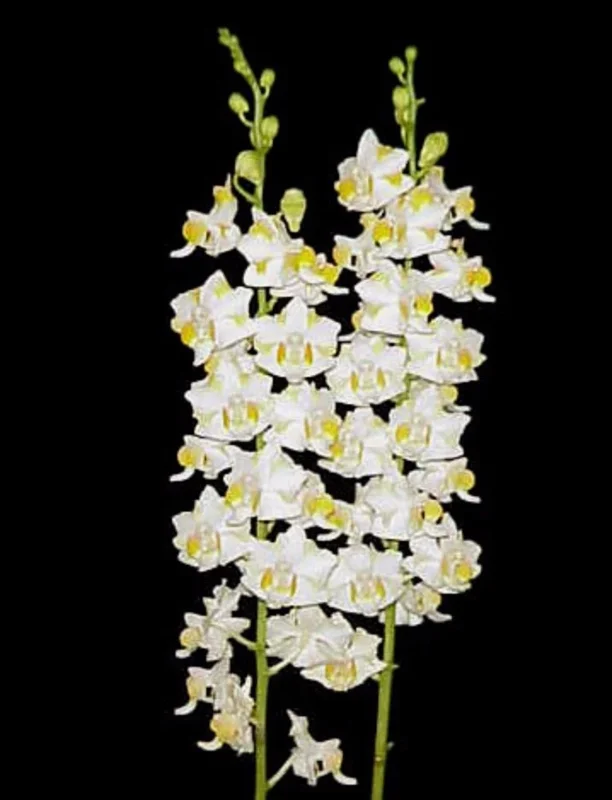
Houseplants
Phalaenopsis pulcherrima ‘Mauna Kea Snow’ Orchid Live Plant – White Flowers, Potted 2.5 in
Sold 50 products
$49.88
Sold 50 products
$49.88RELATED posts
Awapuhi Wild Ginger Plant: Zones, Care, and Propagation
Learn which USDA zones suit awapuhi wild ginger, plus sunlight, water, planting, propagation, pests, size, [...]
Awapuhi Shampoo Ginger – Care, Growing Zones, and Differences
Learn how to grow awapuhi (shampoo) ginger, its USDA zones, watering schedule, propagation tips, and [...]
Awapuhi Shampoo Plant Buying Guide – Choose the Right Zingiber zerumbet
META: Learn which awapuhi (shampoo ginger) plant or rhizome pack gives the best natural shampoo, [...]
Awapuhi Plant for Sale: Complete Buying Guide
Find the right awapuhi (shampoo ginger) plant, size, price, soil mix, and online source. Practical [...]
Shampoo Ginger Plant for Sale – Buying Guide & Tips
Find the right shampoo ginger plant, size, price, and care tips. Quick guide for U.S. [...]
Shampoo Ginger Plant (Awapuhi) Care Guide
Learn how to grow, care for, and use shampoo ginger (Zingiber zerumbet), the tropical awapuhi [...]
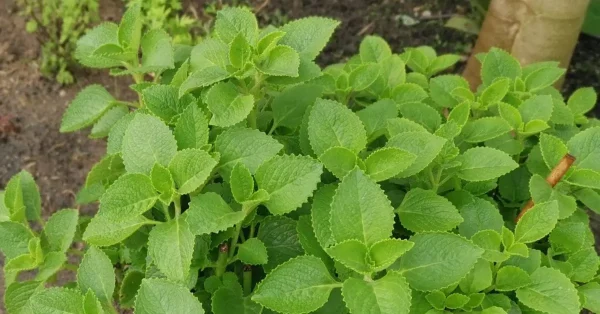
How to Grow Cuban Oregano Plants: A Complete Care Guide
If you’ve ever wanted a plant that combines the culinary punch of traditional oregano with [...]
Aug
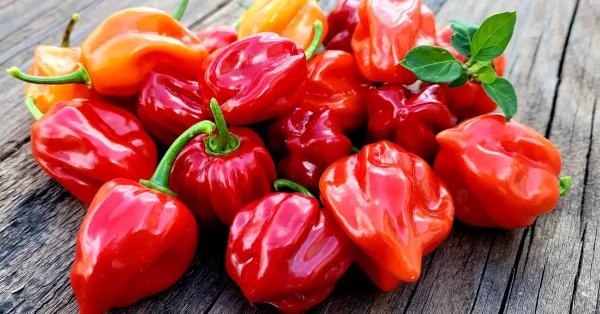
How to Grow Habanero Pepper Plants: A Step-by-Step Guide
Habanero pepper plants are prized for their vibrant colors, intense heat, and exceptional flavor, making [...]
Aug



Reviews
There are no reviews yet.