


Japanese Maple Bonsai Live Plant or Seeds – Acer palmatum – Indoor/Outdoor
Price range: $4.70 through $2,137.48
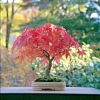
Create a tranquil miniature landscape with a Japanese Maple Bonsai. Known for its vibrant foliage and elegant form, this Acer palmatum is perfect for both indoor and outdoor settings. Start your journey with either a live plant or a packet of Japanese Maple seeds.
Shipping and Return policies:
We stand behind our plants with our Alive & Thrive Guarantee. If you experience any issues within the first 30 days, please email us, and our team will be happy to help. When needed, we’ll send you a one-time replacement free of charge to make sure your garden keeps growing strong.

Reasonable Price
We offer reasonable price

Support 24/7
Contact us 24 hrs a day
100% Money Back
You’ve 30 days to Return
Payment Secure
100% secure payment
Overview
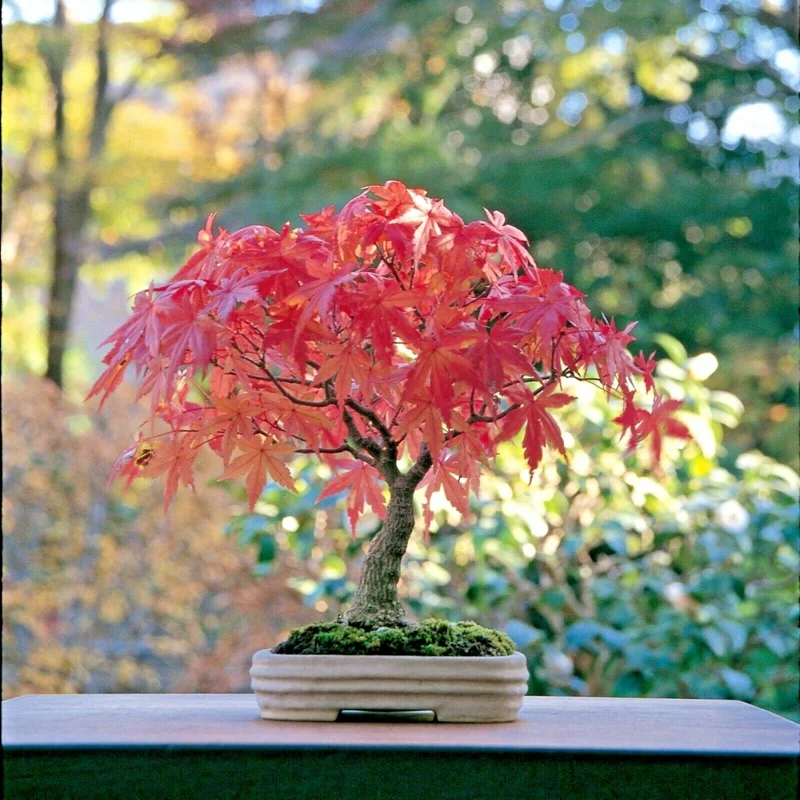
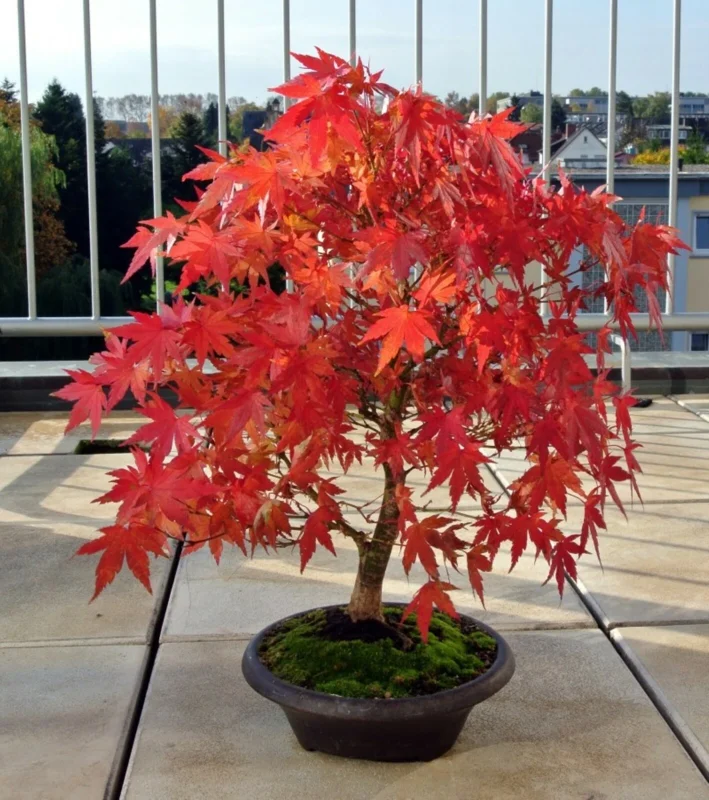
Transform your living space or garden into a serene oasis with a magnificent Japanese Maple Bonsai. This offering provides the flexibility to choose between a live plant or high-quality seeds, allowing both novice and experienced enthusiasts to cultivate this iconic miniature tree. The Acer palmatum, commonly known as the Japanese Maple, is celebrated for its delicate, deeply lobed leaves that display an incredible array of colors throughout the seasons, from vibrant greens in spring to fiery reds, oranges, and yellows in autumn. Its graceful branching structure and compact size make it an ideal candidate for bonsai cultivation, offering a living piece of art that brings peace and natural beauty to any setting.
Whether you’re looking for an established plant to nurture or the rewarding experience of growing from scratch with Japanese Maple seeds, this product provides a gateway to the ancient art of bonsai. The Japanese Maple is a versatile tree that thrives in various climates and can be adapted for both indoor and outdoor display, making it a popular choice for gardeners and collectors alike. Its captivating beauty and relatively straightforward care requirements make it a fulfilling project for anyone eager to delve into the world of bonsai.
Key Benefits
Cultivating a Japanese Maple Bonsai offers numerous rewards, from aesthetic appeal to the meditative practice of bonsai art. This particular selection provides the foundation for a beautiful and enduring horticultural journey.
- Stunning Seasonal Foliage: Enjoy a dynamic display of color, with leaves transitioning from fresh green in spring to spectacular reds, oranges, and purples in the fall, making your Acer palmatum a year-round focal point.
- Elegant Bonsai Form: The natural growth habit of the Japanese Maple lends itself perfectly to bonsai, allowing for the creation of intricate and artistic shapes that evoke ancient trees.
- Versatile Growing Options: Suitable for both indoor and outdoor environments, this Japanese Maple Bonsai can adapt to various settings, offering flexibility in where you choose to display your botanical masterpiece.
- Rewarding Cultivation Experience: Whether starting with a live plant or nurturing Japanese Maple seeds, the process of growing and shaping your bonsai provides a deeply satisfying and meditative hobby.
- Air Purifying Qualities: Like many plants, the Japanese Maple contributes to a healthier indoor environment by naturally filtering air and adding oxygen.
- Enhances Aesthetic Appeal: A well-cared-for Japanese Maple bonsai adds a touch of sophisticated natural beauty and tranquility to any home, office, or garden space.
- Long-Lived Specimen: With proper care, a Japanese Maple Bonsai can live for decades, becoming a cherished heirloom and a testament to your dedication and skill.
Plant Care & Growing Tips
Caring for your Japanese Maple Bonsai, whether a live plant or grown from Japanese Maple seeds, requires attention to a few key environmental factors to ensure its health and vibrant growth. These trees generally prefer a location with partial shade, especially during the hottest parts of the day. While they can tolerate some full sun, too much intense, direct sunlight can scorch their delicate leaves, particularly in warmer climates. Ideally, aim for 4-6 hours of morning sun followed by afternoon shade. For indoor bonsai, place it near a window that receives bright, indirect light, and consider rotating it periodically to ensure even growth. The Acer palmatum thrives in well-draining soil that retains some moisture but never becomes waterlogged.
Watering should be consistent, allowing the top inch of soil to dry out slightly between waterings. Overwatering can lead to root rot, while underwatering can cause leaves to crisp and drop. During active growth periods in spring and summer, more frequent watering may be necessary. Reduce watering in fall and winter when the plant is dormant. The Japanese Maple Bonsai is hardy and generally pest-resistant, but keep an eye out for common bonsai pests like aphids or spider mites, treating them promptly if observed. Fertilize your bonsai during the growing season (spring to late summer) with a balanced liquid fertilizer diluted to half strength, following the product’s instructions. Pruning is essential for maintaining the bonsai shape and encouraging dense foliage; regular trimming of new growth and structural pruning during dormancy will help achieve the desired form for your indoor bonsai tree.
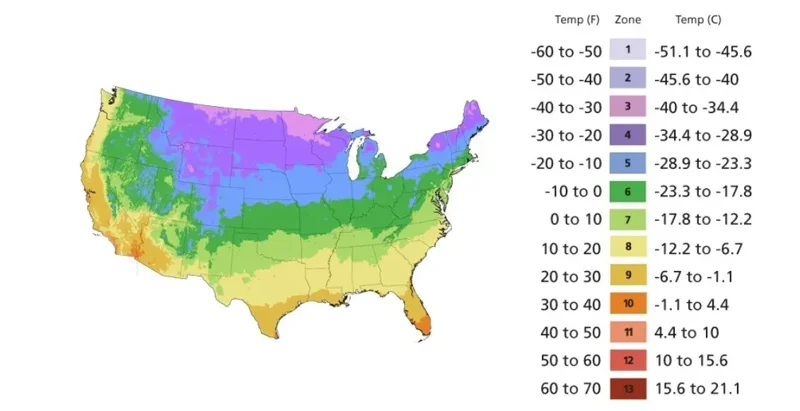
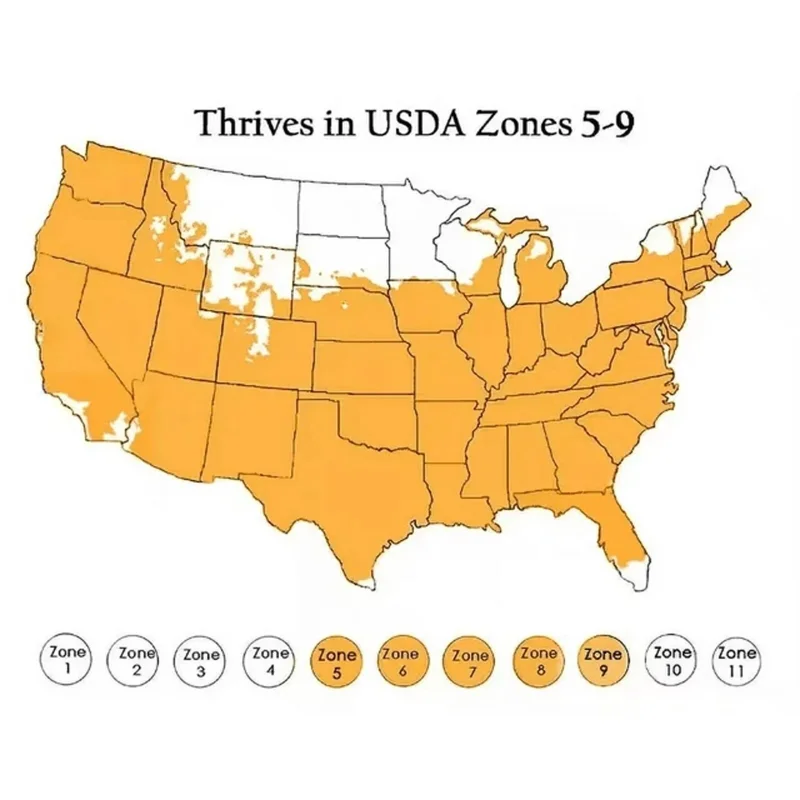
The ideal temperature range for a Japanese Maple Bonsai is between 50-80°F (10-27°C). They are deciduous, meaning they will lose their leaves in winter and require a period of dormancy. For outdoor bonsai, this typically happens naturally. For indoor bonsai, you may need to provide a cool, unheated space during winter months (around 40-50°F or 4-10°C) to ensure proper dormancy and healthy growth in the spring. These trees are generally hardy in USDA Zones 5-9, but local conditions and specific cultivars can influence their tolerance.
Size & Details
This offering includes options for both a live Japanese Maple Bonsai plant and packets of Japanese Maple seeds. Live plants typically range from 5-8 inches for a small starter plant, and up to 1-2 feet for a medium plant, or a 3-gallon size for a larger specimen, providing an immediate presence for your bonsai collection. Seeds are available in various pack sizes, from sample packs of 5 to larger quantities of 5,000, allowing you to propagate multiple bonsai or share with fellow enthusiasts. When mature, a well-trained Japanese Maple bonsai can reach heights of 1-3 feet, with a similar spread, depending on pruning and container size. The growth rate is generally fast when young, slowing as it matures and is shaped. Live plants are shipped in appropriate nursery pots, ensuring their safe arrival. Seeds will come in protective packaging ready for planting. Expect to see significant growth and the development of the characteristic elegant form within 3-5 years of starting from a young plant or successful seed germination.
Frequently Asked Questions
- Q: How big does this Japanese Maple Bonsai get? A: A well-maintained Japanese Maple Bonsai typically reaches a height of 1 to 3 feet and a similar spread, depending on pruning techniques and the size of its container. Starting from seed or a young plant allows you to shape its growth over time.
- Q: Is this an indoor or outdoor plant? A: The Acer palmatum is versatile and can be grown both indoors and outdoors. If kept indoors, it will require a period of winter dormancy in a cool, unheated space. Outdoor placement is ideal in most temperate climates.
- Q: How much sunlight does a Japanese Maple Bonsai need? A: This bonsai prefers partial shade, especially during the hot afternoon sun. Aim for 4-6 hours of morning sun with protection from intense midday and afternoon light to prevent leaf scorch.
- Q: Is this plant easy to care for, especially for beginners? A: While bonsai cultivation requires dedication, the Japanese Maple Bonsai is considered a good choice for beginners due to its adaptability and relatively strong growth. Starting with a live plant can be easier than growing from Japanese Maple seeds for those new to bonsai.
- Q: What condition will the live plant arrive in? A: Live plants are carefully packaged and shipped in nursery pots to ensure they arrive healthy and ready for transplanting or continued growth. We prioritize the safe transit of your new indoor bonsai tree.
- Q: When is the best time to plant Japanese Maple seeds? A: The best time to stratify and sow Japanese Maple seeds is typically in late winter or early spring after they have undergone a period of cold stratification to break dormancy.
- Q: Will a Japanese Maple Bonsai survive winter in my zone? A: Japanese Maples are generally hardy in USDA Zones 5-9. If you live in a colder zone, outdoor bonsai will need winter protection, such as being moved to a sheltered area or a cold frame.
- Q: What type of soil is best for an Acer palmatum bonsai? A: A well-draining, slightly acidic soil mix is ideal for an Acer palmatum. Many specialized bonsai soil mixes work well, often containing akadama, pumice, and lava rock.
- Q: Can I grow this plant from the provided Japanese Maple seeds? A: Yes, you can cultivate your own Japanese Maple Bonsai from the high-quality seeds provided. Follow recommended stratification and germination techniques for best results. This allows you to truly engage with the art of bonsai cultivation.
| Options | 1,000 Seeds, 100 Seeds, 25 Seeds, 5,000 Seeds, 50 Seeds, 500 Seeds, Large Plant (3 Gallon), Medium Plant (1-2Ft), Sample Seed Pack (5), Small Plant (5-8 Inches), Starter Seed Pack (10) |
|---|
Be the first to review “Japanese Maple Bonsai Live Plant or Seeds – Acer palmatum – Indoor/Outdoor”
You must be logged in to post a review.
People also Viewed
Sold 50 products
$32.38
Sold 50 products
$27.38
Sold 50 products
$32.38
Sold 50 products
$19.88
Sold 50 products
$62.38
Sold 50 products
$24.88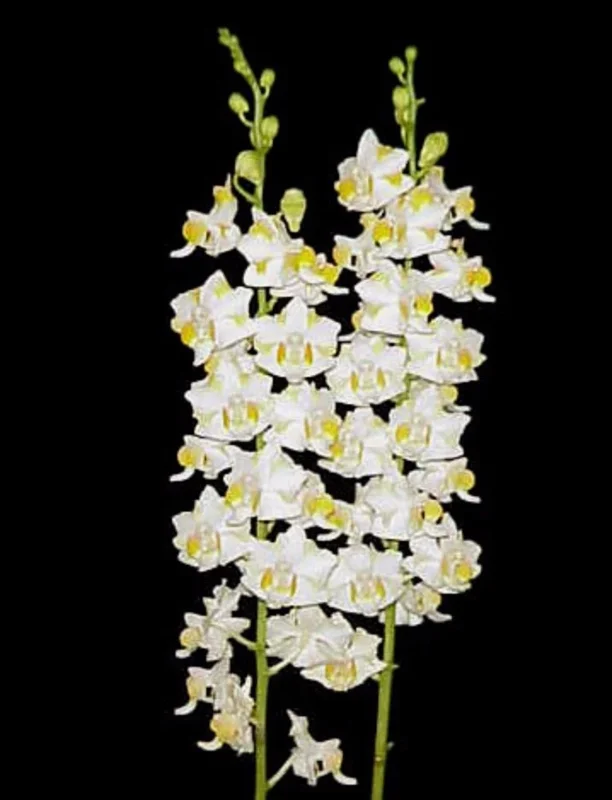
Houseplants
Phalaenopsis pulcherrima ‘Mauna Kea Snow’ Orchid Live Plant – White Flowers, Potted 2.5 in
Sold 50 products
$49.88
Sold 50 products
$49.88RELATED posts
Awapuhi Wild Ginger Plant: Zones, Care, and Propagation
Learn which USDA zones suit awapuhi wild ginger, plus sunlight, water, planting, propagation, pests, size, [...]
Awapuhi Shampoo Ginger – Care, Growing Zones, and Differences
Learn how to grow awapuhi (shampoo) ginger, its USDA zones, watering schedule, propagation tips, and [...]
Awapuhi Shampoo Plant Buying Guide – Choose the Right Zingiber zerumbet
META: Learn which awapuhi (shampoo ginger) plant or rhizome pack gives the best natural shampoo, [...]
Awapuhi Plant for Sale: Complete Buying Guide
Find the right awapuhi (shampoo ginger) plant, size, price, soil mix, and online source. Practical [...]
Shampoo Ginger Plant for Sale – Buying Guide & Tips
Find the right shampoo ginger plant, size, price, and care tips. Quick guide for U.S. [...]
Shampoo Ginger Plant (Awapuhi) Care Guide
Learn how to grow, care for, and use shampoo ginger (Zingiber zerumbet), the tropical awapuhi [...]
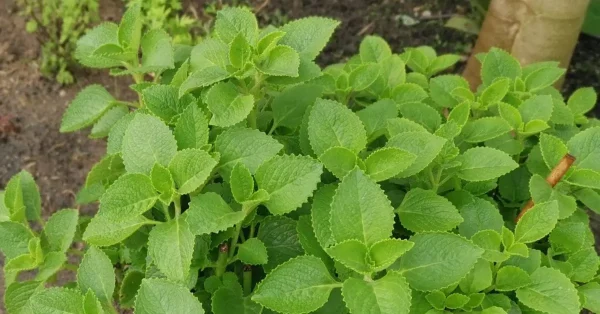
How to Grow Cuban Oregano Plants: A Complete Care Guide
If you’ve ever wanted a plant that combines the culinary punch of traditional oregano with [...]
Aug
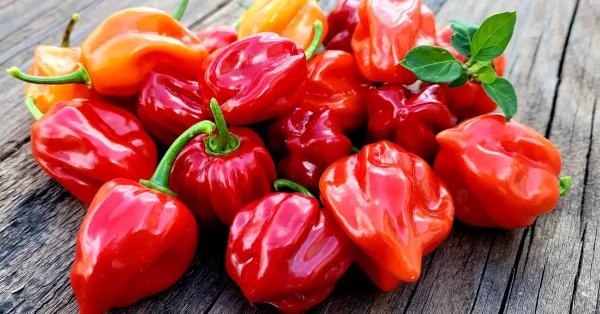
How to Grow Habanero Pepper Plants: A Step-by-Step Guide
Habanero pepper plants are prized for their vibrant colors, intense heat, and exceptional flavor, making [...]
Aug
Reviews
There are no reviews yet.