
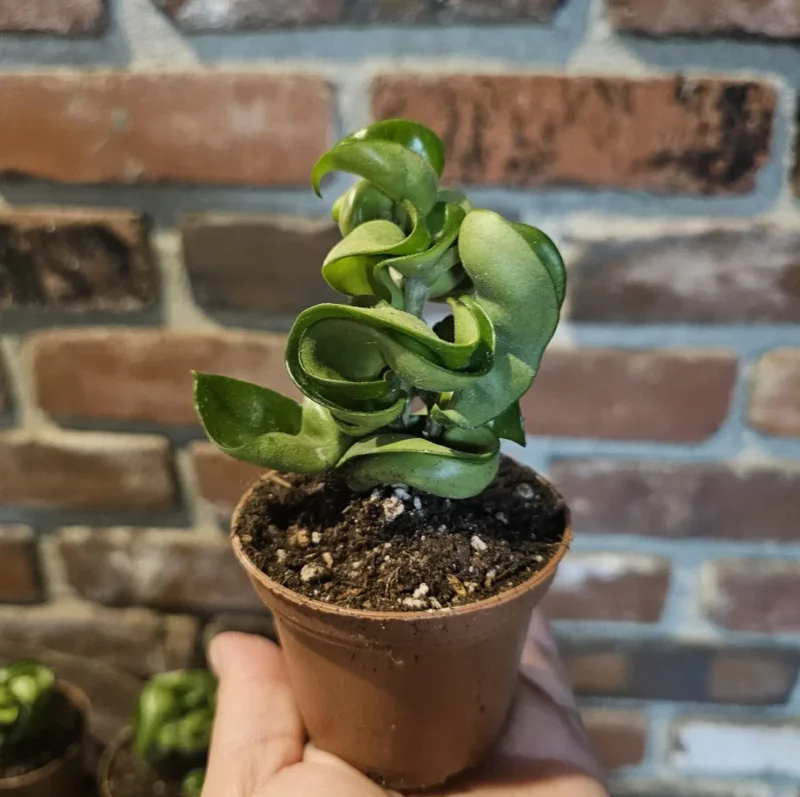
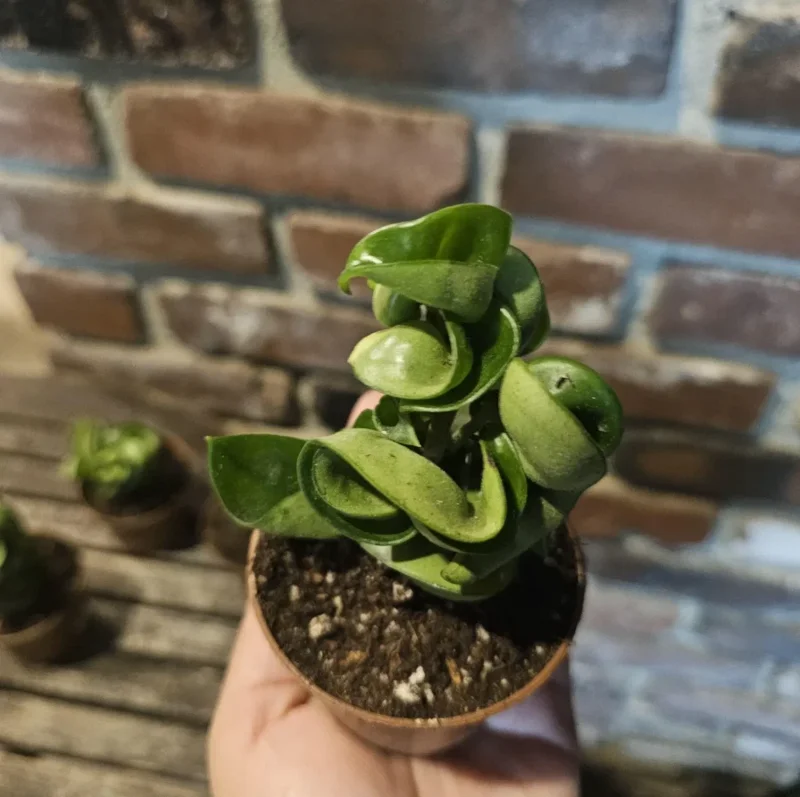
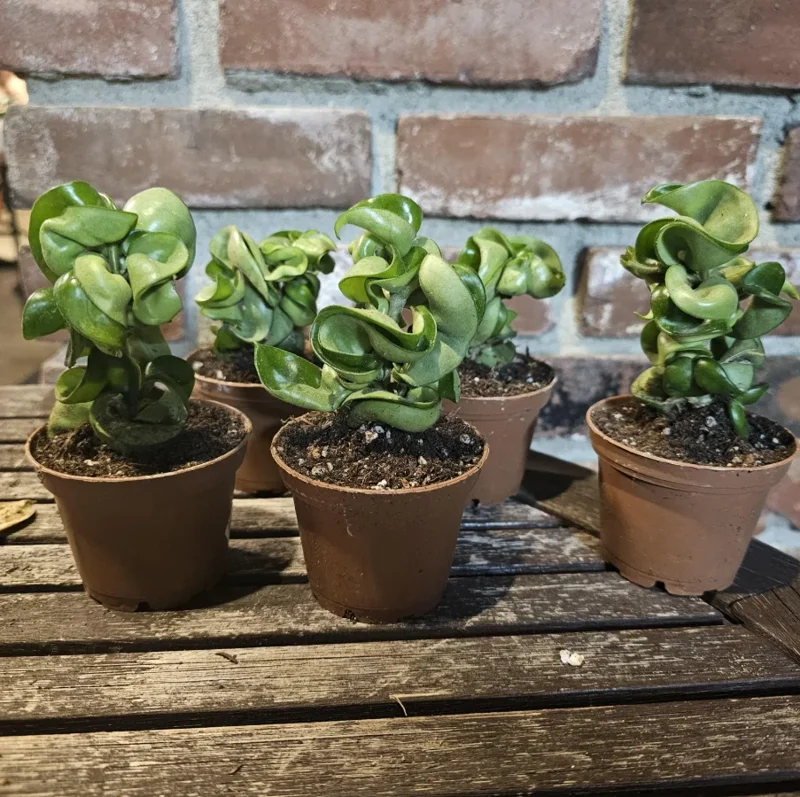
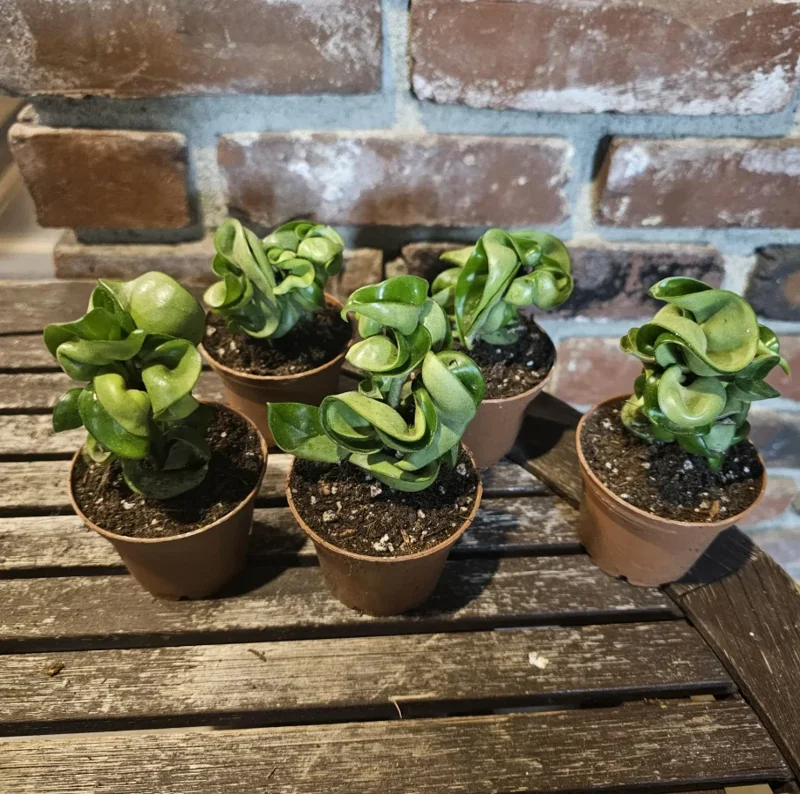
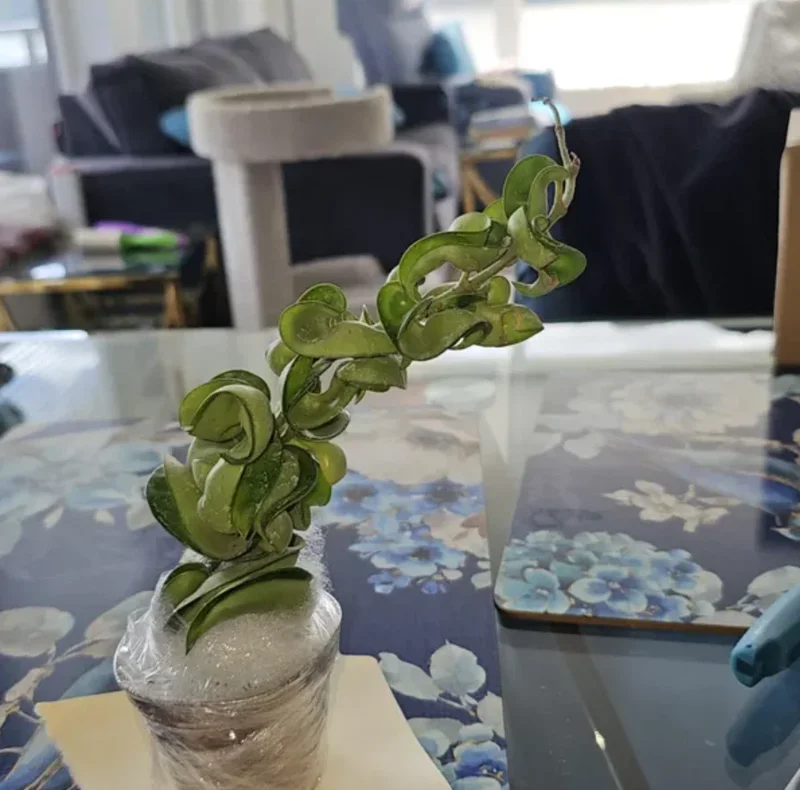
Hoya Hindu Rope Plant – Hoya Compacta Live Plant – 3″ Pot – Indoor
$31.89
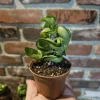
Bring home a unique and captivating Hoya Hindu Rope Plant, also known as Hoya Compacta live plant, in a convenient 3-inch pot. This indoor houseplant features distinctively twisted, succulent-like leaves, adding intriguing texture and visual interest to any space. Perfect for hanging baskets or shelves, it’s a relatively low-maintenance choice for plant lovers.
Shipping and Return policies:
We stand behind our plants with our Alive & Thrive Guarantee. If you experience any issues within the first 30 days, please email us, and our team will be happy to help. When needed, we’ll send you a one-time replacement free of charge to make sure your garden keeps growing strong.

Reasonable Price
We offer reasonable price

Support 24/7
Contact us 24 hrs a day
100% Money Back
You’ve 30 days to Return
Payment Secure
100% secure payment
Overview
The Hoya Hindu Rope Plant, scientifically known as Hoya carnosa ‘Compacta’, is a fascinating and highly sought-after succulent vine that makes an exceptional indoor houseplant. Renowned for its unique, crinkled, and twisted foliage, this plant resembles strands of rope, hence its common name. Each leaf is tightly curled and densely packed along cascading stems, creating a sculptural and textural display. This particular offering is a healthy Hoya Compacta live plant, ready to thrive in your home. Originating from tropical regions, this Hoya variety is celebrated not only for its unusual appearance but also for its potential to produce delicate, star-shaped, fragrant flowers when mature and given optimal conditions, though it is primarily grown for its striking foliage. Its slow-growing nature and adaptability make it a charming addition to various indoor settings, from bright windowsills to shelves or hanging baskets where its distinctive ropes can elegantly trail.
Key Benefits
Adding a Hoya Hindu Rope Plant to your collection offers numerous advantages, from enhancing your home’s aesthetics to providing a relatively easy-care green companion. This plant is a true conversation starter and an excellent choice for both novice and experienced plant enthusiasts.
- Unique Aesthetic Appeal: The deeply crinkled, thick, and waxy leaves of the Hoya Compacta live plant create an unparalleled visual texture. Its cascading habit makes it perfect for adding a touch of exotic elegance to any room, easily becoming a focal point in your plant display.
- Low Maintenance: Despite its exotic appearance, the Hoya Hindu Rope Plant is surprisingly easy to care for, requiring infrequent watering and tolerating a range of indoor conditions. It’s an ideal choice for busy individuals or those new to plant care, seeking a stunning plant without constant upkeep.
- Air Purification: Like many houseplants, the Hoya Compacta contributes to a healthier indoor environment by helping to filter airborne toxins. While not as prolific as some other plants, it still aids in improving air quality within your home.
- Compact Growth Habit: Its slow growth and compact nature mean it won’t quickly outgrow its space, making it suitable for smaller apartments, desks, or shelves. The ‘Compacta’ variety lives up to its name, offering beauty without demanding excessive room.
- Potential for Beautiful Blooms: With proper care and maturity, your Hoya Hindu Rope Plant may produce clusters of delicate, star-shaped, pink or white flowers with a delightful, sweet fragrance. These blooms are a rewarding sight and add another layer of charm to an already captivating plant.
- Versatile Display Options: Its trailing nature makes it an excellent candidate for hanging baskets, allowing its rope-like foliage to cascade gracefully. It also looks stunning on shelves or in decorative pots, offering flexibility in how you choose to display its unique beauty.
- Long-Lived: Hoya plants are known for their longevity, and with appropriate care, your Hoya Compacta live plant can be a cherished part of your home decor for many years, growing slowly but steadily into an impressive specimen.
Plant Care & Growing Tips
Caring for your Hoya Hindu Rope Plant is straightforward once you understand its basic needs. This succulent-like plant thrives on a bit of neglect, making it forgiving for beginners. The key is to mimic its natural tropical environment while avoiding overwatering.
Sunlight requirements: The Hoya Compacta live plant prefers bright, indirect light. A spot near an east or west-facing window is ideal, where it can receive gentle morning or afternoon sun. Direct, harsh midday sun can scorch its leaves, so avoid placing it in intense, unfiltered light. If light is too low, the plant may not grow as vigorously and may not flower. Providing 4-6 hours of bright, indirect light daily will ensure healthy growth and encourage potential blooming.
Watering schedule and soil moisture preferences: As a succulent-like plant, the Hoya Hindu Rope Plant stores water in its thick leaves, making it drought-tolerant. Allow the soil to dry out completely between waterings. When watering, do so thoroughly until water drains from the bottom of the pot. In cooler months or lower light conditions, reduce watering frequency significantly. Overwatering is the most common cause of problems, leading to root rot. You can check the soil moisture by inserting a finger about 2 inches deep; if it feels dry, it’s time to water.
Soil type and drainage requirements: This plant thrives in a well-draining, airy potting mix. A standard succulent or cactus mix amended with perlite or orchid bark works well to ensure excellent drainage and aeration. Good drainage is crucial to prevent waterlogging and root issues. The pot should also have drainage holes.
Temperature range and USDA hardiness zone: Hoya Compacta prefers warm temperatures, ideally between 60-80°F (15-27°C). Protect it from cold drafts and temperatures below 50°F (10°C), as it is not frost-tolerant. For outdoor cultivation, which is rare, it would align with USDA zones 10-11, but it is predominantly grown as an indoor plant.
Fertilization schedule and type: Fertilize sparingly during the growing season (spring and summer) with a balanced liquid fertilizer diluted to half strength, once every 2-4 weeks. Reduce or stop fertilizing during fall and winter when the plant’s growth slows down. An excessive amount of fertilizer can lead to nutrient burn.
Common problems and solutions: The most common issue for a twisted Hoya plant is overwatering, leading to yellowing leaves and root rot. Ensure proper drainage and allow soil to dry out between waterings. Pests like mealybugs or spider mites can occasionally appear; treat with insecticidal soap or neem oil. Lack of flowering is often due to insufficient light or immaturity of the plant. Provide ample bright, indirect light and be patient.
Size & Details
This offering is for one Hoya Hindu Rope Plant, a healthy Hoya Compacta live plant, carefully cultivated in a 3-inch nursery pot. At this stage, the plant typically features several trailing stems, each adorned with its characteristic crinkled foliage. While the exact height and spread will vary with individual plants, they are generally compact and desk-friendly, making them perfect for starting your Hoya collection or adding to an existing one. The slow growth rate means it will maintain a manageable size for an extended period. With optimal care, the plant will continue to grow, with its ropes eventually trailing up to several feet. It ships as a well-established, potted plant, ensuring a smooth transition to your home environment. Expect a gradual but rewarding growth as your Hindu Rope plant care regimen helps it flourish.
Frequently Asked Questions
- Q: How big does this plant get? A: The Hoya Hindu Rope Plant is a slow grower. While it comes in a 3-inch pot, its trailing stems can eventually reach several feet in length over many years, creating a beautiful cascading effect.
- Q: What size pot does it come in? A: This particular Hoya Compacta live plant is supplied in a 3-inch diameter nursery pot, which is a perfect size for a young, established plant.
- Q: Is this an indoor or outdoor plant? A: The Hoya Hindu Rope Plant is primarily grown as an indoor houseplant due to its tropical origins and sensitivity to cold temperatures. It can be moved outdoors in warm, humid climates during summer but must be brought inside before temperatures drop.
- Q: How much sunlight does it need? A: It thrives in bright, indirect light. Avoid direct, intense sunlight which can scorch its leaves. A few hours of gentle morning or late afternoon sun is beneficial.
- Q: Is this plant easy to care for? A: Yes, the Hoya Hindu Rope Plant is considered relatively easy to care for, making it suitable for beginners. Its main requirement is bright, indirect light and infrequent watering, as it prefers its soil to dry out between waterings.
- Q: What condition will it arrive in? A: Your Hoya Compacta live plant will arrive carefully packaged, healthy, and established in its 3-inch nursery pot, ready for you to acclimate to your home.
- Q: Is the Hoya Hindu Rope Plant pet-safe? A: While Hoyas are generally considered non-toxic to pets, it’s always best to prevent pets from chewing on plants. If ingested in large quantities, it might cause mild gastrointestinal upset.
- Q: How often should I water my twisted Hoya plant? A: Water only when the soil is completely dry. This could be every 2-4 weeks, depending on your home’s humidity, temperature, and light conditions. When in doubt, it’s better to underwater than overwater.
- Q: Does the Hoya Hindu Rope Plant flower? A: Yes, mature plants can produce clusters of fragrant, star-shaped flowers, typically pink or white. Consistent bright, indirect light and proper care increase the chances of blooming.
- Q: What is the best soil for Hindu Rope plant care? A: A well-draining, airy potting mix is essential. A succulent and cactus mix or a regular potting mix amended with perlite, orchid bark, or pumice will provide the necessary drainage.
Be the first to review “Hoya Hindu Rope Plant – Hoya Compacta Live Plant – 3″ Pot – Indoor”
You must be logged in to post a review.
People also Viewed
Sold 50 products
$32.38
Sold 50 products
$27.38
Sold 50 products
$32.38
Sold 50 products
$19.88
Sold 50 products
$62.38
Sold 50 products
$24.88
Houseplants
Phalaenopsis pulcherrima ‘Mauna Kea Snow’ Orchid Live Plant – White Flowers, Potted 2.5 in
Sold 50 products
$49.88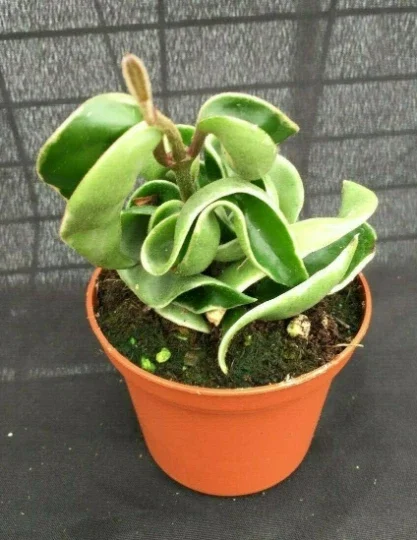
Sold 50 products
$49.88RELATED posts
Awapuhi Wild Ginger Plant: Zones, Care, and Propagation
Learn which USDA zones suit awapuhi wild ginger, plus sunlight, water, planting, propagation, pests, size, [...]
Awapuhi Shampoo Ginger – Care, Growing Zones, and Differences
Learn how to grow awapuhi (shampoo) ginger, its USDA zones, watering schedule, propagation tips, and [...]
Awapuhi Shampoo Plant Buying Guide – Choose the Right Zingiber zerumbet
META: Learn which awapuhi (shampoo ginger) plant or rhizome pack gives the best natural shampoo, [...]
Awapuhi Plant for Sale: Complete Buying Guide
Find the right awapuhi (shampoo ginger) plant, size, price, soil mix, and online source. Practical [...]
Shampoo Ginger Plant for Sale – Buying Guide & Tips
Find the right shampoo ginger plant, size, price, and care tips. Quick guide for U.S. [...]
Shampoo Ginger Plant (Awapuhi) Care Guide
Learn how to grow, care for, and use shampoo ginger (Zingiber zerumbet), the tropical awapuhi [...]
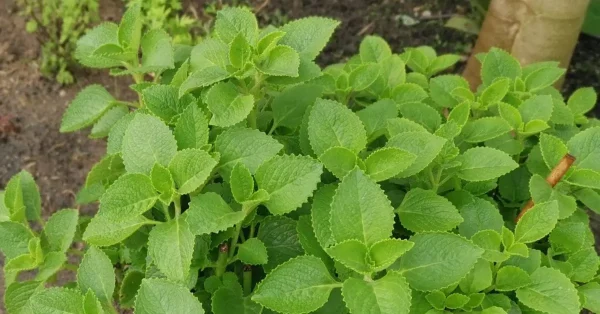
How to Grow Cuban Oregano Plants: A Complete Care Guide
If you’ve ever wanted a plant that combines the culinary punch of traditional oregano with [...]
Aug
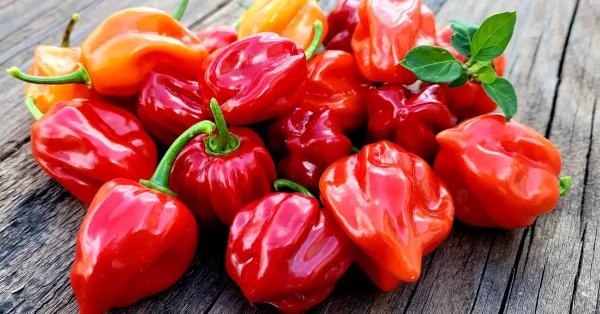
How to Grow Habanero Pepper Plants: A Step-by-Step Guide
Habanero pepper plants are prized for their vibrant colors, intense heat, and exceptional flavor, making [...]
Aug
Reviews
There are no reviews yet.