
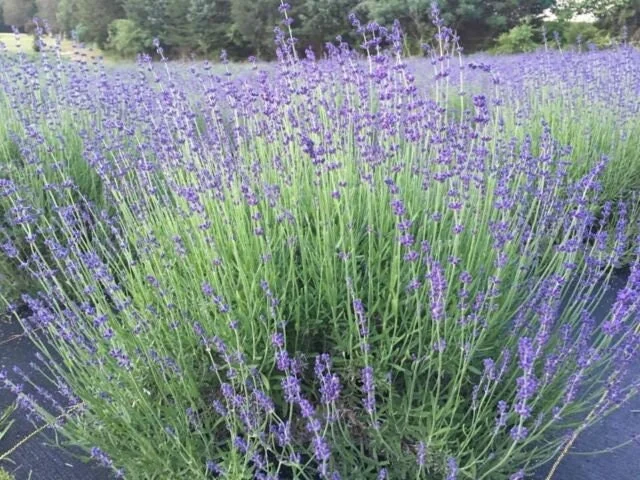
2 English Lavender Live Plants – Lavandula Angustifolia Starter Plugs, Fragrant
$23.38
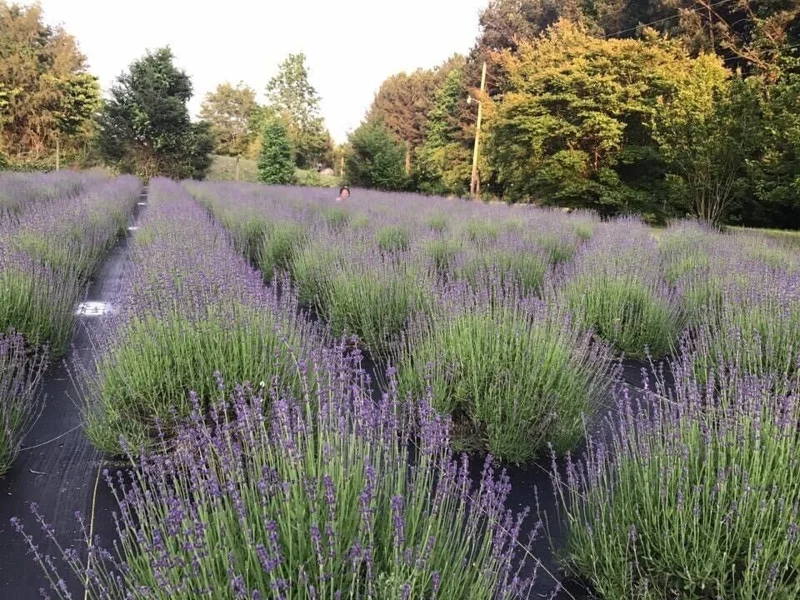
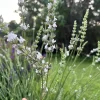
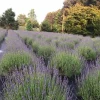
Introduce the timeless beauty and intoxicating scent of English lavender live plant to your garden. These Lavandula Angustifolia starter plugs are well-rooted and ready for transplanting, offering intensely fragrant flowers and foliage perfect for culinary, craft, and aromatherapy applications. Enjoy a low-maintenance, drought-tolerant perennial that attracts pollinators and naturally deters deer and rabbits.
Shipping and Return policies:
We stand behind our plants with our Alive & Thrive Guarantee. If you experience any issues within the first 30 days, please email us, and our team will be happy to help. When needed, we’ll send you a one-time replacement free of charge to make sure your garden keeps growing strong.

Reasonable Price
We offer reasonable price

Support 24/7
Contact us 24 hrs a day
100% Money Back
You’ve 30 days to Return
Payment Secure
100% secure payment
Overview
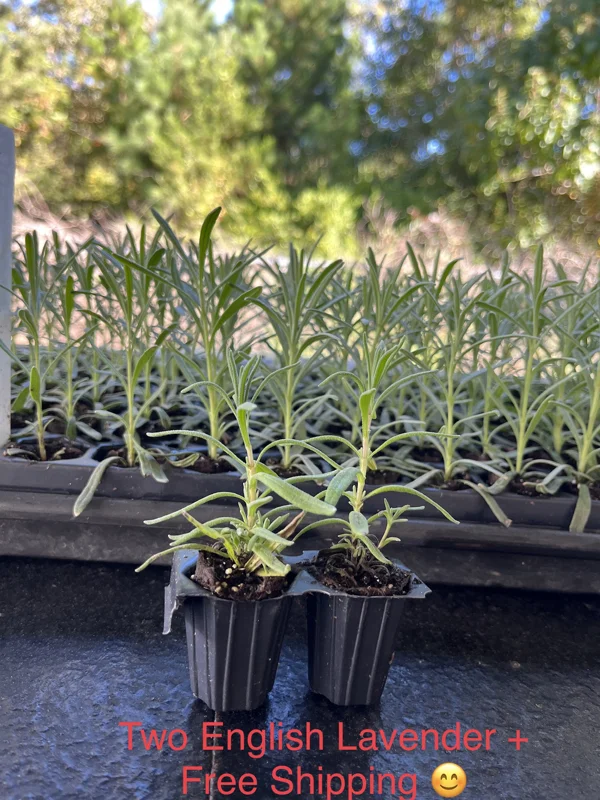
Transform your outdoor space with the delightful aroma and charming purple blooms of the English lavender live plant. This offering includes 2 healthy, well-rooted starter plugs of Lavandula Angustifolia starter, commonly known as English Lavender or true lavender. Each plug is a young seedling, ready for you to nurture into a thriving, fragrant bush. Prized for its intensely fragrant purple flowers and silvery-green foliage, this perennial herb has been a beloved staple in English gardens for centuries. Its ability to thrive in cooler climates, combined with its attractive soft gray-green foliage and delicate purple flowers, makes it a versatile and beautiful addition to any garden landscape, complementing a wide array of other plants. These starter plugs are an excellent way to begin your own lavender patch for fresh clippings, culinary delights, or aromatic crafts.
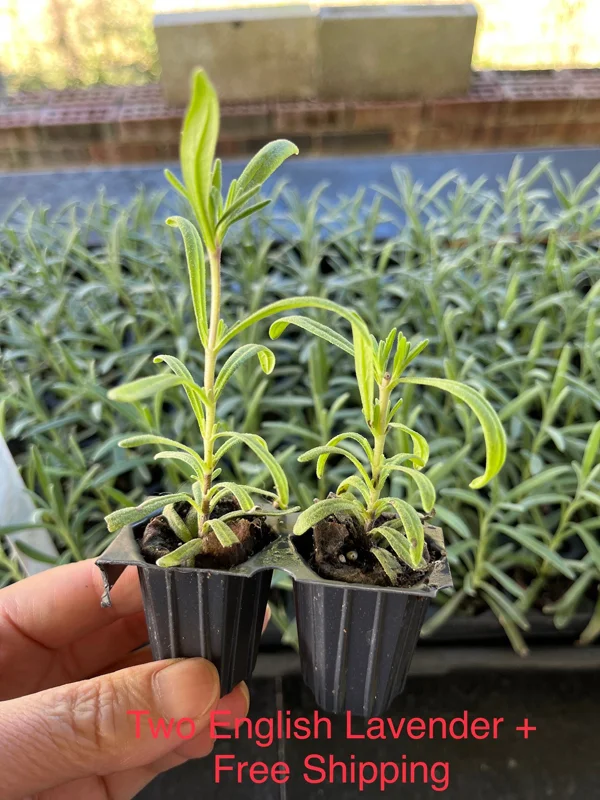
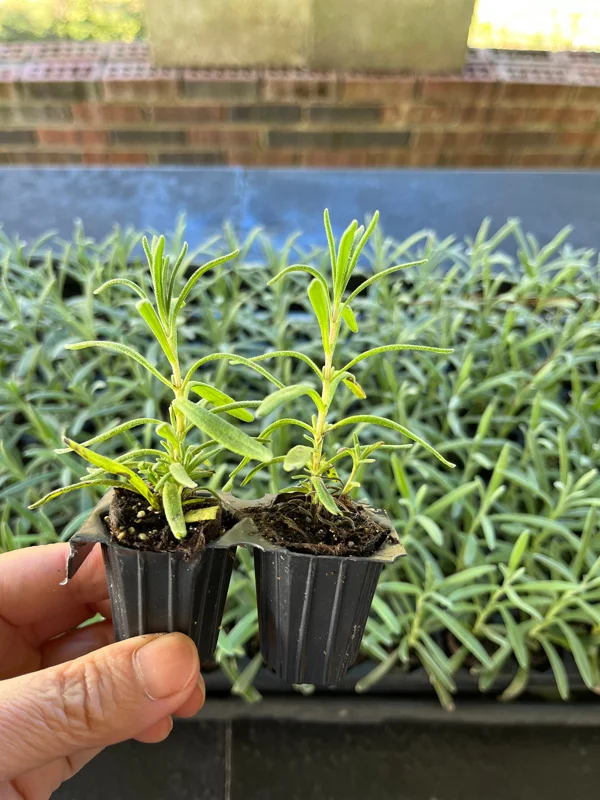
Our English lavender live plant plugs are carefully cultivated to ensure a strong root system, providing the best foundation for successful growth. While they arrive as small seedlings in 1″ x 1″ x 1 1/4” containers, they are robust and eager to establish themselves in their new home. You’ll receive two individual plants, perfect for creating a fragrant border, a charming herb garden, or for potting in decorative containers. With proper care, these young plants will mature into beautiful, bloom-producing specimens that will fill your garden with their iconic scent and visual appeal.
Key Benefits
Adding an English lavender live plant to your garden offers a multitude of benefits, from enhancing sensory experiences to providing practical uses. These resilient plants are a fantastic choice for both novice and experienced gardeners.
- Intensely Fragrant Flowers and Foliage: Enjoy the classic, soothing aroma that only true lavender can provide. The rich scent is prized for relaxation and can elevate any garden space, making it a perfect choice for a fragrant lavender plant.
- Versatile Culinary and Craft Uses: The flowers and leaves of Lavandula Angustifolia are ideal for culinary creations, from infusing sugar and baking to making herbal teas. They are also excellent for sachets, potpourri, and essential oil extraction, making it a truly versatile culinary lavender plant.
- Drought and Cold Tolerant: Once established, these plants are remarkably resilient, capable of withstanding periods of drought and cool temperatures, making them a low-maintenance option for various climates.
- Attracts Beneficial Pollinators: The vibrant purple blooms are a magnet for bees and butterflies, contributing to the biodiversity and health of your garden ecosystem.
- Natural Pest Deterrent: Lavender is naturally resistant to deer and rabbits, offering a beautiful and effective way to protect other plants in your garden without the need for harsh chemicals. It’s an excellent choice if you’re looking for a deer resistant lavender solution.
- Beautiful Silvery-Green Foliage: Even when not in bloom, the soft, grayish-green leaves provide year-round visual interest and a lovely contrast to other plants.
- Compact and Manageable Growth: English Lavender typically maintains a tidy, mounding habit, making it suitable for borders, containers, or mass plantings.
Plant Care & Growing Tips
Caring for your English lavender live plant plugs is straightforward, and with a few key practices, you’ll soon have a flourishing lavender patch. These plants thrive in conditions that mimic their Mediterranean origins. The most crucial factor for success is ensuring they receive ample sunlight. Plant your lavender in a location that receives full sun, meaning at least 6-8 hours of direct sunlight per day. Good air circulation is also vital to prevent fungal issues, so avoid overly crowded planting spots.
Well-drained soil is paramount for the health of your Lavandula Angustifolia starter. Lavender dislikes wet feet, so sandy or gravelly soil is ideal. If your soil is heavy clay, amend it generously with sand, perlite, or compost to improve drainage. After transplanting the plugs into a 3-5 inch pot or directly into a prepared garden bed, water thoroughly. Once established, lavender is quite drought-tolerant, so allow the soil to dry out completely between waterings. Overwatering is a common cause of lavender decline. You will want to establish your plants in a larger pot before planting outdoors in a landscape application. We recommend pinching your lavender plants 5-10 days after transplanting to encourage bushier growth and a more robust plant structure.
For ongoing care, a light pruning after the main bloom period will encourage compact growth and potentially a second flush of flowers. Avoid cutting into the woody stems too severely, as this can harm the plant. English Lavender is typically hardy in USDA zones 5-9, tolerating a range of temperatures. Fertilization is generally not necessary in good garden soil, as lavender prefers leaner conditions. If your soil is particularly poor, a light application of a balanced, slow-release fertilizer in spring can be beneficial. Watch for common pests like aphids, though lavender’s strong scent often deters them. With these simple tips, your fragrant lavender plant will thrive and provide years of beauty and aroma.
Size & Details
This offering provides two English lavender live plant starter plugs, each cultivated to ensure a strong and healthy root system. Each seedling arrives in a small plug-size container measuring approximately 1 inch by 1 inch by 1 1/4 inches. The size of the individual plants may vary slightly, as they are naturally grown organisms, but all will be well-rooted and ready for the next stage of growth. These are young seedlings, not mature or blooming plants, allowing you to establish them in your garden from an early stage.
Upon arrival, these Lavandula Angustifolia starter plugs are perfect for transplanting into larger pots (3-5 inches) for further development before being placed into a permanent garden spot. When mature, an English lavender live plant typically grows to a height and width of 1-3 feet, forming a compact, rounded bush. They have a moderate growth rate, and with proper care, you can expect them to begin flowering in their first or second year, depending on planting time and growing conditions. The mature plant will showcase its characteristic silvery-green foliage and abundant spikes of purple blooms, offering a consistent source of the highly sought-after culinary lavender plant flowers.
Frequently Asked Questions
- Q: What size will the English lavender live plant plugs be upon arrival? A: Each English lavender live plant plug will arrive as a small seedling in a 1″ x 1″ x 1 1/4” container. While plant sizes can naturally vary slightly, they will all be well-rooted and ready for transplanting into a larger pot or your garden.
- Q: Is this an indoor or outdoor plant? A: While you can start these Lavandula Angustifolia starter plugs indoors, English Lavender is primarily an outdoor plant. It thrives in full sun and requires good air circulation, making it best suited for garden beds, borders, or outdoor containers.
- Q: How much sunlight does this fragrant lavender plant need? A: This plant requires full sun, meaning at least 6-8 hours of direct sunlight per day, to produce the most abundant blooms and strongest fragrance.
- Q: Is this plant easy to care for, especially for beginners? A: Yes, English Lavender is considered relatively easy to care for, especially once established. Its drought tolerance and low nutrient requirements make it a good choice for beginners, provided it receives adequate sunlight and well-drained soil.
- Q: What condition will the plants arrive in? A: We take great care to pack and ship the healthiest plants possible. You will receive live, well-rooted seedlings. Minor leaf yellowing or damage can sometimes occur during transit due to lack of light, but the plants typically recover quickly once planted and cared for properly.
- Q: Can I use this culinary lavender plant for cooking? A: Absolutely! Lavandula Angustifolia, or English Lavender, is widely regarded as the best lavender species for culinary use due to its sweeter, less camphorous flavor. It’s perfect for baking, infusing, and making teas.
- Q: How long until this deer resistant lavender blooms? A: With proper care, your English lavender live plant plugs can start producing blooms in their first or second year. The main flowering season is typically late spring to early summer, with potential for a second flush if pruned after the initial bloom.
- Q: What USDA hardiness zones is English Lavender suitable for? A: English Lavender is hardy in USDA zones 5 through 9, making it suitable for a wide range of climates across the United States.
- Q: What kind of soil does this plant prefer? A: This plant prefers well-drained, slightly alkaline soil. Sandy or gravelly loam is ideal. Avoid heavy clay soils that retain too much moisture, as this can lead to root rot.
- Q: When is the best time to plant these Lavandula Angustifolia starter plugs outdoors? A: The best time to plant lavender outdoors is in the spring after the last frost, allowing the plants ample time to establish themselves before the heat of summer or the cold of winter.
Be the first to review “2 English Lavender Live Plants – Lavandula Angustifolia Starter Plugs, Fragrant”
You must be logged in to post a review.
People also Viewed
Sold 50 products
$32.38
Sold 50 products
$27.38
Sold 50 products
$32.38
Sold 50 products
$19.88
Sold 50 products
$62.38
Sold 50 products
$24.88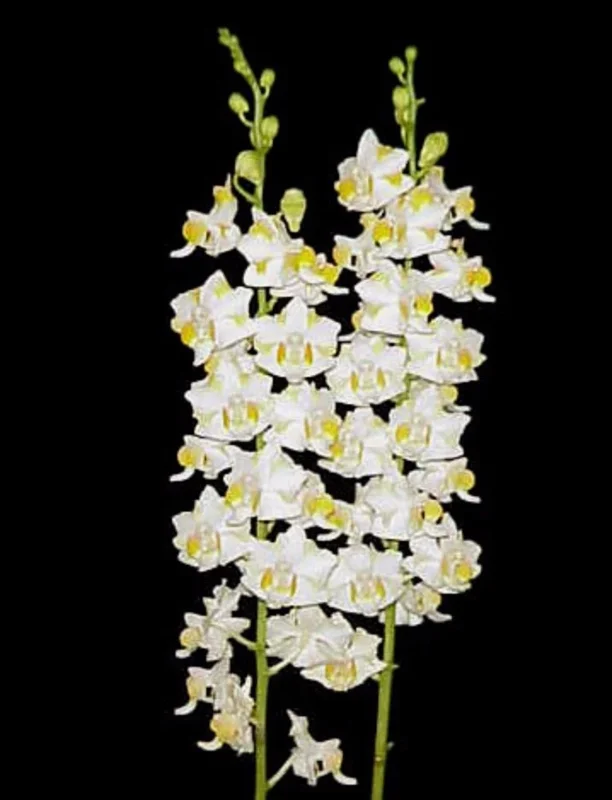
Houseplants
Phalaenopsis pulcherrima ‘Mauna Kea Snow’ Orchid Live Plant – White Flowers, Potted 2.5 in
Sold 50 products
$49.88
Sold 50 products
$49.88RELATED posts
Awapuhi Wild Ginger Plant: Zones, Care, and Propagation
Learn which USDA zones suit awapuhi wild ginger, plus sunlight, water, planting, propagation, pests, size, [...]
Awapuhi Shampoo Ginger – Care, Growing Zones, and Differences
Learn how to grow awapuhi (shampoo) ginger, its USDA zones, watering schedule, propagation tips, and [...]
Awapuhi Shampoo Plant Buying Guide – Choose the Right Zingiber zerumbet
META: Learn which awapuhi (shampoo ginger) plant or rhizome pack gives the best natural shampoo, [...]
Awapuhi Plant for Sale: Complete Buying Guide
Find the right awapuhi (shampoo ginger) plant, size, price, soil mix, and online source. Practical [...]
Shampoo Ginger Plant for Sale – Buying Guide & Tips
Find the right shampoo ginger plant, size, price, and care tips. Quick guide for U.S. [...]
Shampoo Ginger Plant (Awapuhi) Care Guide
Learn how to grow, care for, and use shampoo ginger (Zingiber zerumbet), the tropical awapuhi [...]
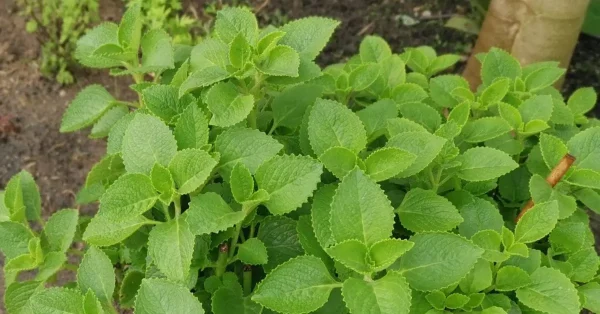
How to Grow Cuban Oregano Plants: A Complete Care Guide
If you’ve ever wanted a plant that combines the culinary punch of traditional oregano with [...]
Aug
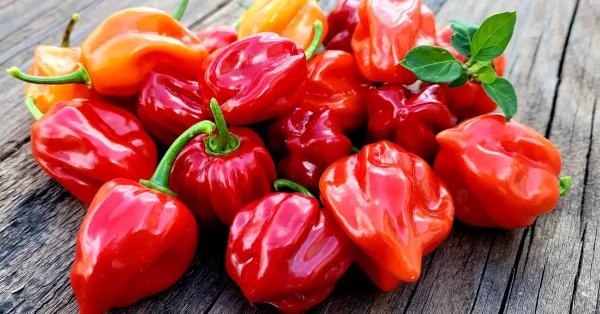
How to Grow Habanero Pepper Plants: A Step-by-Step Guide
Habanero pepper plants are prized for their vibrant colors, intense heat, and exceptional flavor, making [...]
Aug
Reviews
There are no reviews yet.