
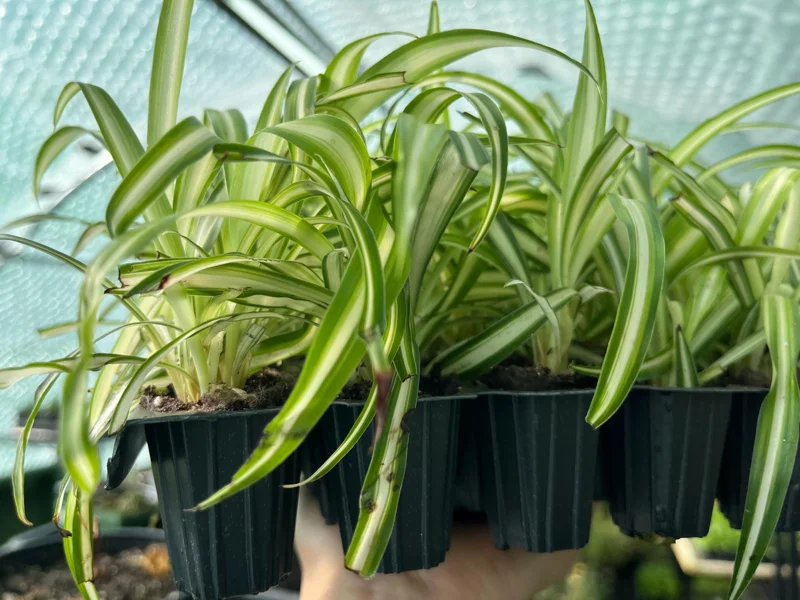
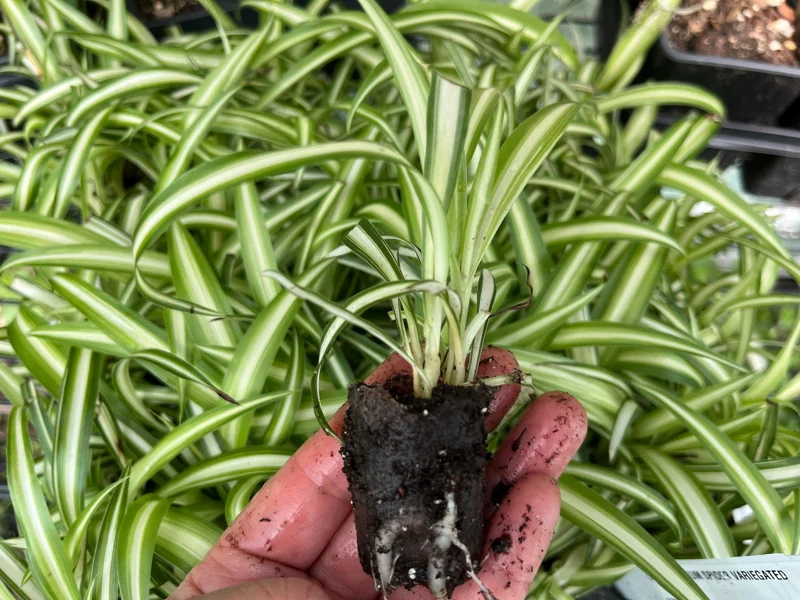
Variegated Spider Plant (Chlorophytum) Live Houseplant – Easy Care Indoor Plant
$12.58
Bring home a beautiful variegated spider plant, an ideal choice for both novice and experienced gardeners. This chlorophytum comosum is an easy care houseplant known for its attractive foliage and air-purifying qualities, making it a perfect addition to any indoor space.
Shipping and Return policies:
We stand behind our plants with our Alive & Thrive Guarantee. If you experience any issues within the first 30 days, please email us, and our team will be happy to help. When needed, we’ll send you a one-time replacement free of charge to make sure your garden keeps growing strong.

Reasonable Price
We offer reasonable price

Support 24/7
Contact us 24 hrs a day
100% Money Back
You’ve 30 days to Return
Payment Secure
100% secure payment
Overview
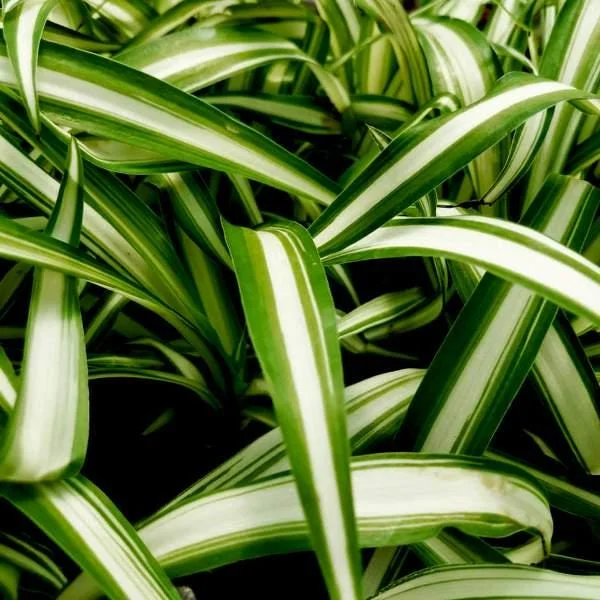
The variegated spider plant (Chlorophytum comosum) is a beloved and classic houseplant, celebrated for its striking foliage and remarkable resilience. Native to South Africa, this live plant is an exceptional choice for anyone looking to add a touch of natural beauty to their indoor environment. Its long, arching leaves feature a distinctive green and white variegation, creating a dynamic and visually appealing display. Often recognized for its cascading ‘spiderettes’ or ‘pups’ that dangle from mature plants, the variegated spider plant is not only ornamental but also one of the most effective natural air filters for your home. This makes it a fantastic option for improving indoor air quality while requiring minimal fuss, solidifying its reputation as an easy care houseplant.
Whether you are a seasoned plant enthusiast or just beginning your gardening journey, the chlorophytum comosum offers a rewarding experience. Its adaptability to various indoor conditions and forgiving nature make it hard to kill, providing confidence for those who may lack a ‘green thumb’. This plant thrives in pots, making it versatile for placement on shelves, desks, or in hanging baskets where its beautiful foliage can truly shine. Embrace the charm and benefits of this vibrant green companion.
Key Benefits
The variegated spider plant offers numerous advantages, making it a popular choice for indoor gardening. Its ease of care combined with its aesthetic appeal and health benefits contribute to its widespread popularity. Here are some of the key benefits of owning a chlorophytum comosum:
- Air Purification: Renowned for its ability to filter indoor air, the variegated spider plant effectively removes toxins such as formaldehyde and xylene, contributing to a healthier living environment.
- Easy Care Houseplant: This plant is incredibly forgiving and low-maintenance, perfectly suited for beginners or those with busy schedules. It tolerates occasional neglect and is resilient to a range of common plant issues.
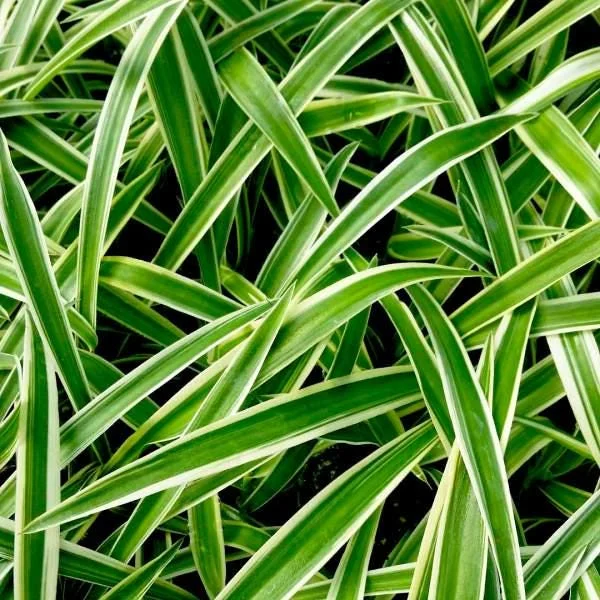
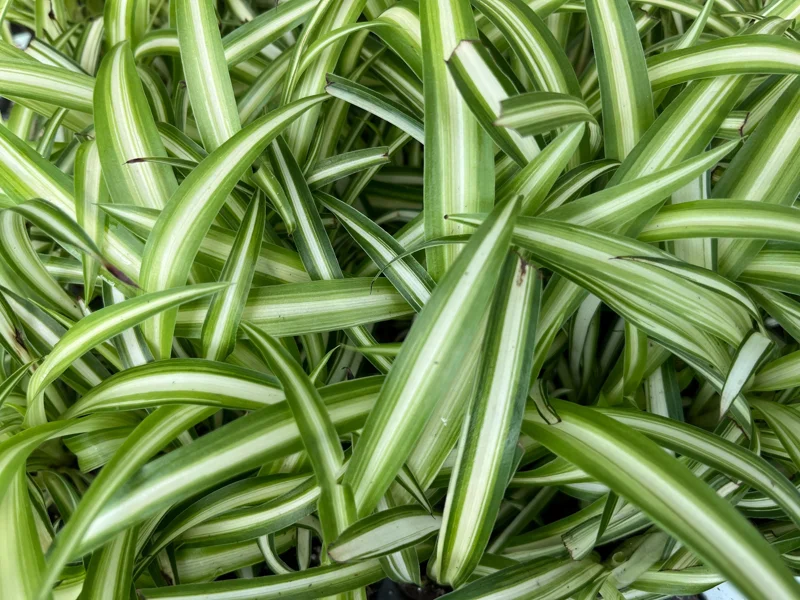
- Attractive Foliage: The distinctive green leaves with creamy white stripes provide a beautiful contrast, adding a fresh and vibrant touch to any room’s decor. Its arching form is graceful and elegant.
- Propagates Easily: Mature plants produce ‘spiderettes’ or ‘pups’ that can be easily rooted in water or soil, allowing you to propagate new plants and share them with friends and family.
- Pet-Friendly: Unlike many other houseplants, the spider plant care is simple partly because it is generally non-toxic to cats and dogs, offering peace of mind for pet owners.
- Versatile Placement: Its adaptable nature allows it to thrive in various indoor settings, from bright indirect light to slightly lower light conditions. It looks stunning in hanging baskets, on shelves, or as a desk plant.
- Boosts Mood & Well-being: Studies suggest that having plants indoors can reduce stress, improve concentration, and enhance overall mood, contributing to a more pleasant home atmosphere.
Plant Care & Growing Tips
Caring for your variegated spider plant is straightforward, making it an excellent choice for gardeners of all skill levels. This plant is known for its resilience and can tolerate a variety of conditions, but optimal care will ensure its most vibrant growth and health.
Sunlight Requirements: The chlorophytum comosum thrives in bright, indirect light. Direct, harsh sunlight can scorch its delicate leaves, causing brown tips. An east or north-facing window is ideal, or a few feet away from a south or west-facing window. While it can tolerate lower light conditions, variegation may become less pronounced, and growth might slow. Ensuring proper light is a key aspect of good spider plant care.
Watering Schedule and Soil Moisture: Water thoroughly when the top inch or two of the soil feels dry to the touch. It’s better to slightly underwater than overwater, as spider plants are susceptible to root rot in consistently soggy soil. Allow the soil to dry out between waterings. During winter months, reduce watering frequency. The plant can tolerate drying out between waterings, making it a forgiving easy care houseplant.
Soil Type and Drainage: Use a well-draining potting mix. A standard houseplant mix amended with perlite or vermiculite for extra drainage is suitable. Ensure the pot has drainage holes to prevent water from pooling at the bottom. Good drainage is crucial for preventing botrytis, especially in humid conditions.
Temperature Range and USDA Hardiness Zone: Spider plants prefer average room temperatures between 60-80°F (15-27°C). They can tolerate cooler temperatures down to 50°F (10°C) but should be protected from drafts and sudden temperature drops. As an indoor plant, USDA hardiness zones are less relevant, but if grown outdoors in warmer climates, they typically thrive in USDA Zones 9-11.
Fertilization Schedule and Type: Feed your variegated spider plant every 2-4 weeks during the growing season (spring and summer) with a balanced liquid houseplant fertilizer diluted to half strength. Reduce or stop fertilization during fall and winter when the plant’s growth naturally slows. Over-fertilization can lead to salt buildup and brown leaf tips.
Common Problems and Solutions: Brown leaf tips are a common issue, often caused by fluoride in tap water, low humidity, or over-fertilization. Using filtered water or rainwater can help. Ensure good airflow and proper spacing to prevent fungal issues like botrytis, which can occur in wet, humid conditions during shorter days. Pest infestations are rare but can include spider mites or mealybugs; treat with insecticidal soap if spotted.
Size & Details
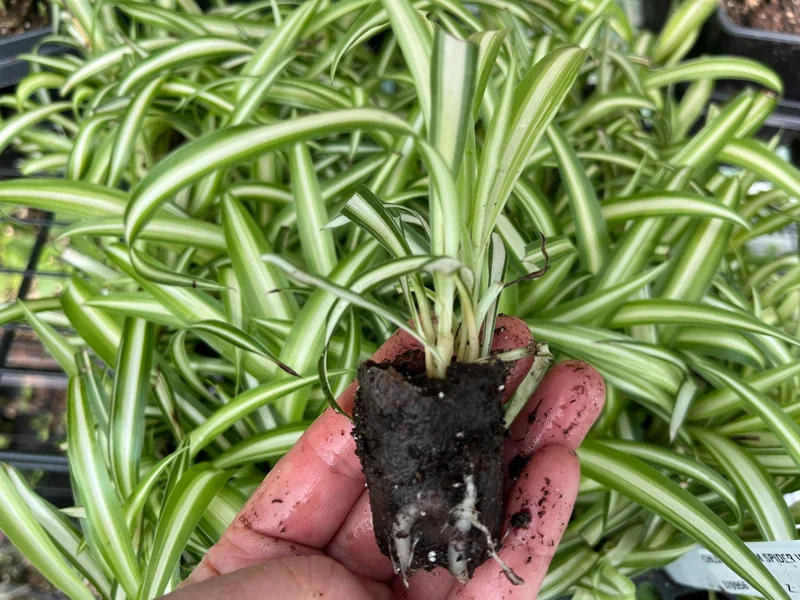
Each variegated spider plant is provided as a live plug-size plant, measuring approximately 1.23 inches by 1.89 inches in its nursery pot. This compact size makes it perfect for transplanting into your preferred decorative container upon arrival. While initially small, these plants are vigorous growers. Their attractive leaves can reach up to 2 feet in length as they mature, creating a lovely arching effect. With proper spider plant care, you can expect your plant to produce ‘pups’ or plantlets that dangle from the mother plant, typically within a year, offering opportunities for propagation. This plant exhibits a moderate growth rate, quickly filling its pot with lush foliage. It ships as a healthy, rooted plug, ready to establish itself in its new home and begin its journey as a vibrant addition to your indoor plant collection.
Frequently Asked Questions
- Q: How big does this plant get? A: The leaves of a mature variegated spider plant can grow up to 2 feet long, creating a beautiful cascading effect. The overall spread of the plant will depend on the pot size and how many ‘pups’ it develops.
- Q: What size pot does it come in? A: This chlorophytum comosum arrives as a small plug-size plant in a nursery pot measuring approximately 1.23 inches by 1.89 inches, perfect for immediate transplanting.
- Q: Is this an indoor or outdoor plant? A: The variegated spider plant is primarily an indoor houseplant in most climates. It can be grown outdoors in warm, frost-free regions (USDA Zones 9-11) during spring and summer, but should be brought inside before temperatures drop below 50°F.
- Q: How much sunlight does it need? A: This easy care houseplant thrives in bright, indirect light. Avoid direct afternoon sun, which can scorch its leaves. An east or north-facing window is usually ideal.
- Q: Is this plant easy to care for? Is it good for beginners? A: Yes, the variegated spider plant is considered one of the easiest houseplants to care for, making it an excellent choice for beginners or those seeking low-maintenance greenery. Its resilience makes spider plant care very forgiving.
- Q: What condition will it arrive in? A: Your live plant will arrive as a healthy, rooted plug in its small nursery pot, carefully packaged to minimize stress during transit. Some minor cosmetic stress from shipping is normal for live plants.
- Q: Is the variegated spider plant pet-safe? A: Yes, chlorophytum comosum is generally considered non-toxic to cats and dogs, making it a safe choice for homes with pets.
- Q: How often should I water my variegated spider plant? A: Water when the top 1-2 inches of soil feel dry to the touch. Allow the soil to dry out between waterings to prevent root rot. This typically means watering once a week or every two weeks, depending on humidity and light.
- Q: Why are the tips of my spider plant turning brown? A: Brown tips on a variegated spider plant can be caused by low humidity, fluoride or chlorine in tap water, or excessive fertilizer salts. Using filtered water or increasing humidity can often help.
- Q: How do I propagate spider plant ‘pups’? A: Simply snip off the ‘pups’ (small plantlets) from the mother plant and place them in water or directly into moist potting mix. They will root readily within a few weeks, creating new air purifying plants.
| Variety | Spider Variegated |
|---|
Be the first to review “Variegated Spider Plant (Chlorophytum) Live Houseplant – Easy Care Indoor Plant”
You must be logged in to post a review.
People also Viewed
Sold 50 products
$32.38
Sold 50 products
$27.38
Sold 50 products
$32.38
Sold 50 products
$19.88
Sold 50 products
$62.38
Sold 50 products
$24.88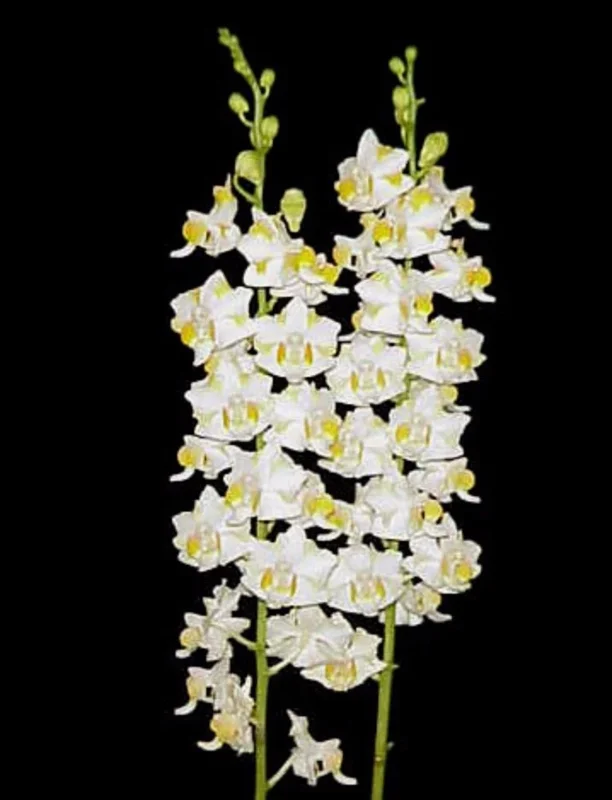
Houseplants
Phalaenopsis pulcherrima ‘Mauna Kea Snow’ Orchid Live Plant – White Flowers, Potted 2.5 in
Sold 50 products
$49.88
Sold 50 products
$49.88RELATED posts
Awapuhi Wild Ginger Plant: Zones, Care, and Propagation
Learn which USDA zones suit awapuhi wild ginger, plus sunlight, water, planting, propagation, pests, size, [...]
Awapuhi Shampoo Ginger – Care, Growing Zones, and Differences
Learn how to grow awapuhi (shampoo) ginger, its USDA zones, watering schedule, propagation tips, and [...]
Awapuhi Shampoo Plant Buying Guide – Choose the Right Zingiber zerumbet
META: Learn which awapuhi (shampoo ginger) plant or rhizome pack gives the best natural shampoo, [...]
Awapuhi Plant for Sale: Complete Buying Guide
Find the right awapuhi (shampoo ginger) plant, size, price, soil mix, and online source. Practical [...]
Shampoo Ginger Plant for Sale – Buying Guide & Tips
Find the right shampoo ginger plant, size, price, and care tips. Quick guide for U.S. [...]
Shampoo Ginger Plant (Awapuhi) Care Guide
Learn how to grow, care for, and use shampoo ginger (Zingiber zerumbet), the tropical awapuhi [...]
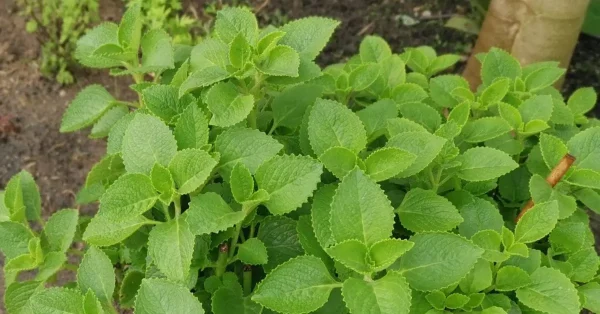
How to Grow Cuban Oregano Plants: A Complete Care Guide
If you’ve ever wanted a plant that combines the culinary punch of traditional oregano with [...]
Aug
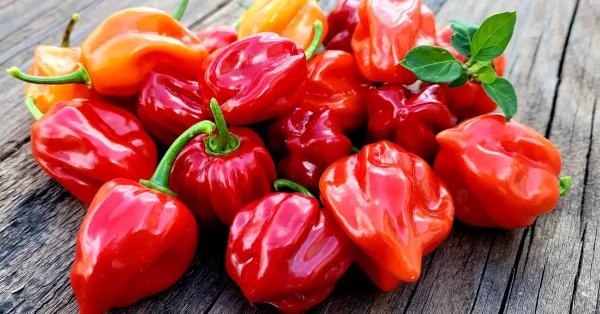
How to Grow Habanero Pepper Plants: A Step-by-Step Guide
Habanero pepper plants are prized for their vibrant colors, intense heat, and exceptional flavor, making [...]
Aug

Reviews
There are no reviews yet.