
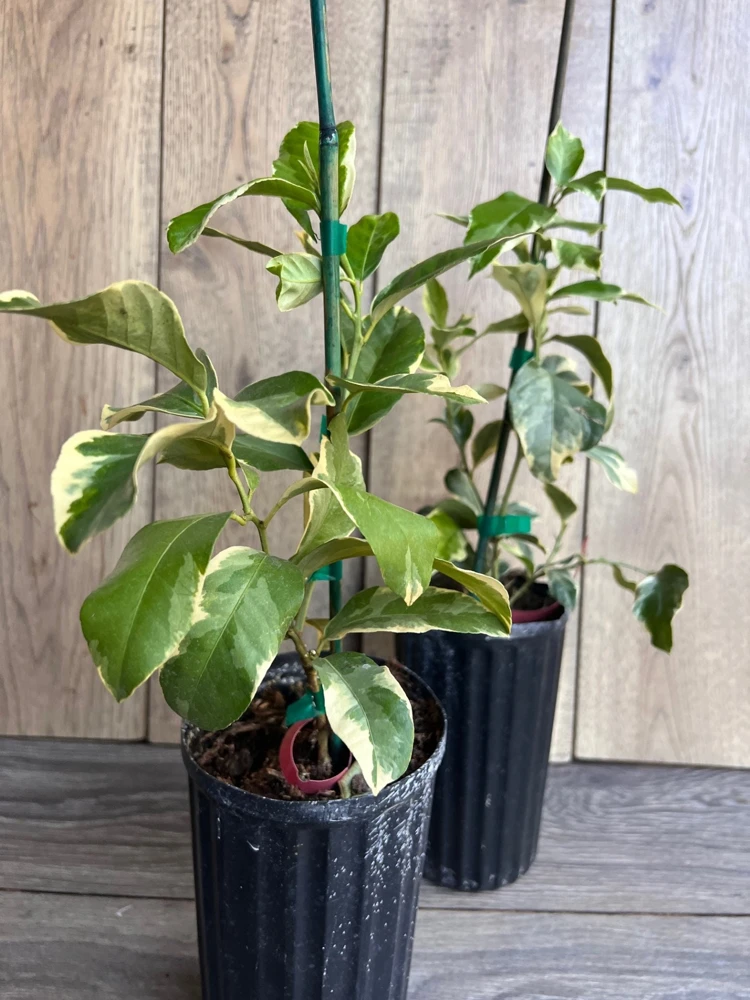
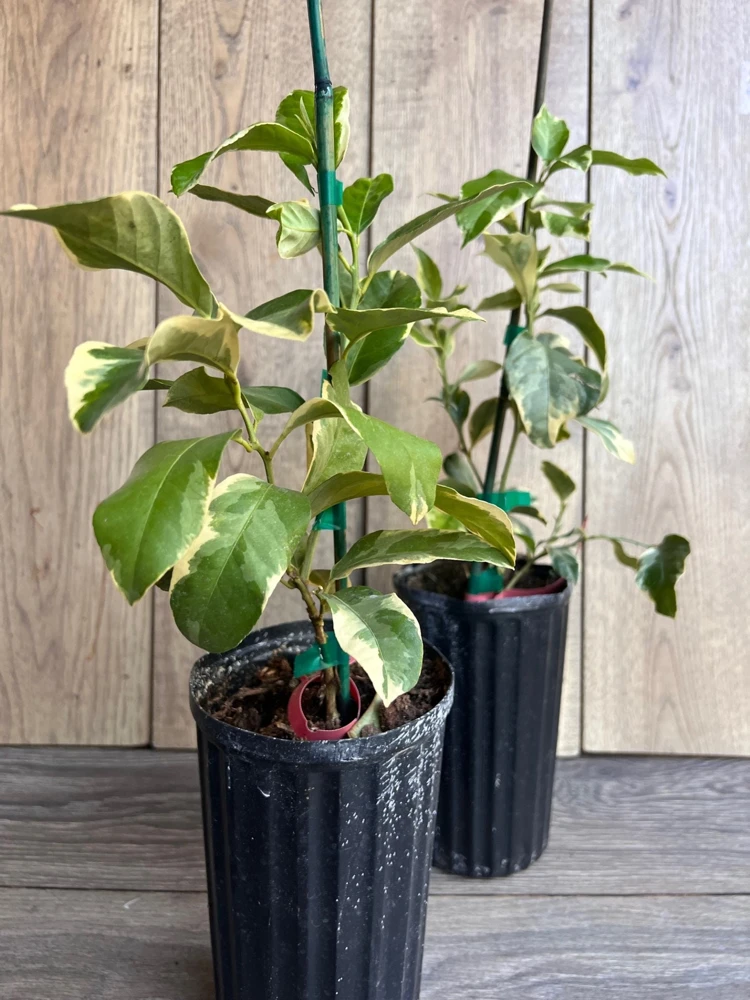
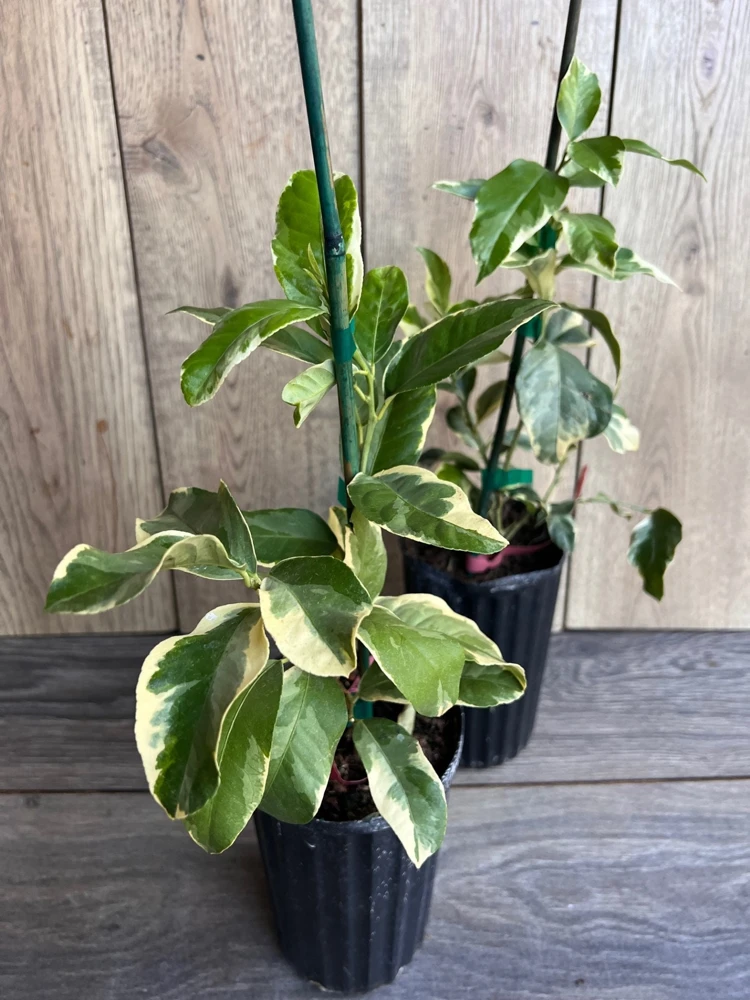
Variegated Pink Lemon Live Plant – 1/2 Gallon Pot – Indoor/Outdoor Citrus Tree – Cannot ship to CA
Original price was: $139.91.$87.95Current price is: $87.95.
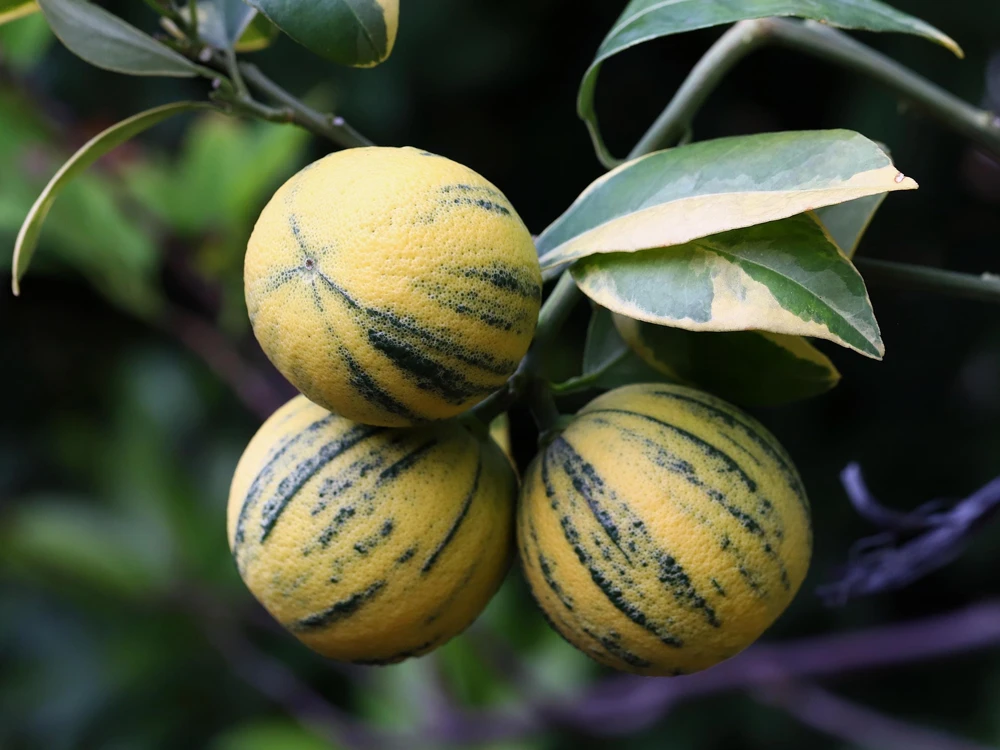
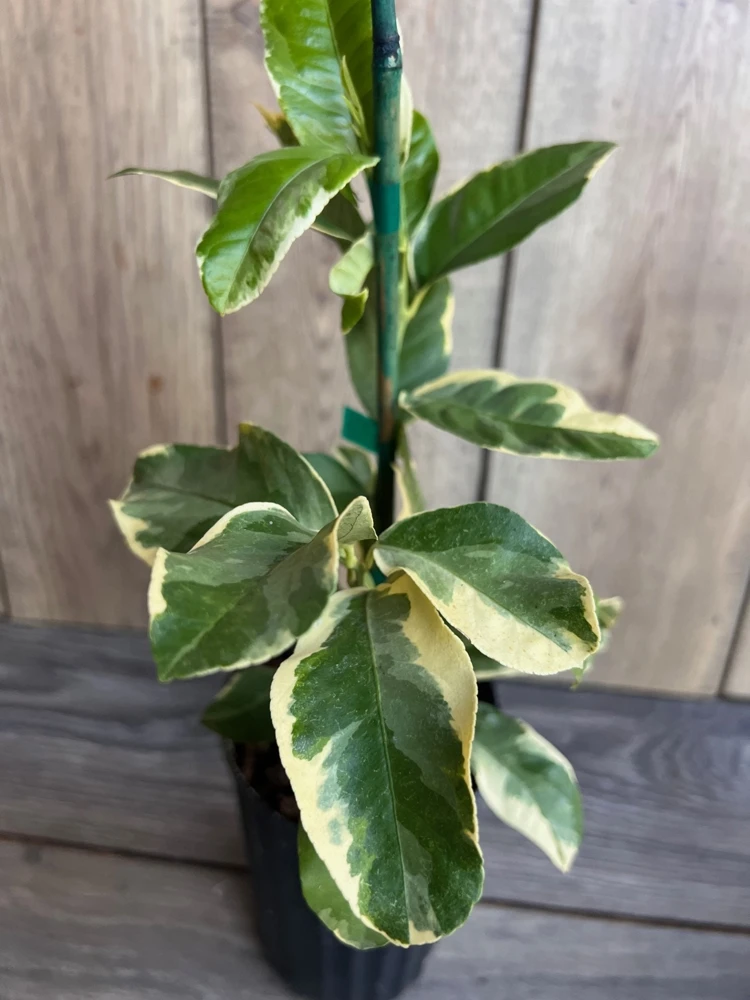
Cultivate a stunning variegated pink lemon live plant in a convenient 1/2 gallon pot. This unique citrus tree offers beautiful pink-tinged foliage and produces distinctive pink-fleshed lemons, perfect for gourmet dishes and vibrant drinks. Ideal for container growing indoors or outdoors in suitable climates.
Shipping and Return policies:
We stand behind our plants with our Alive & Thrive Guarantee. If you experience any issues within the first 30 days, please email us, and our team will be happy to help. When needed, we’ll send you a one-time replacement free of charge to make sure your garden keeps growing strong.

Reasonable Price
We offer reasonable price

Support 24/7
Contact us 24 hrs a day
100% Money Back
You’ve 30 days to Return
Payment Secure
100% secure payment
Overview
Discover the extraordinary beauty and delicious fruit of the variegated pink lemon live plant. This unique citrus variety, often known as the variegated pink Eureka lemon tree, is celebrated for its striking pink-tinged foliage and its remarkably pink-fleshed lemons. Originating from Burbank, California, this cultivar is a special addition to any garden or indoor plant collection. Whether you’re an experienced gardener or just starting, growing a variegated pink lemon live plant offers both ornamental appeal and a bountiful harvest of truly unique fruit.
This live plant comes in a 1/2 gallon pot, ready to thrive in its new home. Its distinctive appearance makes it a conversation starter, and the fruit itself provides a gourmet touch to your culinary creations. From vibrant lemonade to elegant cocktail garnishes, the possibilities with these pink lemons are endless. Embrace the joy of nurturing your own variegated pink lemon live plant and enjoy its year-round beauty and delicious produce.
Key Benefits
The variegated pink lemon live plant offers a multitude of benefits, making it a highly desirable addition for both its aesthetic appeal and its practical uses. Its unique characteristics set it apart from traditional lemon varieties.
- Stunning Ornamental Value: The foliage of this plant features beautiful green leaves with creamy white variegation, often displaying hints of pink. This striking appearance adds year-round visual interest to patios, gardens, or indoor spaces, making it a natural focal point.
- Unique Pink-Fleshed Fruit: Produce lemons with a vibrant pink interior, offering a delightful surprise compared to conventional yellow lemons. These unique fruits are perfect for culinary exploration and presentation.
- Culinary Versatility: The juice and zest of eureka pink lemon are excellent for making gourmet lemonades, desserts, cocktails, and savory dishes. The distinctive color adds an elegant touch to any recipe or drink.
- Container Growing Friendly: This citrus tree thrives when grown in containers, making it suitable for patios, balconies, and indoor environments. This allows for easy relocation to protect it from harsh weather.
- Air Purifying Qualities: Like many houseplants, citrus trees can contribute to improved indoor air quality by filtering out certain toxins, creating a fresher living environment.
- Fragrant Blooms: Enjoy the sweet, intoxicating scent of citrus blossoms, which can fill your home or garden with a delightful aroma, especially during flowering periods.
- Rewarding Growing Experience: Nurturing your own variegated pink lemon live plant from a young tree to a fruit-bearing specimen is incredibly satisfying, connecting you with nature and providing fresh, homegrown produce.
Plant Care & Growing Tips
Caring for your variegated pink lemon live plant is straightforward with the right knowledge. This tropical plant thrives with ample sunlight and proper watering. It can be planted in containers or directly in the ground if you reside in USDA zones 8-10. For container planting, always use a well-draining soil mix, such as a cactus mix or a specialized citrus potting soil. These plants do not tolerate ‘wet feet,’ which can lead to root rot. Ensure your pot has adequate drainage holes.
Sunlight is paramount for the health and fruit production of your pink lemon tree care. Maximize sunlight exposure, aiming for at least six hours of direct sunlight daily. If growing indoors, place the plant near a south-facing window where it can receive the most light, and consider supplementing with a grow light, especially during winter months or in less sunny climates. While it loves sun, if temperatures consistently exceed 90°F, particularly for younger trees, some wilting may occur. In such cases, provide partial shade during the hottest part of the day to prevent stress. Regular fertilization is also crucial. Like humans, plants need both macro and micronutrients. Look for a fertilizer high in nitrogen (the first number in the N-P-K ratio) to support lush foliage and fruit development. Follow the product instructions for frequency and dosage.
Watering should be consistent but allow the top inch or two of soil to dry out between waterings. Overwatering is a common mistake that can harm citrus trees. Monitor the soil moisture regularly, especially during hot, dry periods or if the plant is in a container, as containers tend to dry out faster. Pruning can help maintain the shape of your variegated citrus plant and encourage better fruit production. Remove any dead or crossing branches, and prune to improve air circulation within the canopy. Protecting your plant from pests and diseases with regular inspections and appropriate treatments will also ensure its long-term health and vitality.
Size & Details
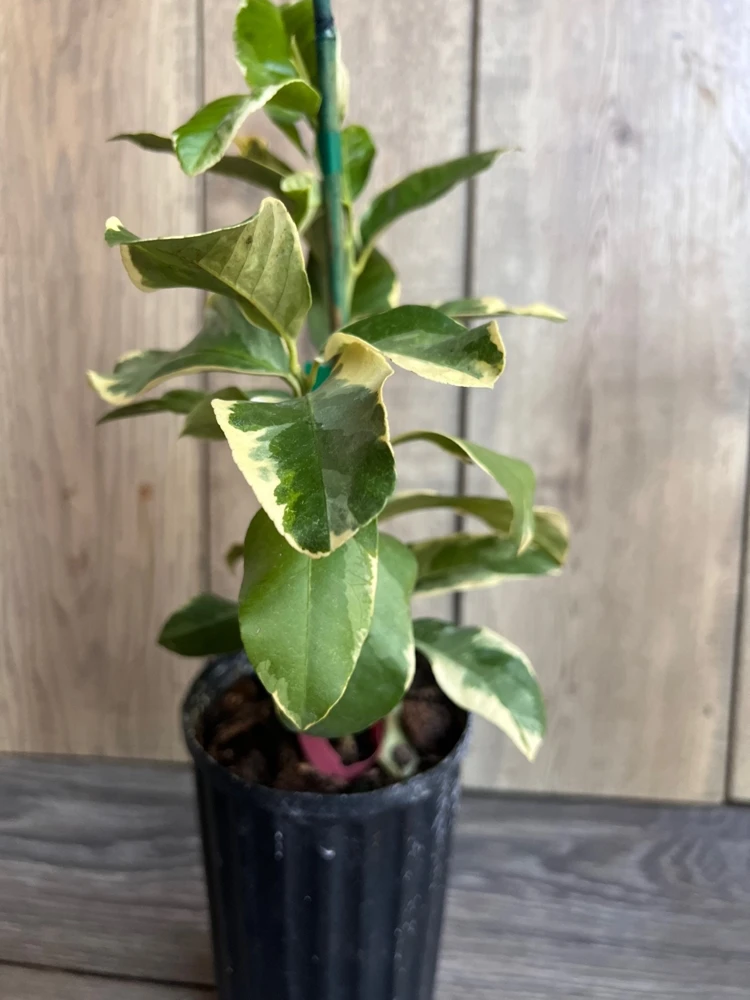
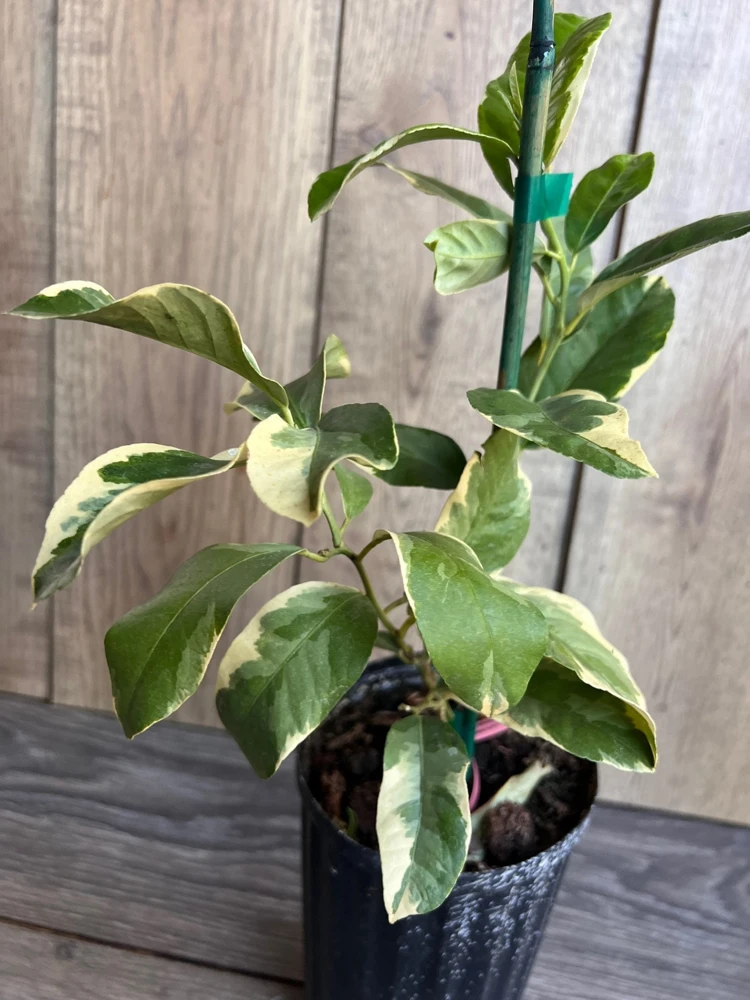
This variegated pink lemon live plant is provided in a 1/2 gallon nursery pot, offering a well-established root system and a sturdy start for your growing journey. At the time of shipment, the plant typically stands between 8 to 14 inches tall, ready to be transplanted into a larger container or directly into your garden if your climate permits. The growth rate of this indoor lemon tree is moderate, allowing it to reach a mature height of 8-15 feet when planted in the ground, or a more manageable 5-8 feet in a container, depending on pruning and pot size. Expect to see initial fruit production within 2-3 years under optimal growing conditions, with blooms appearing predominantly in spring, followed by fruit development that can take several months to ripen.
The unique variegated foliage provides continuous visual appeal even before fruiting. These plants are air-layered, a propagation method that encourages strong root development and faster maturity compared to seed-grown plants. When mature, the fruit itself is typically medium-sized, similar to a standard Eureka lemon. Ensure adequate space for growth, especially if you plan to keep it as an indoor specimen, where it will benefit from a sunny location and regular rotation to ensure even light exposure.
Frequently Asked Questions
- Q: How big does this plant get? A: A variegated pink lemon live plant can reach 8-15 feet tall in the ground. When grown in a container, its size is more manageable, typically 5-8 feet, depending on pruning and pot size, making it suitable as an indoor lemon tree.
- Q: What size pot does it come in? A: This plant is shipped in a 1/2 gallon nursery pot, which is a great size for initial growth and allows for easy transplanting upon arrival.
- Q: Is this an indoor or outdoor plant? A: It can be both. The variegated pink lemon live plant thrives outdoors in USDA zones 8-10. In colder climates, it’s best grown in a container and brought indoors during winter months.
- Q: How much sunlight does it need? A: This citrus tree requires at least six hours of direct sunlight per day. If growing indoors, place it in the brightest available window or supplement with a grow light to ensure sufficient light.
- Q: Is this plant easy to care for? A: With proper attention to sunlight, watering, and fertilization, the pink lemon tree care is considered moderate. It’s rewarding for those willing to meet its basic needs.
- Q: What condition will it arrive in? A: Your variegated pink lemon live plant will arrive in a 1/2 gallon pot, with a healthy root system, ready for planting or continued growth. We take care to package plants securely for travel.
- Q: Can I use the lemons in cooking? A: Absolutely! The pink-fleshed lemons are perfect for all culinary uses, from making pink lemonade and desserts to adding a unique touch to savory dishes and cocktails.
- Q: How long until it blooms and fruits? A: Under optimal conditions, you can expect your variegated pink lemon live plant to start blooming and producing fruit within 2-3 years after planting.
- Q: What is the best soil for this plant? A: Well-draining soil is crucial. A good quality cactus mix or a specialized citrus potting mix is recommended, especially for container-grown plants, to prevent root rot.
- Q: Will it survive winter in my zone? A: If you are outside of USDA zones 8-10, your variegated pink lemon live plant will need protection from frost and cold temperatures, typically by bringing it indoors during winter.
Be the first to review “Variegated Pink Lemon Live Plant – 1/2 Gallon Pot – Indoor/Outdoor Citrus Tree – Cannot ship to CA”
You must be logged in to post a review.
People also Viewed
Sold 50 products
$32.38
Sold 50 products
$27.38
Sold 50 products
$32.38
Sold 50 products
$19.88
Sold 50 products
$62.38
Sold 50 products
$24.88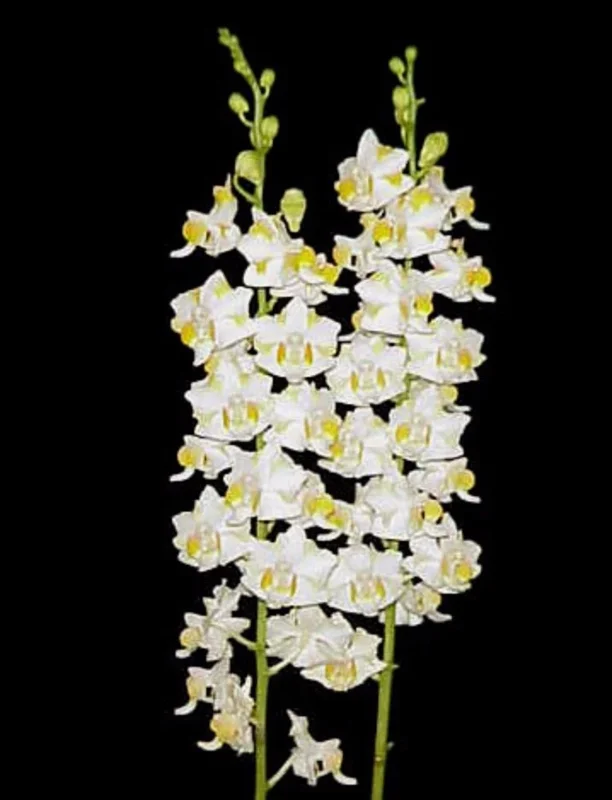
Houseplants
Phalaenopsis pulcherrima ‘Mauna Kea Snow’ Orchid Live Plant – White Flowers, Potted 2.5 in
Sold 50 products
$49.88
Sold 50 products
$49.88RELATED posts
Awapuhi Wild Ginger Plant: Zones, Care, and Propagation
Learn which USDA zones suit awapuhi wild ginger, plus sunlight, water, planting, propagation, pests, size, [...]
Awapuhi Shampoo Ginger – Care, Growing Zones, and Differences
Learn how to grow awapuhi (shampoo) ginger, its USDA zones, watering schedule, propagation tips, and [...]
Awapuhi Shampoo Plant Buying Guide – Choose the Right Zingiber zerumbet
META: Learn which awapuhi (shampoo ginger) plant or rhizome pack gives the best natural shampoo, [...]
Awapuhi Plant for Sale: Complete Buying Guide
Find the right awapuhi (shampoo ginger) plant, size, price, soil mix, and online source. Practical [...]
Shampoo Ginger Plant for Sale – Buying Guide & Tips
Find the right shampoo ginger plant, size, price, and care tips. Quick guide for U.S. [...]
Shampoo Ginger Plant (Awapuhi) Care Guide
Learn how to grow, care for, and use shampoo ginger (Zingiber zerumbet), the tropical awapuhi [...]
How to Grow Cuban Oregano Plants: A Complete Care Guide
If you’ve ever wanted a plant that combines the culinary punch of traditional oregano with [...]
Aug
How to Grow Habanero Pepper Plants: A Step-by-Step Guide
Habanero pepper plants are prized for their vibrant colors, intense heat, and exceptional flavor, making [...]
Aug
Reviews
There are no reviews yet.