
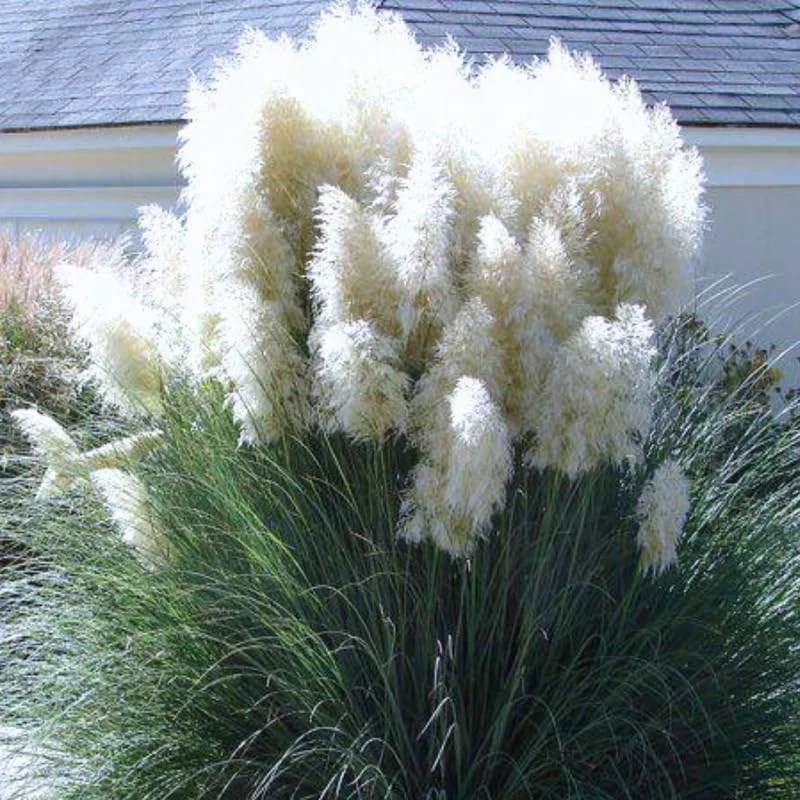
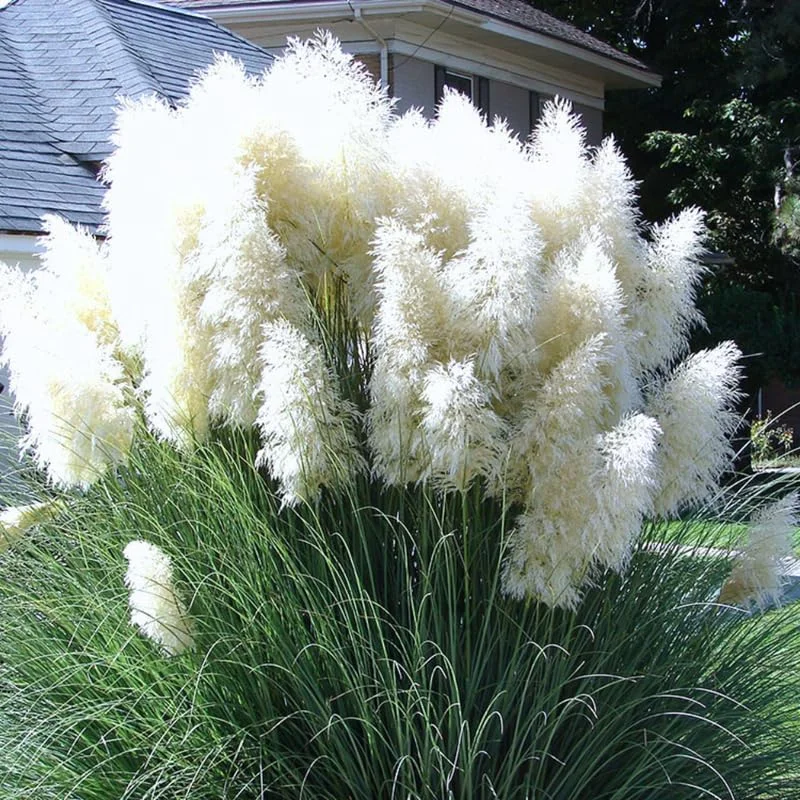
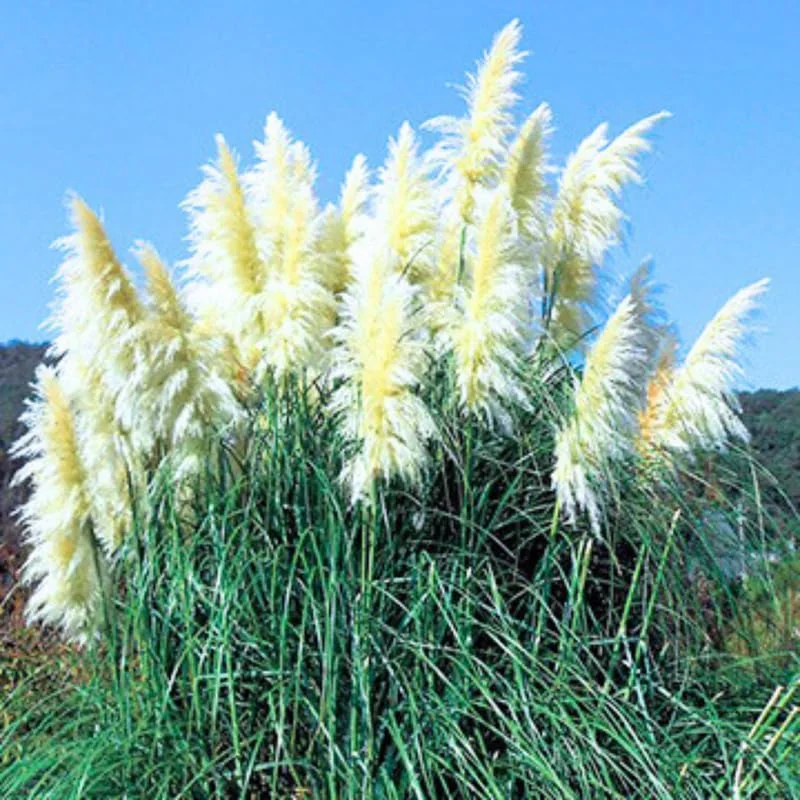
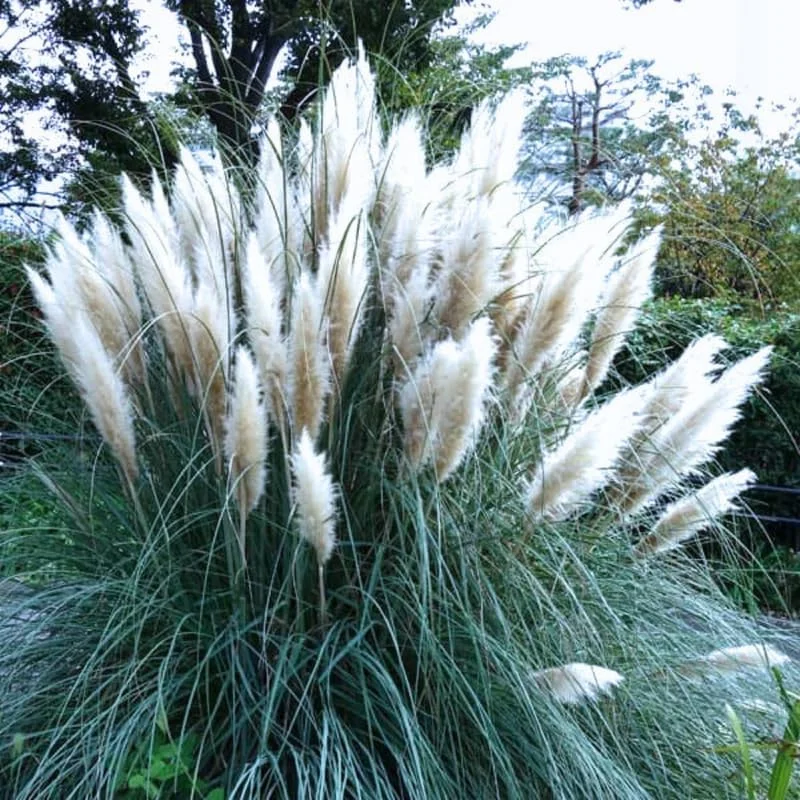
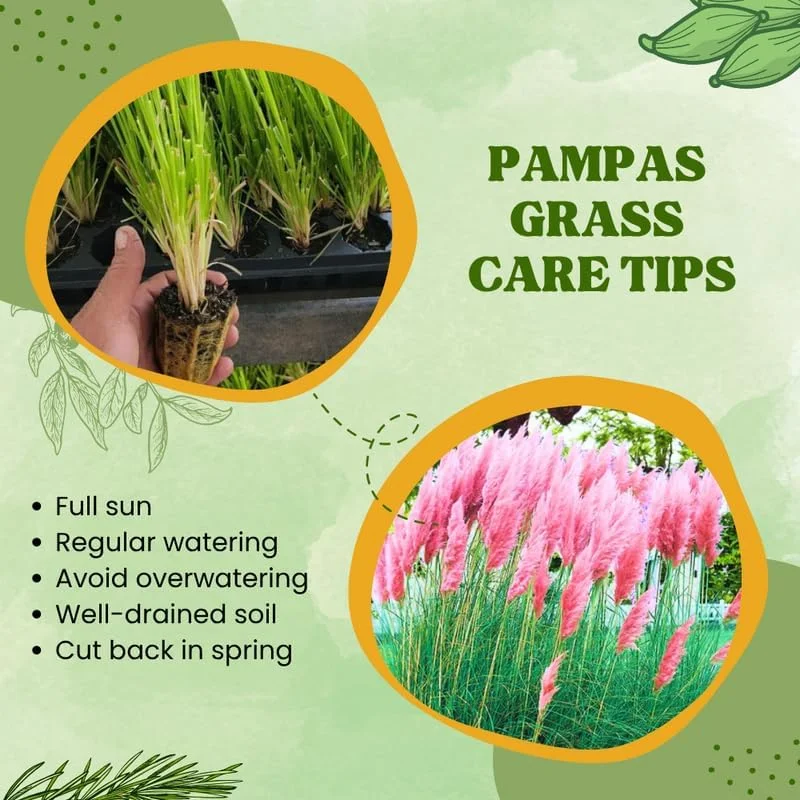
Pampas Grass Live Plants, 2 Pack, White Ornamental Grass 4-8 Inches Tall, Outdoor
$32.39
Transform your outdoor space with this pampas grass live plant 2-pack. These 4-8 inch tall plants are perfect for creating stunning visual interest, privacy screens, or hedges. Enjoy the beauty of white pampas grass, a low-maintenance and drought tolerant plant ideal for a variety of garden designs.
Shipping and Return policies:
We stand behind our plants with our Alive & Thrive Guarantee. If you experience any issues within the first 30 days, please email us, and our team will be happy to help. When needed, we’ll send you a one-time replacement free of charge to make sure your garden keeps growing strong.

Reasonable Price
We offer reasonable price

Support 24/7
Contact us 24 hrs a day
100% Money Back
You’ve 30 days to Return
Payment Secure
100% secure payment
Overview
Introduce a touch of natural elegance and grandeur to your landscape with the majestic pampas grass live plant. This offering includes a convenient 2-pack of young plants, each measuring 4-8 inches, ready to establish themselves in your garden. Known scientifically as Cortaderia selloana, pampas grass is a highly sought-after ornamental grass renowned for its dramatic plumes and architectural presence. Ideal for creating stunning focal points, natural privacy screens, or adding texture to garden borders, this resilient plant thrives in various outdoor settings. Its vigorous growth and distinctive feathery plumes make it a favorite among landscape designers and home gardeners alike. Cultivate a breathtaking display with these robust and beautiful specimens, bringing a sophisticated, natural aesthetic to any outdoor environment. Embrace the low-maintenance beauty and significant visual impact these grasses provide.
Key Benefits
The addition of pampas grass live plant to your garden offers a multitude of benefits, combining aesthetic appeal with practical horticultural advantages. These plants are not only beautiful but also remarkably resilient, making them an excellent choice for a diverse range of landscaping needs.
- Dramatic Visual Impact: Create an immediate ‘wow’ factor in your garden with tall, elegant plumes that sway gracefully in the breeze. The striking height and feathery texture of white pampas grass provide year-round visual interest and a sophisticated touch.
- Excellent for Privacy: With a mature height often reaching 6-10 feet, pampas grass forms dense screens, making it an ideal choice for natural hedges or creating secluded zones within your garden. It offers an attractive alternative to traditional fencing.
- Low Maintenance and Drought-Tolerant: Once established, this ornamental grass for garden requires minimal care. It is highly resistant to drought conditions, reducing the need for frequent watering, making it a sustainable and easy-to-manage option for busy gardeners.
- Hardy and Adaptable: Suitable for USDA zones 7-11, pampas grass is tough and resilient, capable of thriving in a wide range of climates and soil types. This adaptability ensures successful growth in many regions.
- Erosion Control: Its extensive root system helps stabilize soil, making it valuable for preventing erosion on slopes or in areas prone to soil displacement. This practical benefit complements its ornamental qualities.
- Year-Round Interest: Even in winter, the dried plumes and foliage provide structure and texture, ensuring your garden remains captivating throughout all seasons. The cortaderia selloana maintains its form and beauty.
- Versatile Landscaping Use: Whether used as a stand-alone specimen, in mass plantings, or integrated into mixed borders, its versatility allows for creative and impactful landscape designs. It truly is a remarkable drought tolerant plant.
Plant Care & Growing Tips
Caring for your pampas grass live plant is relatively straightforward, thanks to its robust nature. These plants thrive with minimal intervention once established, making them perfect for gardeners seeking beauty without exhaustive effort. For optimal growth, plant your pampas grass in a location that receives full sun, meaning at least 6-8 hours of direct sunlight per day. Adequate sunlight is crucial for promoting strong growth and abundant plume production. While tolerant of various soil conditions, well-draining soil is preferred to prevent root rot. If your soil is heavy clay, amend it with organic matter like compost or sand to improve drainage. This will ensure your white pampas grass establishes a healthy root system.
Water young plants regularly until they are well-established, typically for the first growing season. Once mature, pampas grass is highly drought-tolerant and will only require occasional watering during prolonged dry spells. Avoid overwatering, as this can be detrimental. In terms of fertilization, these grasses are not heavy feeders. A light application of a balanced slow-release fertilizer in early spring is usually sufficient, but often not necessary in fertile soils. Pruning is best done in late winter or early spring before new growth emerges. Cut back the old foliage to about 6-12 inches from the ground. This encourages fresh growth and maintains a tidy appearance. Always wear gloves and long sleeves when pruning, as the leaf blades can be sharp. Monitor for common garden pests, though ornamental grass for garden is generally pest-resistant. Ensure good air circulation to prevent fungal issues. These tips will help your cortaderia selloana flourish and become a magnificent feature.
Size & Details
This offering provides a 2-pack of young pampas grass live plant specimens, each measuring between 4-8 inches in height at the time of shipment. These plants are typically shipped in nursery pots, ready for immediate planting in your garden. Pampas grass is a fast-growing perennial grass, and with proper care, it can achieve significant size. Mature plants can reach an impressive height of 6-10 feet, with an equivalent spread, creating a substantial presence in the landscape. The iconic feathery plumes, which are a hallmark of white pampas grass, typically emerge in late summer to early fall and persist through winter, offering extended seasonal interest. The robust nature of this drought tolerant plant ensures a strong, healthy root system development, leading to vigorous growth and a long lifespan in suitable climates. Expect these plants to establish quickly and begin to show their full ornamental potential within their first few years of growth.
Frequently Asked Questions
- Q: How big does this pampas grass live plant get at maturity? A: This pampas grass live plant can grow quite large, typically reaching a mature height of 6-10 feet with a similar spread. Its dramatic size makes it excellent for creating a strong visual statement in your garden.
- Q: Is this an indoor or outdoor plant? A: Pampas grass is primarily an outdoor plant. It thrives in full sun and is best suited for garden landscaping, hedges, or as a standalone ornamental feature in open spaces. It is not recommended for indoor cultivation.
- Q: How much sunlight does white pampas grass need? A: For optimal growth and plume production, white pampas grass requires full sun exposure, meaning at least 6-8 hours of direct sunlight per day. It will tolerate partial sun but may not produce as many plumes.
- Q: Is this plant easy to care for? A: Yes, pampas grass is considered a low-maintenance plant once established. It is drought-tolerant and generally resistant to pests and diseases, making it an excellent choice for beginner gardeners or those seeking easy-care options.
- Q: What condition will the plants arrive in? A: Your ornamental grass for garden plants will arrive as live, young specimens, typically 4-8 inches tall, shipped in nursery pots with their root systems intact. They will be ready for planting upon arrival.
- Q: When is the best time to plant pampas grass? A: The best time to plant pampas grass is in the spring or early summer, after the last frost. This allows the plant ample time to establish its root system before the colder months.
- Q: Will cortaderia selloana survive winter in my zone? A: Pampas grass is hardy in USDA zones 7-11. If you are in these zones, your cortaderia selloana should survive winter outdoors. In colder zones, it may not be reliably perennial or might require significant winter protection.
- Q: What kind of soil does this drought tolerant plant prefer? A: This drought tolerant plant prefers well-draining soil. While it can tolerate various soil types, ensuring good drainage is key to preventing root issues and promoting healthy growth.
- Q: Can I use pampas grass for erosion control? A: Yes, pampas grass has a strong, fibrous root system that makes it effective for stabilizing soil and controlling erosion, especially on slopes or in areas prone to soil movement.
- Q: Do I need to fertilize my pampas grass? A: Generally, pampas grass is not a heavy feeder. A light application of a balanced, slow-release fertilizer in early spring can be beneficial, particularly in poor soils, but it’s often not strictly necessary once the plant is established.
| Color | White Pampas |
|---|
Be the first to review “Pampas Grass Live Plants, 2 Pack, White Ornamental Grass 4-8 Inches Tall, Outdoor”
You must be logged in to post a review.
People also Viewed
Sold 50 products
Original price was: $30.98.$14.99Current price is: $14.99.
Sold 50 products
Original price was: $30.98.$14.99Current price is: $14.99.
Sold 50 products
Original price was: $30.98.$14.99Current price is: $14.99.
Sold 50 products
Original price was: $30.98.$14.99Current price is: $14.99.
Sold 50 products
Original price was: $34.98.$18.99Current price is: $18.99.
Sold 50 products
Original price was: $30.98.$14.99Current price is: $14.99.
Sold 50 products
Original price was: $30.98.$14.99Current price is: $14.99.
Sold 50 products
Original price was: $30.98.$14.99Current price is: $14.99.RELATED posts
How to Grow Habanero Pepper Plants: A Step-by-Step Guide
Habanero pepper plants are prized for their vibrant colors, intense heat, and exceptional flavor, making [...]
Aug
Top 7 Heat-Tolerant Perennials to Plant in July
Have you ever looked out at your backyard in the middle of July and felt [...]
Jul
How to Grow Black Pepper Plants: A Complete Care Guide
If you’ve ever dreamed of harvesting your very own pantry staples right from your backyard, [...]
Jun
Top 9 Vegetables to Grow in May for a Summer Bumper Harvest
May is coming, and it’s one of the best times of the year to start [...]
Apr
Top Pepper Companion Plants: Boost Yield & Save Space
Peppers are easily one of my absolute favorite things to grow in my kitchen garden, [...]
Apr
How to Grow Arabian Jasmine: A Complete Care Guide
If you’ve ever dreamed of a garden that smells like a tropical paradise, Jasminum sambac [...]
Apr
How to Grow Jalapeño Peppers From Seeds: A Step-by-Step Guide
Ready to spice things up in your garden? Jalapeños are the true life of the [...]
Apr
Top 12 Best Types of Peppers to Grow in Your Garden: Easy and High Yield
Growing peppers is, quite honestly, one of the biggest “wins” you can have in a [...]
Apr
Reviews
There are no reviews yet.