
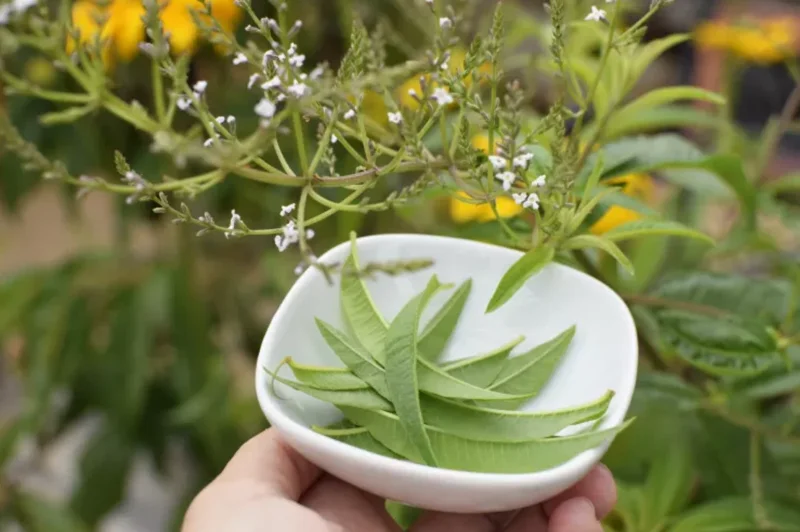
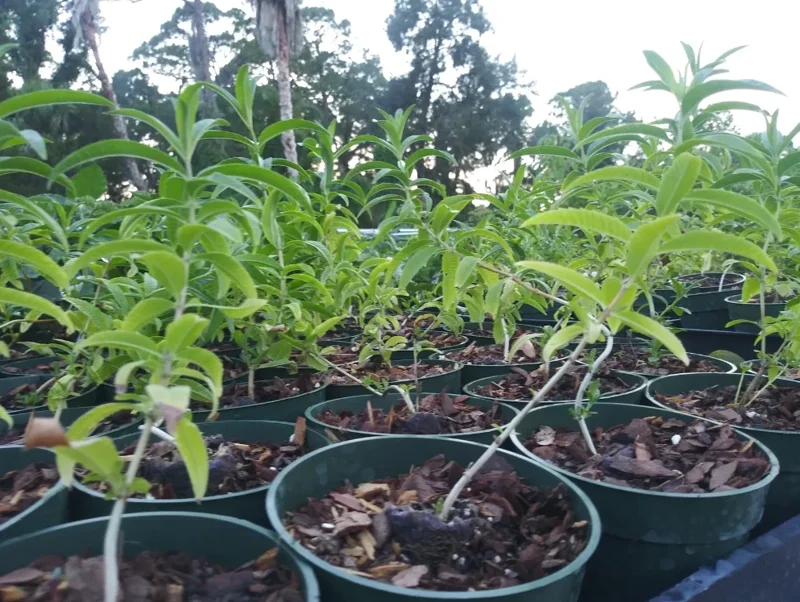
Live Lemon Verbena Plant – 3-5″ Tall – Fragrant Culinary Herb
$10.99
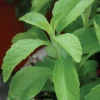
Bring the refreshing scent of citrus to your garden or kitchen with a live lemon verbena plant. This 3-5 inch tall fragrant herb is ideal for culinary applications, teas, and adding a delightful aroma to your space. Easy to grow and maintain, it’s a versatile addition for any herb enthusiast.
Shipping and Return policies:
We stand behind our plants with our Alive & Thrive Guarantee. If you experience any issues within the first 30 days, please email us, and our team will be happy to help. When needed, we’ll send you a one-time replacement free of charge to make sure your garden keeps growing strong.

Reasonable Price
We offer reasonable price

Support 24/7
Contact us 24 hrs a day
100% Money Back
You’ve 30 days to Return
Payment Secure
100% secure payment
Overview
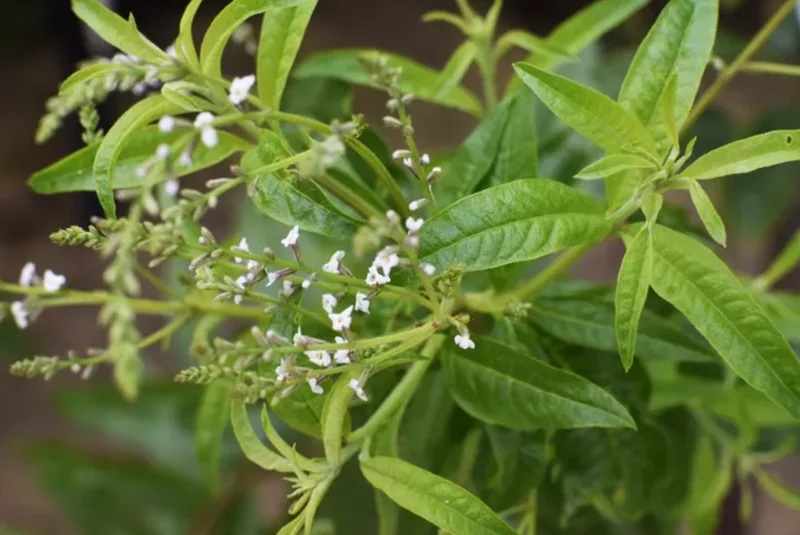
Discover the delightful world of aromatic herbs with this exceptional live lemon verbena plant. Known botanically as Aloysia citrodora, lemon verbena is a deciduous shrub celebrated for its intensely lemon-scented leaves. This particular offering provides a healthy, young plant, typically measuring 3-5 inches tall, ready to thrive in your garden or a container. Originating from South America, lemon verbena has found its way into kitchens and gardens worldwide, cherished for its vibrant fragrance and versatile uses. Whether you’re a seasoned gardener or a culinary enthusiast, this fragrant herb plant promises to be a rewarding addition, filling your space with its invigorating citrus aroma.
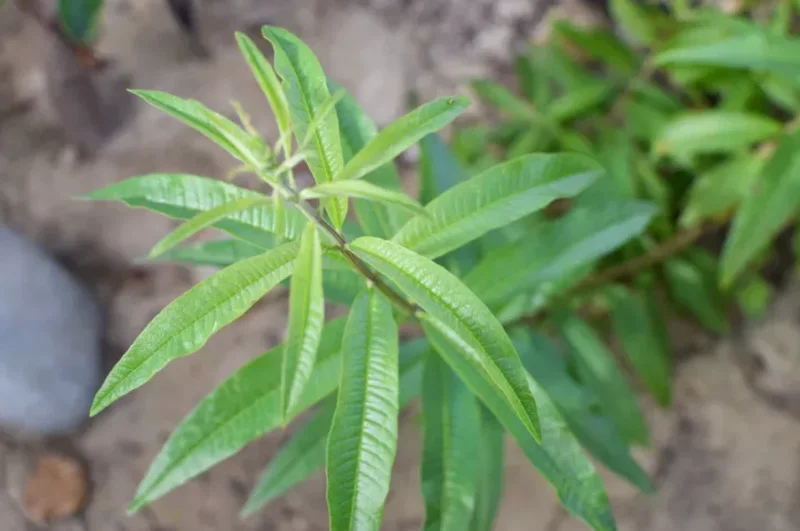
Our live lemon verbena plant is carefully cultivated to ensure a strong start, allowing you to enjoy its benefits quickly. It’s an excellent choice for those looking to expand their herb collection with something both beautiful and functional. The plant’s slender, bright green leaves release a powerful lemon perfume when brushed or bruised, making it a sensory delight. Perfect for growing in sunny spots, it adapts well to various environments, making growing lemon verbena accessible to many.
Key Benefits
Adding a live lemon verbena plant to your home or garden offers a multitude of advantages, from its sensory appeal to its practical uses. This herb is not just a plant; it’s an experience:
- Intense Lemon Fragrance: The primary draw of lemon verbena is its incredibly strong, fresh lemon scent. This fragrance makes it perfect for aromatherapy, potpourri, or simply enjoying its natural perfume in your garden or on your patio. It can naturally uplift moods and create a refreshing atmosphere.
- Culinary Versatility: Culinary lemon verbena leaves are a fantastic addition to a wide range of dishes. Use them to flavor teas, desserts, poultry, fish, and dressings. The bright citrus notes can elevate both sweet and savory recipes, offering a unique twist that artificial lemon flavors cannot replicate.
- Medicinal & Wellness Properties: Traditionally, lemon verbena has been used to aid digestion, reduce fever, and calm nerves. While not a substitute for medical advice, many enjoy lemon verbena tea for its soothing qualities and potential health benefits.
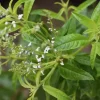
- Attracts Pollinators: When in bloom, the small, delicate white or pale purple flowers of the live lemon verbena plant are attractive to bees and butterflies, contributing to the biodiversity and health of your garden ecosystem.
- Low Maintenance & Drought Tolerant: Once established, lemon verbena is relatively easy to care for and can tolerate periods of drought, making it an ideal choice for busy gardeners or those in drier climates. Its resilience contributes to its popularity.
- Decorative Appeal: With its elegant, elongated leaves and graceful growth habit, lemon verbena makes an attractive ornamental plant for containers, herb gardens, or as a border plant in landscape designs.
- Pest Repellent: The strong scent of lemon verbena can act as a natural deterrent for some garden pests, helping to protect nearby plants without the need for chemical sprays.
Plant Care & Growing Tips
Caring for your live lemon verbena plant is straightforward, and with a few key considerations, it will flourish and provide you with an abundance of fragrant leaves. This plant thrives in conditions that mimic its native South American environment.
Sunlight Requirements: Lemon verbena absolutely loves the sun. For optimal growth and the most intense fragrance, provide your plant with at least 6-8 hours of direct sunlight per day. In very hot climates, a little afternoon shade can be beneficial to prevent scorching, but generally, full sun is best. If growing indoors, place it in your brightest south-facing window or under grow lights.
Watering Schedule & Soil Moisture: While somewhat drought-tolerant once established, young plants will need regular watering. Water thoroughly when the top inch or two of soil feels dry to the touch. Ensure good drainage, as lemon verbena care dictates that it dislikes soggy feet, which can lead to root rot. Reduce watering in winter months when the plant is dormant.
Soil Type & Drainage: This herb prefers well-draining soil that is moderately fertile. A good quality potting mix amended with some compost or sand will provide the ideal conditions. The pH should be neutral to slightly alkaline (6.5-7.5). Good drainage is paramount, whether planted in the ground or in a container.
Temperature Range & USDA Hardiness Zone: Lemon verbena is typically hardy in USDA Zones 8-11. In colder zones (7 and below), it is best grown in containers that can be moved indoors before the first frost, or treated as an annual. It prefers warm temperatures and can be sensitive to cold snaps. Protect it from frost, which can cause leaf drop and damage. For those in cooler regions, understanding growing lemon verbena as a tender perennial is key.
Fertilization Schedule & Type: Feed your fragrant herb plant with a balanced liquid fertilizer diluted to half strength every 2-4 weeks during the active growing season (spring and summer). Avoid over-fertilizing, as this can lead to lush foliage but diminished fragrance. Reduce or stop fertilizing in fall and winter when the plant is dormant.
Common Problems and Solutions: Lemon verbena is generally pest-resistant due to its strong oils. However, occasionally, spider mites or whiteflies can be an issue, especially if the plant is stressed or in a dry indoor environment. Treat with insecticidal soap if necessary. Ensure good air circulation to prevent fungal diseases. Yellowing leaves can indicate overwatering or nutrient deficiency.
Size & Details
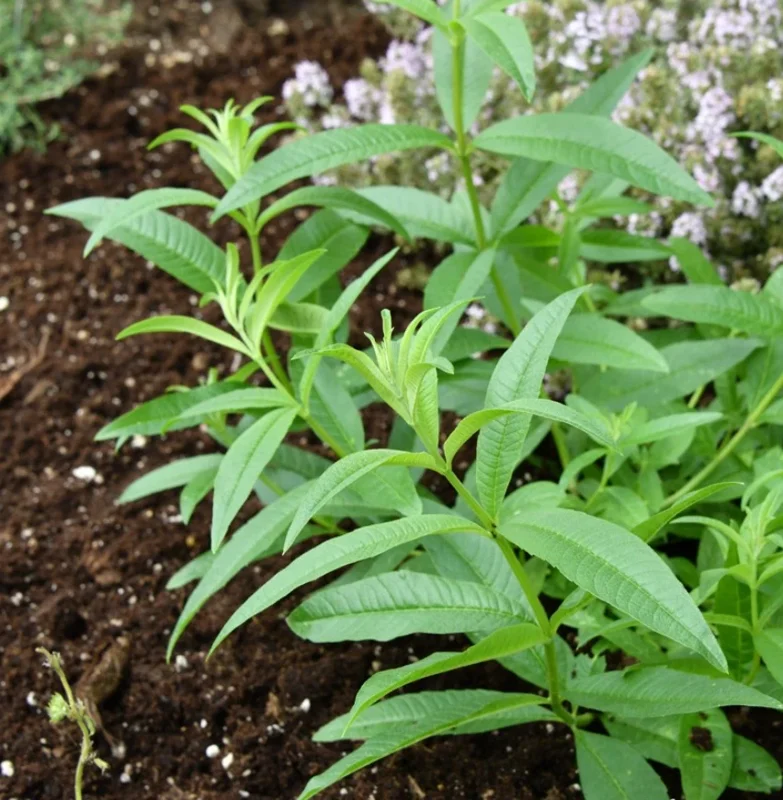
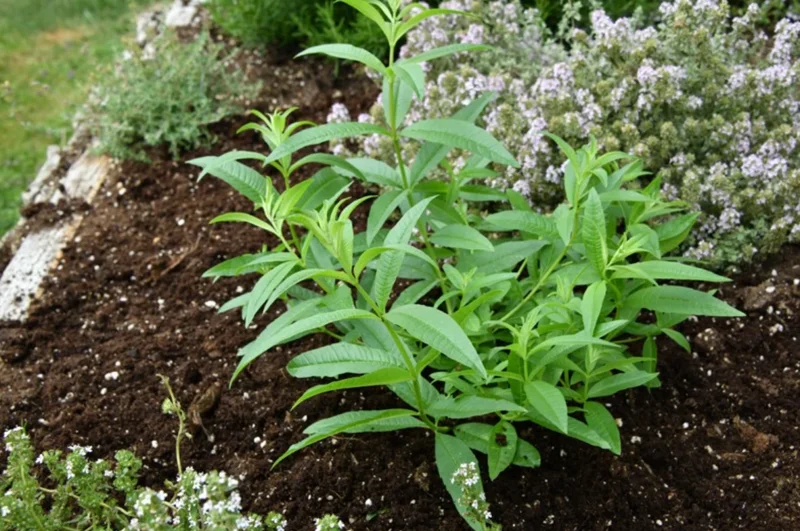
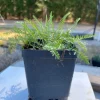
This offering includes one healthy live lemon verbena plant, typically standing 3-5 inches tall from the base of the plant to the tip of its leaves. These young plants are shipped without a pot, with their roots carefully protected during transit to ensure they arrive in excellent condition, ready for immediate planting in your desired location. Lemon verbena is a relatively fast-growing herb, and with proper care, it can reach heights of 3-5 feet and spread equally wide in ideal conditions when planted in the ground. In containers, its size will be more constrained, typically remaining manageable at 1-3 feet tall. The plant will produce its signature intensely fragrant leaves throughout the warmer months. While it may drop leaves and appear dormant in winter, especially in cooler climates, it typically regrows vigorously in spring. Expect your plant to establish quickly, providing fresh leaves for harvesting within weeks of planting. This fragrant herb plant is an excellent choice for creating a sensory garden experience.
Frequently Asked Questions
- Q: How big does this live lemon verbena plant get? A: In ideal garden conditions, lemon verbena can grow to be 3-5 feet tall and wide. When grown in a container, its size is typically more controlled, often staying between 1-3 feet tall, making it suitable for patios or indoors.
- Q: Is this an indoor or outdoor plant? A: Lemon verbena thrives outdoors in full sun in USDA Zones 8-11. In colder zones, it can be grown outdoors during the warm months and brought indoors before the first frost, or cultivated as a potted houseplant year-round with sufficient light.
- Q: How much sunlight does it need? A: For the best growth and strongest fragrance, your lemon verbena plant needs at least 6-8 hours of direct sunlight per day. If growing indoors, a south-facing window is ideal.
- Q: Is this plant easy to care for? A: Yes, growing lemon verbena is considered relatively easy. It requires well-draining soil, plenty of sun, and regular watering when young. Once established, it becomes more tolerant of drought.
- Q: What condition will it arrive in? A: Your live lemon verbena plant will arrive as a healthy, young plant, typically 3-5 inches tall. It will be shipped without a pot, with its roots carefully protected to ensure it reaches you in optimal condition for planting.
- Q: Can I use this culinary lemon verbena in cooking? A: Absolutely! Lemon verbena leaves are highly prized for their strong lemon flavor and can be used in teas, desserts, marinades for poultry or fish, and to infuse oils and vinegars.
- Q: When is the best time to plant lemon verbena? A: The best time to plant is in spring after all danger of frost has passed, once temperatures are consistently warm. This gives the plant ample time to establish before cooler weather arrives.
- Q: Will it survive winter in my zone? A: If you are in USDA Zones 8-11, it can typically survive winter outdoors. In colder zones, it will need to be brought indoors or provided with significant winter protection, as it is sensitive to frost.
- Q: Is fragrant herb plant pet-safe? A: While lemon verbena is generally considered non-toxic to pets, like many herbs, large quantities could potentially cause mild digestive upset. It’s always best to monitor pets around new plants.
- Q: How often should I water my lemon verbena? A: Water your lemon verbena care routine should include watering when the top 1-2 inches of soil feel dry. Ensure the soil is well-drained to prevent root issues. Reduce watering in cooler, dormant periods.
Be the first to review “Live Lemon Verbena Plant – 3-5″ Tall – Fragrant Culinary Herb”
You must be logged in to post a review.
People also Viewed
Sold 50 products
$32.38
Sold 50 products
$27.38
Sold 50 products
$32.38
Sold 50 products
$19.88
Sold 50 products
$62.38
Sold 50 products
$24.88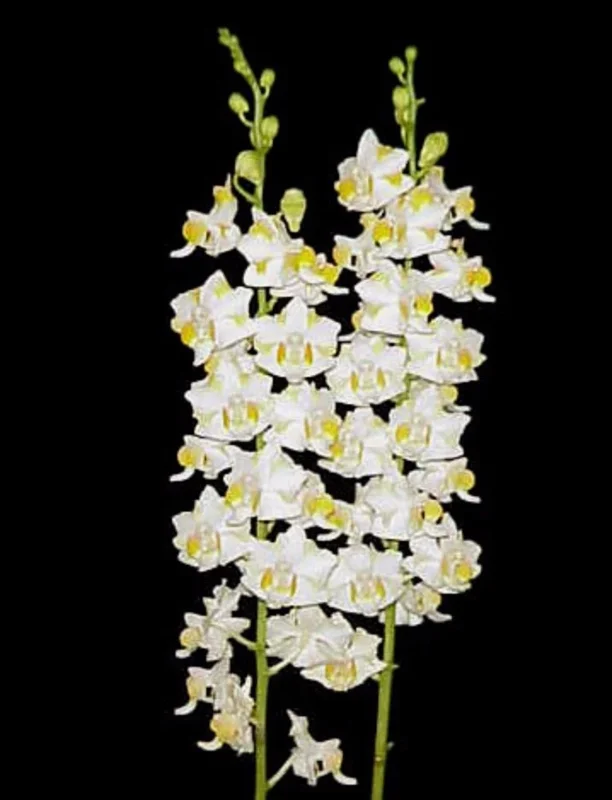
Houseplants
Phalaenopsis pulcherrima ‘Mauna Kea Snow’ Orchid Live Plant – White Flowers, Potted 2.5 in
Sold 50 products
$49.88
Sold 50 products
$49.88RELATED posts
Awapuhi Wild Ginger Plant: Zones, Care, and Propagation
Learn which USDA zones suit awapuhi wild ginger, plus sunlight, water, planting, propagation, pests, size, [...]
Awapuhi Shampoo Ginger – Care, Growing Zones, and Differences
Learn how to grow awapuhi (shampoo) ginger, its USDA zones, watering schedule, propagation tips, and [...]
Awapuhi Shampoo Plant Buying Guide – Choose the Right Zingiber zerumbet
META: Learn which awapuhi (shampoo ginger) plant or rhizome pack gives the best natural shampoo, [...]
Awapuhi Plant for Sale: Complete Buying Guide
Find the right awapuhi (shampoo ginger) plant, size, price, soil mix, and online source. Practical [...]
Shampoo Ginger Plant for Sale – Buying Guide & Tips
Find the right shampoo ginger plant, size, price, and care tips. Quick guide for U.S. [...]
Shampoo Ginger Plant (Awapuhi) Care Guide
Learn how to grow, care for, and use shampoo ginger (Zingiber zerumbet), the tropical awapuhi [...]
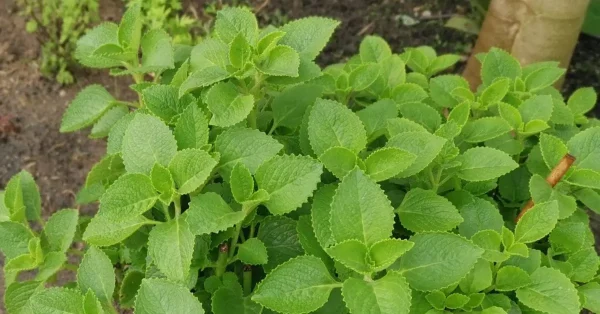
How to Grow Cuban Oregano Plants: A Complete Care Guide
If you’ve ever wanted a plant that combines the culinary punch of traditional oregano with [...]
Aug
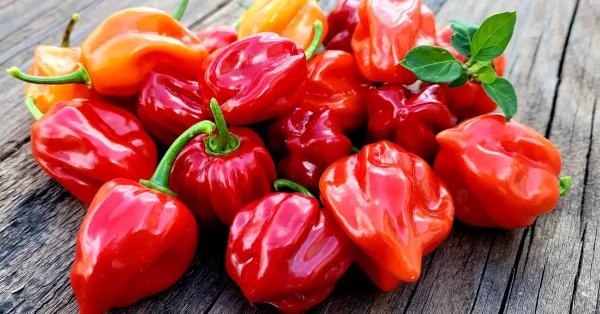
How to Grow Habanero Pepper Plants: A Step-by-Step Guide
Habanero pepper plants are prized for their vibrant colors, intense heat, and exceptional flavor, making [...]
Aug
Reviews
There are no reviews yet.