
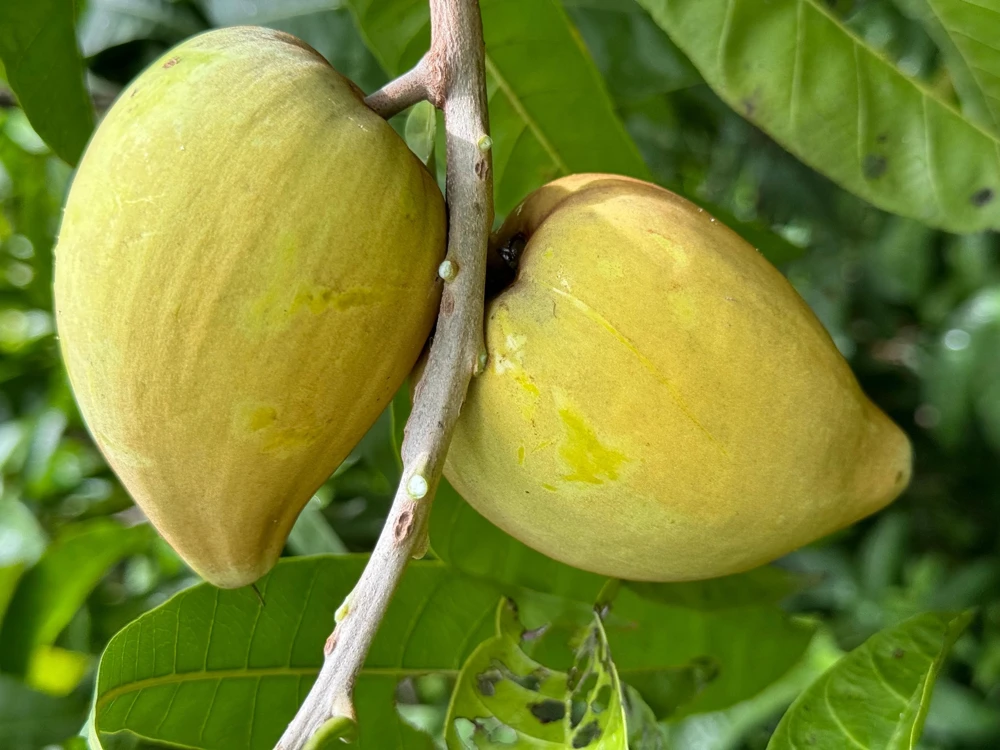
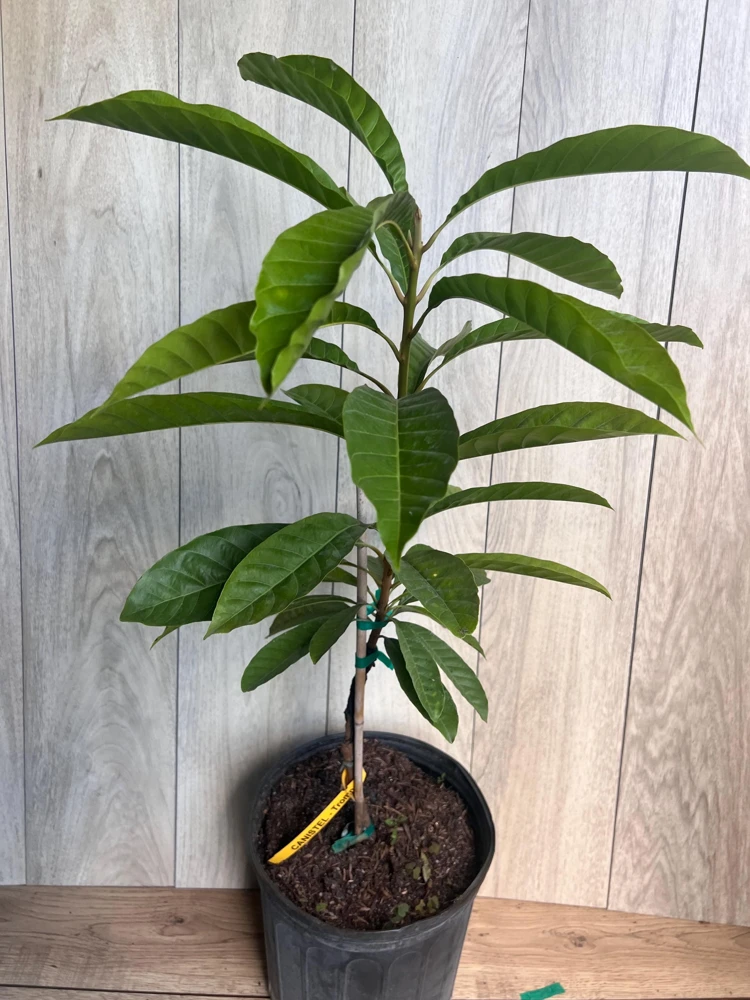
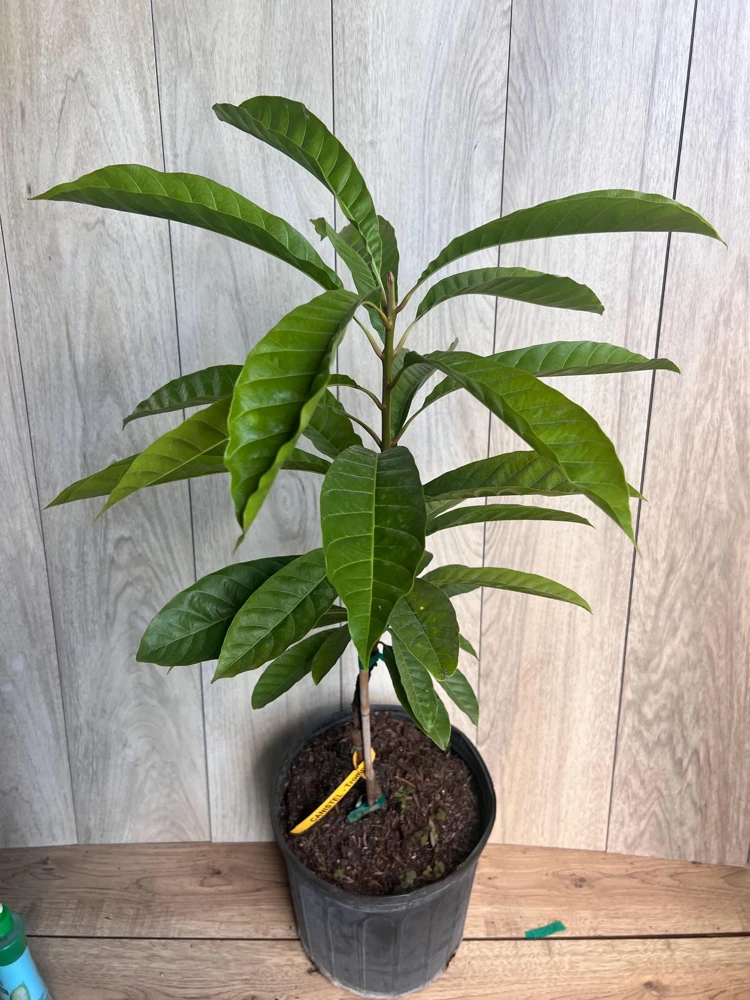
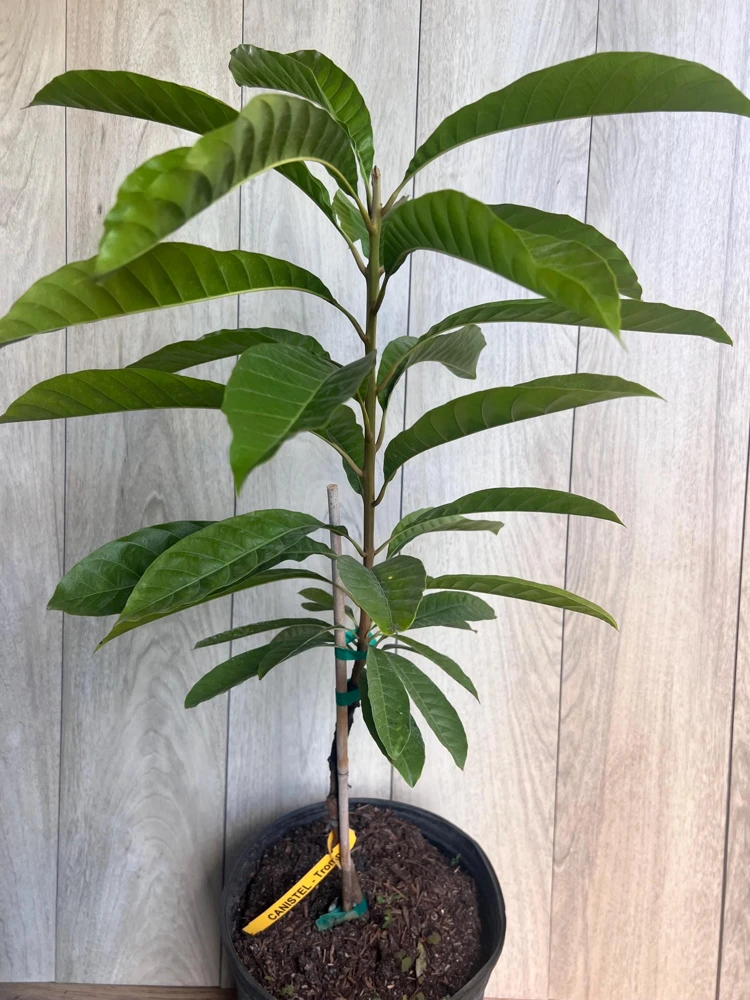
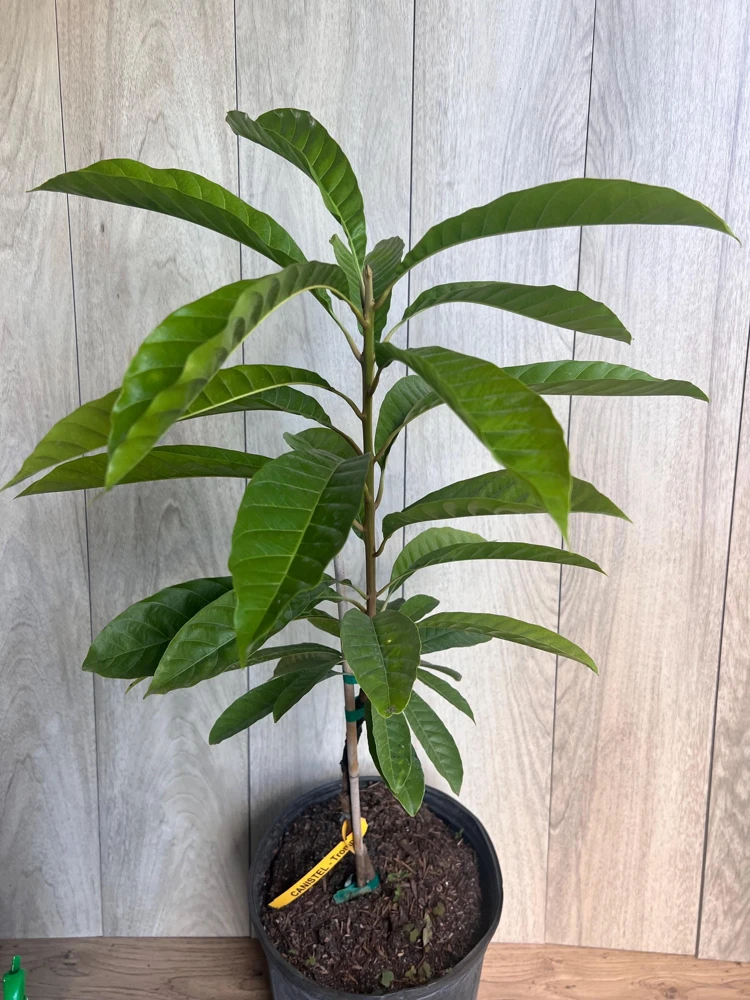
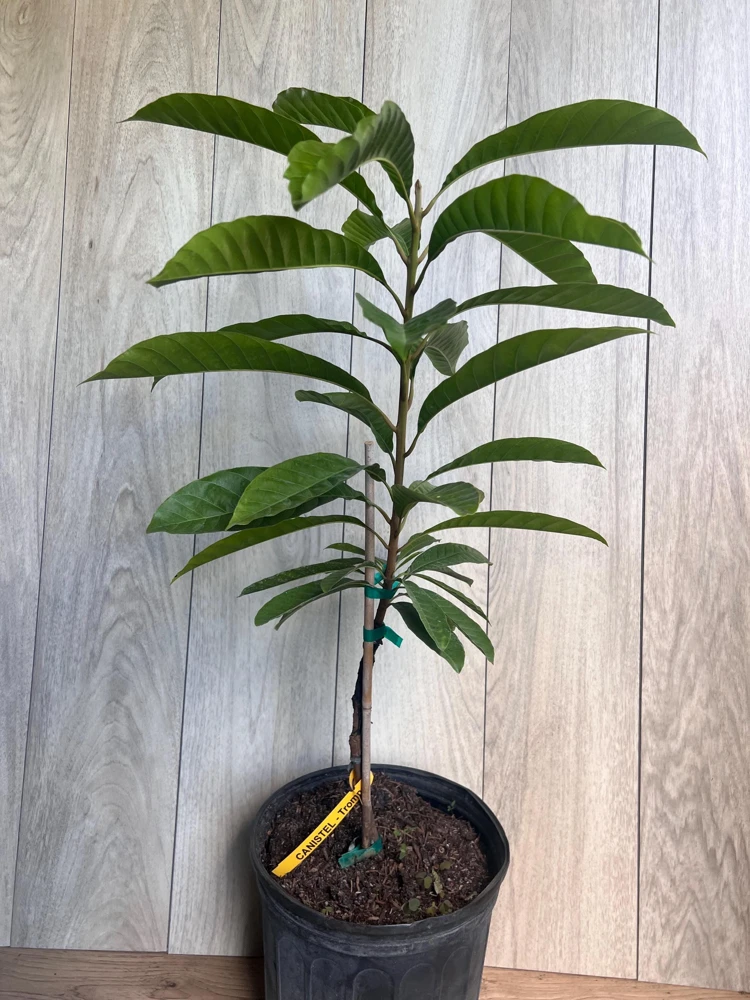
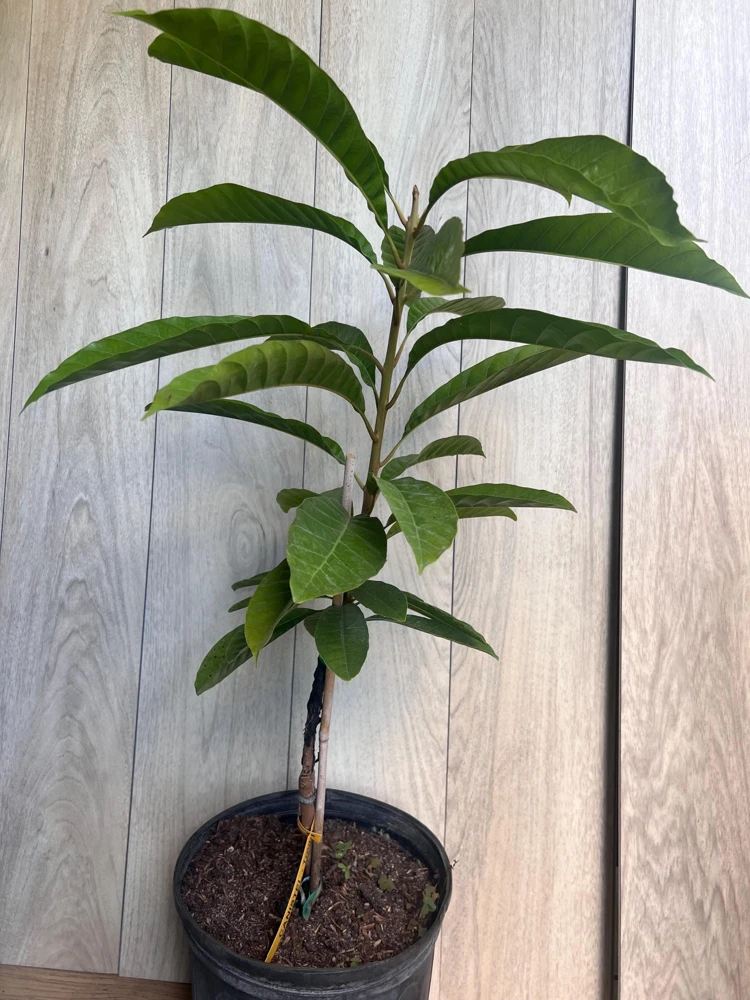
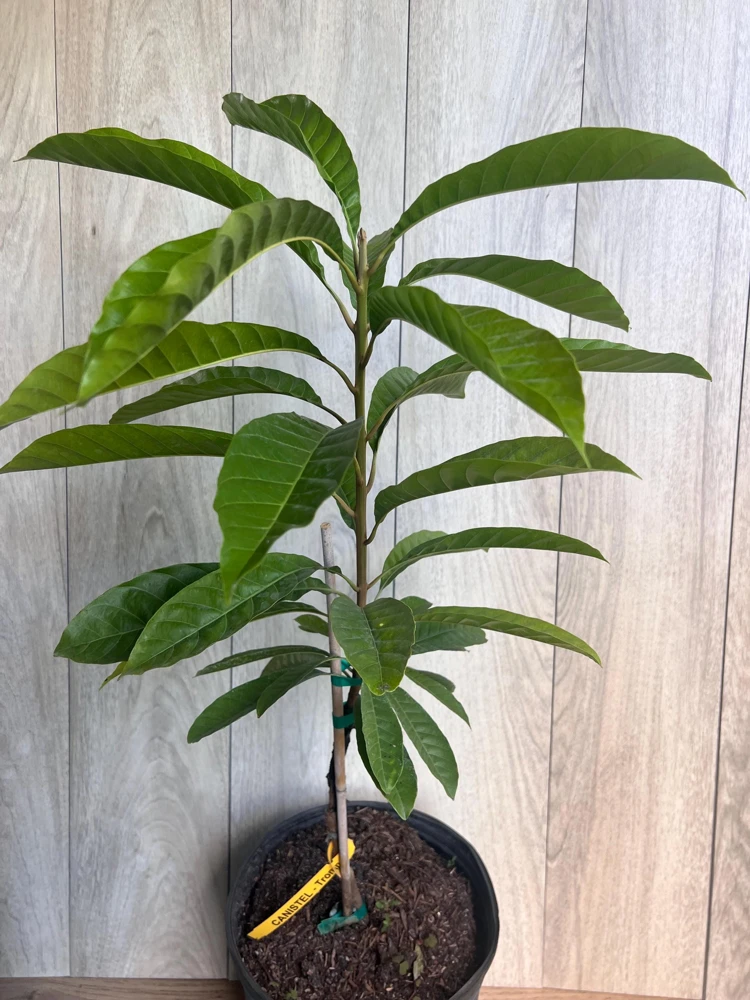
Canistel Trompo Live Plant – Grafted Eggfruit Tree – 3 Gallon Pot – Tropical Fruit – Cannot ship to CA
Original price was: $247.73.$156.57Current price is: $156.57.
Indulge in the rich, velvety sweetness of the Canistel Trompo live plant. This grafted Canistel tree comes in a 3 Gallon Pot, ready to produce delicious eggfruit with golden, custard-like flesh. Perfect for tropical and subtropical gardens, it’s a must-have for fruit enthusiasts.
Shipping and Return policies:
We stand behind our plants with our Alive & Thrive Guarantee. If you experience any issues within the first 30 days, please email us, and our team will be happy to help. When needed, we’ll send you a one-time replacement free of charge to make sure your garden keeps growing strong.

Reasonable Price
We offer reasonable price

Support 24/7
Contact us 24 hrs a day
100% Money Back
You’ve 30 days to Return
Payment Secure
100% secure payment
Overview
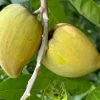
Bring the exotic taste of the tropics to your home with the Canistel Trompo live plant. This premium variety of eggfruit tree, scientifically known as Pouteria campechiana, is highly prized for its unique flavor and creamy texture. Our meticulously grafted Canistel tree ensures earlier fruiting and robust growth, providing you with a head start on enjoying its delightful harvest. The Canistel Trompo produces golden-yellow fruit with a smooth, custard-like flesh that is often compared to pumpkin pie or sweet potato. It’s a nutrient-packed superfruit, perfect for fresh consumption, shakes, or delicious desserts. This tropical fruit tree is a fantastic addition to any garden in warm climates, promising abundant yields and an unforgettable culinary experience.
The Canistel, also known as eggfruit due to its texture, is a fascinating and rewarding plant to cultivate. This particular Trompo variety is known for its exceptional sweetness and quality. The plant you receive will be a healthy, established specimen in a 3 Gallon Pot, ready to thrive in its new environment. With proper care, your Canistel Trompo live plant will become a cherished part of your landscape, offering both beauty and bountiful, delectable fruit.
Key Benefits
Cultivating a Canistel Trompo live plant offers a multitude of advantages, from its unique culinary appeal to its robust growth habits. This tropical gem is an excellent choice for gardeners looking to expand their fruit selection with something truly special.
- Delicious, Unique Fruit: Enjoy the distinctive, sweet, custard-like flesh of the Canistel Trompo. It’s perfect for eating fresh, blending into smoothies, or creating delicious desserts, offering a taste experience unlike any other fruit.
- Nutrient-Rich Superfruit: The eggfruit is packed with vitamins and minerals, making it a healthy addition to your diet. It’s a natural source of energy and contributes to overall well-being.
- Grafted for Early Fruiting: This grafted Canistel tree is designed to produce fruit sooner and more reliably than seed-grown plants, ensuring you can enjoy your harvest without a long wait.
- Ornamental Appeal: Beyond its fruit, the Canistel tree itself is an attractive specimen with lush green foliage, adding a tropical aesthetic to your garden or landscape.
- Adaptable to Containers: While thriving in the ground, this Pouteria campechiana plant can also be successfully grown in large containers, making it suitable for patios or smaller spaces with proper management.
- Exceptional Yields: Once established, the Canistel Trompo is known for its generous fruit production, providing a plentiful supply of this exotic delicacy.
- Supports Local Ecosystems: Growing your own fruit trees can contribute to local biodiversity and provide food sources for beneficial wildlife in suitable climates.
Plant Care & Growing Tips
Caring for your Canistel Trompo live plant is relatively straightforward, especially when planted in suitable conditions. This tropical tree thrives in warm environments and requires specific attention to sunlight, water, and soil to ensure optimal growth and fruit production.
Climate and Sunlight
The Canistel Trompo live plant is best suited for tropical and subtropical regions, specifically USDA Zones 10–11, as it does not tolerate frost. Full sun exposure is absolutely essential for abundant fruit production; aim for at least 6-8 hours of direct sunlight daily. In areas with intense, scorching afternoon sun, especially during establishment, some partial afternoon shade might be beneficial, but generally, more sun equals more fruit.
Soil and Watering
Well-draining soil is crucial for the health of your grafted Canistel tree. It prefers a slightly acidic to neutral pH range (6.0–7.5) and tolerates sandy or loamy soils. Avoid heavy clay soils that retain too much moisture, as this can lead to root rot. For young trees, water 2–3 times per week until they are well-established. Mature trees require deep watering every 7–10 days during dry periods. Always ensure good drainage and prevent waterlogged conditions. If growing in a container, ensure the pot has ample drainage holes.
Fertilization and Pruning
For young trees, apply a balanced fertilizer (e.g., 8-3-9 or 10-10-10) 3–4 times a year to encourage strong growth. As the tree matures and begins fruiting, switch to a fertilizer higher in potassium and phosphorus to support fruit development. Incorporating organic compost or mulch around the base of the tree is also highly beneficial for soil health and nutrient supply. Prune your Pouteria campechiana plant to shape it, remove any dead or crossing branches, and maintain a manageable size. Light annual pruning after harvest helps encourage new growth and better fruit production in subsequent seasons.
Pest and Disease Management
The Canistel tree is generally resistant to most pests and diseases. However, keep an eye out for common issues like scales, aphids, or mealybugs; these can typically be treated effectively with neem oil or insecticidal soap. Root rot and anthracnose can occur, particularly in poorly drained soils or humid conditions, so ensuring good air circulation and proper drainage is key to prevention. Regular inspection of your tropical fruit tree will help catch any problems early.
Size & Details
This offering is for a healthy, established Canistel Trompo live plant, expertly grafted to ensure superior performance and earlier fruit set. It comes securely planted in a 3 Gallon Pot, providing a robust root system ready for transplanting into your garden or a larger container. The exact height will vary but typically ranges from 2-4 feet upon arrival, with the potential to grow into a medium-sized tree, reaching 20-30 feet tall in ideal conditions if planted in the ground. If grown in a container, regular pruning will help manage its size. The Canistel tree has a moderate growth rate and, being grafted, you can expect fruit production within 2-4 years, much faster than seed-grown specimens. The fruit typically ripens in winter to early spring, turning golden yellow when ready for harvest.
Frequently Asked Questions
- Q: How big does this plant get? A: When planted in the ground, a Canistel Trompo live plant can grow 20-30 feet tall. If kept in a large container (25+ gallons), its size can be managed with regular pruning.
- Q: What size pot does it come in? A: Your grafted Canistel tree will arrive in a sturdy 3 Gallon Pot, providing a healthy start for its roots.
- Q: Is this an indoor or outdoor plant? A: The Canistel Trompo live plant is primarily an outdoor tropical fruit tree, best suited for USDA Zones 10–11. It can be grown indoors in a very large container in colder climates, provided it receives ample sunlight.
- Q: How much sunlight does it need? A: Full sun is essential for optimal growth and fruit production. Aim for at least 6-8 hours of direct sunlight daily for your eggfruit tree care.
- Q: Is this plant easy to care for? A: With the right warm climate and well-draining soil, the Canistel is relatively easy to care for. It’s generally pest-resistant and requires consistent watering, especially when young.
- Q: What condition will it arrive in? A: Your Canistel Trompo live plant will be carefully packaged and shipped in its 3-gallon nursery pot, ensuring it arrives healthy and ready for planting.
- Q: Can I grow this tropical fruit tree in a colder climate? A: In colder climates (below USDA Zone 10), it’s recommended to grow the Pouteria campechiana plant in a large container that can be moved indoors during winter to protect it from frost.
- Q: How long until it blooms and fruits? A: As a grafted plant, you can typically expect your Canistel Trompo live plant to begin producing fruit within 2-4 years after planting, much faster than seed-grown trees.
- Q: When is the best time to plant? A: The best time to plant your grafted Canistel tree is in spring or early summer, after all danger of frost has passed, allowing it ample time to establish before cooler weather.
- Q: What does the fruit taste like? A: The fruit of the Canistel Trompo has a sweet, rich flavor and a creamy, custard-like texture, often compared to cooked sweet potato or pumpkin pie.
Be the first to review “Canistel Trompo Live Plant – Grafted Eggfruit Tree – 3 Gallon Pot – Tropical Fruit – Cannot ship to CA”
You must be logged in to post a review.
People also Viewed
Sold 50 products
$32.38
Sold 50 products
$27.38
Sold 50 products
$32.38
Sold 50 products
$19.88
Sold 50 products
$62.38
Sold 50 products
$24.88
Houseplants
Phalaenopsis pulcherrima ‘Mauna Kea Snow’ Orchid Live Plant – White Flowers, Potted 2.5 in
Sold 50 products
$49.88
Sold 50 products
$49.88RELATED posts
Awapuhi Wild Ginger Plant: Zones, Care, and Propagation
Learn which USDA zones suit awapuhi wild ginger, plus sunlight, water, planting, propagation, pests, size, [...]
Awapuhi Shampoo Ginger – Care, Growing Zones, and Differences
Learn how to grow awapuhi (shampoo) ginger, its USDA zones, watering schedule, propagation tips, and [...]
Awapuhi Shampoo Plant Buying Guide – Choose the Right Zingiber zerumbet
META: Learn which awapuhi (shampoo ginger) plant or rhizome pack gives the best natural shampoo, [...]
Awapuhi Plant for Sale: Complete Buying Guide
Find the right awapuhi (shampoo ginger) plant, size, price, soil mix, and online source. Practical [...]
Shampoo Ginger Plant for Sale – Buying Guide & Tips
Find the right shampoo ginger plant, size, price, and care tips. Quick guide for U.S. [...]
Shampoo Ginger Plant (Awapuhi) Care Guide
Learn how to grow, care for, and use shampoo ginger (Zingiber zerumbet), the tropical awapuhi [...]
How to Grow Cuban Oregano Plants: A Complete Care Guide
If you’ve ever wanted a plant that combines the culinary punch of traditional oregano with [...]
Aug
How to Grow Habanero Pepper Plants: A Step-by-Step Guide
Habanero pepper plants are prized for their vibrant colors, intense heat, and exceptional flavor, making [...]
Aug
Reviews
There are no reviews yet.