
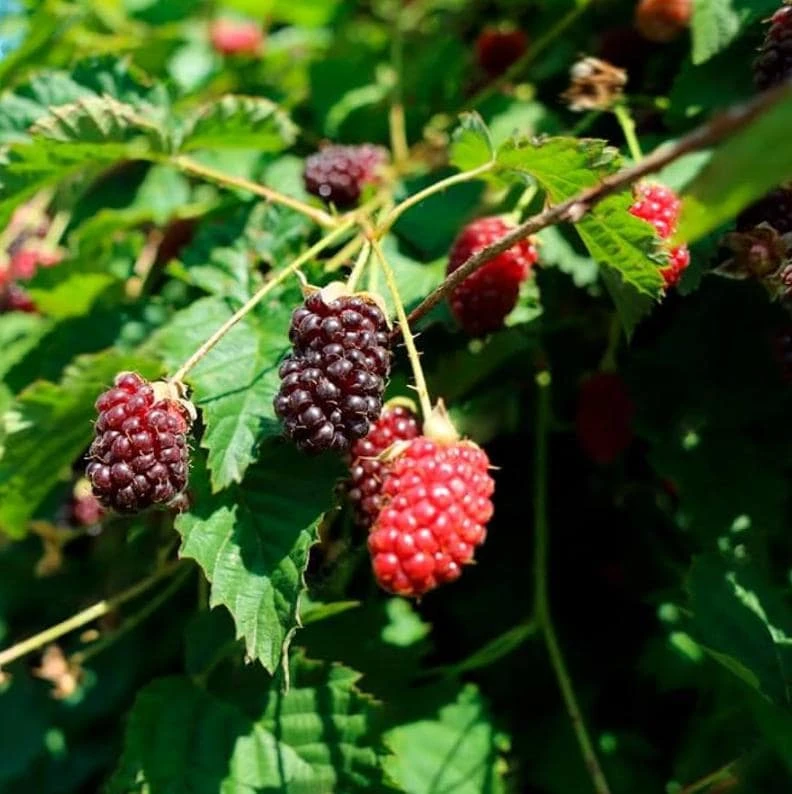
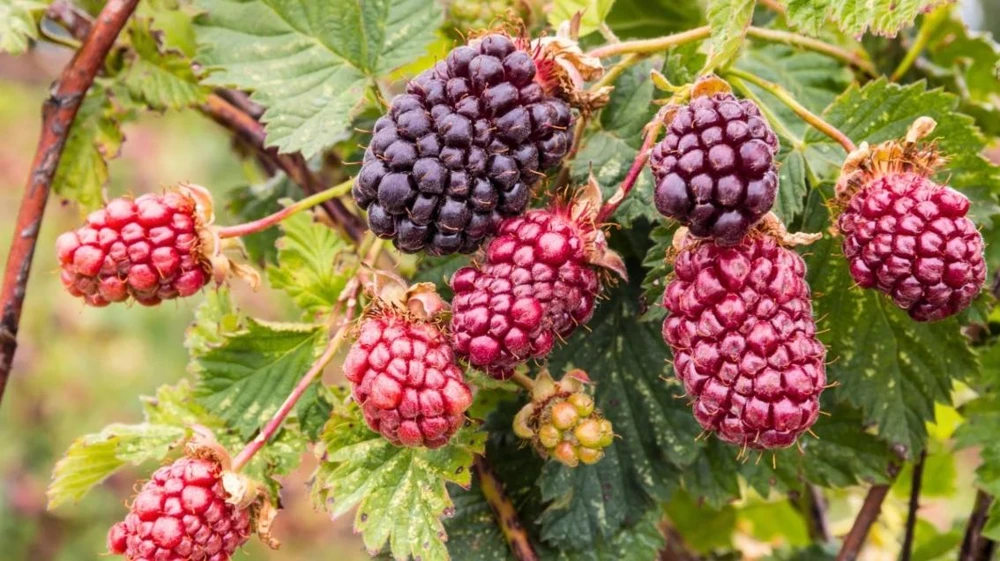
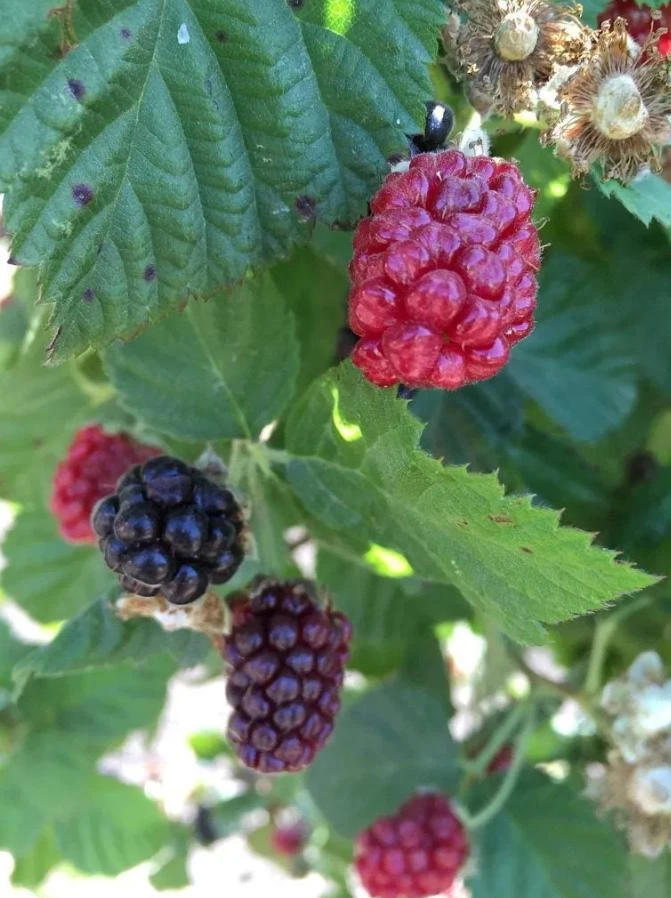
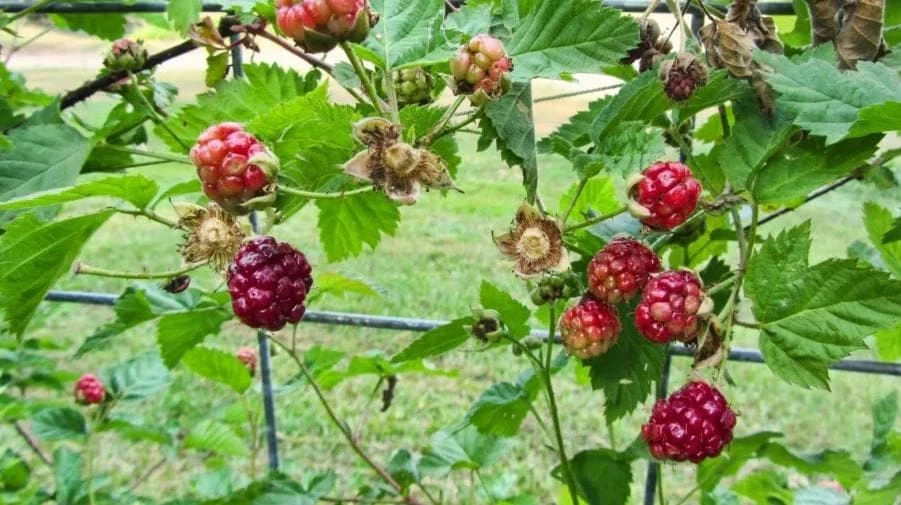
Boysenberry Live Plant – Thorny Fruit Bearing Vine – 3-5″ Tall Starter
Original price was: $31.19.$23.39Current price is: $23.39.
Start your edible garden with a boysenberry live plant. This 3-5″ tall starter vine is a vigorous, thorny fruit-bearing plant, perfect for trellises and backyard cultivation. Enjoy potential seasonal berry production with proper care.
Shipping and Return policies:
We stand behind our plants with our Alive & Thrive Guarantee. If you experience any issues within the first 30 days, please email us, and our team will be happy to help. When needed, we’ll send you a one-time replacement free of charge to make sure your garden keeps growing strong.

Reasonable Price
We offer reasonable price

Support 24/7
Contact us 24 hrs a day
100% Money Back
You’ve 30 days to Return
Payment Secure
100% secure payment
Overview
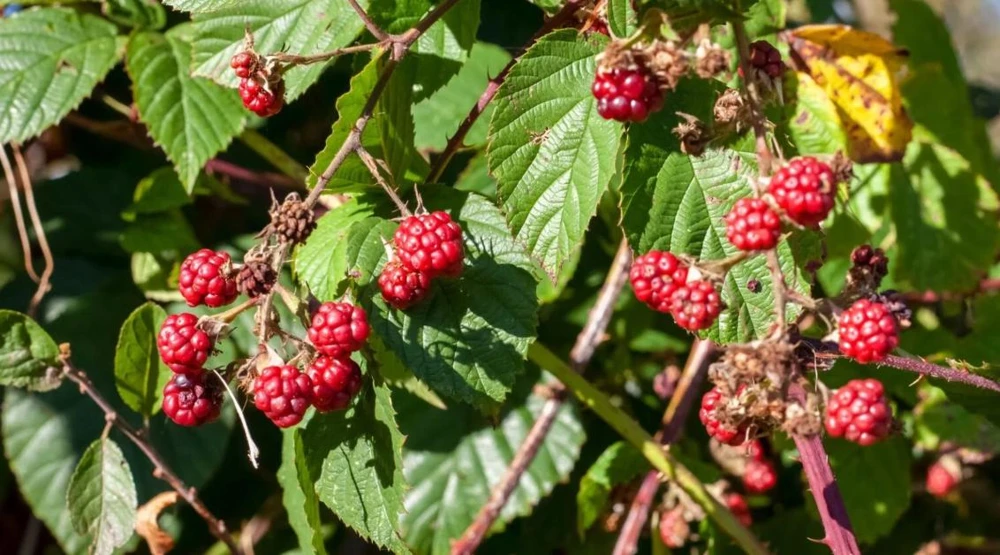
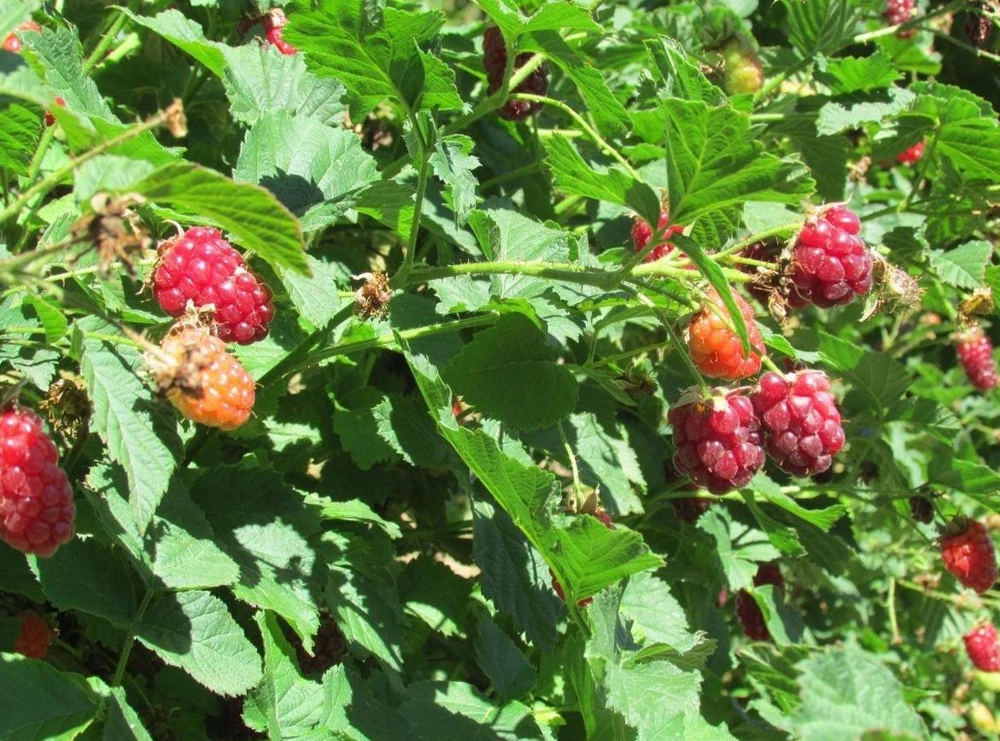
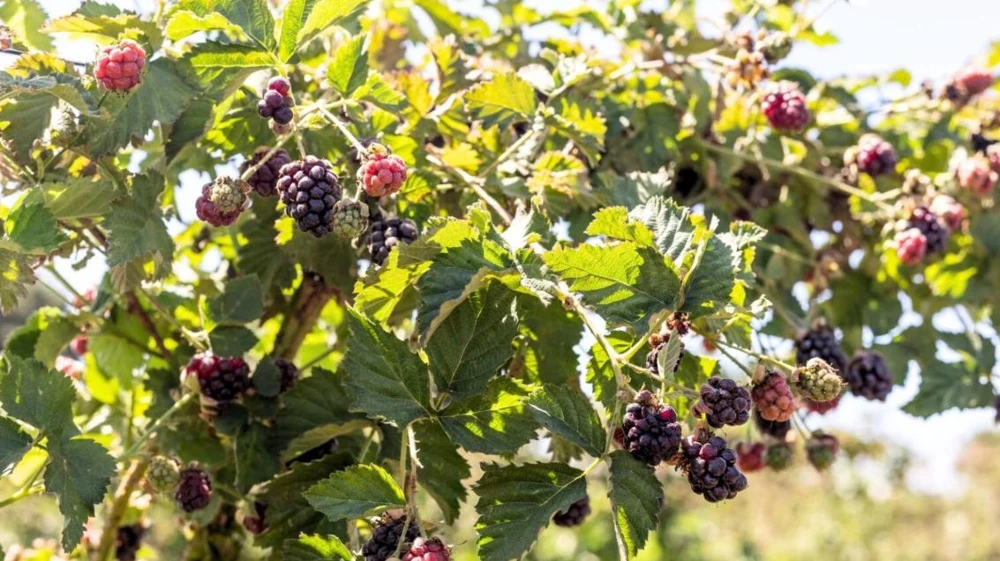
Embark on your edible gardening journey with this vibrant boysenberry live plant. Known for its delicious, juicy berries, the Boysenberry is a hybrid of raspberry, blackberry, and loganberry, offering a unique flavor profile that is both sweet and tart. This young, fruit-bearing vine is perfect for home gardeners eager to cultivate their own fresh produce. Appreciated for its vigorous growth habit and potential for abundant seasonal berry production, the boysenberry vine makes an excellent addition to backyard gardens, trellises, raised beds, or diverse edible landscape collections. Cultivating your own boysenberries provides the satisfaction of homegrown fruit and a continuous supply of fresh berries for jams, pies, and snacking. Our starter plants provide a robust foundation for a thriving berry patch.
The Boysenberry (Rubus ursinus x idaeus) is a deciduous, perennial vine that, with proper care and support, can become a highly productive fruiting plant. As a thorny fruit plant, it requires thoughtful placement and handling but rewards gardeners with a bountiful harvest. These starter plants are specifically chosen for their health and vigor, ensuring you receive a quality foundation for your future berry patch. Whether you’re an experienced gardener or just starting out, growing boysenberry is a rewarding experience that connects you with nature’s delicious offerings. Its adaptability to various growing conditions makes it a popular choice among enthusiasts.
Each boysenberry live plant is carefully cultivated to ensure a healthy start. While they begin as small starter plants, they possess the genetic potential to mature into robust, fruit-producing vines. The journey from a young plant to a mature fruiting specimen is a delightful process, offering the joy of watching your garden flourish and eventually yield its sweet treasures. Prepare to enjoy the rich, dark berries that are a true culinary delight.
Key Benefits
Adding a boysenberry live plant to your garden offers numerous advantages, from delicious fruit to ornamental appeal. These hardy vines are a fantastic investment for any edible landscape.
- Delicious Homegrown Fruit: Enjoy the rich, sweet-tart flavor of fresh boysenberries directly from your garden. Homegrown berries often taste superior to store-bought varieties and are free from unwanted chemicals.
- Vigorous Growth Habit: These vines are known for their strong, rapid growth, quickly establishing themselves and covering trellises or support structures, adding vertical interest to your garden. This vigorous nature means you’ll see substantial progress in establishing your boysenberry live plant.
- Versatile Culinary Uses: Boysenberries are incredibly versatile. Use them in pies, jams, jellies, smoothies, desserts, or simply enjoy them fresh as a healthy snack.
- Attractive Garden Addition: Beyond their fruit, the lush green foliage and potential for white to light pink flowers make boysenberry vines an attractive feature in any garden, especially when trained on an arbor or fence.
- Supports Pollinators: The flowers of the boysenberry plant attract beneficial pollinators like bees, contributing to the overall health and biodiversity of your garden ecosystem.
- Edible Landscape Potential: Integrate this thorny fruit plant into your edible landscape design, combining beauty with productivity. It’s a smart choice for those interested in sustainable living and self-sufficiency.
- Perennial Harvest: As a perennial, your boysenberry vine will return year after year, providing a consistent harvest for many seasons to come with proper care and maintenance.
Plant Care & Growing Tips
Successful growing boysenberry plants requires attention to a few key environmental factors and consistent care. These plants thrive when their specific needs for light, water, and soil are met. Providing adequate support is also crucial for these vining plants.
For optimal growth and fruit production, boysenberry vines require full sun exposure, meaning at least 6-8 hours of direct sunlight per day. Choose a location in your garden that receives ample sun throughout the day. Well-draining soil enriched with organic matter is ideal. A slightly acidic to neutral pH (6.0-7.0) is preferred. If your soil is heavy clay, amend it with compost, peat moss, or sand to improve drainage. Consistent moisture is key, especially during flowering and fruiting periods. Keep the soil evenly moist, but avoid prolonged soggy conditions, which can lead to root rot. Mulching around the base of the plant can help retain soil moisture and suppress weeds.
Boysenberry plants are suitable for USDA hardiness zones 5–9, making them resilient in a wide range of climates. In colder zones, providing winter protection, such as mulching heavily or covering the canes, can be beneficial. Fertilize your boysenberry live plant in early spring with a balanced slow-release fertilizer or a specific berry fertilizer. Support structures like trellises, fences, or arbors are essential for boysenberry vines. Training the canes on these structures not only keeps the plant tidy but also improves air circulation and fruit access. Pruning is vital for maintaining plant health and maximizing fruit yield. Remove old, spent canes after fruiting, and thin out weaker new canes to encourage strong, productive growth. Regular inspection for pests and diseases, and prompt treatment if necessary, will ensure a healthy and productive plant.
Size & Details
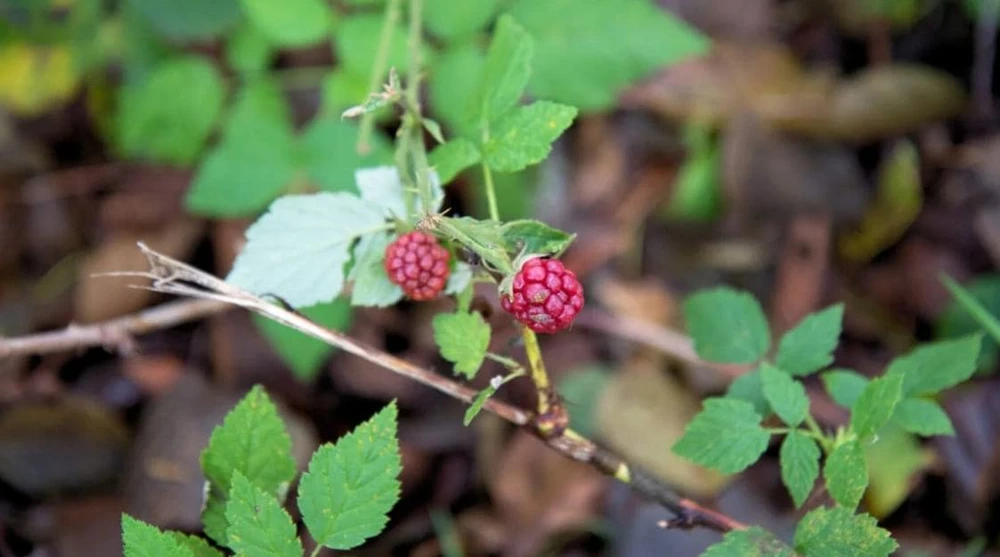
Each order includes a healthy boysenberry live plant, approximately 3-5 inches tall at the time of shipping. These are young starter plants, carefully grown in 4-inch pots prior to being prepared for transit. Please note that plants ship without their pots to reduce weight and ensure safe delivery. Upon arrival, your plant will be a small, but vigorous, edible berry plant ready for transplanting into your garden or a larger container. These vines have a moderate to fast growth rate and can mature into productive berry vines under suitable growing conditions.
While these are starter plants, they possess the potential to produce delicious boysenberries when mature and properly established. The exact height can vary slightly depending on the batch and growing conditions. Expect the plant to establish roots and begin producing new growth shortly after planting. With consistent care, you can anticipate your first harvest of berries within 1-2 years. The mature size of a boysenberry vine can be quite substantial, often reaching several feet in length, especially when supported on a trellis or fence.
Frequently Asked Questions
- Q: How big does this boysenberry live plant get? A: This is a starter plant, approximately 3-5 inches tall upon arrival. With proper care, it can grow into a vigorous vine, several feet long, especially when given a support structure like a trellis.
- Q: Is this an indoor or outdoor plant? A: Boysenberry plants are primarily outdoor plants, best suited for garden beds, raised beds, or large outdoor containers where they can receive full sun. They are cold-hardy in USDA zones 5-9.
- Q: How much sunlight does a boysenberry vine need? A: For optimal growth and fruit production, your boysenberry live plant requires a location that receives at least 6-8 hours of direct sunlight per day (full sun).
- Q: What condition will the plant arrive in? A: Plants are carefully packaged to minimize transit stress. Being young starter plants, minor leaf blemishes, temporary drooping, or slight cane movement may occur, which is normal. They ship without a pot.
- Q: Is this thorny fruit plant easy to care for? A: While not entirely hands-off, boysenberry plants are relatively easy to care for once established. They require consistent watering, full sun, well-draining soil, and annual pruning.
- Q: How long until it produces fruit? A: As a young starter plant, it typically takes 1-2 years for the boysenberry vine to mature and begin producing a significant harvest of berries, depending on growing conditions and care.
- Q: Will it survive winter in my zone? A: Boysenberry plants are hardy in USDA zones 5-9. In colder zones (5-6), some winter protection like mulching or covering the canes may be beneficial to ensure survival and productivity.
- Q: What kind of soil is best for growing boysenberry? A: Boysenberries prefer well-draining soil that is rich in organic matter. A slightly acidic to neutral pH (6.0-7.0) is ideal for healthy growth and fruit production.
- Q: What is the best way to support a boysenberry vine? A: Trellises, fences, or arbors are excellent support structures. Training the canes on these supports helps manage growth, improves air circulation, and makes harvesting easier.
- Q: Can I grow this edible berry plant in a container? A: Yes, you can grow boysenberry in a large container (at least 15-20 gallons) provided it has good drainage and the plant receives adequate sunlight and water. Ensure you provide a sturdy trellis within the pot.
Be the first to review “Boysenberry Live Plant – Thorny Fruit Bearing Vine – 3-5″ Tall Starter”
You must be logged in to post a review.
People also Viewed
Sold 50 products
$32.38
Sold 50 products
$27.38
Sold 50 products
$32.38
Sold 50 products
$19.88
Sold 50 products
$62.38
Sold 50 products
$24.88
Houseplants
Phalaenopsis pulcherrima ‘Mauna Kea Snow’ Orchid Live Plant – White Flowers, Potted 2.5 in
Sold 50 products
$49.88
Sold 50 products
$49.88RELATED posts
Awapuhi Wild Ginger Plant: Zones, Care, and Propagation
Learn which USDA zones suit awapuhi wild ginger, plus sunlight, water, planting, propagation, pests, size, [...]
Awapuhi Shampoo Ginger – Care, Growing Zones, and Differences
Learn how to grow awapuhi (shampoo) ginger, its USDA zones, watering schedule, propagation tips, and [...]
Awapuhi Shampoo Plant Buying Guide – Choose the Right Zingiber zerumbet
META: Learn which awapuhi (shampoo ginger) plant or rhizome pack gives the best natural shampoo, [...]
Awapuhi Plant for Sale: Complete Buying Guide
Find the right awapuhi (shampoo ginger) plant, size, price, soil mix, and online source. Practical [...]
Shampoo Ginger Plant for Sale – Buying Guide & Tips
Find the right shampoo ginger plant, size, price, and care tips. Quick guide for U.S. [...]
Shampoo Ginger Plant (Awapuhi) Care Guide
Learn how to grow, care for, and use shampoo ginger (Zingiber zerumbet), the tropical awapuhi [...]
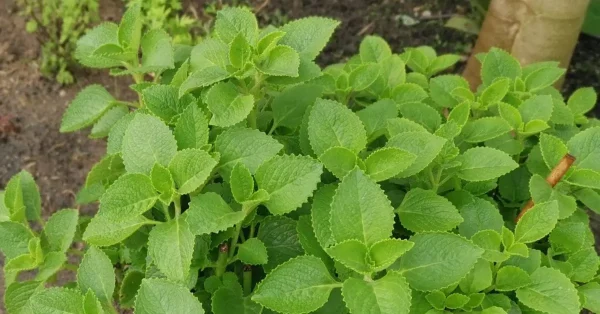
How to Grow Cuban Oregano Plants: A Complete Care Guide
If you’ve ever wanted a plant that combines the culinary punch of traditional oregano with [...]
Aug
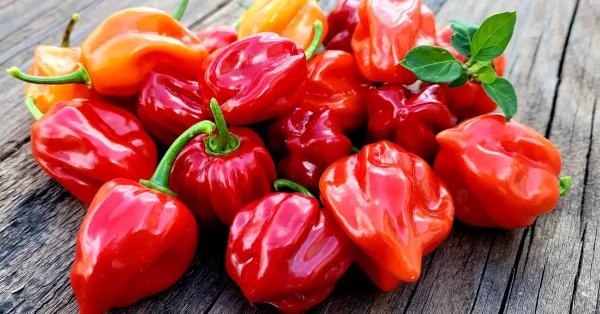
How to Grow Habanero Pepper Plants: A Step-by-Step Guide
Habanero pepper plants are prized for their vibrant colors, intense heat, and exceptional flavor, making [...]
Aug


Reviews
There are no reviews yet.