
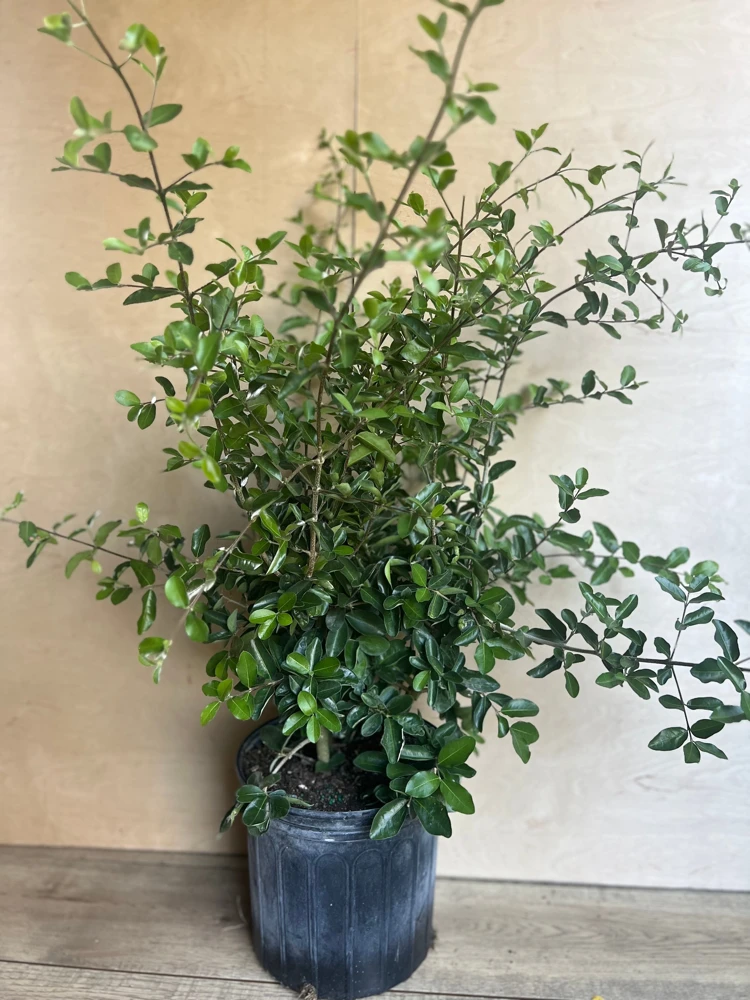
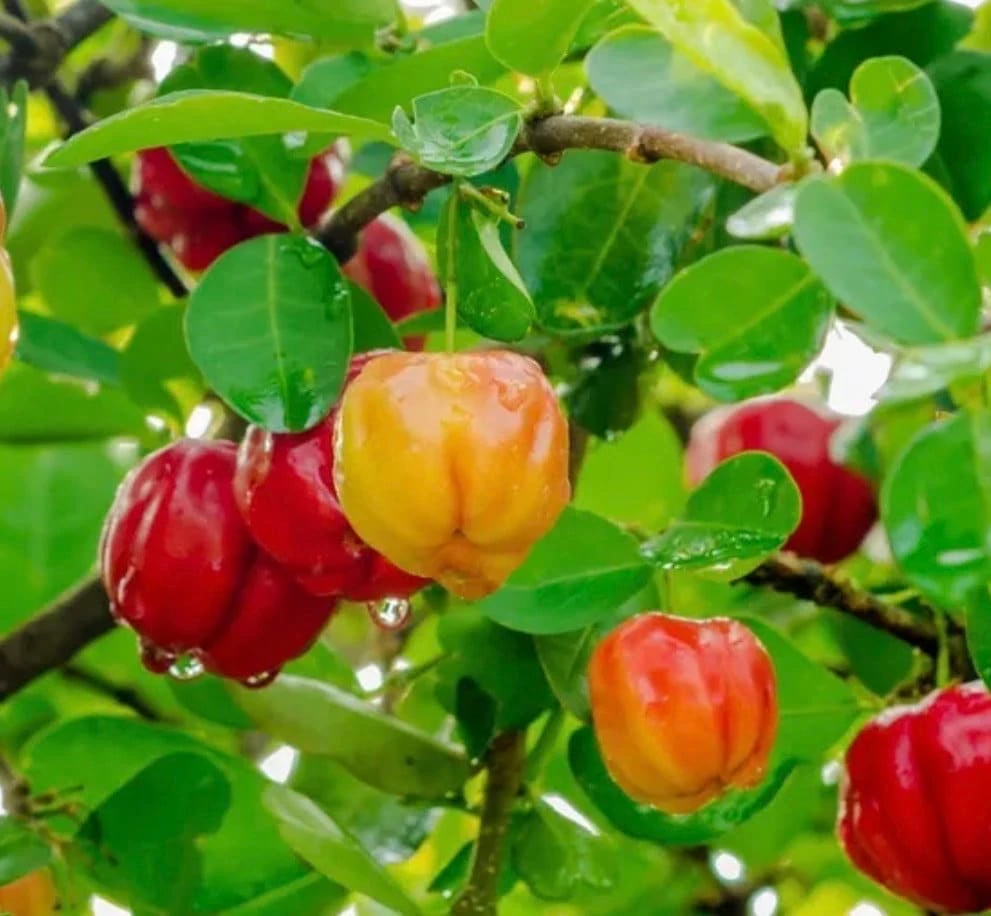
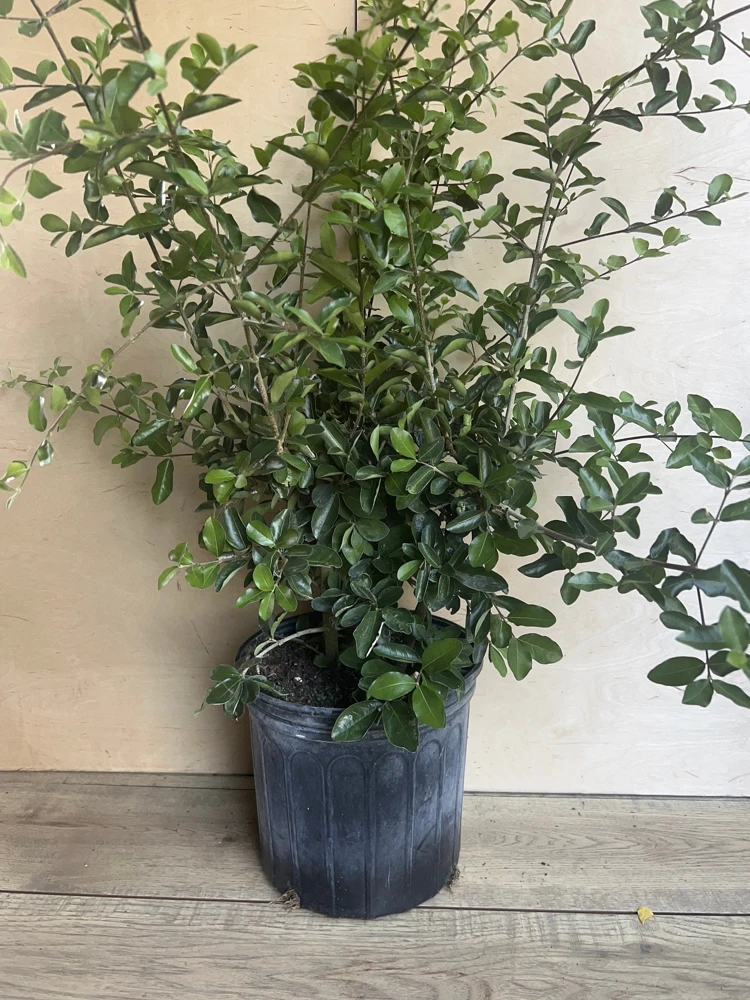
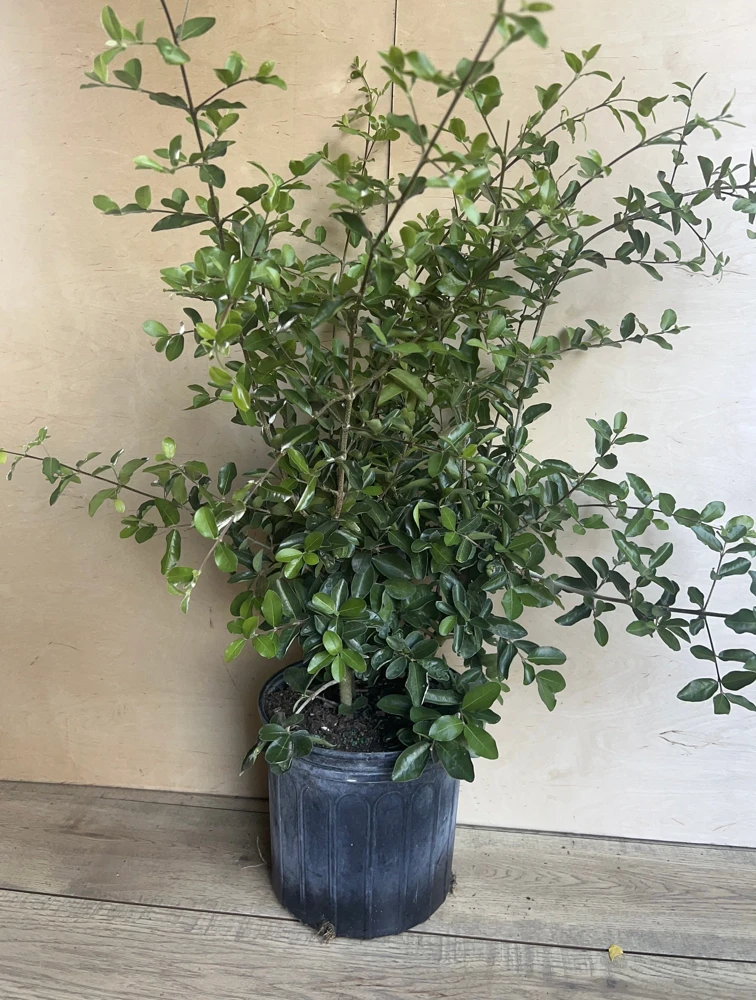
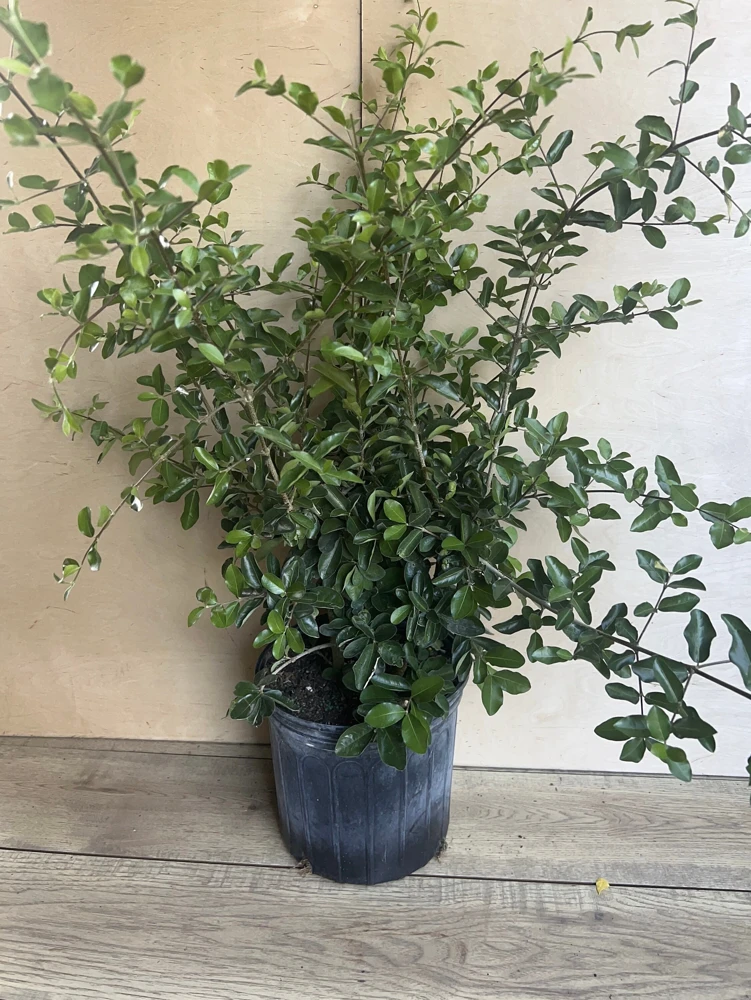
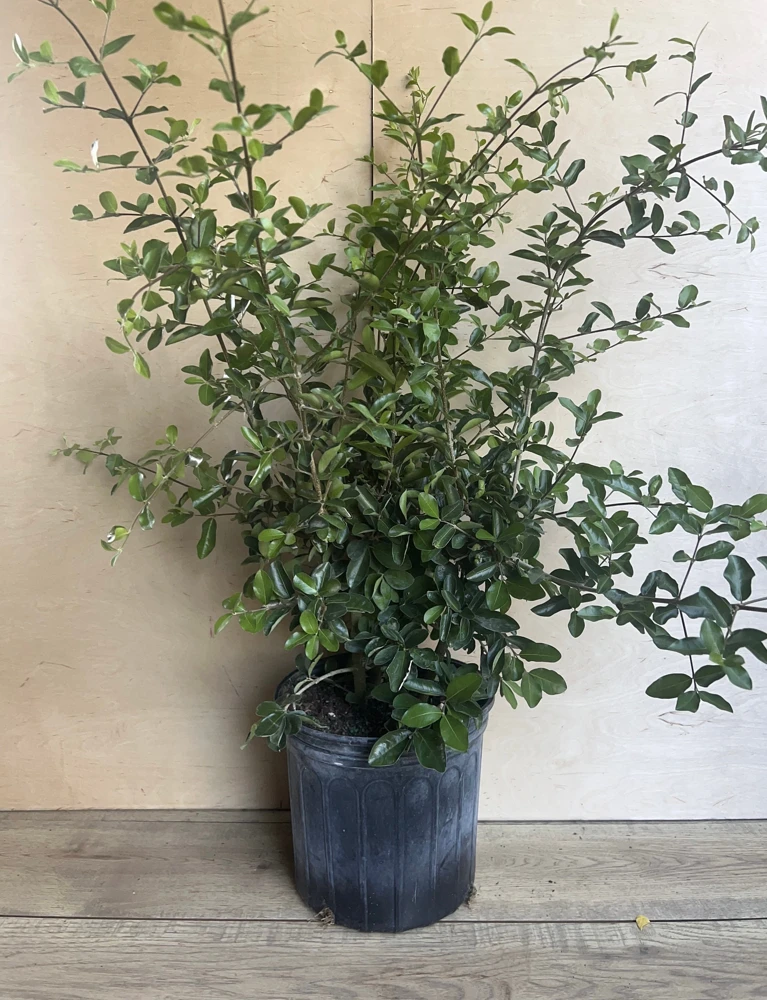
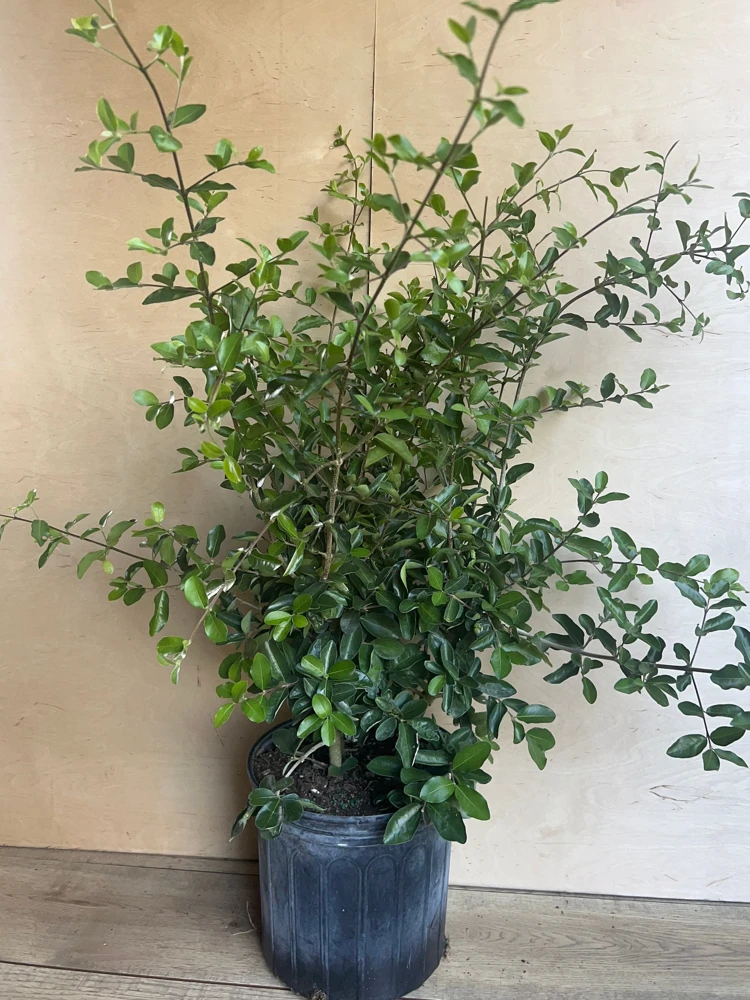
Acerola Cherry Live Plant (Barbados Cherry) in 10″ Pot – Fruit Tree – Cannot ship to CA
Original price was: $216.29.$132.33Current price is: $132.33.
Bring the tropical delight of a acerola cherry live plant into your home or garden. This barbados cherry tree produces vibrant, vitamin C-rich fruits with a delicious sweet-tart flavor. Shipped as a healthy specimen in a 10-inch pot, ready to thrive.
Shipping and Return policies:
We stand behind our plants with our Alive & Thrive Guarantee. If you experience any issues within the first 30 days, please email us, and our team will be happy to help. When needed, we’ll send you a one-time replacement free of charge to make sure your garden keeps growing strong.

Reasonable Price
We offer reasonable price

Support 24/7
Contact us 24 hrs a day
100% Money Back
You’ve 30 days to Return
Payment Secure
100% secure payment
Overview
Cultivate your own superfruit with this vibrant acerola cherry live plant, also widely known as the barbados cherry tree. This delightful small tree or bushy shrub (Malpighia emarginata, also referred to as Malpighia glabra or Malpighia punicifolia) is celebrated for its glossy green foliage and its prolific production of vivid crimson, cherry-like fruits. While cherry malpighia trees are often associated with warm climates, they are a truly rewarding addition for any enthusiast looking to grow unique fruit at home. The soft, succulent, and juicy acerola fruit offers an exquisite sweet-tart flavor profile, making it a culinary gem. Notably, this fruit is extraordinarily rich in vitamin C, capable of fulfilling daily requirements with ease. Growing a acerola cherry live plant allows you to enjoy fresh, delicate fruits that are rarely found in supermarkets due to their fragile nature.
Key Benefits
Beyond its ornamental appeal, the acerola cherry live plant offers a multitude of benefits, making it an excellent choice for both experienced gardeners and those new to growing fruit-bearing plants. Its unique characteristics provide both aesthetic pleasure and nutritional value.
- Nutritional Powerhouse: The acerola fruit is renowned for its incredibly high vitamin C content, often surpassing oranges. Growing your own ensures a fresh, potent source of this essential vitamin directly from your barbados cherry tree.
- Delicious & Versatile Fruit: Enjoy the sweet-tart flavor of fresh acerola cherries. They are perfect for eating fresh, or can be used to make refreshing juices, jams, and jellies, offering a unique culinary experience.
- Attractive Ornamental Shrub: With its glossy green leaves and bright red fruits, the acerola cherry live plant adds a tropical touch and visual interest to any garden or patio space, even when not fruiting.
- Easy to Grow: This resilient plant is relatively low-maintenance once established, tolerating a range of conditions and providing abundant harvests with proper care. It’s a great option for gardeners seeking a rewarding fruit-bearing shrub.
- Freshness Guaranteed: Since acerola fruits bruise easily and are perishable, growing your own malpighia emarginata plant means you can enjoy them at peak freshness, a luxury not often available through commercial markets.
- Pollinator Friendly: The small flowers produced by the west indian cherry attract beneficial pollinators, contributing to the biodiversity of your garden environment.
Plant Care & Growing Tips
Caring for your acerola cherry live plant is straightforward, ensuring you’ll enjoy its beautiful foliage and delicious fruit for years to come. This resilient plant thrives in conditions that mimic its native tropical environment, but can adapt to various settings with proper attention. The primary considerations are sunlight, water, and soil.
For optimal growth and fruit production, your barbados cherry tree prefers full sun, meaning at least 6-8 hours of direct sunlight per day. While it can tolerate partial shade, fruit yield may be reduced. When it comes to watering, consistent moisture is crucial during its first few years of establishment. Once mature, it becomes more drought-tolerant, requiring occasional watering during dry periods. Always allow the top inch or two of soil to dry out between waterings to prevent root rot. The ideal soil for a malpighia emarginata plant is a well-draining loam with a slightly alkaline pH. Good drainage is paramount to prevent waterlogging, which can be detrimental to the plant’s health. Fertilize during the growing season with a balanced, slow-release fertilizer designed for fruiting plants to encourage vigorous growth and abundant harvests. Monitor for common pests like aphids and treat with organic insecticidal soap if necessary. Protect your west indian cherry from frost if you live in a colder climate by bringing it indoors or providing adequate cover.
Size & Details
This acerola cherry live plant is delivered in a 10-inch nursery pot, providing a well-established root system ready for transplanting or continued growth in its container. The plant you receive will be similar in size and vigor to the pictures, ensuring a healthy start for your tropical fruit adventure. Typically, these plants can grow into a small tree or a bushy shrub, reaching heights of 6-12 feet in optimal conditions, though they can be pruned to maintain a smaller, more manageable size for container growing. You can expect fruits to develop rapidly, with a harvest period of approximately 22-25 days from the end of flowering to fruit maturation, allowing for multiple harvests throughout the growing season in warm climates. This makes it a highly rewarding plant for those eager to see quick results from their gardening efforts.
Frequently Asked Questions
- Q: How big does this acerola cherry live plant get? A: In ideal conditions, the acerola cherry live plant can grow into a small tree or bushy shrub, reaching heights of 6-12 feet. It can also be maintained at a smaller size through regular pruning, making it suitable for larger containers.
- Q: What size pot does it come in? A: Your barbados cherry tree will arrive in a 10-inch nursery pot, providing ample space for its initial growth and establishment.
- Q: Is this an indoor or outdoor plant? A: The malpighia emarginata plant thrives outdoors in warm, tropical climates (USDA Zones 9-11). In colder regions, it can be grown in a container and brought indoors during winter, or cultivated as an indoor plant with sufficient light.
- Q: How much sunlight does it need? A: This plant prefers full sun, meaning at least 6-8 hours of direct sunlight daily, for best fruit production. It can tolerate partial shade, but fruiting may be less abundant.
- Q: Is this plant easy to care for? A: Yes, the west indian cherry is considered relatively easy to care for once established. It requires consistent watering during its early years and good drainage, but is otherwise quite resilient.
- Q: What condition will it arrive in? A: You will receive a healthy, well-rooted acerola cherry live plant in a 10-inch pot, similar to the product images, carefully packaged to ensure its safe arrival.
- Q: How long until it blooms and fruits? A: Acerola plants can begin flowering and fruiting relatively quickly, often within 1-2 years from planting. Fruits mature rapidly, typically 22-25 days after flowering.
- Q: What’s the best soil for a Barbados cherry tree? A: A well-draining loam soil with a slightly alkaline pH is ideal for the barbados cherry tree. Ensure excellent drainage to prevent root issues.
- Q: Can I use the fruit to make juice or jam? A: Absolutely! The sweet-tart fruit from your acerola cherry live plant is perfect for making fresh juice, delicious jams, jellies, and other culinary creations.
- Q: Will it survive winter in my zone? A: The acerola cherry is sensitive to frost. If you are in USDA Zones below 9, it’s recommended to grow it in a pot and bring it indoors or provide winter protection.
Be the first to review “Acerola Cherry Live Plant (Barbados Cherry) in 10″ Pot – Fruit Tree – Cannot ship to CA”
You must be logged in to post a review.
People also Viewed
Sold 50 products
$32.38
Sold 50 products
$27.38
Sold 50 products
$32.38
Sold 50 products
$19.88
Sold 50 products
$62.38
Sold 50 products
$24.88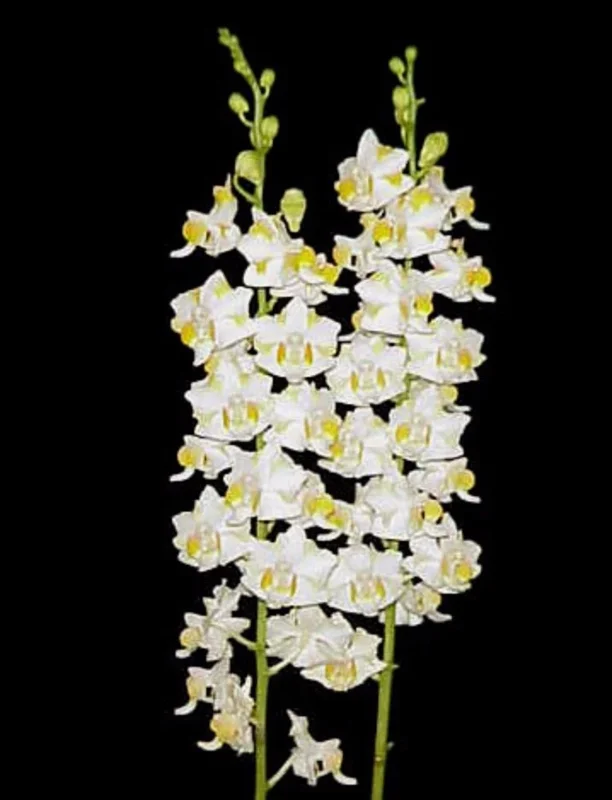
Houseplants
Phalaenopsis pulcherrima ‘Mauna Kea Snow’ Orchid Live Plant – White Flowers, Potted 2.5 in
Sold 50 products
$49.88
Sold 50 products
$49.88RELATED posts
Awapuhi Wild Ginger Plant: Zones, Care, and Propagation
Learn which USDA zones suit awapuhi wild ginger, plus sunlight, water, planting, propagation, pests, size, [...]
Awapuhi Shampoo Ginger – Care, Growing Zones, and Differences
Learn how to grow awapuhi (shampoo) ginger, its USDA zones, watering schedule, propagation tips, and [...]
Awapuhi Shampoo Plant Buying Guide – Choose the Right Zingiber zerumbet
META: Learn which awapuhi (shampoo ginger) plant or rhizome pack gives the best natural shampoo, [...]
Awapuhi Plant for Sale: Complete Buying Guide
Find the right awapuhi (shampoo ginger) plant, size, price, soil mix, and online source. Practical [...]
Shampoo Ginger Plant for Sale – Buying Guide & Tips
Find the right shampoo ginger plant, size, price, and care tips. Quick guide for U.S. [...]
Shampoo Ginger Plant (Awapuhi) Care Guide
Learn how to grow, care for, and use shampoo ginger (Zingiber zerumbet), the tropical awapuhi [...]
How to Grow Cuban Oregano Plants: A Complete Care Guide
If you’ve ever wanted a plant that combines the culinary punch of traditional oregano with [...]
Aug
How to Grow Habanero Pepper Plants: A Step-by-Step Guide
Habanero pepper plants are prized for their vibrant colors, intense heat, and exceptional flavor, making [...]
Aug
Reviews
There are no reviews yet.