
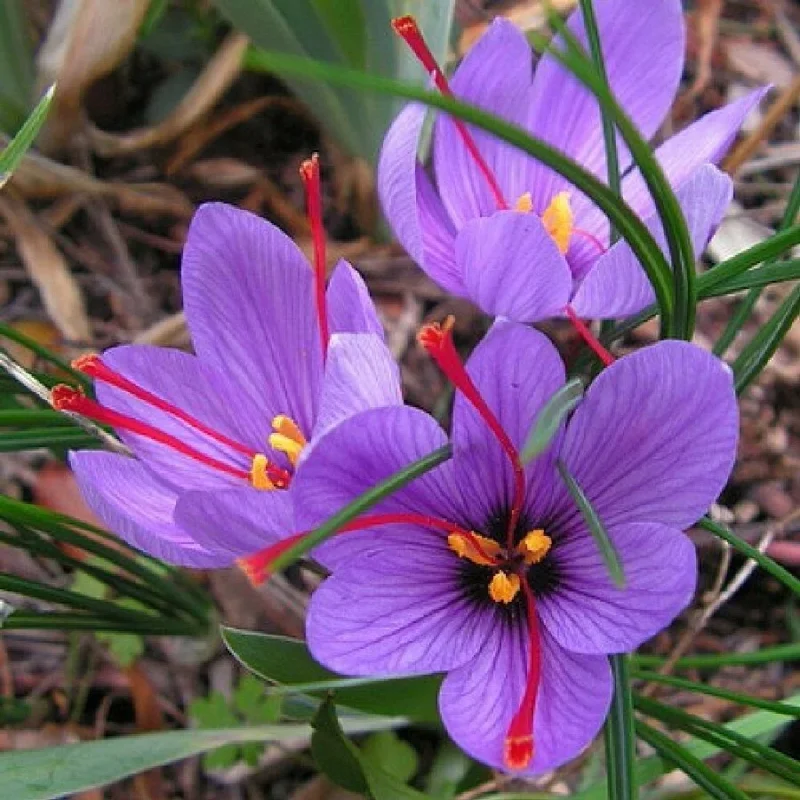
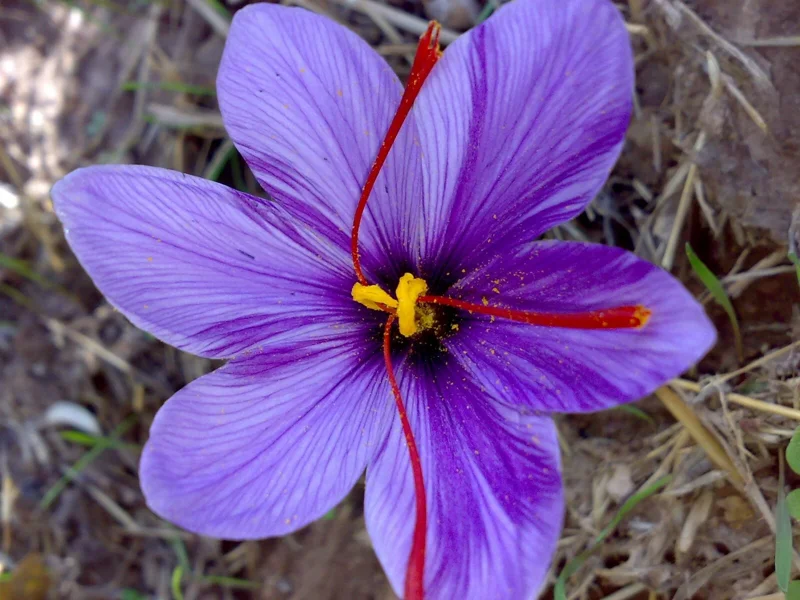
Saffron Crocus Seeds – 25+ Pack – Fresh Harvest Herb Seeds for Indoor/Outdoor
$9.38
Cultivate your own precious spice with our high-quality saffron crocus seeds. This pack contains 25+ fresh harvest seeds, perfect for growing vibrant saffron crocus bulbs both indoors and outdoors. Enjoy the unique flavor and beautiful blooms.
Shipping and Return policies:
We stand behind our plants with our Alive & Thrive Guarantee. If you experience any issues within the first 30 days, please email us, and our team will be happy to help. When needed, we’ll send you a one-time replacement free of charge to make sure your garden keeps growing strong.

Reasonable Price
We offer reasonable price

Support 24/7
Contact us 24 hrs a day
100% Money Back
You’ve 30 days to Return
Payment Secure
100% secure payment
Overview
Embark on the rewarding journey of cultivating your own gourmet spice with our premium saffron crocus seeds. This exceptional pack provides you with 25+ fresh harvest seeds, ensuring a strong start for your gardening project. Saffron, derived from the flower of Crocus sativus, is renowned as the world’s most expensive spice, celebrated for its distinct flavor, vibrant color, and numerous health benefits. While often referred to as seeds, what is typically planted to grow saffron are actually corms or bulbs. However, this listing refers to the reproductive parts used to start new plants, which are commonly called seeds in marketplace contexts. These rare herb seeds offer a unique opportunity to grow saffron at home, transforming your garden or indoor space into a source of this luxurious ingredient. Each seed promises the potential for beautiful purple flowers that yield the coveted red stigmas, ready for harvesting and drying.
Our saffron crocus seeds are of Grade A quality, meticulously selected to provide you with the best possible chance of successful cultivation. They are suitable for both indoor and outdoor planting, making them versatile for various climates and gardening setups across the USA. Whether you’re an experienced gardener or a curious beginner, learning to grow saffron at home can be a delightful and enriching experience. With proper care, you’ll soon be able to enjoy the unparalleled taste and aroma of fresh, homegrown saffron in your culinary creations.
Key Benefits
Growing your own saffron offers a multitude of benefits, from culinary delights to the simple joy of nurturing a rare and beautiful plant. Our saffron crocus seeds provide an accessible way to experience these advantages firsthand.
- Gourmet Culinary Ingredient: Harvest your own fresh saffron threads, known for their unique earthy, sweet, and floral notes. Elevate your paellas, risottos, desserts, and teas with the unparalleled flavor and rich color of homegrown saffron.
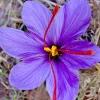
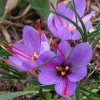
- Beautiful Blooms: Enjoy the delicate beauty of purple crocus flowers that emerge in the fall. These stunning blossoms add an elegant touch to any garden or indoor setting, making them a visual treat.
- Cost-Effective Spice: Saffron is notoriously expensive. By cultivating your own, you can significantly reduce costs while ensuring a fresh, high-quality supply of this valuable spice right from your garden.
- Rewarding Gardening Experience: The process of planting, nurturing, and harvesting saffron offers a deeply satisfying experience for gardeners of all levels. It’s a unique challenge that yields a luxurious reward.
- Medicinal Properties: Saffron has been traditionally used for its potential health benefits, including antioxidant properties and mood-enhancing effects. Enjoy the natural goodness of a plant known for its wellness contributions.
- Versatile Growing: These saffron crocus seeds can be grown both indoors in pots or outdoors in garden beds, providing flexibility depending on your climate and available space.
- Fresh Harvest Assurance: Our seeds are from a fresh 2025 harvest, ensuring optimal viability and germination rates, setting you up for success in your saffron growing endeavors.
Plant Care & Growing Tips
Successfully growing saffron from saffron crocus seeds requires attention to specific environmental conditions, but the process is generally straightforward for those willing to provide the right care. Saffron crocuses thrive in conditions that mimic their Mediterranean origin. For best results, consider the following guidelines for your saffron planting guide.
Sunlight Requirements: Saffron crocuses prefer full sun, meaning at least 6-8 hours of direct sunlight per day. If planting outdoors, choose a south-facing spot in your garden that receives ample light. For indoor cultivation, place pots near a sunny window or supplement with a grow light to ensure sufficient light exposure. While they can tolerate some partial shade, consistent full sun encourages robust growth and more abundant flowering. The more sunlight they receive, the better the yield of saffron threads.
Watering Schedule and Soil Moisture: These plants are fairly drought-tolerant once established but require consistent moisture during their active growing season (fall to spring). Water regularly during this period, ensuring the soil is moist but not waterlogged. Reduce watering significantly during the summer dormancy period when the corms are resting. Good drainage is crucial to prevent rot. A simple way to check is to feel the top inch of soil; if it’s dry, it’s time to water.
Soil Type and Drainage: Saffron crocuses prefer well-draining soil. A sandy loam soil enriched with organic matter is ideal. If your garden soil is heavy clay, amend it with sand and compost to improve drainage. For potted plants, use a high-quality potting mix designed for bulbs or a custom blend of potting soil, perlite, and sand. The pH preference is slightly acidic to neutral, typically between 6.0 and 7.0. Proper drainage is paramount to avoid fungal diseases and corm rot, which can quickly destroy your saffron crocus bulbs.
Temperature Range and USDA Hardiness Zone: Saffron crocuses are hardy in USDA Zones 5-9. They require a cool to cold winter dormancy period to flower effectively. They can tolerate winter temperatures down to -15°F (-26°C) if well-mulched. In warmer climates (Zones 9 and above), they may struggle to produce flowers due to insufficient chill. For indoor growers, ensure they experience a cool period if you wish for them to bloom. They are quite adaptable to temperature fluctuations during their active growth.
Fertilization: Saffron crocuses are not heavy feeders. A balanced slow-release fertilizer applied in early fall when growth begins is usually sufficient. Avoid high-nitrogen fertilizers, which can encourage leafy growth at the expense of flower production. A light application of bone meal or a phosphorus-rich fertilizer can also be beneficial at planting time to promote strong root and corm development. Over-fertilization can harm the corms, so less is often more.
Common Problems and Solutions: The most common issues include corm rot due to overwatering or poor drainage, and pest problems from rodents or slugs. Ensure excellent drainage and avoid excessive watering to prevent rot. For pests, use appropriate organic deterrents or physical barriers. Keep an eye out for fungal diseases, which can often be managed by improving air circulation and reducing humidity. Following a good saffron planting guide will help mitigate many common issues.
Size & Details
This offering includes a pack of 25+ saffron crocus seeds, which are technically corms or small bulbs, ready for planting. Each corm has the potential to produce multiple flowers, yielding the valuable saffron threads. The corms themselves are typically small, ranging from 1 to 2 inches in diameter upon arrival. When mature, the saffron crocus plant generally grows to a height of about 4 to 6 inches, forming attractive clumps. They have a moderate growth rate, with foliage appearing in the fall, followed by blooms in late fall or early winter, and then going dormant in late spring or early summer.
The product ships as a packet of these corms, carefully prepared to ensure their viability upon arrival. Expect the first flowers approximately 6-10 weeks after planting, depending on your growing conditions and climate. These perennial plants will multiply over time, providing an increasing harvest of saffron year after year. The red stigmas, which are the actual saffron spice, are harvested from the red flowers. These rare herb seeds are a fantastic way to establish a long-term source of this exquisite ingredient.
Frequently Asked Questions
- Q: How big does this plant get? A: The saffron crocus seeds, once grown into mature plants, typically reach a height of about 4 to 6 inches. They form attractive, compact clumps, making them suitable for both garden beds and pots.
- Q: What size pot does it come in? A: This product consists of 25+ saffron crocus corms (often referred to as seeds) in a seedpack, not a potted plant. You will need to provide your own pots or plant them directly in the ground.
- Q: Is this an indoor or outdoor plant? A: Saffron crocuses can be grown both indoors and outdoors. They thrive in full sun conditions, so choose a sunny location. For indoor growing, ensure they receive ample light and a cool dormancy period.
- Q: How much sunlight does it need? A: For optimal growth and flowering, saffron crocuses require full sun, meaning at least 6 to 8 hours of direct sunlight daily. This is crucial for successful saffron production.
- Q: Is this plant easy to care for? A: These plants are considered relatively easy to care for, especially if you follow a good saffron planting guide. The main requirements are well-draining soil and plenty of sunlight. They are quite hardy once established.
- Q: What condition will it arrive in? A: Your saffron crocus seeds (corms) will arrive as fresh harvest, high-quality corms in a protective seedpack, ready for planting. We ensure they are packaged securely for transit.
- Q: Can I use saffron in cooking? A: Absolutely! The red stigmas produced by the saffron crocus flowers are the highly prized saffron spice. You can harvest and dry them to use in a wide variety of culinary dishes, from savory to sweet.
- Q: How long until it blooms? A: You can expect the saffron crocus flowers to bloom approximately 6 to 10 weeks after planting, typically in late fall or early winter, depending on your local climate and planting time.
- Q: When is the best time to plant? A: The ideal time to plant saffron crocus bulbs is in late summer or early fall. This allows them to establish roots before winter and ensures they are ready to bloom in their natural season.
- Q: Will it survive winter in my zone? A: Saffron crocuses are hardy in USDA Zones 5-9. In colder zones (below 5), they may need extra winter protection or should be grown indoors. In warmer zones (above 9), they might not get enough chill to flower.
- Q: What’s the minimum temperature? A: Saffron crocuses can tolerate winter temperatures down to approximately -15°F (-26°C) when planted outdoors and properly mulched. They require a cold dormancy period for optimal flowering.
Be the first to review “Saffron Crocus Seeds – 25+ Pack – Fresh Harvest Herb Seeds for Indoor/Outdoor”
You must be logged in to post a review.
People also Viewed
Sold 50 products
$32.38
Sold 50 products
$27.38
Sold 50 products
$32.38
Sold 50 products
$19.88
Sold 50 products
$62.38
Sold 50 products
$24.88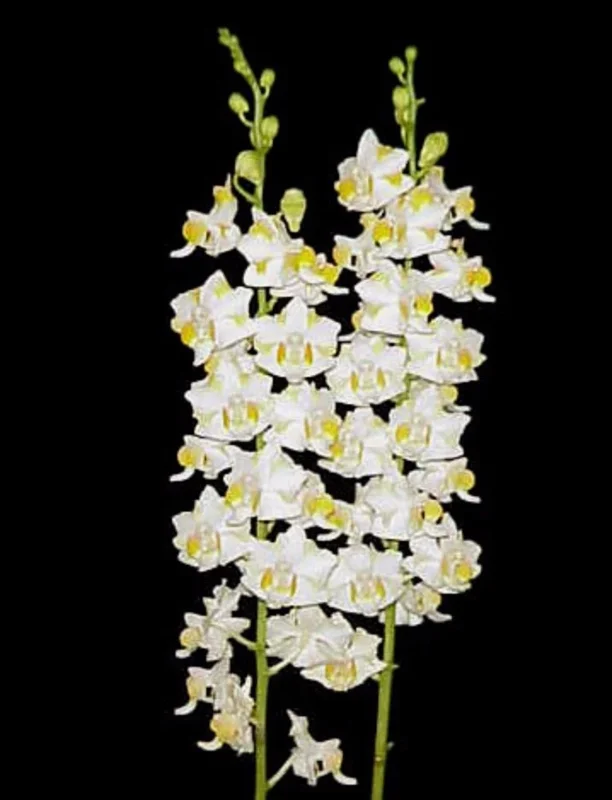
Houseplants
Phalaenopsis pulcherrima ‘Mauna Kea Snow’ Orchid Live Plant – White Flowers, Potted 2.5 in
Sold 50 products
$49.88
Sold 50 products
$49.88RELATED posts
Awapuhi Wild Ginger Plant: Zones, Care, and Propagation
Learn which USDA zones suit awapuhi wild ginger, plus sunlight, water, planting, propagation, pests, size, [...]
Awapuhi Shampoo Ginger – Care, Growing Zones, and Differences
Learn how to grow awapuhi (shampoo) ginger, its USDA zones, watering schedule, propagation tips, and [...]
Awapuhi Shampoo Plant Buying Guide – Choose the Right Zingiber zerumbet
META: Learn which awapuhi (shampoo ginger) plant or rhizome pack gives the best natural shampoo, [...]
Awapuhi Plant for Sale: Complete Buying Guide
Find the right awapuhi (shampoo ginger) plant, size, price, soil mix, and online source. Practical [...]
Shampoo Ginger Plant for Sale – Buying Guide & Tips
Find the right shampoo ginger plant, size, price, and care tips. Quick guide for U.S. [...]
Shampoo Ginger Plant (Awapuhi) Care Guide
Learn how to grow, care for, and use shampoo ginger (Zingiber zerumbet), the tropical awapuhi [...]
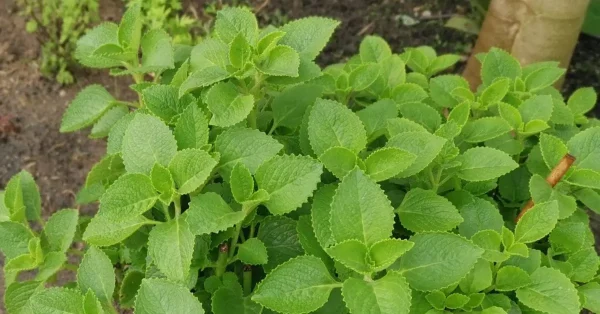
How to Grow Cuban Oregano Plants: A Complete Care Guide
If you’ve ever wanted a plant that combines the culinary punch of traditional oregano with [...]
Aug
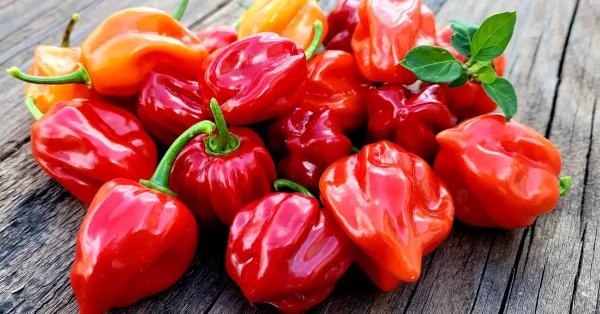
How to Grow Habanero Pepper Plants: A Step-by-Step Guide
Habanero pepper plants are prized for their vibrant colors, intense heat, and exceptional flavor, making [...]
Aug
Reviews
There are no reviews yet.