
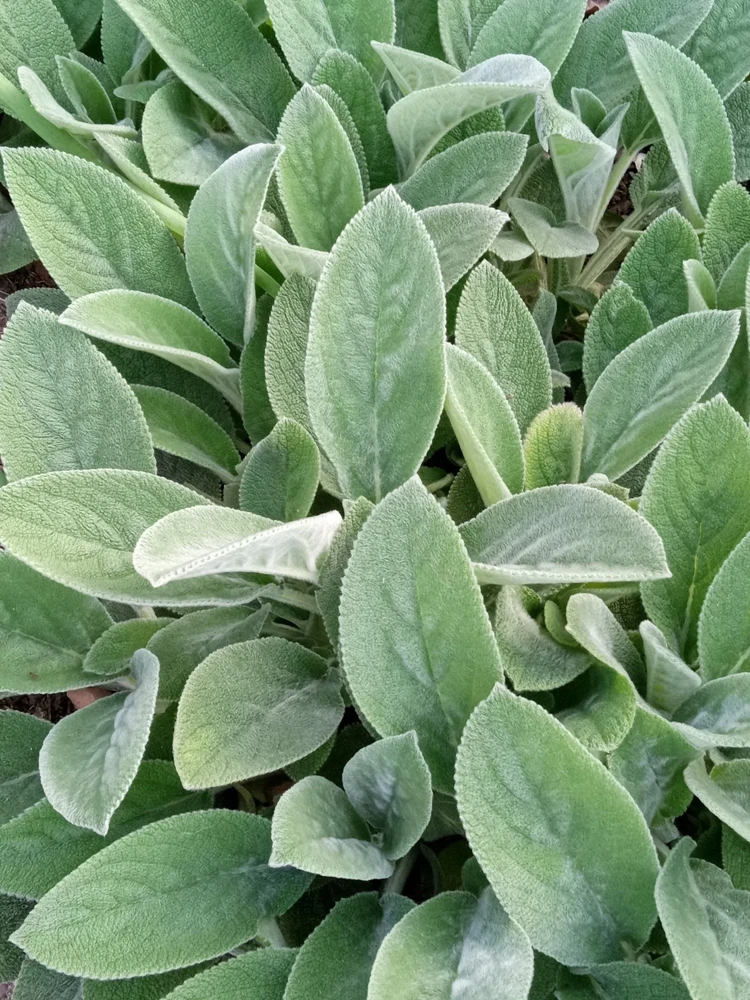
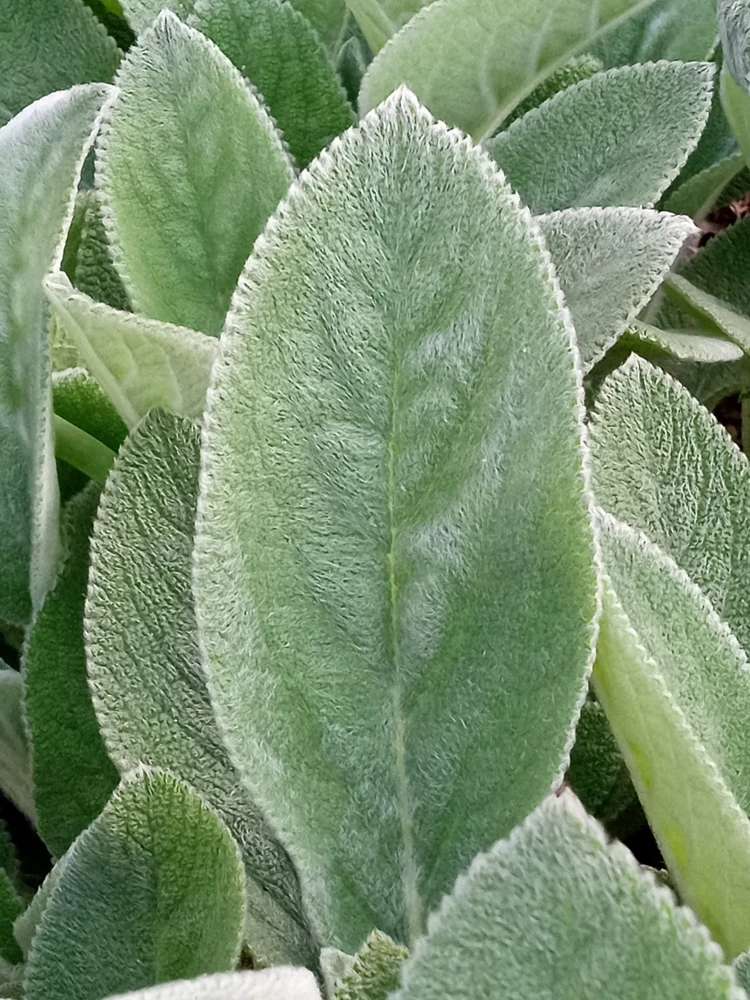
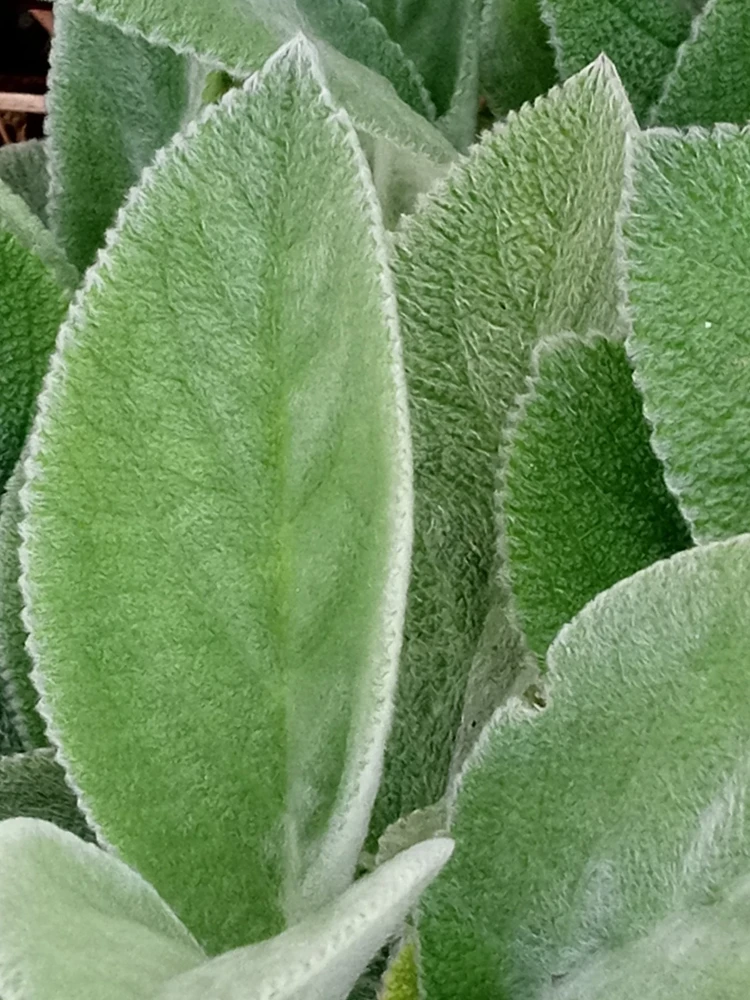
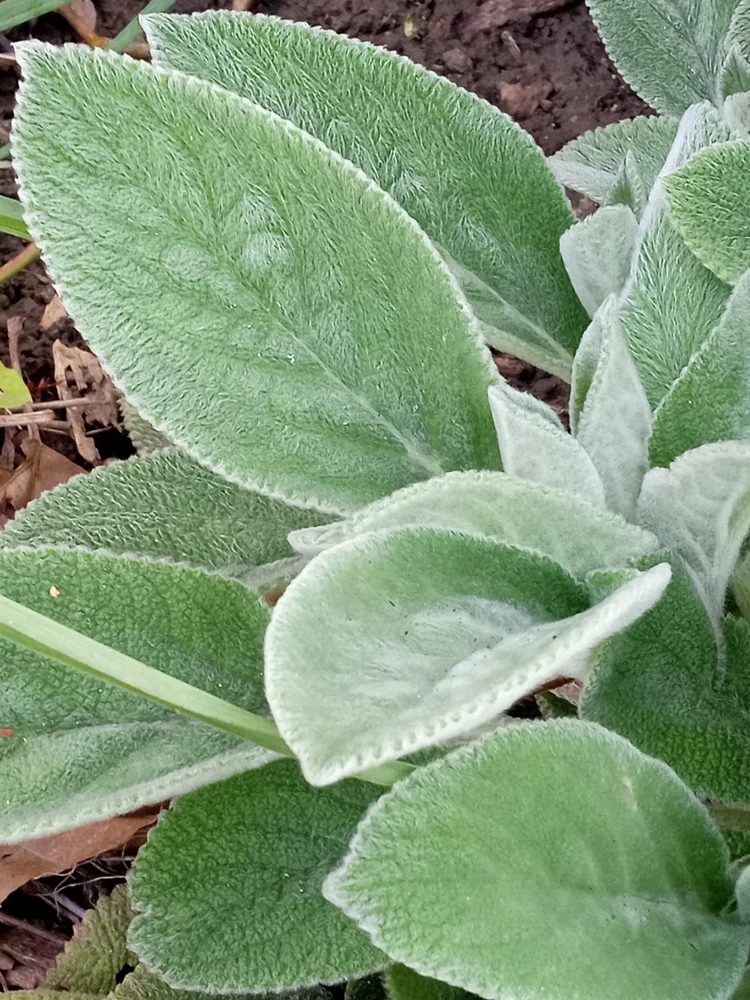
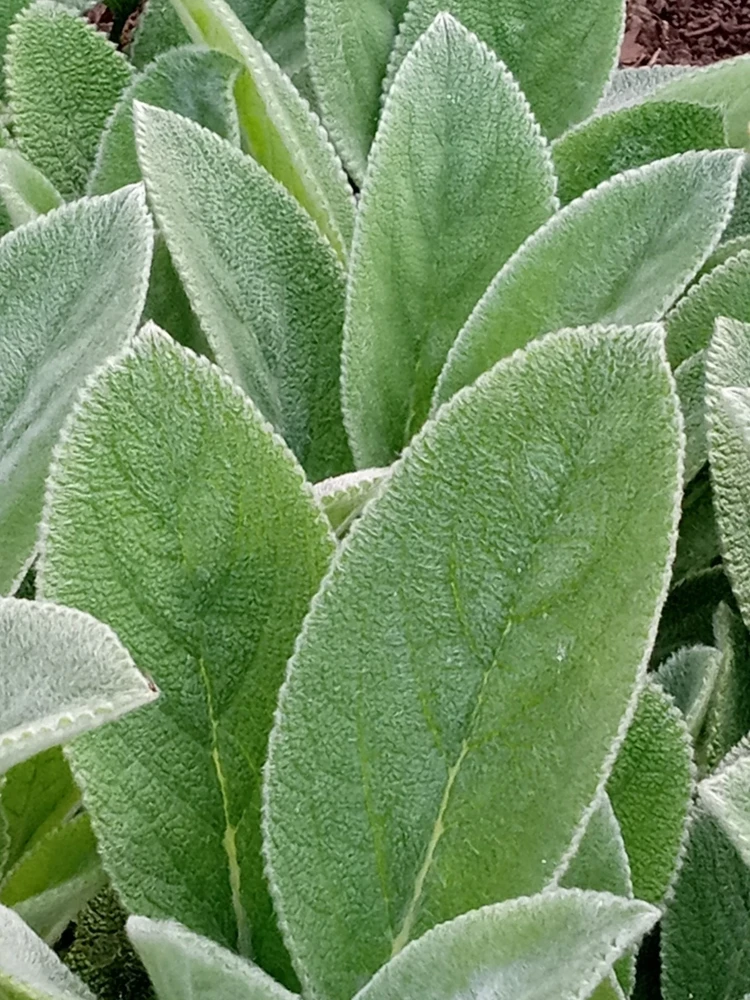
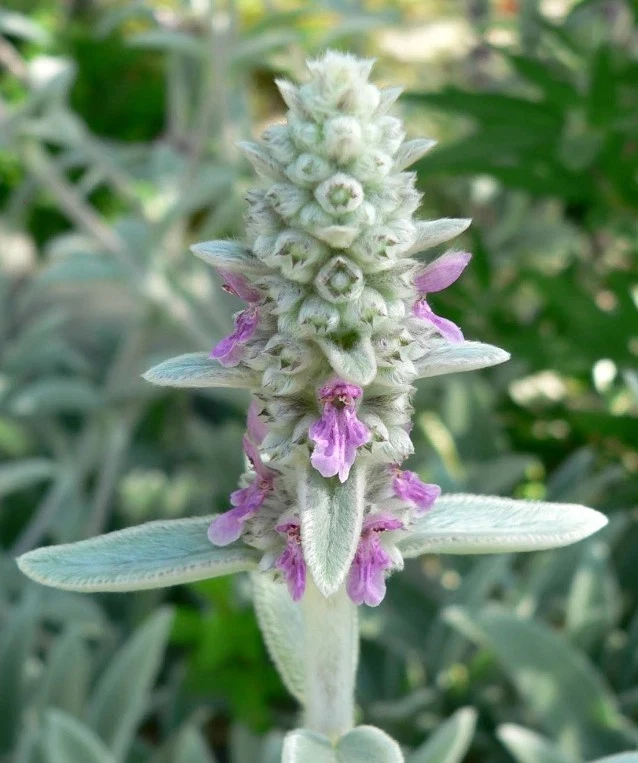
Lamb’s Ear Stachys Byzantina Live Plant – 3 Bare Root Perennials, Outdoor, Fuzzy Green Foliage
$52.47
Enhance your garden with Lamb’s Ear Stachys Byzantina, a delightful perennial known for its distinct soft, fuzzy, green foliage. This hardy outdoor plant is perfect for ground cover or borders, offering unique texture and visual interest. It’s also a pet-safe lamb’s ear variety, making it a great choice for family gardens.
Shipping and Return policies:
We stand behind our plants with our Alive & Thrive Guarantee. If you experience any issues within the first 30 days, please email us, and our team will be happy to help. When needed, we’ll send you a one-time replacement free of charge to make sure your garden keeps growing strong.

Reasonable Price
We offer reasonable price

Support 24/7
Contact us 24 hrs a day
100% Money Back
You’ve 30 days to Return
Payment Secure
100% secure payment
Overview
Introduce a touch of whimsical charm and tactile beauty to your landscape with the Lamb’s Ear Stachys Byzantina. This beloved perennial is renowned for its velvety, silver-green leaves that resemble a lamb’s ear, providing a unique textural element to any garden bed or border. Often used as a ground cover, this plant forms a soft, dense mat, suppressing weeds and creating a serene, inviting atmosphere. Our offering includes 3 bare root Stachys Byzantina perennial plants, ready to establish quickly and thrive in various outdoor settings. The fuzzy foliage is not only visually appealing but also surprisingly drought-tolerant once established, making it a low-maintenance choice for busy gardeners.
The botanical name, Stachys byzantina, points to its origin, though it’s now a popular choice worldwide for its hardiness and distinctive appearance. While it does produce small, inconspicuous flowers on tall stalks in late spring to early summer, it is primarily grown for its striking foliage. This fuzzy lamb’s ear plant is a fantastic addition to sensory gardens, rock gardens, or as an edging plant along pathways, inviting touch and admiration. It’s a truly versatile and resilient plant that contributes significantly to garden aesthetics with minimal effort.
Key Benefits
Choosing Lamb’s Ear Stachys Byzantina for your garden brings a multitude of advantages, from its aesthetic appeal to its ease of care. This plant offers unique features that make it a standout choice:
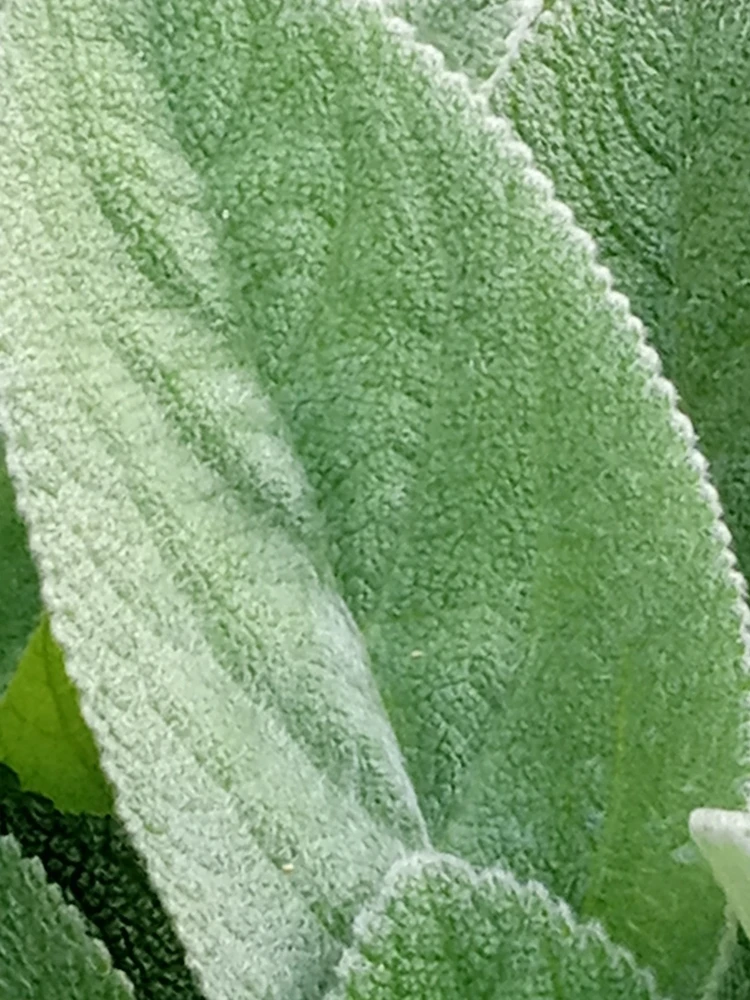
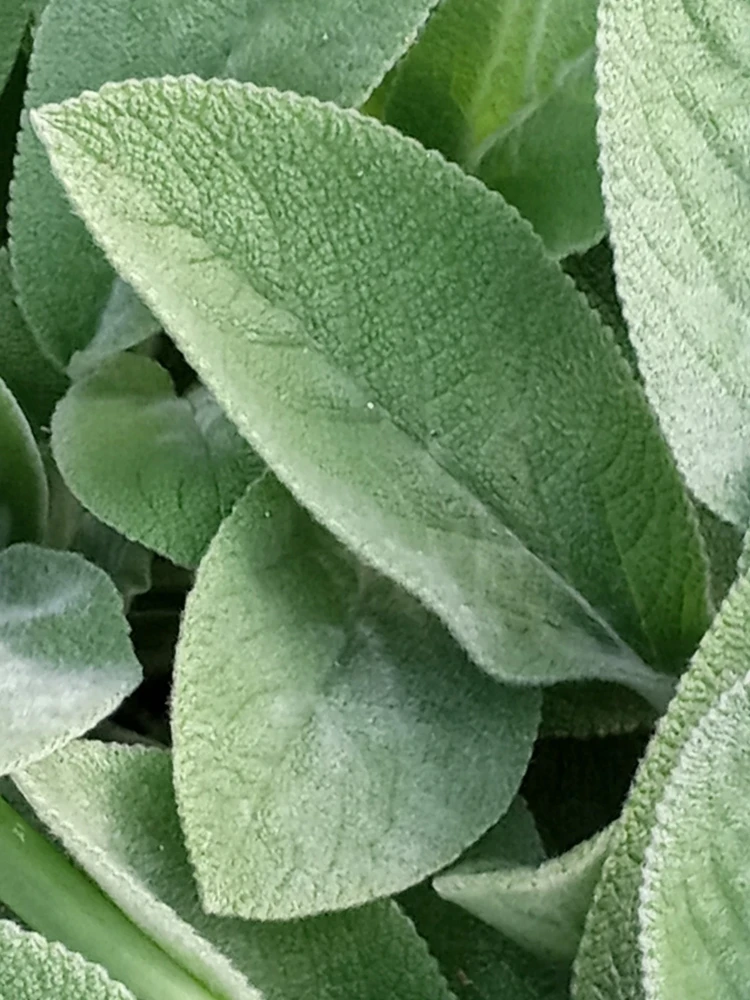
- Unique Textural Appeal: The soft, velvety, silver-green leaves of the Lamb’s Ear Stachys Byzantina provide an unparalleled tactile and visual experience, adding depth and contrast to your garden design. Its fuzzy texture is a delight to touch.
- Low Maintenance & Drought Tolerant: Once established, this Stachys Byzantina perennial is remarkably resilient, requiring minimal watering and care, making it an excellent choice for xeriscaping or gardens in drier climates.
- Effective Groundcover: It forms a dense, attractive mat that helps suppress weeds and prevent soil erosion, maintaining a neat and tidy garden appearance with less effort.
- Versatile Garden Use: Ideal for borders, rock gardens, cottage gardens, or as a contrasting companion plant, the fuzzy lamb’s ear plant adapts well to various landscape roles.
- Deer Resistant: The fuzzy texture of the leaves tends to deter deer, making it a good option for gardens in areas prone to deer browsing.
- Pet-Safe Foliage: This variety is a pet-safe lamb’s ear, providing peace of mind for pet owners who want to ensure their garden is safe for their furry friends.
- Attractive to Pollinators: While grown primarily for its foliage, the flower spikes do attract bees and other beneficial pollinators to your garden.
Plant Care & Growing Tips
Caring for your Lamb’s Ear Stachys Byzantina is straightforward, making it an excellent choice for both novice and experienced gardeners. This hardy perennial thrives with basic attention to its environmental needs. For optimal growth, plant your Stachys Byzantina perennial in an outdoor location that receives full sun to partial shade. Full sun (at least 6 hours of direct sunlight daily) will encourage the densest growth and brightest silver foliage. In hotter climates, some afternoon shade can protect the leaves from scorching.
When it comes to watering, Lamb’s Ear Stachys Byzantina prefers well-draining soil and is quite drought-tolerant once established. Water deeply but infrequently, allowing the soil to dry out completely between waterings. Overwatering or poorly draining soil can lead to root rot, which is the most common issue for this plant. A light watering schedule is typically sufficient. The ideal soil type is a sandy loam with good drainage. While it can tolerate a range of soil conditions, avoid heavy clay soils that retain too much moisture. Amending heavy soils with sand or compost can improve drainage significantly. Fertilization is rarely needed; this plant thrives in lean to moderately fertile soil. If your soil is very poor, a light application of a balanced slow-release fertilizer in spring can be beneficial, but too much fertilizer can lead to leggy growth and reduced fuzziness.
The fuzzy lamb’s ear plant is quite tolerant of a wide range of temperatures, generally hardy in USDA zones 4-9. It can withstand both cold winters and hot summers, though extreme humidity can sometimes cause fungal issues. Good air circulation is key. If you notice any yellowing or mushy leaves, it’s often a sign of too much moisture. Remove spent flower stalks to maintain a tidy appearance and encourage the plant’s energy to focus on foliage production. This also helps prevent unwanted self-seeding. Regular deadheading can extend the plant’s vigor and appearance. The resilience and minimal requirements make lamb’s ear care relatively simple.
Size & Details
This offering includes 3 bare root Lamb’s Ear Stachys Byzantina plants, ready for immediate planting upon arrival. When mature, these perennials typically form a dense mat of foliage that reaches about 6-12 inches in height and spreads 12-24 inches wide. The flower stalks, which emerge in late spring to early summer, can add an additional 12-18 inches to the overall height, featuring small, purplish-pink flowers. As bare root plants, they are in a dormant state, which allows for robust establishment once planted in your garden. Expect to see new growth emerge within a few weeks of planting, with the plants reaching their full foliage potential by their second growing season.
The growth rate of Stachys Byzantina perennial is medium, meaning it will establish and fill out its space within one to two seasons, depending on growing conditions. These plants are designed for outdoor cultivation and are an excellent choice for creating soft, textured groundcover or adding definition to garden beds. The vibrant green, fuzzy foliage remains attractive throughout the growing season, providing continuous visual interest. The bare root form ensures a strong start, allowing the plant to develop a healthy root system quickly in its new environment.
Frequently Asked Questions
- Q: How big does this Lamb’s Ear Stachys Byzantina plant get? A: The foliage typically grows 6-12 inches tall and spreads 12-24 inches wide. Flower stalks can reach up to 18-24 inches in height.
- Q: Is this an indoor or outdoor plant? A: This Stachys Byzantina perennial is an outdoor plant, best suited for garden beds, borders, and groundcover in landscapes.
- Q: How much sunlight does it need? A: Lamb’s Ear Stachys Byzantina thrives in full sun (at least 6 hours of direct sunlight) to partial shade. Full sun encourages the best foliage color and density.
- Q: Is this plant easy to care for? A: Yes, it is considered a very low-maintenance plant. It’s drought-tolerant once established and requires minimal watering and fertilization, making lamb’s ear care quite simple.
- Q: What condition will it arrive in? A: The plants will arrive as 3 dormant bare root perennials, carefully packaged and ready for planting.
- Q: When is the best time to plant bare root Lamb’s Ear? A: The best time to plant bare root perennials is typically in spring or fall when temperatures are moderate.
- Q: Will it survive winter in my zone? A: Lamb’s Ear Stachys Byzantina is hardy in USDA zones 4-9, meaning it can tolerate winter temperatures within this range.
- Q: Is this a pet-safe lamb’s ear variety? A: Yes, Lamb’s Ear Stachys Byzantina is generally considered non-toxic and safe for pets, making it a good choice for gardens frequented by animals.
- Q: Does this plant have showy flowers? A: While it does produce small, inconspicuous purplish-pink flowers on tall stalks, it is primarily grown for its attractive, fuzzy silver-green foliage rather than its blooms.
- Q: How quickly will it establish after planting? A: As a bare root plant, it will focus on developing its root system first. You can expect to see new foliage growth within a few weeks, with the plant establishing fully within one to two growing seasons.
Be the first to review “Lamb’s Ear Stachys Byzantina Live Plant – 3 Bare Root Perennials, Outdoor, Fuzzy Green Foliage”
You must be logged in to post a review.
People also Viewed
Sold 50 products
Original price was: $37.48.$23.98Current price is: $23.98.
Sold 50 products
$32.38
Sold 50 products
$27.38
Sold 50 products
$32.38
Sold 50 products
$19.88
Sold 50 products
$62.38
Sold 50 products
$24.88
Houseplants
Phalaenopsis pulcherrima ‘Mauna Kea Snow’ Orchid Live Plant – White Flowers, Potted 2.5 in
Sold 50 products
$49.88RELATED posts
Awapuhi Wild Ginger Plant: Zones, Care, and Propagation
Learn which USDA zones suit awapuhi wild ginger, plus sunlight, water, planting, propagation, pests, size, [...]
Awapuhi Shampoo Ginger – Care, Growing Zones, and Differences
Learn how to grow awapuhi (shampoo) ginger, its USDA zones, watering schedule, propagation tips, and [...]
Awapuhi Shampoo Plant Buying Guide – Choose the Right Zingiber zerumbet
META: Learn which awapuhi (shampoo ginger) plant or rhizome pack gives the best natural shampoo, [...]
Awapuhi Plant for Sale: Complete Buying Guide
Find the right awapuhi (shampoo ginger) plant, size, price, soil mix, and online source. Practical [...]
Shampoo Ginger Plant for Sale – Buying Guide & Tips
Find the right shampoo ginger plant, size, price, and care tips. Quick guide for U.S. [...]
Shampoo Ginger Plant (Awapuhi) Care Guide
Learn how to grow, care for, and use shampoo ginger (Zingiber zerumbet), the tropical awapuhi [...]
How to Grow Cuban Oregano Plants: A Complete Care Guide
If you’ve ever wanted a plant that combines the culinary punch of traditional oregano with [...]
Aug

How to Grow Habanero Pepper Plants: A Step-by-Step Guide
Habanero pepper plants are prized for their vibrant colors, intense heat, and exceptional flavor, making [...]
Aug


Reviews
There are no reviews yet.