
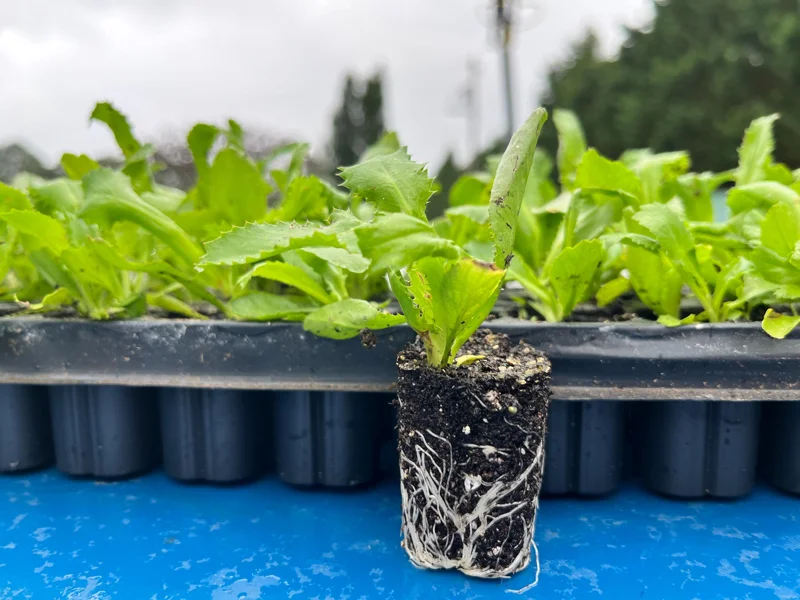
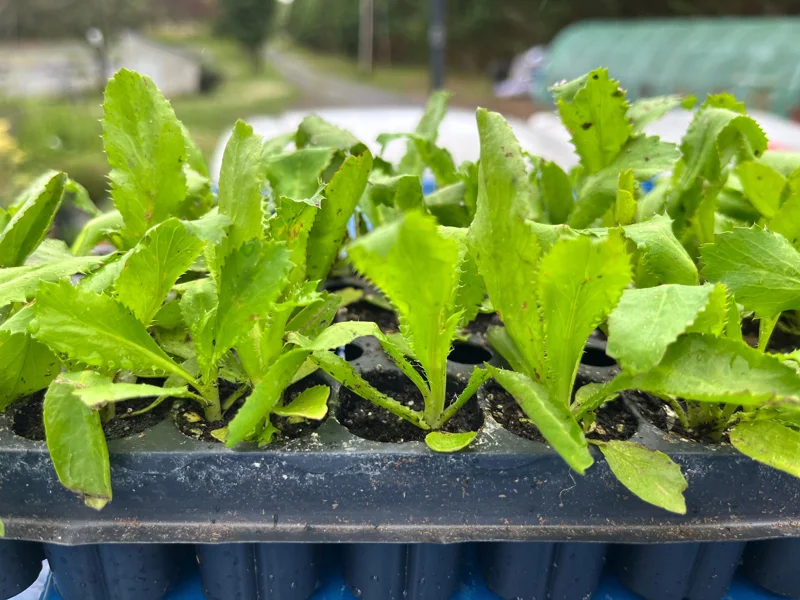
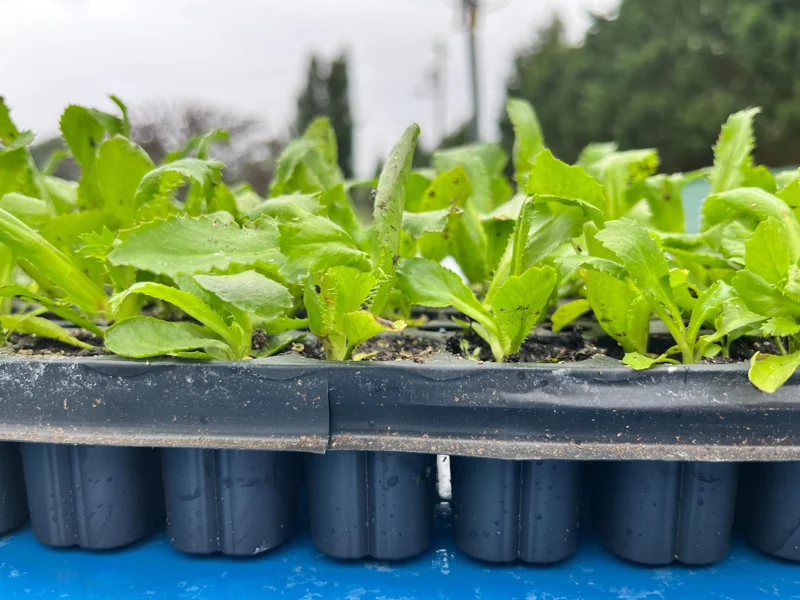
Culantro Herb Live Plant – Well-Rooted Seedling Plug – 1-inch Pot
Cultivate your culinary skills with a culantro herb live plant. This robust herb, known for its bold flavor in Caribbean and Asian cuisine, arrives as a healthy, well-rooted 1-inch seedling plug, ready for transplanting. Enjoy fresh, flavorful leaves that are stronger and longer-lasting than cilantro, perfect for elevating your homemade dishes.
Shipping and Return policies:
We stand behind our plants with our Alive & Thrive Guarantee. If you experience any issues within the first 30 days, please email us, and our team will be happy to help. When needed, we’ll send you a one-time replacement free of charge to make sure your garden keeps growing strong.

Reasonable Price
We offer reasonable price

Support 24/7
Contact us 24 hrs a day
100% Money Back
You’ve 30 days to Return
Payment Secure
100% secure payment
Overview
Elevate your home cooking with a vibrant culantro herb live plant. This robust and aromatic herb, often called the ‘bold cousin of cilantro,’ offers a distinctive, stronger flavor that is highly prized in Caribbean, Latin American, and Southeast Asian cuisines. Unlike its more delicate relative, culantro’s tougher leaves hold up exceptionally well during cooking and maintain their flavor for longer, making it an incredibly versatile addition to your herb garden. Each offering is a healthy, well-rooted seedling plug, cultivated to ensure a strong start in your garden. Whether you’re a seasoned chef or an adventurous home cook, growing your own culantro herb live plant provides a continuous supply of fresh, authentic flavor right at your fingertips. Discover the joy of harvesting your own herbs and infusing your dishes with an unmatched zest.
This particular culantro herb live plant is supplied as a ready-to-transplant seedling plug, carefully nurtured in a 1-inch nursery pot. This format ensures that the plant has a robust root system, minimizing transplant shock and setting it up for successful growth in its new environment. Culantro, scientifically known as Eryngium foetidum, is celebrated not only for its culinary uses but also for its relatively easy care, thriving in conditions that many other herbs might find challenging. It’s an excellent choice for those looking to expand their herb collection with something unique and incredibly flavorful.
Key Benefits
Growing your own culantro herb live plant offers a multitude of advantages, from enhancing your culinary creations to providing a rewarding gardening experience. Its unique characteristics make it a standout herb for any enthusiast.
- Authentic Flavor & Aroma: Enjoy the bold, distinctive taste and aroma of culantro, a staple in many traditional global dishes. Its flavor is more potent and enduring than cilantro, ensuring your meals are packed with lively zest.
- Culinary Versatility: The tougher leaves of this culantro herb live plant won’t wilt as quickly as cilantro, making it perfect for prolonged cooking in stews, soups, and marinades without losing its essence.
- Continuous Harvest: With proper care, your culantro plant will provide fresh leaves for months, allowing for a steady supply of this indispensable herb directly from your garden.
- Easy to Grow: Culantro is relatively low-maintenance and thrives in warm, shaded conditions, making it suitable for both indoor herb gardens and shaded outdoor patios. It’s a forgiving plant for gardeners of all experience levels.
- Space-Efficient: As a seedling plug, it’s compact and ideal for starting in small spaces, eventually growing into a productive plant that fits well in containers or garden beds.
- Health Benefits: Like many herbs, culantro is known for its potential health benefits, including antioxidants and vitamins, adding a nutritious boost to your diet.
- Enhances Global Cuisine: Perfect for Caribbean, Latin American, and Southeast Asian dishes, this culantro herb live plant allows you to explore and master a wide array of international recipes with authentic ingredients.
Plant Care & Growing Tips
Caring for your culantro herb live plant is straightforward, ensuring a bountiful harvest of flavorful leaves. This herb thrives when its specific environmental needs are met, particularly regarding light, water, and soil conditions. For optimal growth, culantro prefers a warm, partially shaded to shaded spot. While it can tolerate some morning sun, direct afternoon sun can scorch its leaves, especially in hotter climates. If growing indoors, place it near a window that receives bright, indirect light, or use a grow light to supplement. Maintaining consistent moisture is crucial; the soil should never be allowed to dry out completely between waterings. However, avoid waterlogging, as this can lead to root rot.
The ideal soil for your culantro herb live plant is rich in organic matter, well-draining, and slightly acidic to neutral (pH 6.0-7.0). A good quality potting mix amended with compost or well-rotted manure will provide the necessary nutrients and drainage. Fertilize sparingly with a balanced liquid fertilizer every 4-6 weeks during the growing season to encourage lush foliage. Culantro is a tropical plant and prefers temperatures between 70-85°F (21-29°C), making it suitable for year-round indoor cultivation or outdoor growth in warmer climates. Protect it from frost, as it is not cold-hardy. Regularly harvesting the outer leaves will encourage new growth and maintain the plant’s bushy shape. Watch out for common pests like aphids and spider mites, and treat them with organic insecticidal soap if necessary. Understanding culantro plant care is key to a thriving and productive herb.
When transplanting your culantro seedling plug, gently remove it from its 1-inch nursery pot, being careful not to disturb the roots too much. Plant it in a larger container (at least 6-8 inches in diameter) or directly into a prepared garden bed. Ensure the top of the root ball is level with the soil surface. After planting, water thoroughly to settle the soil around the roots. Providing consistent care will ensure your plant flourishes, giving you plenty of fresh culantro for cooking. Many people wonder how to grow culantro successfully, and the secret lies in providing consistent moisture and protection from harsh sun.
Size & Details
This offering is for one culantro herb live plant, provided as a well-rooted seedling plug. Each plug is carefully grown in a 1-inch nursery pot, ensuring a healthy and established root system ready for successful transplanting into a larger container or garden bed. The plant size will vary slightly due to its natural growth, but each seedling is selected for its vigor and readiness to thrive in your home garden. Culantro typically grows into a rosette of leaves, reaching an average height of 6 to 12 inches and spreading up to 8 inches wide, depending on growing conditions and pot size. Its growth rate is moderate, allowing for regular harvests within a few weeks of transplanting.
You will receive a young, actively growing plant, not a mature or blooming specimen. This allows you to experience the full growth cycle and enjoy fresh harvests over an extended period. The plant is suited for both indoor cultivation in a bright, indirect light setting or outdoors in a shaded area, especially in warmer USDA zones. Expect to begin harvesting outer leaves once the plant has established itself and grown a few inches taller. This culantro seedling plug is an excellent starting point for anyone looking to add this unique and flavorful herb to their culinary repertoire.
Frequently Asked Questions
- Q: How big does this culantro herb live plant get? A: Culantro typically grows 6 to 12 inches tall and can spread up to 8 inches wide, forming a rosette of leaves. Its final size depends on the growing conditions and the size of its container.
- Q: Is this an indoor or outdoor plant? A: Culantro can be grown both indoors and outdoors. It thrives indoors in bright, indirect light and outdoors in a shaded location, particularly in warmer climates. Protect it from direct, harsh afternoon sun.
- Q: How much sunlight does it need? A: This plant prefers partial to full shade. If growing indoors, place it near a window with bright, indirect light. Avoid direct afternoon sun, which can scorch the leaves.
- Q: Is this plant easy to care for? A: Yes, culantro plant care is relatively easy. It requires consistent moisture, well-draining soil, and protection from direct harsh sun and frost. It’s a good choice for both beginner and experienced gardeners.
- Q: What condition will it arrive in? A: Your culantro will arrive as a healthy, well-rooted seedling plug in a 1-inch nursery pot, ready for transplanting. While minor leaf yellowing can occur during transit, the plant is packed to ensure its overall health.
- Q: Can I use culantro for cooking right away? A: We recommend allowing the plant to establish itself for a few weeks after transplanting before you begin harvesting. Once it shows new growth, you can start harvesting the outer leaves.
- Q: When is the best time to plant culantro? A: Culantro can be planted year-round indoors. If planting outdoors, the best time is after the last frost in spring, once temperatures are consistently warm.
- Q: What kind of soil does it prefer? A: Culantro thrives in rich, well-draining soil with a slightly acidic to neutral pH. A good quality potting mix amended with organic compost is ideal.
- Q: Will it survive winter in my zone? A: Culantro is a tropical plant and is not frost-hardy. In colder climates (below USDA Zone 9), it should be grown as an annual or brought indoors during winter.
- Q: What is the difference between culantro and cilantro? A: While both have similar flavor profiles, culantro has a much stronger, bolder, and longer-lasting flavor than cilantro. Its leaves are also tougher and hold up better in cooking. This makes culantro for cooking a preferred choice in many cuisines.
| Pack size | 1 Plug, 3 Plugs, 6 Plugs |
|---|
Be the first to review “Culantro Herb Live Plant – Well-Rooted Seedling Plug – 1-inch Pot”
You must be logged in to post a review.
People also Viewed
Sold 50 products
$32.38
Sold 50 products
$27.38
Sold 50 products
$32.38
Sold 50 products
$19.88
Sold 50 products
$62.38
Sold 50 products
$24.88
Houseplants
Phalaenopsis pulcherrima ‘Mauna Kea Snow’ Orchid Live Plant – White Flowers, Potted 2.5 in
Sold 50 products
$49.88
Sold 50 products
$49.88RELATED posts
Awapuhi Wild Ginger Plant: Zones, Care, and Propagation
Learn which USDA zones suit awapuhi wild ginger, plus sunlight, water, planting, propagation, pests, size, [...]
Awapuhi Shampoo Ginger – Care, Growing Zones, and Differences
Learn how to grow awapuhi (shampoo) ginger, its USDA zones, watering schedule, propagation tips, and [...]
Awapuhi Shampoo Plant Buying Guide – Choose the Right Zingiber zerumbet
META: Learn which awapuhi (shampoo ginger) plant or rhizome pack gives the best natural shampoo, [...]
Awapuhi Plant for Sale: Complete Buying Guide
Find the right awapuhi (shampoo ginger) plant, size, price, soil mix, and online source. Practical [...]
Shampoo Ginger Plant for Sale – Buying Guide & Tips
Find the right shampoo ginger plant, size, price, and care tips. Quick guide for U.S. [...]
Shampoo Ginger Plant (Awapuhi) Care Guide
Learn how to grow, care for, and use shampoo ginger (Zingiber zerumbet), the tropical awapuhi [...]
How to Grow Cuban Oregano Plants: A Complete Care Guide
If you’ve ever wanted a plant that combines the culinary punch of traditional oregano with [...]
Aug
How to Grow Habanero Pepper Plants: A Step-by-Step Guide
Habanero pepper plants are prized for their vibrant colors, intense heat, and exceptional flavor, making [...]
Aug
Reviews
There are no reviews yet.