
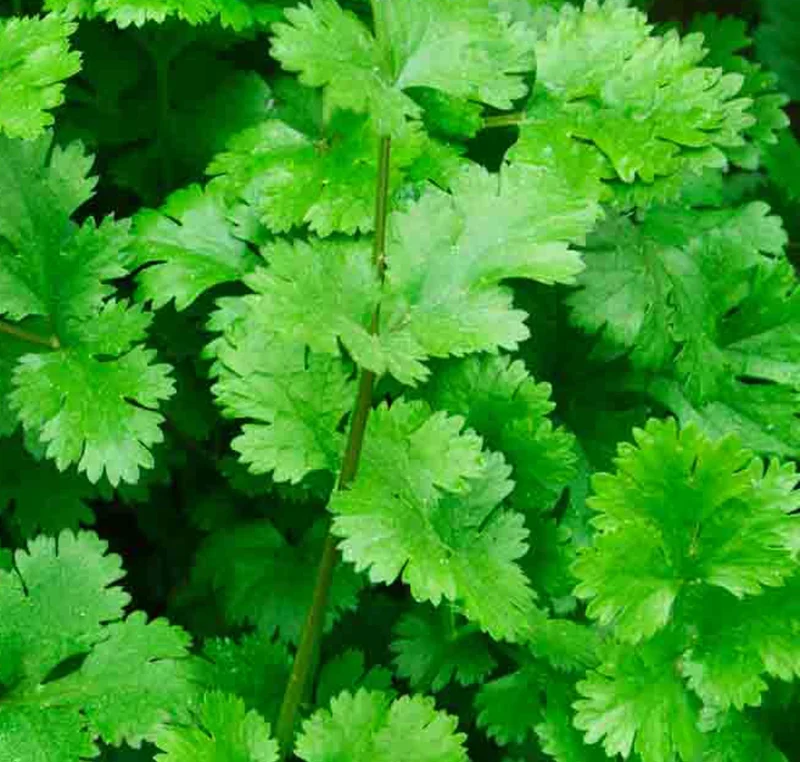
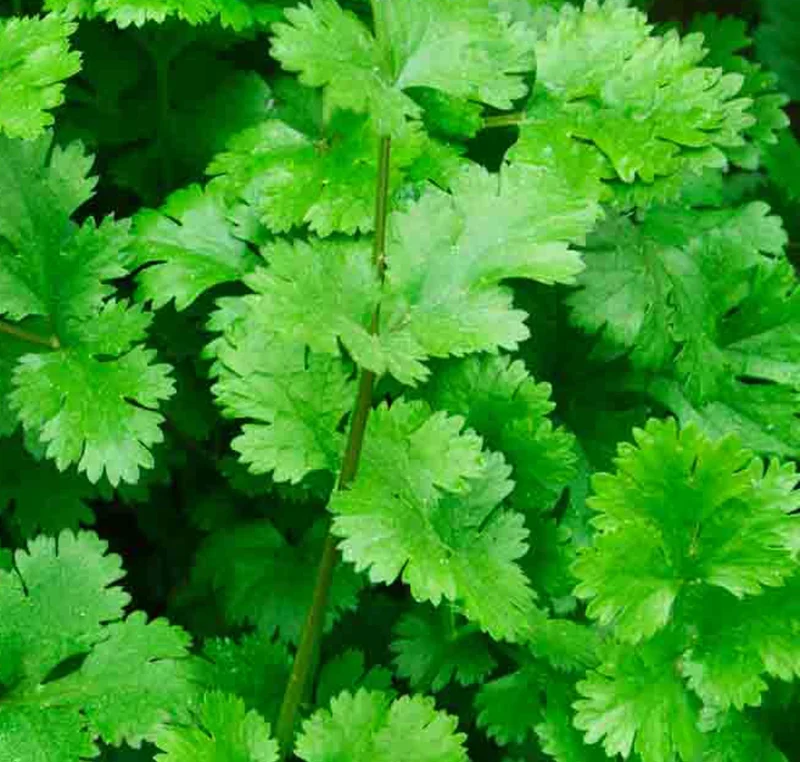
Cilantro Live Plant – 5 inch Height – 4 inch Pot – Outdoor Herb
$35.91
Bring the fresh taste of cilantro live plant to your kitchen! This 5-inch tall plant, supplied in a 4-inch pot, is ready for immediate culinary use. Perfect for home gardeners, it thrives in full sun to partial shade.
- Easy to grow cilantro for fresh culinary herbs.
- Ideal for outdoor gardens or sunny windowsills.
- Provides aromatic leaves for various dishes.
Shipping and Return policies:
We stand behind our plants with our Alive & Thrive Guarantee. If you experience any issues within the first 30 days, please email us, and our team will be happy to help. When needed, we’ll send you a one-time replacement free of charge to make sure your garden keeps growing strong.

Reasonable Price
We offer reasonable price

Support 24/7
Contact us 24 hrs a day
100% Money Back
You’ve 30 days to Return
Payment Secure
100% secure payment
Overview
Discover the joy of growing your own fresh herbs with this vibrant cilantro live plant. Known botanically as Coriandrum sativum, cilantro is a popular annual herb cherished for its pungent, citrusy leaves that are a staple in many cuisines worldwide, including Mexican, Indian, and Southeast Asian dishes. This particular plant measures approximately 5 inches in height and comes pre-potted in a 4-inch nursery container, making it ready for immediate placement in your garden or a larger pot. Whether you’re an experienced gardener or just starting, this cilantro live plant offers an accessible and rewarding way to ensure a constant supply of fresh, aromatic leaves for all your culinary adventures. Enjoy the convenience and superior flavor that only freshly picked herbs can provide.
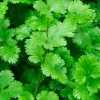
This herb is not only easy to cultivate but also adds a touch of natural beauty to any outdoor space or bright kitchen window. Its delicate, feathery leaves are instantly recognizable and provide a delightful contrast to other garden greenery. With proper care, your cilantro live plant will continue to produce delicious leaves, allowing you to harvest as needed and elevate your home cooking with its distinct flavor profile.
Key Benefits
Cultivating a cilantro live plant at home offers numerous advantages, from enhancing your culinary creations to providing a refreshing presence in your garden. Its versatility and ease of care make it a favorite among home gardeners.
- Fresh Culinary Flavor: Enjoy the unparalleled taste of freshly picked cilantro, far superior to store-bought varieties. This herb is essential for salsas, guacamole, curries, and many other dishes, providing a vibrant, earthy, and citrusy flavor. Having a cilantro live plant on hand means you always have fresh ingredients.
- Easy to Grow: Cilantro is known for its relatively low maintenance requirements. It’s an excellent choice for beginner gardeners looking to grow their own herbs with minimal fuss.
- Aromatic Appeal: The distinctive aroma of fresh cilantro can invigorate your garden space or kitchen, adding a pleasant natural scent.
- Health Benefits: Cilantro is rich in antioxidants, vitamins A and K, and dietary fiber, contributing to a healthy diet.
- Attracts Beneficial Insects: When allowed to flower, cilantro can attract pollinators like bees and beneficial insects to your garden, aiding in overall garden health.
- Compact Size: Perfect for small gardens, containers, or even windowsills, making it suitable for urban dwellers or those with limited space.
- Continuous Harvest: With proper harvesting techniques, you can enjoy a continuous supply of fresh leaves from your cilantro live plant throughout its growing season.
Plant Care & Growing Tips
Caring for your cilantro live plant is straightforward, ensuring a bountiful harvest of fresh leaves. This herb thrives with consistent attention to its basic needs, primarily focusing on sunlight, water, and soil conditions. For optimal growth, avoid extreme heat, which can cause the plant to bolt (go to seed prematurely), leading to a bitter flavor.
Sunlight Requirements: Cilantro prefers full sun to partial shade. In cooler climates or during spring and fall, a spot receiving 6 hours or more of direct sunlight is ideal. However, in hotter climates or during the peak of summer, providing some afternoon shade can prevent bolting and prolong the leafy growth. This plant is hardy in USDA Zones 8-11, making it suitable for a wide range of outdoor environments. Ensure your cilantro live plant is positioned where it can get adequate light without excessive heat stress.
Watering Schedule and Soil Moisture Preferences: Consistent moisture is key for healthy cilantro. Water your plant 3-4 times a week, or whenever the top inch of soil feels dry to the touch. Avoid letting the soil dry out completely, as this can stress the plant and encourage bolting. Conversely, do not overwater, as waterlogged soil can lead to root rot. Good drainage is crucial. Soil Type and Drainage Requirements: Cilantro thrives in well-draining, fertile soil. A good quality potting mix enriched with organic matter is recommended for container planting. If planting in the ground, amend heavy clay soils with compost to improve drainage. The pH preference is slightly acidic to neutral (6.0-7.0).
Temperature Range and USDA Hardiness Zone: Cilantro is a cool-season annual. It grows best in temperatures between 50-75°F (10-24°C). While it can tolerate light frosts, prolonged cold or extreme heat will negatively impact its growth. As noted, it’s suitable for USDA Zones 8-11. Fertilization Schedule and Type: Cilantro is not a heavy feeder. If planted in rich, organic soil, it may not require additional fertilization. If growth seems slow, a balanced liquid organic fertilizer diluted to half strength can be applied every 2-4 weeks. Common Problems and Solutions: The most common issue for growing cilantro is bolting. To prevent this, plant in cooler weather, provide afternoon shade in hot climates, and keep the soil consistently moist. Pests like aphids can be managed with insecticidal soap or by gently washing them off with water.
Size & Details
This offering is for one cilantro live plant, which arrives in a healthy and established state, ready for your garden or kitchen. Each plant has reached an approximate height of 5 inches from the base of the soil to the top of its foliage, presenting a compact yet robust specimen. It is carefully rooted in a 4-inch nursery pot, providing ample space for its initial growth and ensuring a smooth transition upon arrival. The plant is shipped in its pot with soil, minimizing transplant shock and allowing you to place it directly into a larger container or garden bed. When mature, cilantro typically grows 12-24 inches tall and can spread up to 12 inches wide, though its growth is often harvested before it reaches full size. Expect a moderate growth rate, providing fresh leaves for several weeks before it naturally goes to seed.
Frequently Asked Questions
- Q: How big does this plant get? A: This cilantro live plant arrives at approximately 5 inches tall. At maturity, if allowed to grow, it can reach 12-24 inches in height, though most people harvest it continually, keeping it smaller.
- Q: What size pot does it come in? A: The plant comes in a standard 4-inch nursery pot, providing a good starting point for its root system. You can easily transplant it to a larger pot or directly into your garden.
- Q: Is this an indoor or outdoor plant? A: While cilantro for cooking can be grown indoors in a very sunny spot, it generally thrives best outdoors in a garden or on a patio where it receives ample sunlight and good air circulation.
- Q: How much sunlight does it need? A: Your cilantro live plant prefers full sun to partial shade, ideally at least 6 hours of direct sunlight per day. In very hot climates, providing some afternoon shade can prevent it from bolting too quickly.
- Q: Is this plant easy to care for? A: Yes, cilantro is considered an easy-to-grow herb, making it excellent for beginners. The main challenge is preventing it from bolting in hot weather, which can be managed with proper watering and some shade.
- Q: What condition will it arrive in? A: Your cilantro plant will arrive healthy and well-rooted in its 4-inch pot, carefully packaged to ensure a safe journey. It will be ready to be placed in its new home immediately.
- Q: Can I use cilantro in cooking? A: Absolutely! This fresh cilantro herb is perfect for culinary use. Harvest the leaves as needed to add to your favorite Mexican, Asian, and other international dishes.
- Q: When is the best time to plant? A: Cilantro is a cool-season crop. The best time to plant is in early spring or late summer/early fall, avoiding the intense heat of mid-summer for optimal leaf production.
- Q: Will it survive winter in my zone? A: Cilantro is an annual and generally not frost-hardy. It thrives in USDA Zones 8-11. In colder zones, it will die back with the first hard frost and needs to be replanted annually.
- Q: How often should I water my cilantro plant? A: Water your cilantro plant care should include watering 3-4 times a week, or whenever the top inch of soil feels dry. Keep the soil consistently moist but not waterlogged.
Be the first to review “Cilantro Live Plant – 5 inch Height – 4 inch Pot – Outdoor Herb”
You must be logged in to post a review.
People also Viewed
Sold 50 products
$32.38
Sold 50 products
$27.38
Sold 50 products
$32.38
Sold 50 products
$19.88
Sold 50 products
$62.38
Sold 50 products
$24.88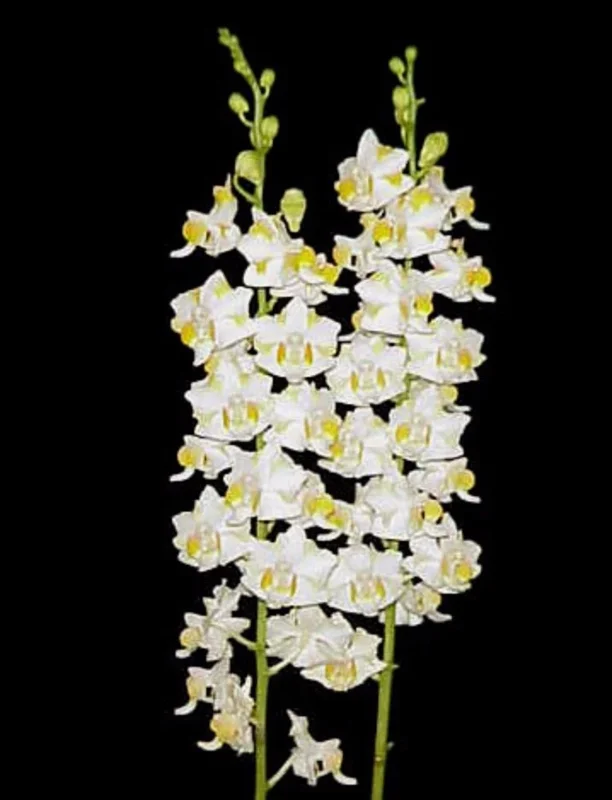
Houseplants
Phalaenopsis pulcherrima ‘Mauna Kea Snow’ Orchid Live Plant – White Flowers, Potted 2.5 in
Sold 50 products
$49.88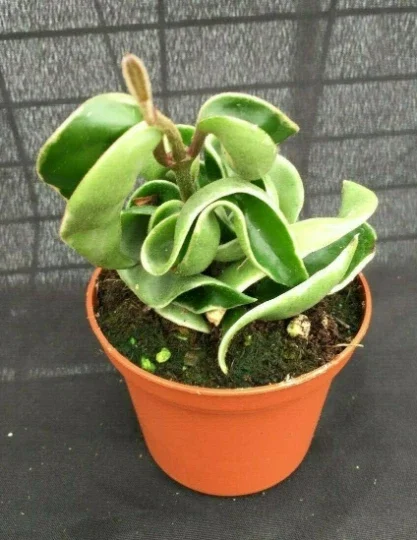
Sold 50 products
$49.88RELATED posts
Awapuhi Wild Ginger Plant: Zones, Care, and Propagation
Learn which USDA zones suit awapuhi wild ginger, plus sunlight, water, planting, propagation, pests, size, [...]
Awapuhi Shampoo Ginger – Care, Growing Zones, and Differences
Learn how to grow awapuhi (shampoo) ginger, its USDA zones, watering schedule, propagation tips, and [...]
Awapuhi Shampoo Plant Buying Guide – Choose the Right Zingiber zerumbet
META: Learn which awapuhi (shampoo ginger) plant or rhizome pack gives the best natural shampoo, [...]
Awapuhi Plant for Sale: Complete Buying Guide
Find the right awapuhi (shampoo ginger) plant, size, price, soil mix, and online source. Practical [...]
Shampoo Ginger Plant for Sale – Buying Guide & Tips
Find the right shampoo ginger plant, size, price, and care tips. Quick guide for U.S. [...]
Shampoo Ginger Plant (Awapuhi) Care Guide
Learn how to grow, care for, and use shampoo ginger (Zingiber zerumbet), the tropical awapuhi [...]
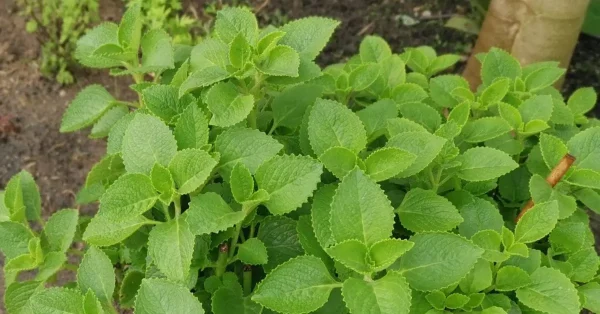
How to Grow Cuban Oregano Plants: A Complete Care Guide
If you’ve ever wanted a plant that combines the culinary punch of traditional oregano with [...]
Aug
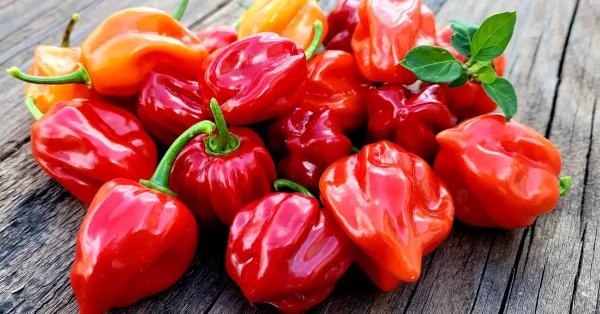
How to Grow Habanero Pepper Plants: A Step-by-Step Guide
Habanero pepper plants are prized for their vibrant colors, intense heat, and exceptional flavor, making [...]
Aug
Reviews
There are no reviews yet.