
Wild Quinine Seeds – 50 Heirloom American Feverfew Medicinal Herb Seeds
Original price was: $30.99.$10.99Current price is: $10.99.
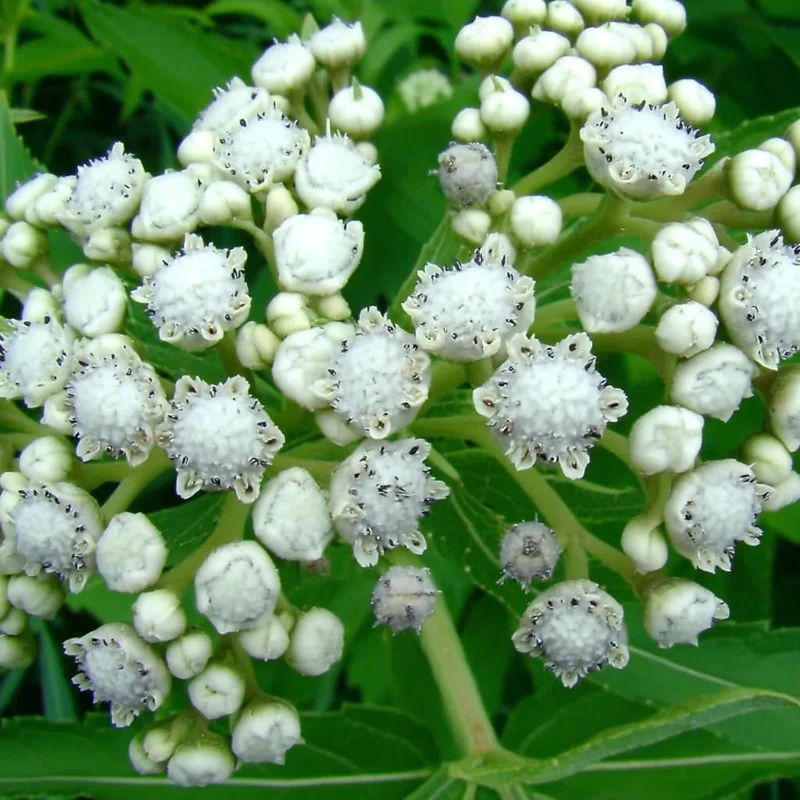
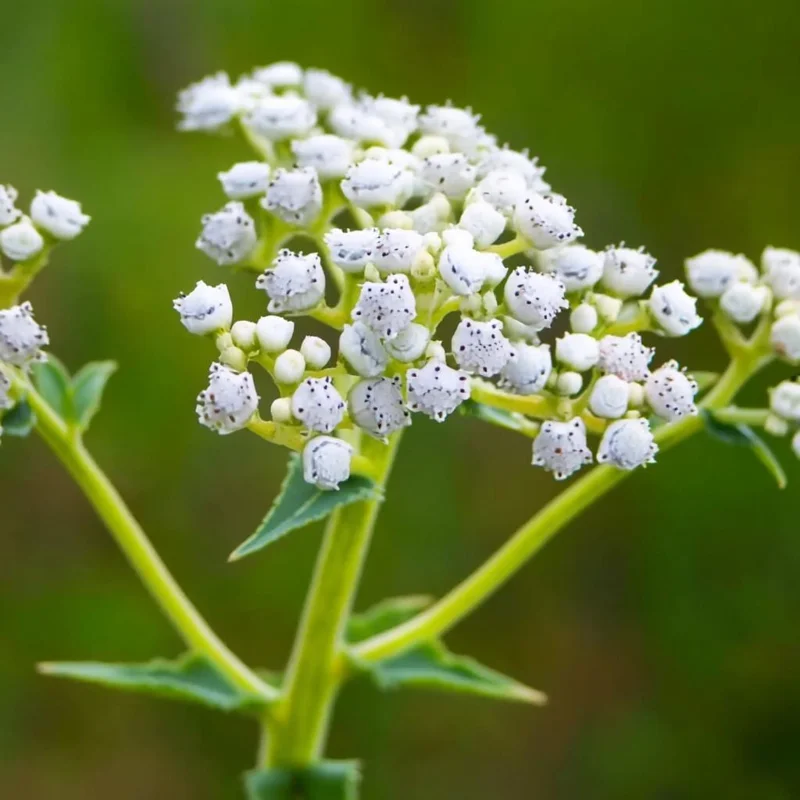
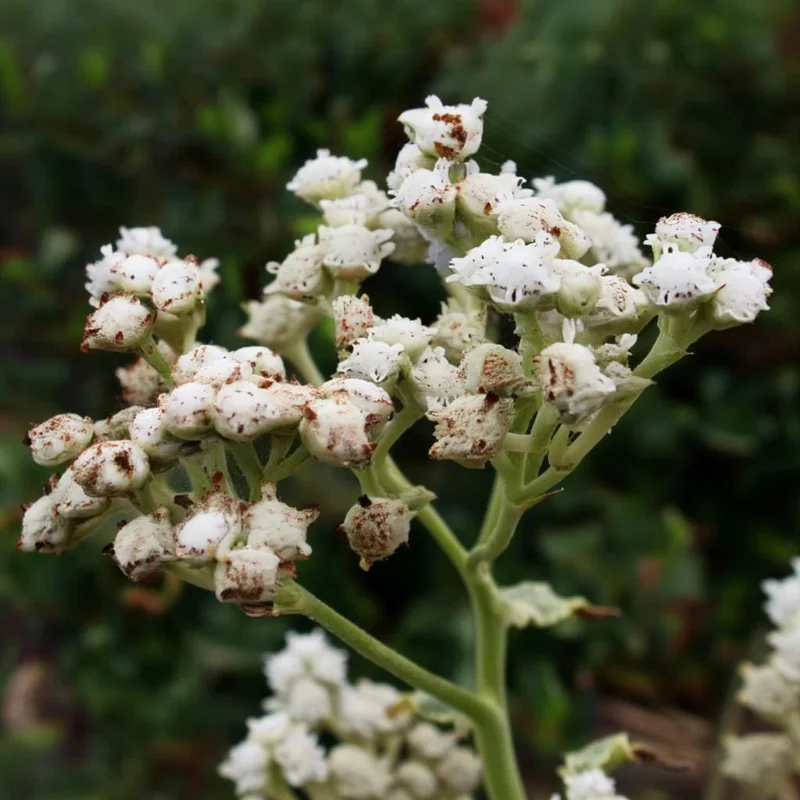
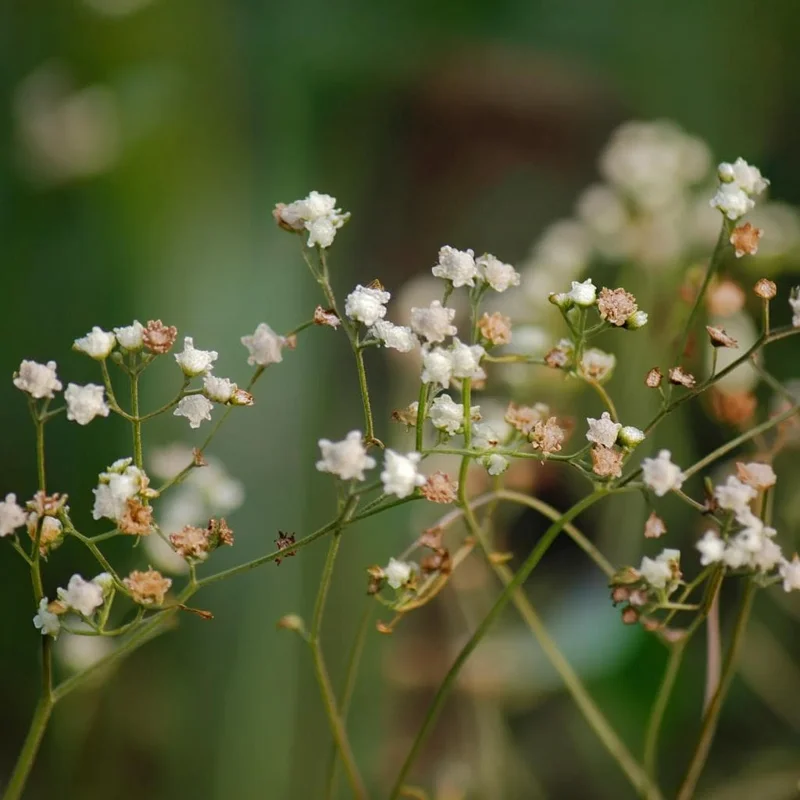
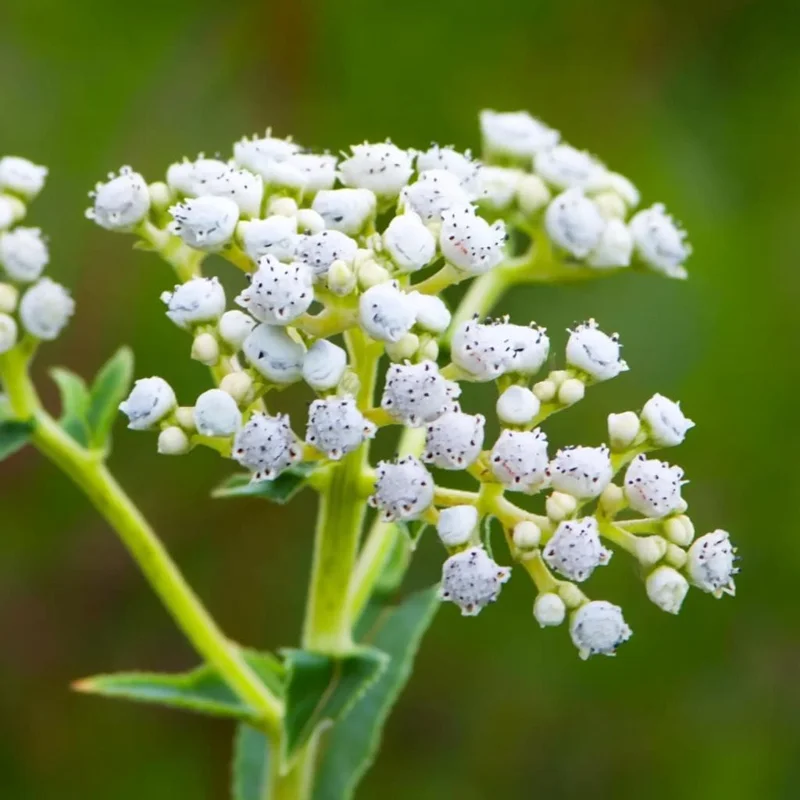
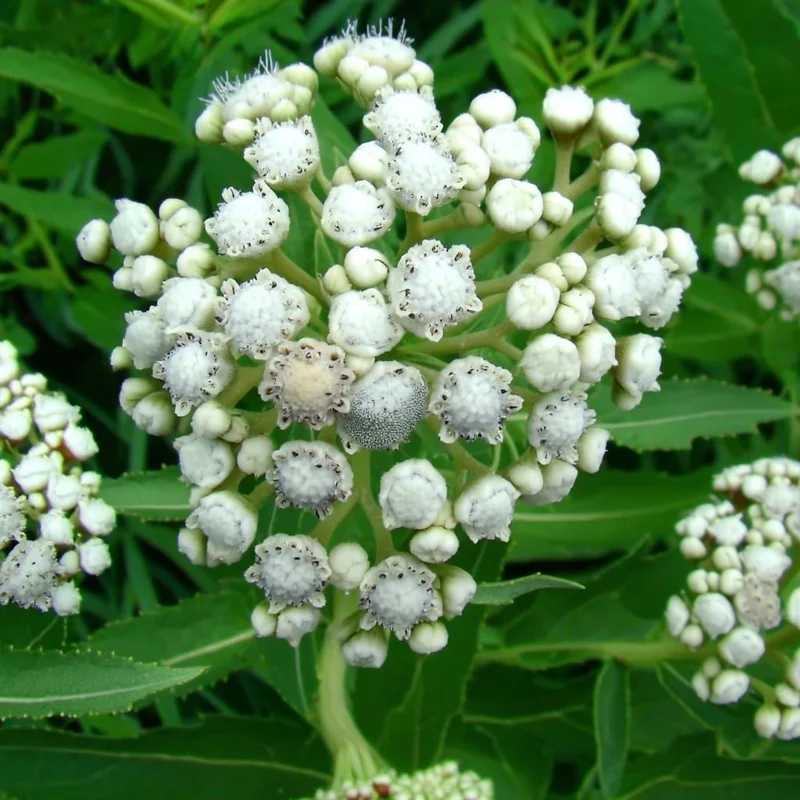
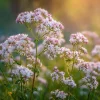
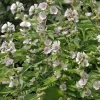
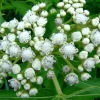
Cultivate wild quinine seeds (Parthenium integrifolium), also known as American Feverfew seeds, for a beautiful and beneficial addition to your garden. These medicinal herb seeds produce hardy perennials with soft pink to lavender flowers, attracting essential pollinators. Ideal for native plant gardens and perennial borders.
Shipping and Return policies:
We stand behind our plants with our Alive & Thrive Guarantee. If you experience any issues within the first 30 days, please email us, and our team will be happy to help. When needed, we’ll send you a one-time replacement free of charge to make sure your garden keeps growing strong.

Reasonable Price
We offer reasonable price

Support 24/7
Contact us 24 hrs a day
100% Money Back
You’ve 30 days to Return
Payment Secure
100% secure payment
Overview
Discover the beauty and benefits of cultivating wild quinine seeds, also known as American Feverfew seeds (Parthenium integrifolium). These heirloom perennial seeds allow you to grow a hardy native North American plant that thrives in various landscapes. Producing clusters of charming daisy-like flowers in soft pink to lavender hues atop tall, sturdy stems, Wild Quinine is a magnet for bees, butterflies, and other vital pollinators. Historically revered for its traditional medicinal properties, this plant adds both ecological value and visual appeal to any garden setting. Its upright, long-blooming habit makes it an excellent choice for native plant gardens, perennial borders, and naturalized areas, ensuring a sustained display of delicate blooms.
Each packet contains 50 wild quinine seeds, offering a generous start to your native plant collection. Growing these seeds is a rewarding experience, connecting you with nature and providing a sustainable source for this historically significant herb. Embrace the opportunity to enhance local biodiversity and enjoy the continuous bloom of this resilient perennial.
Key Benefits
Growing wild quinine seeds offers a multitude of advantages for both your garden and the environment. These plants are not only visually appealing but also contribute significantly to ecological health and provide a link to traditional herbal practices.
- Pollinator Attraction: The daisy-like, soft pink to lavender flowers are highly attractive to a wide range of pollinators, including bees and butterflies, supporting local ecosystems and biodiversity. Growing wild quinine seeds helps create a vibrant, buzzing garden.
- Low Maintenance: Once established, Wild Quinine is remarkably drought-tolerant and requires minimal care, making it an ideal choice for busy gardeners or those seeking resilient plants. It’s a truly fuss-free perennial.
- Native Plant Appeal: As a native North American species, it integrates seamlessly into local landscapes, requiring less intervention and contributing to the natural flora. These native plant seeds are perfect for ecological gardening.
- Medicinal Herb: Historically used in traditional herbal remedies, Wild Quinine holds cultural significance as a medicinal herb seeds, offering a connection to ancestral knowledge.
- Extended Bloom Period: Enjoy long-lasting blooms throughout the growing season, providing continuous color and nectar for pollinators. Its upright habit ensures a strong presence in the garden.
- Versatile Landscaping: Perfect for native plant gardens, perennial borders, naturalized meadows, and open woodlands, adding structure and beauty wherever it grows.
- Drought Tolerance: Its ability to withstand dry conditions once mature makes it suitable for xeriscaping or gardens in low-water environments.
Plant Care & Growing Tips
Cultivating wild quinine seeds is straightforward, yielding a robust perennial that thrives with minimal attention. For best results, consider starting seeds indoors 6–8 weeks before the last expected frost date. Alternatively, you can sow the seeds directly outdoors in either spring or fall. When sowing, simply press the seeds lightly onto the soil surface, as they require light for successful germination. Maintain consistent soil moisture, keeping the temperature between 65–70°F (18–21°C). Germination typically occurs within 14–21 days. Once seedlings are established and have developed a few true leaves, thin them to a spacing of 12–18 inches apart to ensure healthy growth and adequate air circulation. This spacing allows each plant to develop a strong root system and a full, floriferous habit.
Once established, American Feverfew seeds produce plants that are relatively drought-tolerant, making them an excellent choice for sustainable gardening. Wild Quinine prefers full sun to partial shade and thrives in well-drained soil. While it tolerates a range of soil types, good drainage is crucial to prevent root rot. Water moderately, especially during prolonged dry spells, but avoid overwatering. Removing spent flower heads (deadheading) is not strictly necessary but can encourage continuous blooming and a tidier appearance. This low-maintenance perennial is perfectly suited for creating vibrant pollinator-friendly gardens, naturalized meadows, and native plant landscapes, contributing to local ecology and providing a beautiful display. These pollinator garden seeds will bring life to your outdoor space.
Size & Details
Each packet contains 50 wild quinine seeds, providing ample opportunity to establish a significant patch of this beneficial perennial. Once mature, Wild Quinine (Parthenium integrifolium) typically grows to a height of 2–4 feet (60–120 cm) and spreads about 1.5–2 feet (45–60 cm) wide, forming an upright, bushy clump. The plant exhibits a moderate growth rate, establishing itself well within the first growing season and reaching its full size and flowering potential in subsequent years. The seeds are shipped in a protective packet, ensuring their viability upon arrival. Expect the first blooms in the second year after planting, with flowering typically occurring from mid-summer through early fall, offering a long season of interest and nectar for pollinators. These medicinal herb seeds are a great investment for long-term garden enjoyment.
Frequently Asked Questions
- Q: How big does Wild Quinine get? A: Wild Quinine typically grows to a height of 2–4 feet (60–120 cm) and spreads about 1.5–2 feet (45–60 cm) wide, forming an upright, bushy clump. Its size makes it suitable for the middle or back of a border.
- Q: Is this an indoor or outdoor plant? A: Wild Quinine is primarily an outdoor plant, native to North America. It thrives in garden beds, native plant landscapes, and perennial borders, enjoying full sun to partial shade.
- Q: How much sunlight does Wild Quinine need? A: This plant performs best in full sun (at least 6 hours of direct sunlight) but can tolerate partial shade, especially in hotter climates. Adequate sun promotes more abundant flowering.
- Q: Is this plant easy to care for? A: Yes, once established, Wild Quinine is a very low-maintenance perennial. It’s drought-tolerant and generally pest and disease resistant, making it suitable for beginners and experienced gardeners alike.
- Q: When is the best time to plant wild quinine seeds? A: You can sow wild quinine seeds indoors 6–8 weeks before the last frost in spring, or directly outdoors in either spring after the last frost or in the fall for natural stratification.
- Q: How long until Wild Quinine blooms? A: Wild Quinine typically blooms in its second year after planting, from mid-summer through early fall. The first year focuses on establishing a strong root system.
- Q: Will it survive winter in my zone? A: Wild Quinine is hardy in USDA Zones 3-8, meaning it can tolerate cold winter temperatures and will return reliably each spring in these regions. It is a resilient perennial.
- Q: Are these truly medicinal herb seeds? A: Historically, Wild Quinine has been used in traditional herbal remedies. However, any medicinal use should be under the guidance of a qualified healthcare professional.
- Q: What kind of soil does Wild Quinine prefer? A: Wild Quinine thrives in well-drained soil and is adaptable to various soil types, including sandy or clay soils, as long as drainage is good.
- Q: Will these pollinator garden seeds attract specific insects? A: Yes, the flowers are highly attractive to a wide array of pollinators, including various species of bees, butterflies, and other beneficial insects, making them excellent for supporting local wildlife.
Be the first to review “Wild Quinine Seeds – 50 Heirloom American Feverfew Medicinal Herb Seeds”
You must be logged in to post a review.
People also Viewed
Sold 50 products
$32.38
Sold 50 products
$27.38
Sold 50 products
$32.38
Sold 50 products
$19.88
Sold 50 products
$62.38
Sold 50 products
$24.88
Houseplants
Phalaenopsis pulcherrima ‘Mauna Kea Snow’ Orchid Live Plant – White Flowers, Potted 2.5 in
Sold 50 products
$49.88
Sold 50 products
$49.88RELATED posts
Awapuhi Wild Ginger Plant: Zones, Care, and Propagation
Learn which USDA zones suit awapuhi wild ginger, plus sunlight, water, planting, propagation, pests, size, [...]
Awapuhi Shampoo Ginger – Care, Growing Zones, and Differences
Learn how to grow awapuhi (shampoo) ginger, its USDA zones, watering schedule, propagation tips, and [...]
Awapuhi Shampoo Plant Buying Guide – Choose the Right Zingiber zerumbet
META: Learn which awapuhi (shampoo ginger) plant or rhizome pack gives the best natural shampoo, [...]
Awapuhi Plant for Sale: Complete Buying Guide
Find the right awapuhi (shampoo ginger) plant, size, price, soil mix, and online source. Practical [...]
Shampoo Ginger Plant for Sale – Buying Guide & Tips
Find the right shampoo ginger plant, size, price, and care tips. Quick guide for U.S. [...]
Shampoo Ginger Plant (Awapuhi) Care Guide
Learn how to grow, care for, and use shampoo ginger (Zingiber zerumbet), the tropical awapuhi [...]
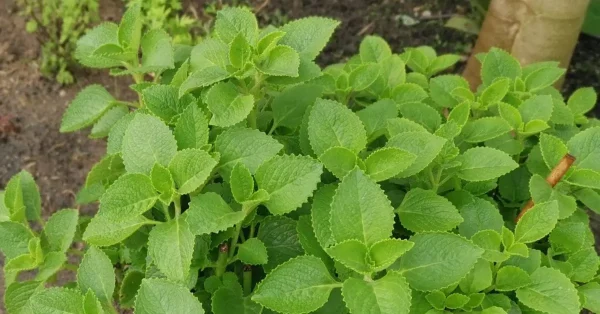
How to Grow Cuban Oregano Plants: A Complete Care Guide
If you’ve ever wanted a plant that combines the culinary punch of traditional oregano with [...]
Aug
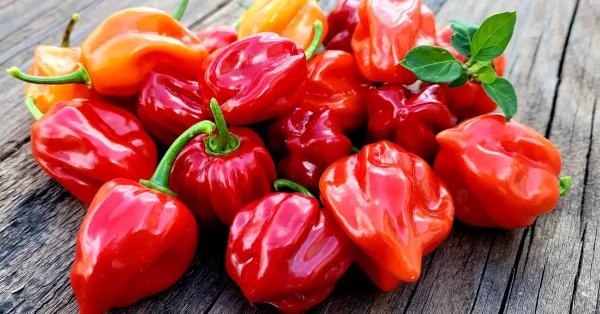
How to Grow Habanero Pepper Plants: A Step-by-Step Guide
Habanero pepper plants are prized for their vibrant colors, intense heat, and exceptional flavor, making [...]
Aug
Reviews
There are no reviews yet.