
American Black Elderberry Seeds – 50 Heirloom Sambucus Canadensis for Gardens
Original price was: $33.99.$13.99Current price is: $13.99.
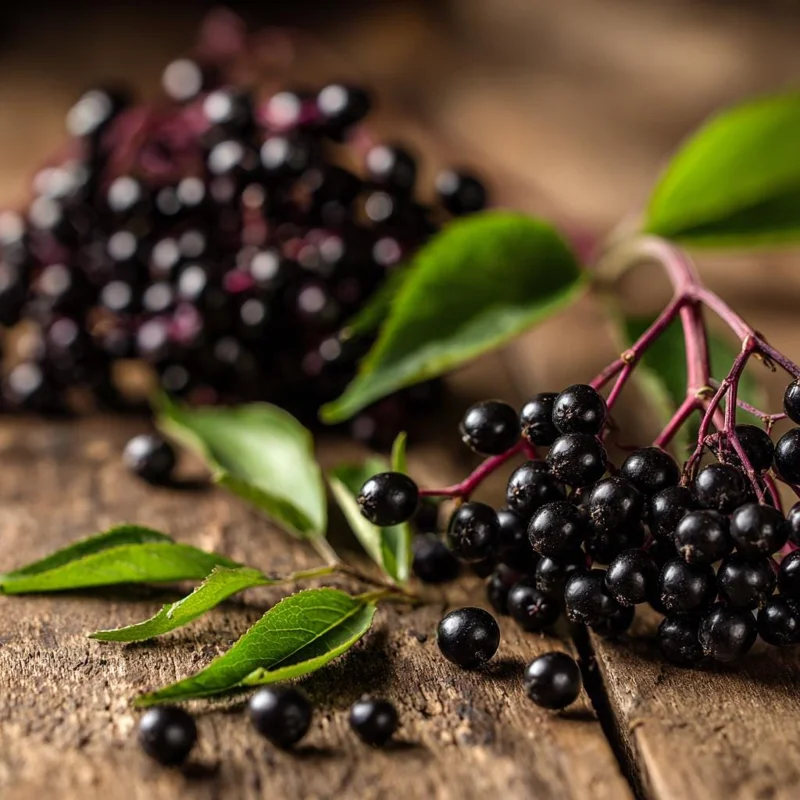
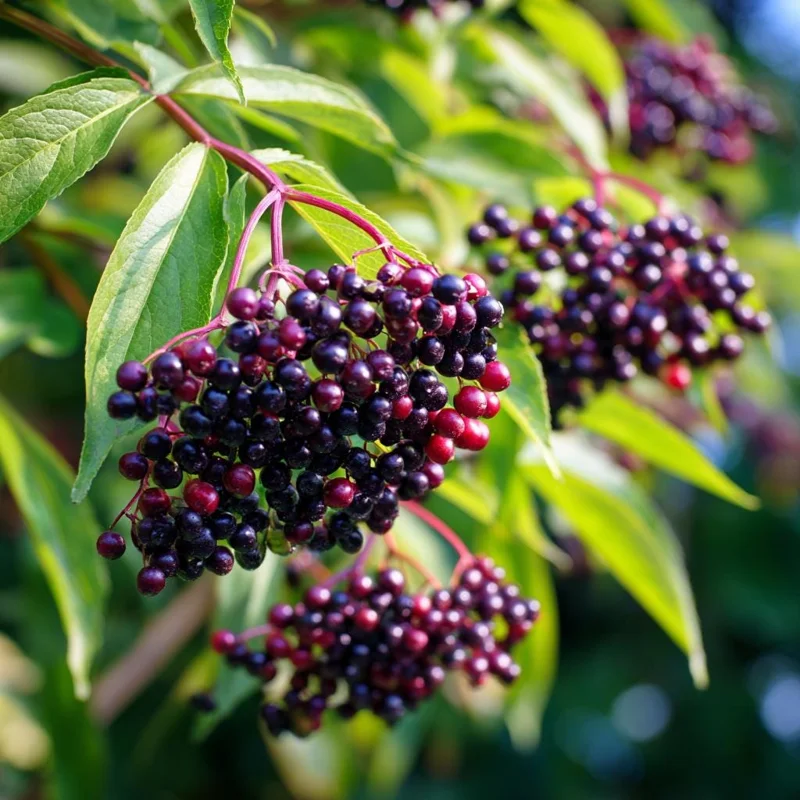
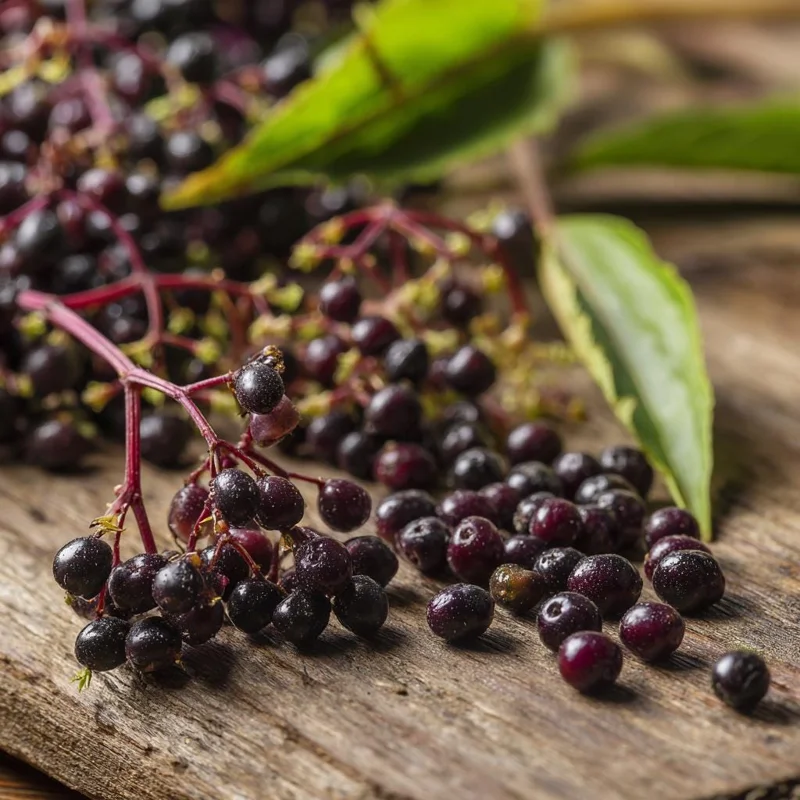
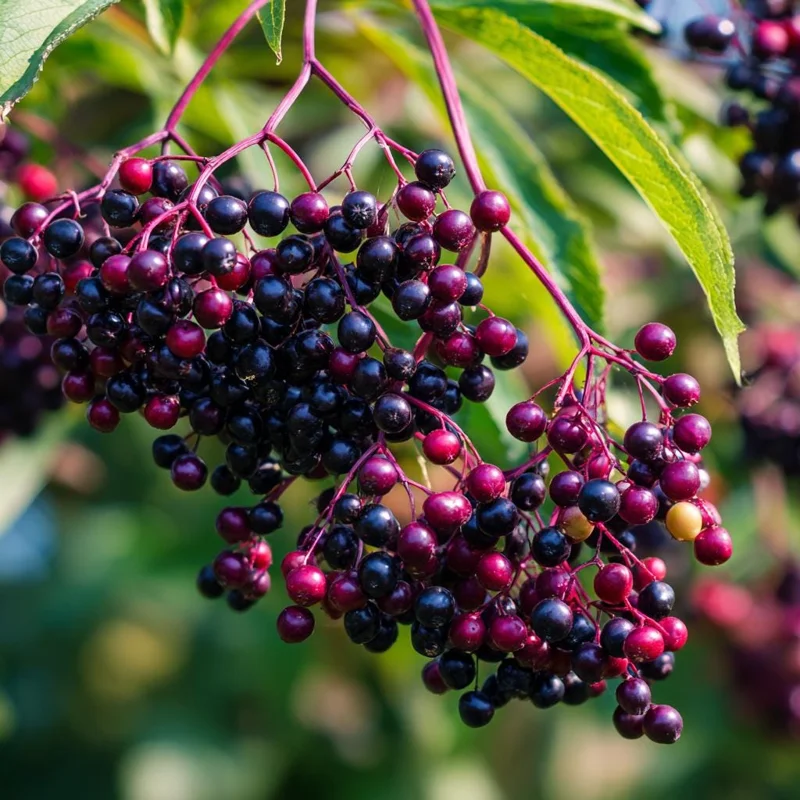
Cultivate your own american black elderberry seeds with this pack of 50 heirloom sambucus canadensis seeds. These hardy seeds grow into shrubs prized for their fragrant flowers and dark purple berries, perfect for homemade syrups and attracting pollinators. Ideal for home gardens and naturalized landscapes.
Shipping and Return policies:
We stand behind our plants with our Alive & Thrive Guarantee. If you experience any issues within the first 30 days, please email us, and our team will be happy to help. When needed, we’ll send you a one-time replacement free of charge to make sure your garden keeps growing strong.

Reasonable Price
We offer reasonable price

Support 24/7
Contact us 24 hrs a day
100% Money Back
You’ve 30 days to Return
Payment Secure
100% secure payment
Overview
Embark on a rewarding gardening journey with american black elderberry seeds. This offering includes 50 heirloom seeds of Sambucus canadensis, the native North American elderberry. Renowned for its vigorous growth and abundant yields, the American Black Elderberry shrub is a resilient and beautiful addition to any garden or landscape. These seeds provide the foundation for growing a plant that will grace your outdoor space with clusters of creamy white flowers in late spring to early summer, followed by copious dark purple berries. Beyond their ornamental appeal, these berries are highly valued for their traditional use in culinary creations like jams, pies, and elderberry syrups, as well as for their wellness properties. Growing elderberry plant seeds is a sustainable way to enjoy fresh, homegrown produce and support local wildlife, as the flowers attract beneficial pollinators and the berries provide food for birds.
The Sambucus canadensis is a cold-hardy and adaptable shrub, thriving across a wide range of climates (USDA Zones 3-9). It’s an excellent choice for creating food forests, naturalized areas, or simply enhancing your home garden with a productive and attractive plant. These heirloom seeds ensure genetic purity, allowing you to cultivate a plant with characteristics passed down through generations, known for its robust nature and reliable fruit production. Prepare to watch these seeds transform into magnificent shrubs that offer both beauty and bounty.
Key Benefits
Growing american black elderberry seeds offers a multitude of advantages for both the gardener and the environment. These resilient plants provide aesthetic beauty, ecological support, and practical utility. Here are some of the key benefits:
- Abundant Edible Berries: Enjoy a prolific harvest of dark purple berries, perfect for making delicious jams, jellies, pies, wines, and the popular elderberry syrup, known for its distinctive flavor.
- Attracts Pollinators and Wildlife: The fragrant white flowers are a magnet for bees and other beneficial insects, enhancing garden biodiversity. The berries provide a vital food source for birds and small mammals.
- Hardy and Adaptable: American Black Elderberry is incredibly resilient, tolerating a wide range of soil conditions and thriving in USDA Zones 3-9, making it suitable for many climates.
- Fast-Growing Shrub: These plants establish quickly, offering a relatively fast return on your planting efforts, reaching mature size within a few years.
- Low Maintenance: Once established, these shrubs require minimal care, making them an excellent choice for both experienced and novice gardeners. Regular pruning encourages better fruit production.
- Natural Wellness: Elderberry has a long history of traditional use in herbal remedies, particularly for supporting overall wellness.
- Landscape Enhancement: With its attractive foliage, showy flowers, and vibrant berries, the American Black Elderberry adds significant visual interest to any garden, hedge, or naturalized area.
Plant Care & Growing Tips
Successfully growing american black elderberry seeds requires understanding their specific needs, particularly regarding germination and subsequent care. Elderberry seeds exhibit dormancy and require a period of cold stratification to break this dormancy and encourage germination. To stratify, mix the sambucus canadensis seeds with an equal amount of moist sand or peat moss in a sealed plastic bag or container. Refrigerate this mixture for 60 to 90 days at a temperature between 35-40°F (1-4°C). This mimics the natural winter conditions the seeds would experience outdoors.
After stratification, sow the seeds ⅛ to ¼ inch deep in a sterile, moist seed-starting mix. Maintain consistent moisture without oversaturating the soil and keep the ambient temperature around 65-70°F (18-21°C). Germination can be irregular and slow, sometimes taking several weeks to several months, so patience is key when you grow elderberry from seed. Once seedlings have developed their first true leaves and strong root systems, carefully transplant them into individual pots. Harden off the young plants gradually before moving them outdoors permanently after all risk of frost has passed in your area. For optimal growth, plant elderberry shrubs in a location that receives full sun to partial shade (at least 6 hours of direct sunlight is ideal for best fruit production). They prefer moist, well-drained soil that is rich in organic matter. Water regularly during the first year of establishment and during dry spells to ensure robust growth. Mulching around the base of the plants helps retain soil moisture, suppress weeds, and regulate soil temperature. Yearly pruning in late winter or early spring will encourage vigorous new growth and maximize fruit yield. These hardy plants are generally resistant to most pests and diseases, making them a relatively easy-care addition to your garden.
Size & Details
This offering includes a pack of 50 elderberry plant seeds, providing ample opportunity to establish multiple shrubs or share with fellow gardeners. Each seed has the potential to grow into a mature American Black Elderberry shrub (Sambucus canadensis) that typically reaches a height of 5 to 12 feet and a similar spread, depending on growing conditions and pruning practices. These are heirloom seeds, ensuring genetic purity and the characteristic traits of this beloved native plant. When you grow elderberry from seed, expect to see the first flowers and berries appear within 2-3 years after planting the seedlings. The growth rate is considered fast, allowing for a relatively quick establishment in your landscape. Seeds are shipped in a protective packet to ensure viability upon arrival, ready for your cold stratification process and subsequent planting. This pack is designed for gardeners looking to cultivate a robust and productive elderberry patch from scratch.
Frequently Asked Questions
- Q: How big does an American Black Elderberry plant get from these seeds? A: A mature American Black Elderberry shrub typically grows 5 to 12 feet tall and wide. Its ultimate size can depend on growing conditions, climate, and how regularly it is pruned.
- Q: Is this an indoor or outdoor plant? A: American Black Elderberry is an outdoor shrub. It requires cold stratification to germinate and thrives in garden settings, food forests, or naturalized landscapes.
- Q: How much sunlight does American Black Elderberry need? A: For best fruit production and overall health, elderberry plants prefer full sun (at least 6 hours of direct sunlight daily) but can tolerate partial shade.
- Q: Is it easy to grow elderberry from seed for beginners? A: While growing elderberry plant seeds requires patience due to the cold stratification period and potentially slow germination, the plants themselves are relatively low-maintenance once established, making it a rewarding project for beginners.
- Q: What condition will the elderberry seeds arrive in? A: The american black elderberry seeds will arrive as dry, viable seeds in a protective packet, ready for you to begin the cold stratification process. They are not pre-germinated.
- Q: How long until elderberry plants grown from seed produce berries? A: Elderberry plants grown from seed typically start producing their first berries within 2 to 3 years after the seedlings have been transplanted into their permanent outdoor location.
- Q: What USDA Hardiness Zones are suitable for growing American Black Elderberry? A: American Black Elderberry (Sambucus canadensis) is very cold-hardy and thrives in USDA Hardiness Zones 3 through 9, making it suitable for a wide range of climates across the United States.
- Q: Can I use the elderberries for making homemade syrup? A: Absolutely! The dark purple berries from the American Black Elderberry are widely used for making delicious and healthful homemade syrups, jams, pies, and other culinary delights.
- Q: What type of soil do these elderberry seeds prefer once they become plants? A: Once established, American Black Elderberry plants prefer moist, well-drained soil rich in organic matter. They can tolerate a variety of soil types but perform best with good drainage.
- Q: What is cold stratification and why is it necessary for these seeds? A: Cold stratification is a process that mimics winter conditions by exposing seeds to cold, moist temperatures for a period. It’s necessary for heirloom elderberry seeds to break their natural dormancy and initiate germination.
Be the first to review “American Black Elderberry Seeds – 50 Heirloom Sambucus Canadensis for Gardens”
You must be logged in to post a review.
People also Viewed
Sold 50 products
$32.38
Sold 50 products
$27.38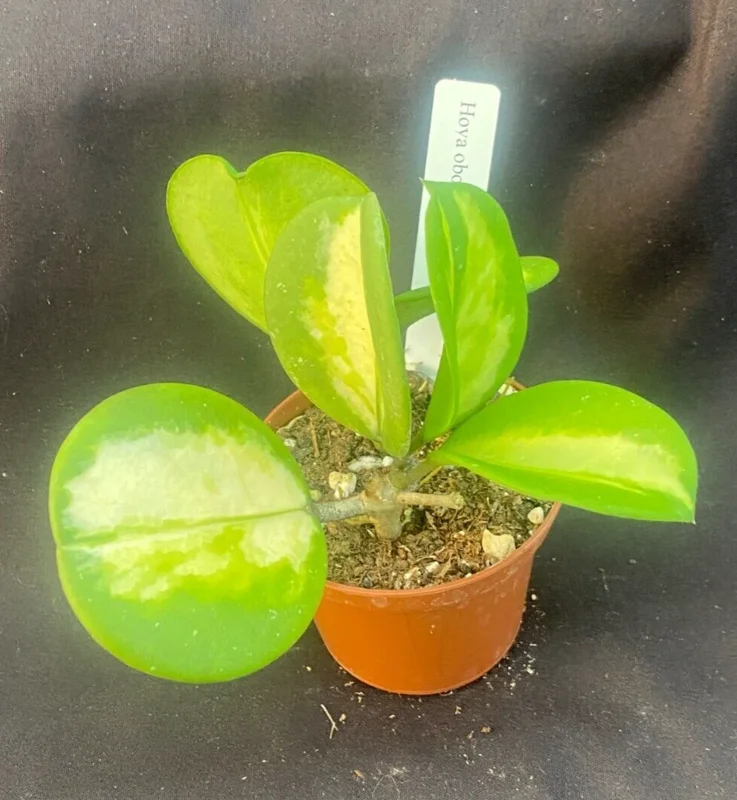
Sold 50 products
$32.38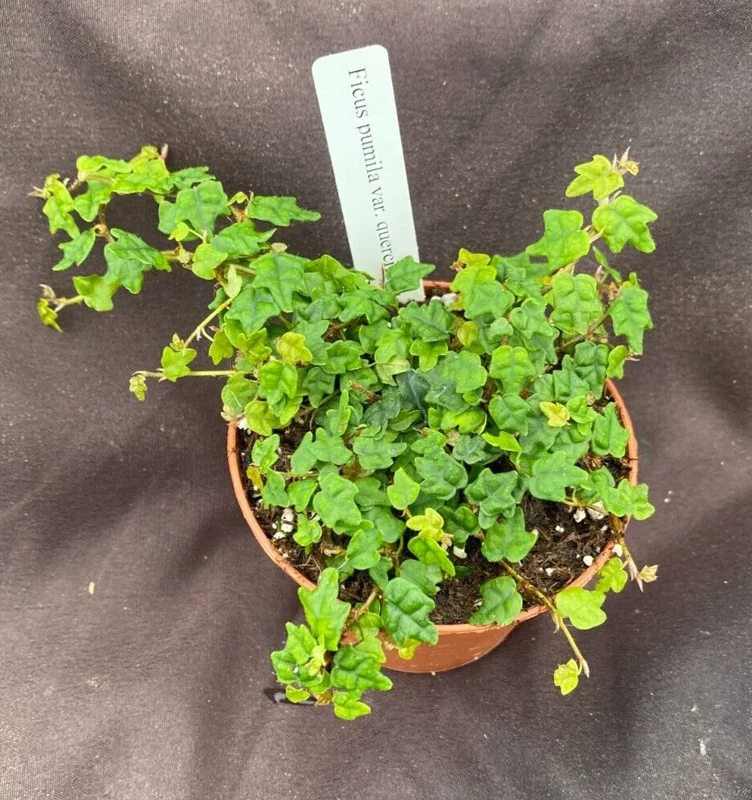
Sold 50 products
$19.88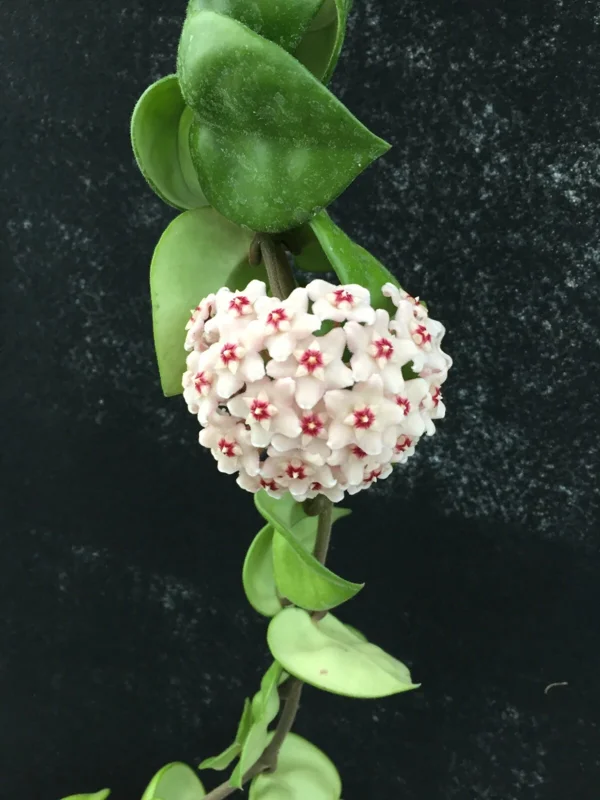
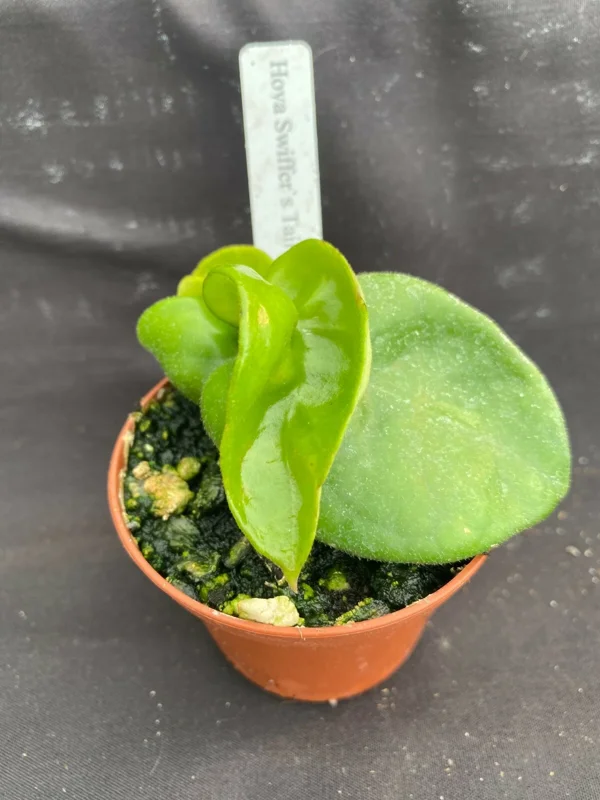
Sold 50 products
$62.38
Sold 50 products
$24.88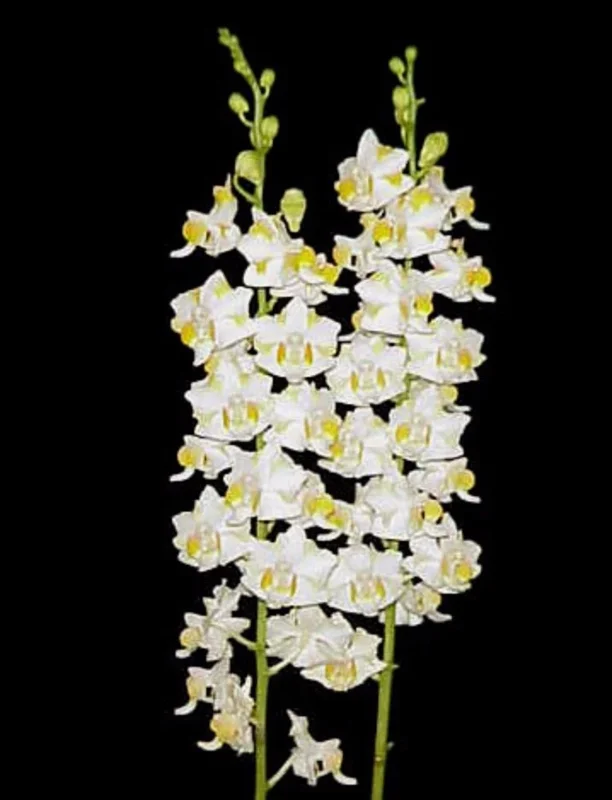
Houseplants
Phalaenopsis pulcherrima ‘Mauna Kea Snow’ Orchid Live Plant – White Flowers, Potted 2.5 in
Sold 50 products
$49.88
Sold 50 products
$49.88RELATED posts
Awapuhi Wild Ginger Plant: Zones, Care, and Propagation
Learn which USDA zones suit awapuhi wild ginger, plus sunlight, water, planting, propagation, pests, size, [...]
Awapuhi Shampoo Ginger – Care, Growing Zones, and Differences
Learn how to grow awapuhi (shampoo) ginger, its USDA zones, watering schedule, propagation tips, and [...]
Awapuhi Shampoo Plant Buying Guide – Choose the Right Zingiber zerumbet
META: Learn which awapuhi (shampoo ginger) plant or rhizome pack gives the best natural shampoo, [...]
Awapuhi Plant for Sale: Complete Buying Guide
Find the right awapuhi (shampoo ginger) plant, size, price, soil mix, and online source. Practical [...]
Shampoo Ginger Plant for Sale – Buying Guide & Tips
Find the right shampoo ginger plant, size, price, and care tips. Quick guide for U.S. [...]
Shampoo Ginger Plant (Awapuhi) Care Guide
Learn how to grow, care for, and use shampoo ginger (Zingiber zerumbet), the tropical awapuhi [...]
How to Grow Cuban Oregano Plants: A Complete Care Guide
If you’ve ever wanted a plant that combines the culinary punch of traditional oregano with [...]
Aug
How to Grow Habanero Pepper Plants: A Step-by-Step Guide
Habanero pepper plants are prized for their vibrant colors, intense heat, and exceptional flavor, making [...]
Aug
Reviews
There are no reviews yet.