
Seed Tips, Gardening Tips
9 Best Flower Seeds to Start in February for Early Blooms
Jan
If you’re a passionate gardener, you know that itchy feeling in your fingers when February rolls around. The ground might still be frozen or muddy, but the promise of spring is hanging in the air! For many of us, February is that restless “in-between” month. It is too cold to plant outside in most states, but it is exactly the right time to start your indoor seed trays.
If you wait until the last frost to buy nursery starts, you are missing out on the best varieties and the satisfaction of watching a tiny seed turn into a burst of color. Starting seeds indoors in late winter gives your plants a massive head start, meaning you get blooms weeks before your neighbors do.
In this guide, I’ll walk you through the best flower seeds to start in February, the “must-have” gear to get you going, and some pro tips to ensure your seedlings thrive. Let’s dig in!
You may like:
- 7 Must-Sow Vegetable Seeds For February To Ensure A Bountiful Summer Harvest
- What to Sow in February: A Complete Guide for Every Climate
- 10 Tips for Growing Beautiful Cut Flowers from Seed at Home
- Get a Head Start on Spring Gardening: The Best Seeds to Start Indoors Now
Why February is the Perfect Time to Start Seeds
Most flower seeds need about 6 to 10 weeks of indoor growth before they are strong enough to face the outdoor elements. If you live in USDA Hardiness Zones 5, 6, or 7, February is your golden window.
By sowing now, you allow slow-growing species to develop a robust root system. When the soil finally warms up in May, these plants will be ready to “take off” rather than just starting their journey. It is also a great way to beat the winter blues. There is something incredibly hopeful about seeing a bright green sprout when there is still snow on the ground in places like Ohio or New York.
9 Flower Seeds to Start in February
Here are the top picks that thrive when started in the heart of winter.
1. Snapdragons (Antirrhinum)
Snapdragons are one of the best flower seeds to start in February. It’s the tall, stately architects of the garden. They take a surprisingly long time to grow from those tiny, dust-like seeds into the sturdy spikes we love. Because they are quite frost-tolerant, getting them started now means they’ll be ready to go into the ground while the air is still crisp.
They come in stunning heights, perfect for the back of a flower bed.
Tip: Snapdragons need light to germinate! Sprinkle them on top of your soil and press gently, but don’t bury them, or they’ll stay dormant.
2. Pansies and Violas
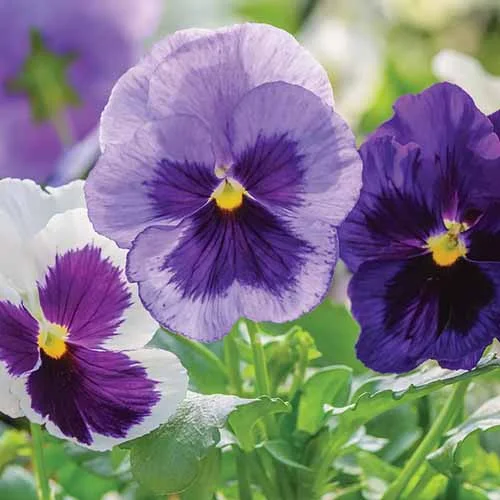
These “cheerful faces” are much tougher than they look. Pansies and violas can actually survive a light frost, making them perfect for early spring containers. If you start flower seeds in February, you’ll have blooming plants ready to tuck into your window boxes by April.
They offer that much-needed pop of purple, yellow, and blue when the rest of the landscape is still brown.
Tip: Unlike snapdragons, these guys prefer the dark to sprout. Cover them with about 1/8 inch of soil and keep them in a slightly cooler spot.
3. Sweet Peas (Lathyrus odoratus)
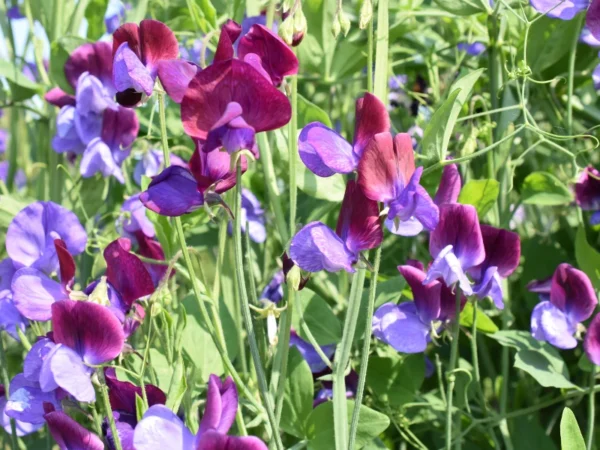
If you want a garden that smells like heaven, Sweet Peas are non-negotiable.
Sweet peas are famous for two things: their incredible fragrance and their dislike of summer heat. To get the best scent and longest vines, you must start them early. Many gardeners in the South or the Pacific Northwest even sow them in the fall, but for the rest of the US, a February indoor start is a perfect time.
By starting them in deep pots in February, you allow them to develop a massive root system that will support a profusion of fragrant blooms before the July sun arrives. Tip: Their seed coats are tough! Nick the seeds with a nail file or soak them in warm water for 24 hours to help them “wake up.”
Read more: How to Blanch Peas for Perfect Flavor and Color: A Comprehensive Guide
4. Begonias
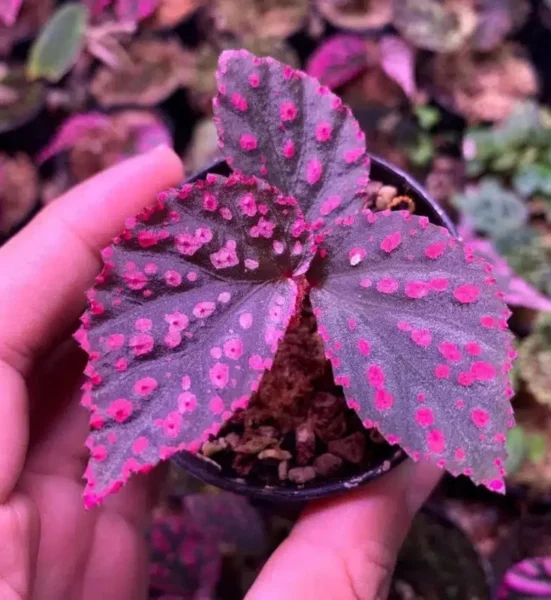
If you want begonias from seed, you have to start early. They are notoriously slow growers. The seeds are as fine as dust, so be careful when opening the packet! Because they take so long to reach flowering size, a February start is non-negotiable if you want a full display by Memorial Day.
Tip: Begonia seeds are often sold “pelleted” (coated in a white powder) because they are so tiny. Use a toothpick to place them exactly where you want them.
5. Petunias
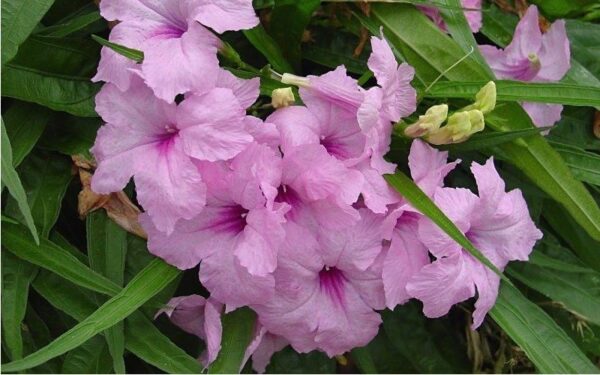
Petunias are a staple for hanging baskets across America. Starting them from seed allows you to choose unique colors like deep burgundy or striped varieties that you won’t find at the local big-box store.
Petunias offer incredible bang for your buck, but they need about 10 to 12 weeks of indoor growth to become the trailing beauties we see at garden centers. Tip: Use a spray bottle to water your petunia seedlings. They are very delicate early on, and a heavy watering can easily wash them away. They need plenty of light, so keep them under a grow light as soon as they sprout.
6. Geraniums (Pelargonium)
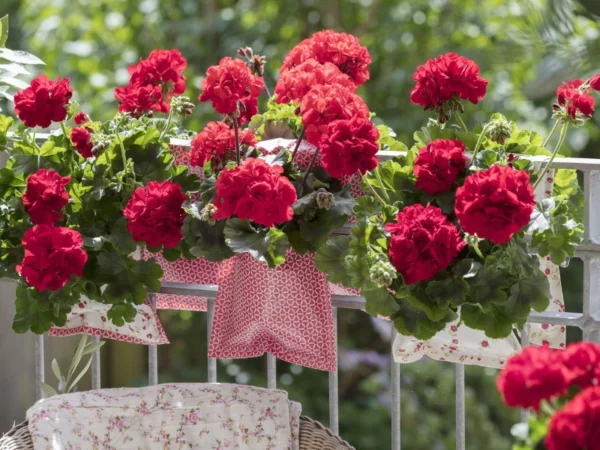
Most people buy geraniums as established plants, but growing them from seed is much cheaper and surprisingly rewarding, and gives you access to unique colors you won’t find at the big-box stores. They take about 3 to 4 months to bloom, so sowing in February ensures they are ready for your porch pots by late May.
Tip: Keep your geranium seeds warm. A heat mat under your seed tray can drastically improve your success rate.
7. Lobelia
Lobelia creates a stunning “waterfall” effect of electric blue or white flowers. The seeds are tiny, so it is best to sow them on the surface of your seed starting mix. They love the cool transition from spring to summer, making them a perfect candidate for an early start.
Starting them in February ensures they’ll be spilling over the edges of your pots by Mother’s Day.
8. Foxgloves (Digitalis)
Foxgloves are the towering queens of the woodland garden. These biennials (or short-lived perennials) usually take their time to settle in, but starting them in February gives them a massive head start. If you want those dramatic, bell-shaped towers to anchor your flower beds, you’ve got to get them moving while the coffee is still hot and the snow is still falling. Tip: Like Snapdragons, Foxgloves need light to germinate. Surface-sow them and resist the urge to cover them with soil. Also, keep in mind they are toxic if ingested, so handle with care if you have curious pets!
9. Impatiens
If your garden has a shady corner that needs a “pop” of neon color, Impatiens are your best friends. They are famous for their “patience” (ironically, given the name!) because they grow quite slowly from seed and love steady, warm temperatures. Starting them in February ensures you have bushy, bloom-ready plants the moment the danger of frost has passed. Tip: Impatiens are very sensitive to drying out. Keep your seed-starting mix consistently moist (like a wrung-out sponge) but never soggy to prevent “damping off” disease.
Read more: Top 5 Flowers to Grow on Your Small Balcony for a Stunning Outdoor Space
Essential Supplies for February Seed Starting
You do not need a greenhouse to be successful, but you do need the right gear.
First, avoid using garden soil. It is too heavy and might contain pests. Use a sterile indoor seed starting mix, which is lightweight and retains moisture perfectly.
Second, consider a heating mat. Most flower seeds germinate best when the soil temperature is between 65 and 75 degrees Fahrenheit. Since many American homes are kept cooler in the winter, a heat mat under your trays can do wonders.
Finally, let’s talk about light. Even a sunny window usually isn’t enough in February because the days are too short. Your seedlings might become “leggy” (tall, thin, and weak) as they stretch for light. A simple LED grow light kept just a few inches above the plants will keep them short and strong.
How to Start Seeds Indoors
Starting seeds is simpler than it looks.
-
Fill your trays with damp seed starting mix.
-
Place 2 to 3 seeds in each cell. Check the seed packet for depth; some seeds need light to germinate and should be left on the surface.
-
Cover the tray with a plastic dome to keep the humidity high.
-
Once you see green sprouts, remove the dome and turn on your lights.
-
Water from the bottom by pouring water into the tray rather than on top of the plants. This prevents a common fungal issue called damping off.
Read more:
- 7 Seed Sowing Tips for Beginners
- Hardening Off Seedlings: The Ultimate Guide for Healthy Transplants
- Starting Flower Seeds Indoors: How and When to Start Seeds
- Seed Tips: A Guide to Choosing and Caring for Quality Seeds
- 10 Tips for Growing Beautiful Cut Flowers from Seed at Home
Common Mistakes to Avoid When Sowing in February
The biggest mistake is overwatering. It is tempting to keep the soil soaking wet, but seeds need oxygen too. If the soil is constantly soggy, the seeds will rot.
Another issue is the temperature. While seeds like warmth to sprout, once they are growing, they actually prefer slightly cooler air (around 60 to 65 degrees) so they don’t grow too fast and become weak.
Frequently Asked Questions (FAQs)
Can I start flower seeds in February without grow lights?
It is difficult. Even a south-facing window in the US rarely provides enough intensity during winter. Without extra light, your plants will likely be weak and fall over.
When should I transplant my February seedlings outside?
Wait until the danger of frost has passed in your specific area. You can find your “last frost date” by entering your zip code into an online garden calendar.
Do I need to soak all flower seeds before planting?
No, only seeds with very hard coats, like Sweet Peas or Morning Glories, benefit from soaking. Most small flower seeds can go straight into the soil.
Is it too early to start Zinnias or Marigolds in February?
Yes, for most people. These are “fast-track” flowers. If you start them in February, they will be huge and root-bound before it is warm enough to move them outside. Save those for late March or April.
Conclusion
Starting your flower garden in February is the ultimate act of optimism. It turns the coldest month of the year into a time of growth and planning. By choosing these nine varieties and giving them the light and warmth they need, you are setting yourself up for a spectacular spring.
What are you planning to grow this year? If you are looking for more tips on choosing the right containers or finding the best organic fertilizers, check out our other guides on spring garden preparation. Happy planting!