
Gardening Tips, Seed Tips
What Is Yellow Watermelon? Top 5 Varieties You Should Grow This Summer
Jul
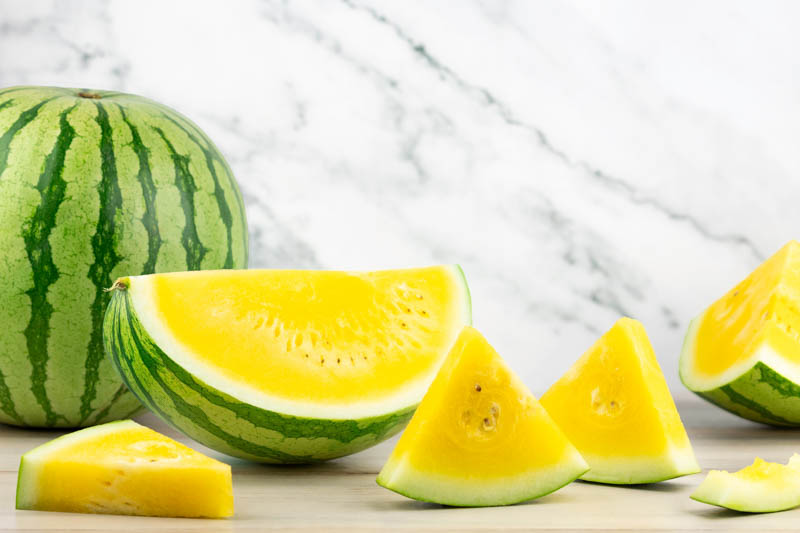
Have you ever sliced open a watermelon expecting bright red… only to find sunny yellow staring back at you? If so, congratulations, you’ve just met yellow watermelon, the golden cousin of the classic summer fruit. And if you’ve never tried one before? Trust me, you’re in for a delicious surprise.
Yellow watermelon might look like a twist on tradition, but it’s actually an ancient, naturally occurring variety that predates red watermelons! With their crisp texture and honey-like flavor, yellow-fleshed watermelons are making a big comeback in backyard gardens, and it’s easy to see why.
From sweet-as-sugar slices to vibrant color that steals the spotlight at every picnic, these sunny beauties are more than just good-looking. They’re easy to grow, heat-loving, and absolutely bursting with flavor — literally. So if you’re thinking of planting watermelons this summer, why not go for gold?
I’m here to walk you through everything you need to know, from what makes yellow watermelon different to the top 5 varieties worth growing right now. Let’s get you started on your sweetest summer yet!
What Is Yellow Watermelon?

Yellow watermelon is exactly what it sounds like: a variety of watermelon that has bright yellow flesh instead of the usual red or pink. The skin still looks just like a classic watermelon (green and striped), but cut it open and you’ll find golden goodness inside.
The yellow color is completely natural and comes from a lack of lycopene, the pigment that makes red watermelon red. Instead, yellow varieties are packed with beta-carotene, the same antioxidant that gives carrots and sweet potatoes their orange hue. Not only is it pretty, it’s good for you too!
Besides their stunning appearance, yellow watermelons are known for their distinctly sweet, tropical flavor, often described as a mix between honey, mango, and cantaloupe. They’re also:
-
Early maturing (great for short summers)
-
Drought-tolerant once established
-
Fun conversation starters at any barbecue or garden tour
Plus, they make a colorful addition to fruit salads and smoothie bowls that’ll make your Instagram feed sing.
Are Yellow Watermelons Genetically Modified?
Nope! Yellow watermelons are not genetically modified, they’ve been around for thousands of years. In fact, early watermelons grown in Africa were more likely to be yellow or white inside.
Modern seed varieties have simply been selected and bred over time to enhance their sweetness, texture, and size, no lab coats or test tubes involved.
How Does Yellow Watermelon Taste?
In a word: sweet. Many gardeners say yellow watermelon tastes even sweeter than its red counterparts. It tends to have:
-
Less acidity
-
A more honey-like finish
-
A slightly softer texture (depending on the variety)
If red watermelon reminds you of a juicy summer splash, yellow watermelon feels like a golden sunset melting on your tongue. Seriously — it’s that good.
Top 5 Varieties of Yellow Watermelon to Grow This Summer
1. Yellow Crimson

If you’re a fan of traditional red watermelon and want to ease into something new, Yellow Crimson is your perfect match. This variety looks nearly identical to the classic Crimson Sweet on the outside, with its dark green stripes and large, round shape, but inside? It’s pure golden sunshine.
Yellow Crimson produces fruits that can weigh 20–25 pounds, so it’s definitely the best watermelon variety for those who want a bountiful harvest to share. Its flesh is incredibly juicy and sweet, with a flavor that’s almost tropical but still familiar. It’s also fairly easy to grow, making it great for beginners who want to try out yellow melon types for the first time.
Gardeners love this one for its reliability, size, and consistently delicious results. If you’re looking for the best tasting watermelon variety that’s also dependable in most climates, Yellow Crimson is a must-try.
2. Yellow Doll
Don’t have a huge garden? No problem. Yellow Doll is one of the most compact and early-maturing types of yellow melons, perfect for small yards, raised beds, or even large containers. This variety only produces fruits around 5–7 pounds, which makes it easy to handle, easy to store, and perfect for a picnic for two.
The sweetness level is where this melon really shines. Yellow Doll has a crisp texture and an intense, almost honey-like flavor that many growers consider to be the best tasting watermelon variety pound for pound. And because it matures in just about 70 days, it’s ideal if you’re in a cooler zone or you got a late start to your garden.
If you’re growing in a tight space or want a quick reward, Yellow Doll checks all the boxes for one of the best watermelon varieties to plant this summer.
3. Desert King
Living somewhere hot and dry? Then Desert King might just be your garden’s new MVP. This heat-tolerant, drought-resistant melon is one of the hardiest yellow melon types out there, and it absolutely thrives in tough conditions where other melons might struggle.
Desert King produces large, oval-shaped melons that often weigh in at 20–30 pounds. Its flesh is a vibrant golden yellow with a mild, refreshing sweetness that’s incredibly thirst-quenching on a hot day. While it might not have the sugary punch of Yellow Doll, its soft, mellow flavor makes it a favorite for smoothies and chilled snacks.
Because it’s so durable and forgiving, Desert King is often recommended as one of the best watermelon varieties for gardeners in southern or arid climates. If you want a robust, easygoing melon that can handle the heat, this is a top contender among all types of yellow melons.
4. Buttercup (Yellow Seedless)
Seedless and sweet? Yes, please! Buttercup is one of the most popular yellow melon types for those who want that ultra-smooth, no-spit experience. This hybrid variety produces beautiful round melons with bright yellow flesh and very few seeds, sometimes none at all, depending on pollination.
The flavor is rich and candy-like, with a dense texture that makes each bite feel substantial and satisfying. It’s often described by gardeners as one of the best tasting watermelon varieties, especially for kids or anyone who finds traditional melons a bit bland.
Buttercup does take a bit longer to mature — about 85–90 days — and it prefers warm, steady temperatures. But if you’re patient and have the room, you’ll be rewarded with a showstopper crop that’s as easy to eat as it is to grow. Among modern yellow melon types, Buttercup is a total standout.
5. Yellow Petite
Small, adorable, and oh-so-sweet — Yellow Petite is exactly what it sounds like: a miniature melon with a huge personality. This variety produces compact, round fruits in the 4–6 pound range, making it ideal for patio gardeners, balcony growers, or anyone with limited space.
Despite its small size, Yellow Petite delivers big flavor. The flesh is juicy and sweet with a hint of citrus — perfect for summer snacking, blending into drinks, or tossing into fruit salads. And because it matures in as little as 68–72 days, it’s one of the fastest-producing yellow melon types on the market.
Many gardeners choose this as their go-to best watermelon variety for container growing or early harvests. It’s a charming addition to any garden and guaranteed to turn heads once you slice it open and reveal that cheerful yellow inside.
Tips for Growing Yellow Watermelon
-
Full sun is a must: Watermelons need 6–8 hours of direct sun daily to thrive.
-
Warm soil = happy melons: Wait until soil temps hit 70°F (21°C) before planting.
-
Use well-draining soil: Loamy or sandy soil is best. Avoid heavy clay.
-
Water deeply and consistently: Keep soil evenly moist, especially while fruits are growing.
-
Mulch to retain moisture and reduce weeds — straw or black plastic works great.
-
Hand-pollinate if needed: Especially in small gardens or when bees are scarce.
And remember: watermelons love room to sprawl! Give vines plenty of space, or train them along a trellis for vertical growth in tight gardens.
Read more:
- Hardening Off Seedlings: The Ultimate Guide for Healthy Transplants
- 7 Seed Sowing Tips for Beginners
- Seed Tips: A Guide to Choosing and Caring for Quality Seeds
- Starting Flower Seeds Indoors: How and When to Start Seeds
FAQs About Yellow Watermelon
Can I grow yellow watermelon in containers?
Yes, but choose a compact variety like Yellow Doll or Yellow Petite. Use a large pot (at least 15 gallons), and support the vines or let them spill over the edge. Be extra consistent with watering in pots — they dry out quickly!
Do yellow watermelons cross-pollinate with red ones?
They can! But it won’t affect the fruit this year — cross-pollination only affects the seeds of the next generation. So feel free to grow both in the same garden bed.
Are yellow watermelons as nutritious as red ones?
Definitely — just in a different way. While they lack lycopene, they’re rich in beta-carotene, antioxidants, vitamin A, and hydration power. They’re a fantastic addition to a healthy summer diet.
When is the best time to harvest yellow watermelon?
Look for signs like a yellow spot on the underside, brown tendrils near the stem, and a deep hollow “thump” when tapped. Unlike red melons, yellow types can sometimes be trickier to judge — but with practice, you’ll get the hang of it.
Final Thought
Growing yellow watermelon is like adding sunshine to your garden — bold, cheerful, and sweet in every sense. Whether you’re after a full-sized harvest for family cookouts or just want a few golden gems for your balcony garden, there’s a variety here that fits your space and style.
Once you’ve tasted that first slice of honey-sweet melon straight from the vine, you might never go back to red again. Ready to turn your summer golden? Grab some seeds, prep your patch, and let the yellow magic begin!
Pingback: Secrets to Growing Yellow Watermelons — Tips for Big, Sweet, and Juicy Fruits - Chickpet Market