
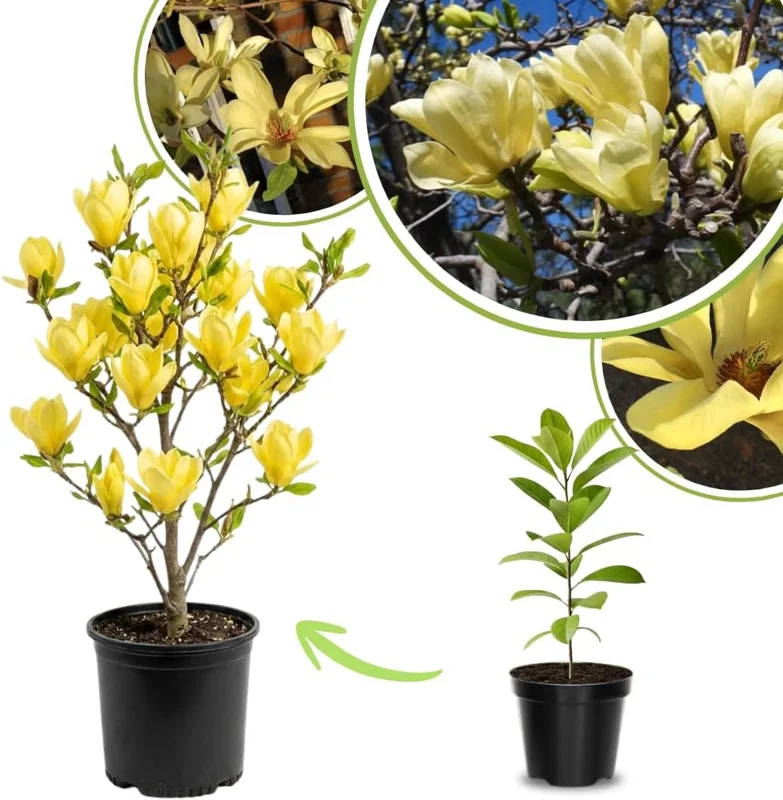
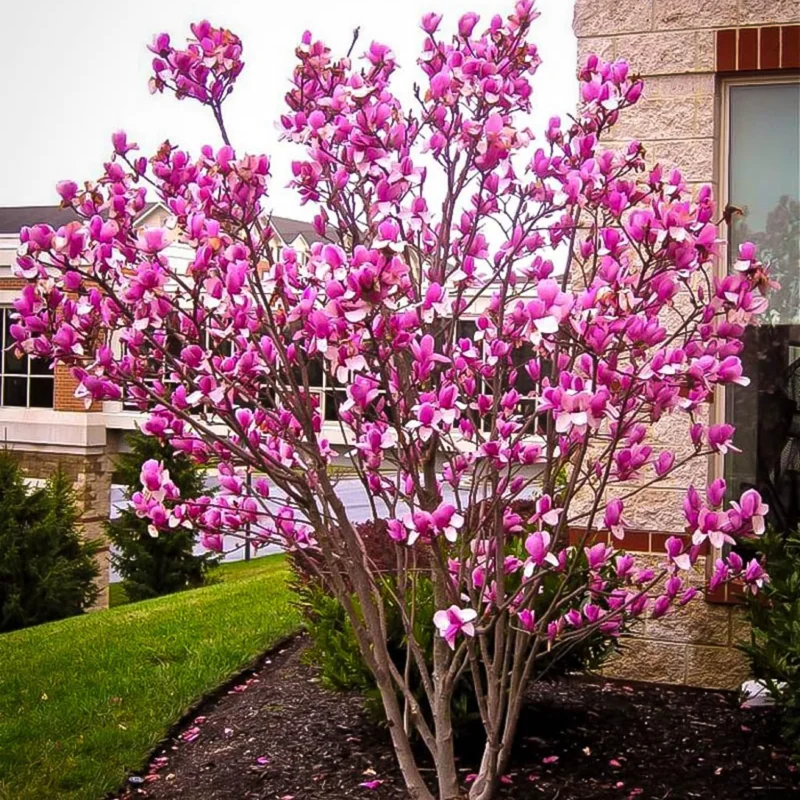
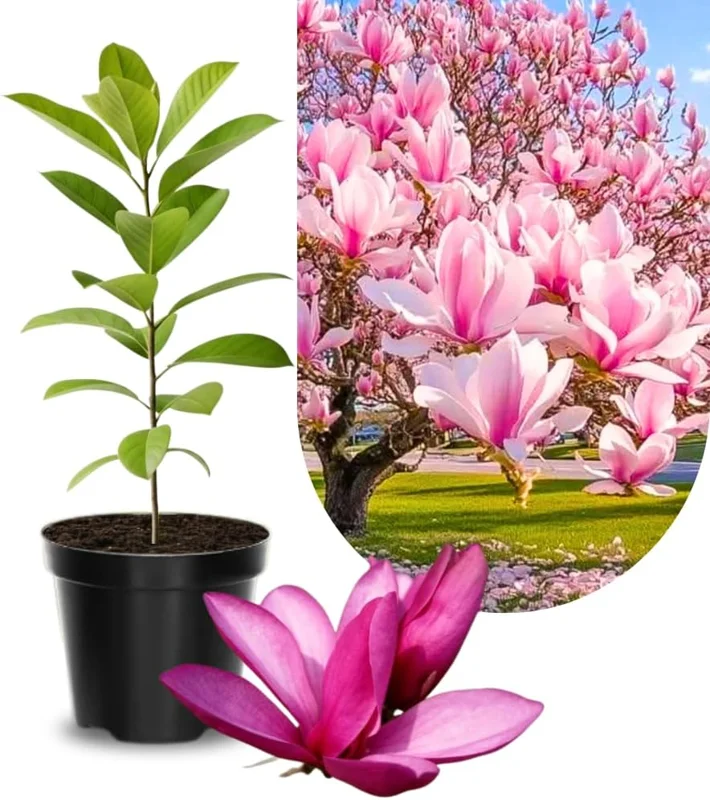
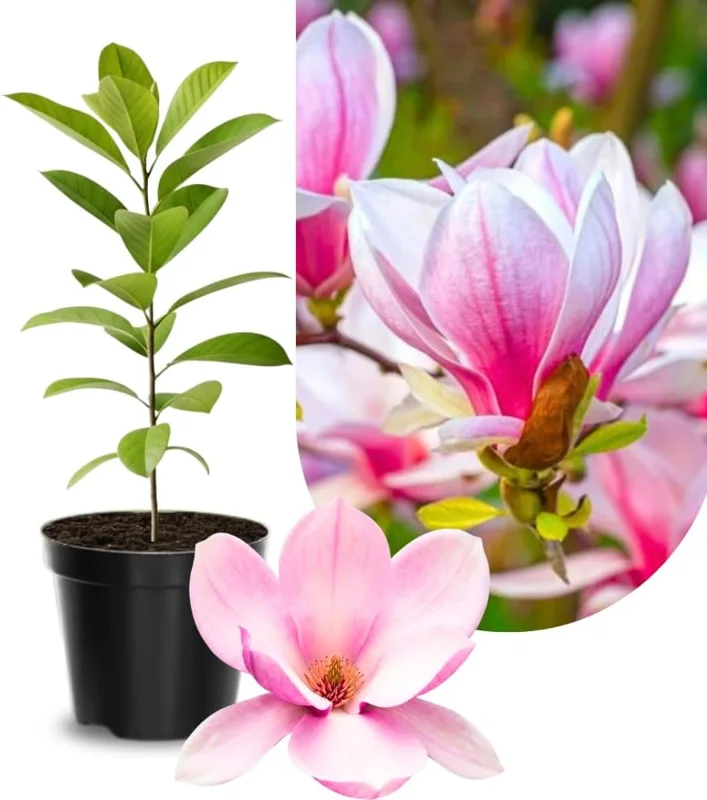
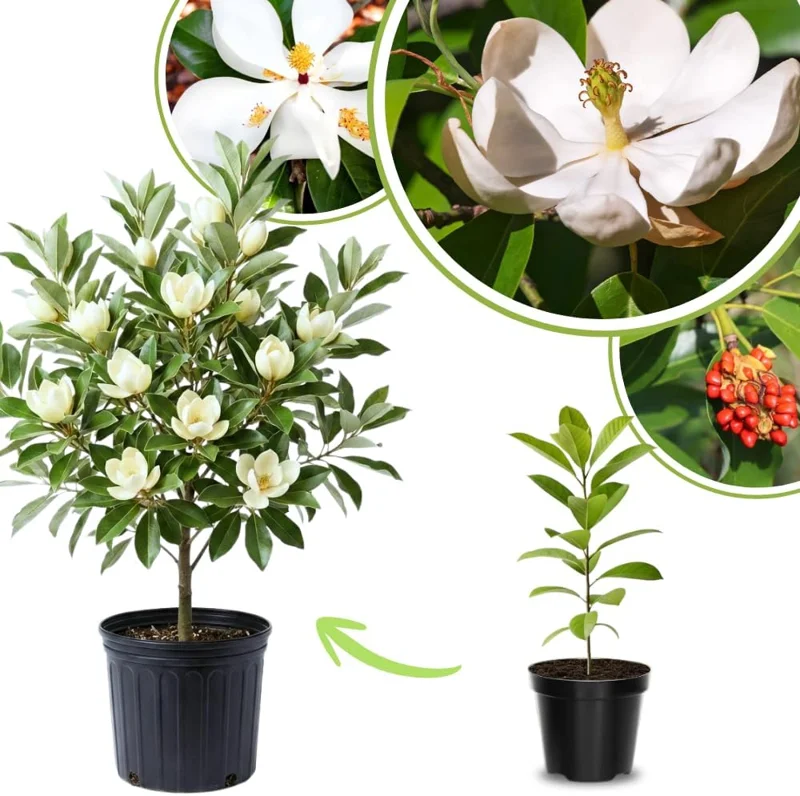
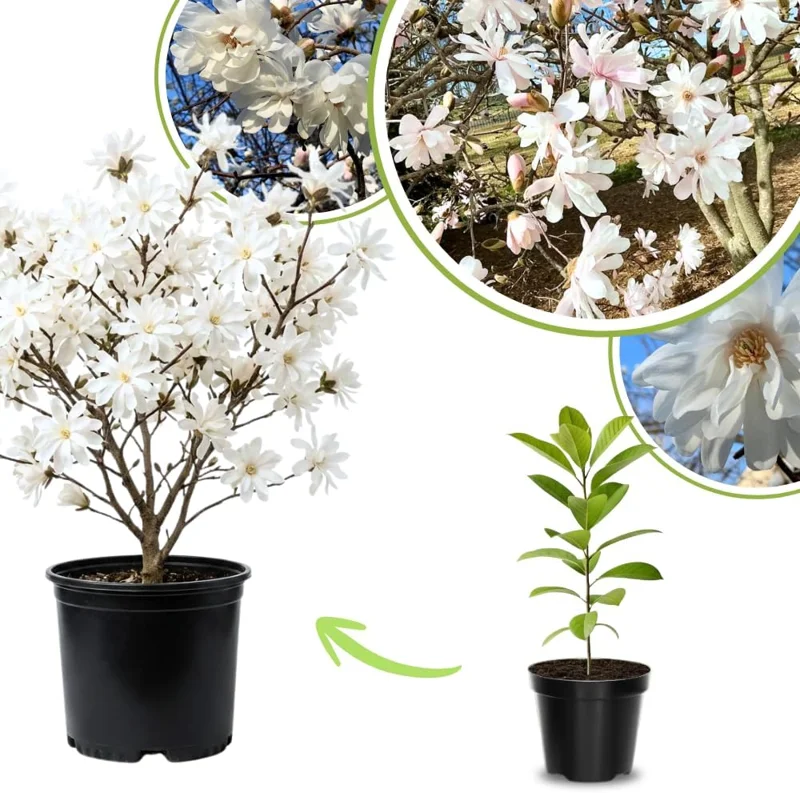
Yellow Bird Magnolia Live Plant – 6-12 Inches Tall, 2.5 Inch Pot, Fragrant Yellow Flowers, Outdoor Tree
Price range: $41.38 through $48.58
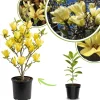
Bring elegance to your garden with a yellow bird magnolia live plant. This beautiful magnolia tree produces large, tulip-shaped yellow flowers with a light fragrance in late spring. It ships approximately 6-12 inches tall in a 2.5-inch nursery pot, ready for planting.
Shipping and Return policies:
We stand behind our plants with our Alive & Thrive Guarantee. If you experience any issues within the first 30 days, please email us, and our team will be happy to help. When needed, we’ll send you a one-time replacement free of charge to make sure your garden keeps growing strong.

Reasonable Price
We offer reasonable price

Support 24/7
Contact us 24 hrs a day
100% Money Back
You’ve 30 days to Return
Payment Secure
100% secure payment
Overview
Introduce a touch of radiant beauty to your landscape with the stunning yellow bird magnolia live plant. This captivating deciduous tree is celebrated for its upright, tulip-shaped yellow flowers that emerge in late spring, offering a delightful fragrance and a vibrant splash of color. Unlike many other magnolias, the ‘Yellow Bird’ cultivar stands out with its clear, bright yellow blooms, making it a highly sought-after specimen for gardeners and landscape enthusiasts. Your new fragrant magnolia tree arrives as a young, healthy plant, typically 6-12 inches tall, carefully cultivated in a 2.5-inch nursery pot, ensuring it is ready for successful transplanting into your garden or a larger container.
The yellow bird magnolia live plant is a remarkable addition to any garden, known for its robust growth and striking floral display. It is a true testament to nature’s artistry, combining ornamental appeal with ease of care. This particular variety, often referred to as magnolia yellow bird, is a hybrid offering the best characteristics for a vibrant and healthy tree that will enhance your outdoor space for years to come. Prepare to enjoy the enchanting beauty and sweet aroma this magnificent tree brings to your home.
Key Benefits
Cultivating a yellow bird magnolia live plant offers a multitude of benefits, from its stunning visual appeal to its robust nature, making it a rewarding choice for any garden.
- Spectacular Yellow Blooms: Enjoy large, tulip-shaped flowers with a brilliant yellow hue that stand out against the green foliage. These fragrant blooms provide a stunning display in late spring, creating a focal point in your landscape.
- Delightful Fragrance: The beautiful yellow flowers emit a light, pleasing fragrance that adds another sensory dimension to your garden experience, attracting pollinators and delighting visitors.
- Cold-Hardy & Adaptable: This resilient magnolia variety thrives in USDA Hardiness Zones 5-9, making it suitable for a wide range of climates. It is known for its ability to withstand colder temperatures, ensuring long-term success.
- Impressive Mature Size: As it matures, the fragrant magnolia tree develops into a stately tree, reaching approximately 30-40 feet tall and 20-30 feet wide, providing substantial shade and architectural interest to your property.
- Easy to Grow & Maintain: Despite its grand appearance, the magnolia yellow bird is relatively easy to care for, requiring minimal maintenance once established. It adapts well to various soil types and light conditions.
- Attracts Pollinators: The vibrant flowers are a magnet for bees and other beneficial pollinators, contributing to the biodiversity and health of your garden ecosystem.
Plant Care & Growing Tips
Proper care is essential for your yellow bird magnolia live plant to flourish and produce its spectacular blooms. This variety is known for its hardiness, but understanding its specific needs will ensure optimal growth and health. The magnolia tree care involves a few key steps to help it thrive in your garden.
For sunlight exposure, the Yellow Bird Magnolia prefers full sun to partial shade. Aim for at least 6 hours of direct sunlight per day to encourage the best flowering. While it can tolerate some shade, too much will reduce the number and vibrancy of its blooms. When it comes to watering, consistent moisture is crucial, especially during its establishment period. Water deeply and regularly, ensuring the soil remains evenly moist but not waterlogged. Once established, it becomes more drought-tolerant but will still benefit from irrigation during dry spells. Good drainage is paramount for this plant.
The ideal soil type for your yellow bird magnolia live plant is well-draining, fertile, and slightly acidic soil. Sandy loam is often recommended, but it can adapt to various soil compositions as long as drainage is adequate. Incorporating organic matter, such as compost, at planting time will greatly benefit its growth. This cold-hardy magnolia grows well in USDA Hardiness Zones 5-9. It’s important to protect young plants from harsh winter winds in the colder parts of its range. Fertilize in early spring with a balanced, slow-release granular fertilizer formulated for trees and shrubs. Follow the product instructions for application rates. Watch out for common pests like aphids or scale insects, and treat with horticultural oil or insecticidal soap if necessary. Proper air circulation also helps prevent fungal diseases.
Size & Details
Your yellow bird magnolia live plant will arrive as a young, vibrant specimen, typically measuring approximately 6-12 inches tall. It is carefully grown and shipped in a 2.5-inch nursery pot, complete with its root ball and soil, ready for immediate planting. This ensures a smooth transition to your garden, minimizing transplant shock. The initial size is perfect for establishing a strong root system before it embarks on its impressive growth journey.
At maturity, this magnificent fragrant magnolia tree can reach significant dimensions, typically growing to a height of 30-40 feet with a spread of 20-30 feet. Its growth rate is moderate, allowing you to enjoy its development over the years. The expected blooming period is late spring, when its large, tulip-shaped yellow flowers will emerge. This vigorous tree will become a prominent feature in your landscape, providing shade, beauty, and delightful fragrance for decades to come, especially with proper magnolia tree care.
Frequently Asked Questions
- Q: How big does this plant get? A: A: The yellow bird magnolia live plant will arrive approximately 6-12 inches tall. At maturity, this stately tree can reach impressive heights of 30-40 feet and spread 20-30 feet wide, providing substantial landscape presence.
- Q: What size pot does it come in? A: Your yellow bird magnolia live plant is shipped in a 2.5-inch nursery pot, providing a healthy start for its root system. It’s ready for transplanting into a larger container or directly into your garden.
- Q: Is this an indoor or outdoor plant? A: The Yellow Bird Magnolia is primarily an outdoor plant, best suited for garden and landscape settings. It is a deciduous tree that requires a period of dormancy and thrives in various outdoor conditions.
- Q: How much sunlight does it need? A: This fragrant magnolia tree thrives in full sun to partial shade, ideally receiving at least 6 hours of direct sunlight per day to promote vigorous growth and abundant flowering.
- Q: Is this plant easy to care for? A: Yes, the Yellow Bird Magnolia is considered relatively easy to grow and maintain once established. It requires consistent watering during its initial growth phase but becomes more self-sufficient over time. Following basic magnolia tree care guidelines will ensure its health.
- Q: What condition will it arrive in? A: Your plant will arrive healthy and well-rooted in its nursery pot, carefully packaged to ensure a safe journey. It will be approximately 6-12 inches tall, ready for planting.
- Q: How long until it blooms? A: While young plants may take a few years to establish before blooming profusely, the Yellow Bird Magnolia typically produces its first significant flowers in late spring after it has settled into its new environment and matured slightly.
- Q: When is the best time to plant? A: The best time to plant your yellow bird magnolia live plant is in spring or early fall, allowing the roots to establish before extreme summer heat or winter cold.
- Q: Will it survive winter in my zone? A: Yes, the Yellow Bird Magnolia is a cold-hardy plant, suitable for USDA Zones 5-9. It is designed to withstand winter temperatures within this range, making it a resilient choice for many climates.
- Q: What type of soil does it prefer? A: This magnolia prefers well-draining, fertile, and slightly acidic soil. While adaptable, a sandy loam enriched with organic matter will provide the best growing conditions for your magnolia yellow bird.
| Style | Ann Magnolia, Jane Magnolia, Saucer Magnolia, Star Magnolia, Sweetbay Magnolia, Yellow Bird Magnolia |
|---|
Be the first to review “Yellow Bird Magnolia Live Plant – 6-12 Inches Tall, 2.5 Inch Pot, Fragrant Yellow Flowers, Outdoor Tree”
You must be logged in to post a review.
People also Viewed
Sold 50 products
Original price was: $17.58.$11.86Current price is: $11.86.
Sold 50 products
Price range: $32.99 through $35.99
Sold 50 products
$69.99
Sold 50 products
$18.99
Sold 50 products
Price range: $14.98 through $23.89
Sold 50 products
$32.99
Sold 50 products
$24.99
Sold 50 products
Price range: $43.99 through $44.99RELATED posts
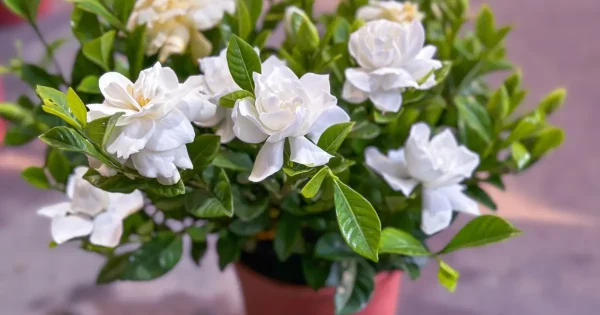
Frostproof Jasmine Care: 7 Tips for Successful Pot Growth
Most gardenias are known for being “divas.” They want perfect humidity, perfect soil, and they [...]
Mar
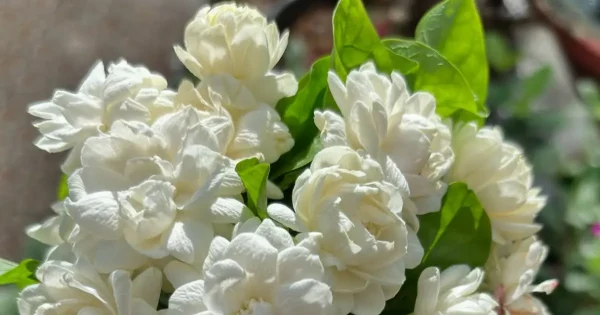
Top 7 Best Smelling Jasmine Varieties for a Heavenly Garden
Have you ever walked past a house and caught a scent so sweet you just [...]
Mar
Master the Heat: 8 Expert Tips for Growing Jalapeños Like a Pro
Are you staring at your garden space, wondering why your pepper plants look more like [...]
Mar
Top 5 Must-Have Hoya Varieties for Beginners
Hoyas are easily one of my top recommendations if you’re hunting for a low-maintenance houseplant [...]
Mar
7 Moringa Plant Care Mistakes to Avoid for Healthy Growth
Have you ever looked at your Moringa tree and wondered why its once vibrant green [...]
Feb
How to Grow Potato Onions From True Seeds: A Step-by-Step Guide
Have you ever wondered how to grow potato onions from true seeds or why some [...]
Feb
Growing Walking Onions in Containers: The Ultimate Guide
Have you ever looked at your small balcony or cramped patio and wished you could [...]
Feb
9 Best Flower Seeds to Start in February for Early Blooms
If you’re a passionate gardener, you know that itchy feeling in your fingers when February [...]
Jan
Reviews
There are no reviews yet.