
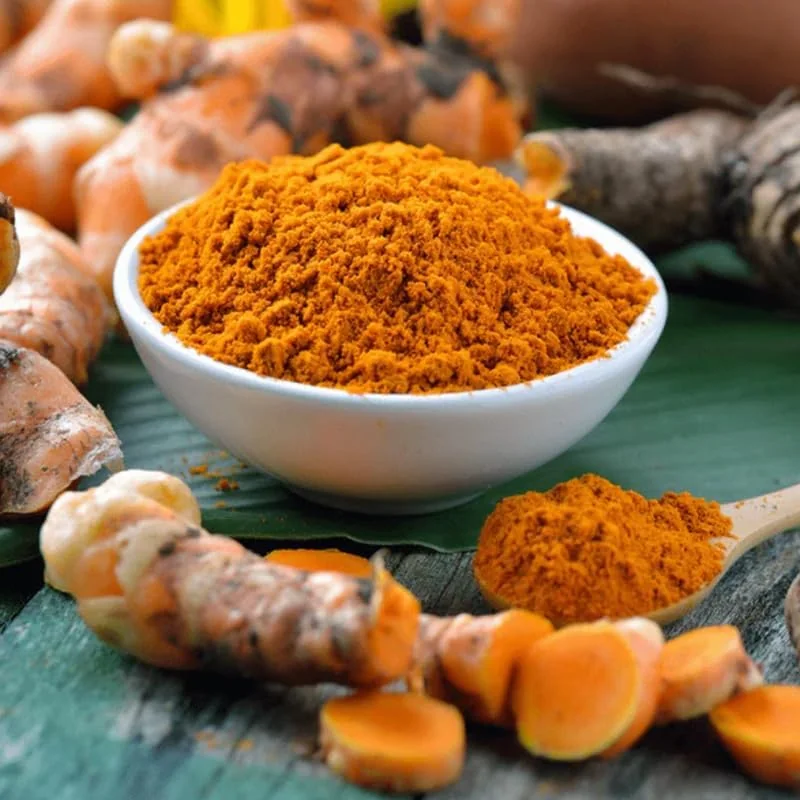
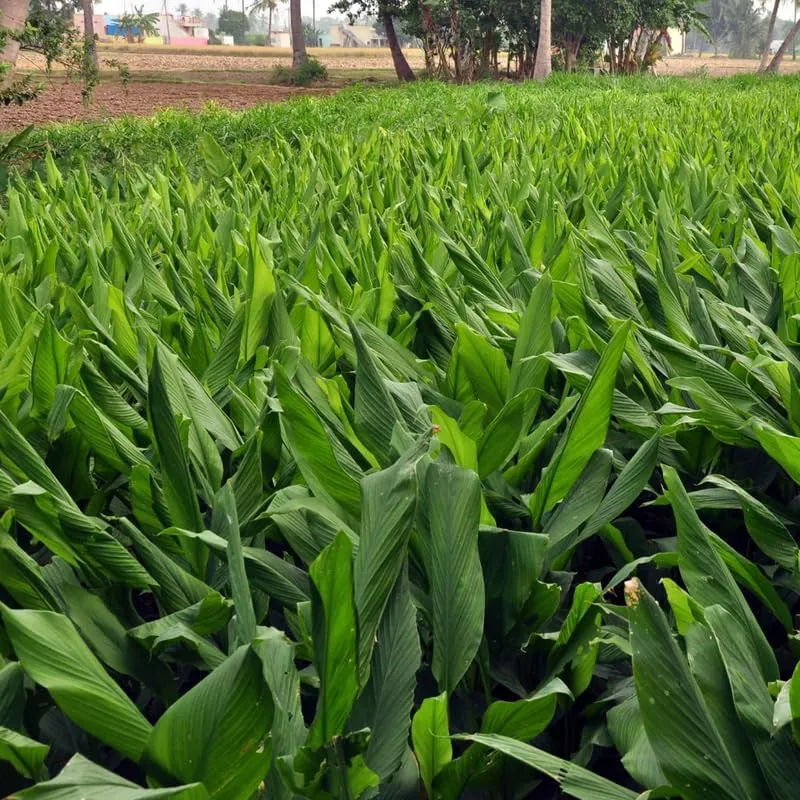
Curcuma Turmeric Ginger Plant Live, 4-8 Inch Tall, Ornamental Flowers
Original price was: $29.98.$16.99Current price is: $16.99.
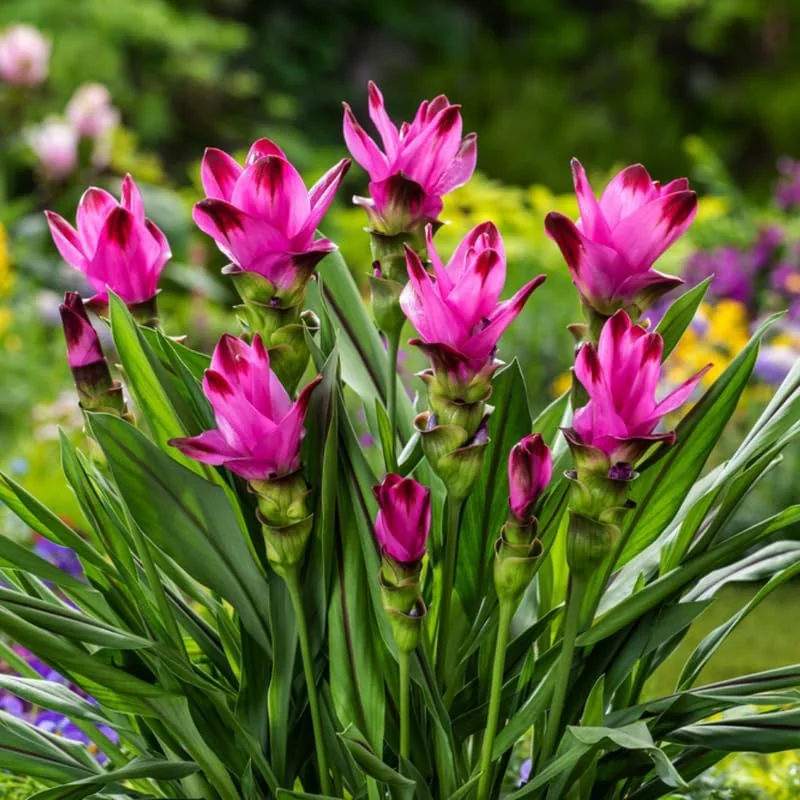
curcuma turmeric ginger plant. This live ornamental plant, standing 4 to 8 inches tall, produces stunning ginger flowers that add a vibrant touch. Perfect for gardeners seeking unique and beautiful blooms.
Shipping and Return policies:
We stand behind our plants with our Alive & Thrive Guarantee. If you experience any issues within the first 30 days, please email us, and our team will be happy to help. When needed, we’ll send you a one-time replacement free of charge to make sure your garden keeps growing strong.

Reasonable Price
We offer reasonable price

Support 24/7
Contact us 24 hrs a day
100% Money Back
You’ve 30 days to Return
Payment Secure
100% secure payment
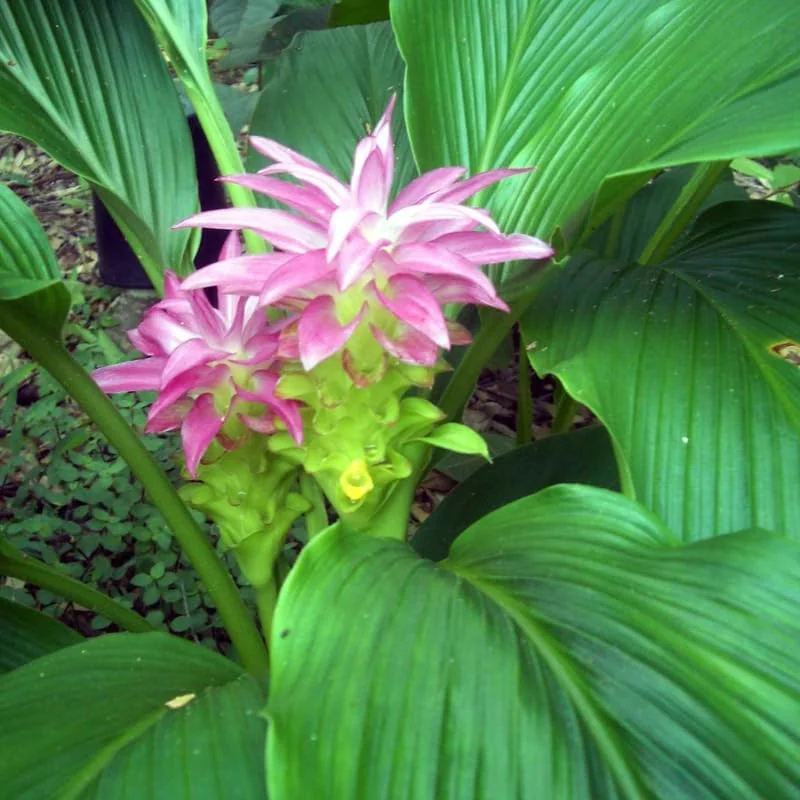
Discover the captivating allure of the curcuma turmeric ginger plant, a magnificent botanical specimen renowned for its vibrant, cone-like flowers and lush foliage. This live plant, often referred to as ornamental ginger, brings a touch of tropical elegance to any setting, whether gracing your indoor spaces or enhancing your outdoor garden. Unlike the common culinary ginger, this species is primarily cultivated for its breathtaking blooms, which emerge in a spectacular display of pink, purple, or white hues, depending on the variety. Each curcuma turmeric ginger plant is a testament to nature’s artistry, promising to be a focal point wherever it’s placed. Its unique appearance and relatively straightforward care make it a favored choice among plant enthusiasts looking for something truly special. Embrace the opportunity to cultivate an exotic ginger plant that not only beautifies but also adds a distinctive charm to your plant collection.
The Curcuma genus, part of the ginger family (Zingiberaceae), is vast and includes both edible and ornamental species. This particular offering focuses on the ornamental varieties, celebrated for their showy inflorescences. These plants are native to tropical regions of Asia and thrive in warm, humid environments, making them ideal for many climates or as potted plants indoors. The upright growth habit and impressive flower spikes ensure a dramatic visual impact. When you choose a curcuma turmeric ginger plant, you’re investing in a living piece of art that will continue to delight with its seasonal blooms and verdant presence.
Key Benefits
The curcuma turmeric ginger plant offers a multitude of benefits, making it an excellent addition to any plant lover’s collection. Its striking appearance and relatively easy care ensure a rewarding growing experience, while its unique characteristics enrich your living space.
- Stunning Ornamental Flowers: The primary appeal of this plant lies in its magnificent, long-lasting flowers. These vibrant, often multi-toned blooms resemble miniature pineapples or lotus flowers, creating an exotic and eye-catching display. They are perfect for cut flower arrangements, bringing tropical beauty indoors.
- Exotic Garden Accent: This curcuma turmeric ginger plant adds an instant tropical vibe to your garden beds, containers, or patio. Its lush foliage and dramatic flowers stand out, creating a dynamic focal point and enhancing the overall aesthetic of your outdoor space.
- Air-Purifying Qualities: Like many houseplants, the Curcuma plant contributes to a healthier indoor environment by naturally filtering airborne toxins. While not as extensively studied as some other plants, its presence helps improve air quality, making your home a fresher place.
- Relatively Low Maintenance: Once established, ornamental ginger plants are surprisingly easy to care for, requiring consistent watering and appropriate light. They are not overly demanding, making them suitable for both experienced gardeners and those new to cultivating exotic species.
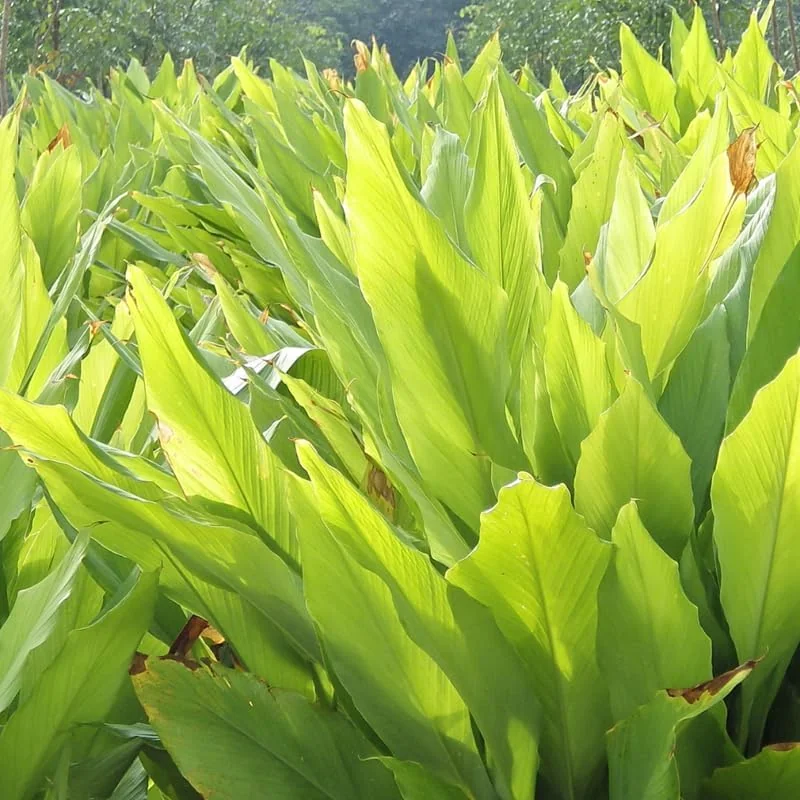
- Unique Foliage: Even when not in bloom, the broad, lance-shaped leaves of the live turmeric ginger plant offer a rich green backdrop. Some varieties feature attractive burgundy or brown stripes down the center, adding to their decorative appeal throughout the growing season.
- Versatile Placement: Whether you’re looking to brighten a sunny windowsill, add texture to a shaded garden corner, or create a stunning patio display, this exotic ginger plant is highly adaptable. It thrives in various settings, provided its basic needs for light and moisture are met.
- Conversation Starter: The unusual and beautiful appearance of the curcuma turmeric ginger plant is sure to capture attention and spark conversations among guests. It’s a plant that inspires curiosity and admiration, showcasing your unique taste in horticulture.
Plant Care & Growing Tips
Caring for your curcuma turmeric ginger plant is a rewarding experience, leading to spectacular blooms and healthy foliage. These tropical beauties thrive when their specific needs for light, water, and soil are met. Understanding these requirements will ensure your plant flourishes, whether indoors or outdoors. The key to successful curcuma plant care lies in mimicking its native tropical habitat as closely as possible.
Sunlight Requirements: Curcuma plants prefer bright, indirect light. If grown outdoors, a location with morning sun and afternoon shade is ideal, as direct, harsh afternoon sun can scorch the leaves. Indoors, place your plant near a window that receives ample bright light but avoids direct, intense rays. An east or north-facing window is often perfect, or a south/west-facing window with sheer curtains to diffuse the light. Insufficient light may result in fewer blooms and leggy growth, while too much direct sun can lead to leaf burn and stress for your live turmeric ginger.
Watering Schedule and Soil Moisture: These plants love consistent moisture, especially during their active growing and blooming season. Water thoroughly when the top inch of soil feels dry to the touch. Ensure proper drainage to prevent waterlogging, which can lead to rhizome rot. Reduce watering significantly in the fall and winter as the plant enters dormancy; allow the soil to dry out almost completely between waterings during this period. Overwatering is a common mistake, so always check the soil before adding more water. Humidity is also appreciated, so consider misting or using a pebble tray if your indoor air is dry.
Soil Type and Drainage: A well-draining, rich potting mix is crucial for the curcuma turmeric ginger plant. A blend of peat moss, perlite, and compost works wonderfully, providing both drainage and essential nutrients. Ensure your pot has drainage holes. For outdoor planting, amend heavy clay soils with organic matter to improve drainage and aeration. Good drainage prevents the rhizomes from sitting in stagnant water, which is vital for their health. The ideal pH for the soil is slightly acidic to neutral.
Temperature Range and USDA Hardiness Zone: Curcuma plants are tropical and thrive in warm temperatures, ideally between 65-85°F (18-29°C). They are not frost-tolerant. If you live in USDA zones 8 and below, it’s best to grow them in containers and bring them indoors before the first frost, or treat them as annuals. In warmer climates (zones 9-11), they can often be grown outdoors year-round. Protect them from cold drafts and sudden temperature fluctuations. This exotic ginger plant will go dormant in cooler temperatures, with its foliage dying back.
Fertilization Schedule and Type: During the active growing period (spring through summer), feed your curcuma plant every 2-4 weeks with a balanced liquid fertilizer, diluted to half strength. A fertilizer formulated for flowering plants can encourage more prolific blooms. Reduce or stop fertilization completely as the plant prepares for dormancy in the fall and winter. Resume feeding in spring when new growth emerges.
Common Problems and Solutions: Watch out for common pests like spider mites and aphids, especially in dry indoor environments. Treat with insecticidal soap or neem oil. Yellowing leaves can indicate overwatering or nutrient deficiency. Drooping leaves might mean underwatering or too much direct sun. If your plant isn’t blooming, it could be due to insufficient light or nutrients. Adjust care routines based on these symptoms to keep your curcuma turmeric ginger plant healthy and vibrant.
Size & Details
This curcuma turmeric ginger plant is supplied as a live plant, typically ranging from 4 to 8 inches in height upon arrival. Each plant is carefully selected to ensure it is healthy and ready for planting in your garden or a decorative pot. While the exact mature size can vary based on growing conditions and specific variety, most ornamental Curcuma species can reach an average height of 18-36 inches (45-90 cm) with a spread of 12-24 inches (30-60 cm) when mature. The plant will arrive in a nursery pot, ready to be transplanted into its permanent home. Its moderate growth rate means you will see noticeable development throughout the growing season.
Expect the foliage to emerge in spring, followed by the stunning ornamental ginger flowers from late spring through summer, and sometimes into early fall. The plant will typically enter a dormant period in colder months, during which the foliage may die back. This is a natural part of its life cycle, and new growth will re-emerge in the spring. Proper care will ensure a robust plant that produces beautiful blooms season after season. The rhizomes are well-established, providing a strong foundation for vigorous growth once planted.
Frequently Asked Questions
- Q: How big does this plant get? A: This curcuma turmeric ginger plant is shipped at 4 to 8 inches tall. With proper care, it can grow to a mature height of 18-36 inches (45-90 cm) and spread 12-24 inches (30-60 cm), making it a striking presence in your garden or home.
- Q: Is this an indoor or outdoor plant? A: The curcuma turmeric ginger plant is versatile. It can be grown outdoors in USDA zones 9-11 year-round. In colder climates, it is best grown in containers and brought indoors before frost, or treated as a beautiful annual.
- Q: How much sunlight does it need? A: This plant thrives in bright, indirect light. If grown outdoors, choose a spot with morning sun and afternoon shade. Indoors, place it near a bright window, but protect it from direct, intense sunlight which can scorch the leaves.
- Q: Is this plant easy to care for? A: Yes, the curcuma plant care is relatively straightforward. It requires consistent moisture during the growing season, good drainage, and bright indirect light. It’s a great choice for both novice and experienced gardeners.
- Q: What condition will it arrive in? A: Your live turmeric ginger plant will arrive healthy and well-rooted in a nursery pot, ready for transplanting. We take great care in packaging to ensure it reaches you in excellent condition.
- Q: How long until it blooms? A: If planted in spring, your curcuma turmeric ginger plant can start producing its beautiful ornamental ginger flowers from late spring through summer. Established plants typically bloom reliably each year under good conditions.
- Q: Will it survive winter in my zone? A: This tropical plant is sensitive to cold. If you live in USDA zones 8 or below, it will not survive winter outdoors. You will need to bring it indoors or store its rhizomes in a cool, dry place until spring.
- Q: What type of soil is best for this exotic ginger plant? A: A well-draining, rich potting mix is ideal. Look for a mix that includes organic matter like peat moss or compost, and perlite for aeration. Good drainage is crucial to prevent rhizome rot.
- Q: Do I need to fertilize my curcuma plant? A: Yes, during the growing season (spring and summer), fertilize every 2-4 weeks with a balanced liquid fertilizer, diluted to half strength. Reduce or stop fertilizing during dormancy.
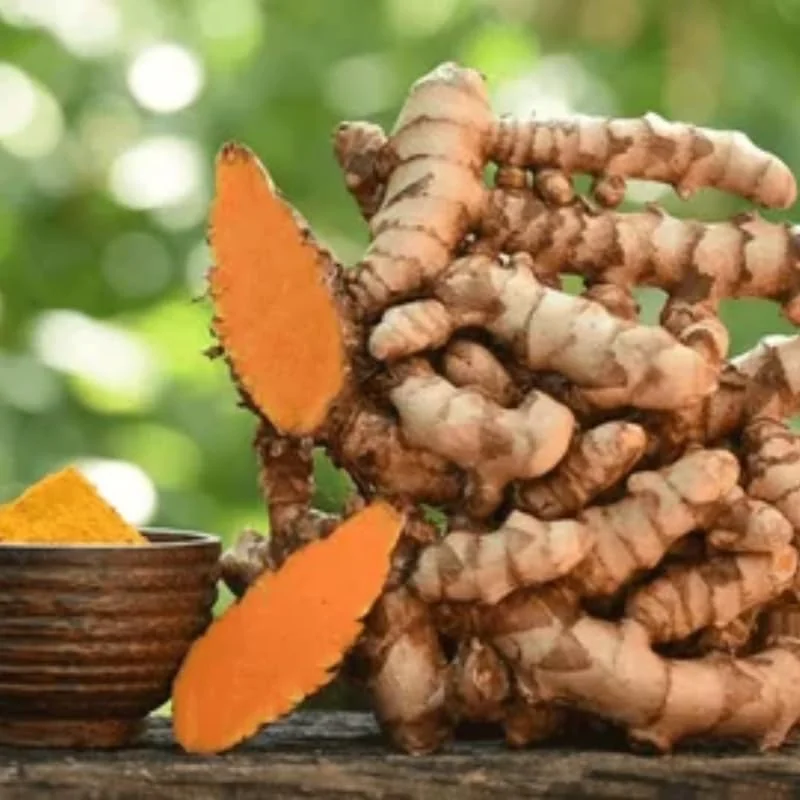
- Q: Can I use the rhizomes of this plant for cooking? A: While this is a curcuma turmeric ginger plant, it is primarily an ornamental variety, cultivated for its flowers. While some Curcuma species are edible, this specific plant is not typically grown for culinary use like common turmeric or ginger.
Be the first to review “Curcuma Turmeric Ginger Plant Live, 4-8 Inch Tall, Ornamental Flowers”
You must be logged in to post a review.
People also Viewed
Sold 50 products
Original price was: $28.58.$19.99Current price is: $19.99.
Sold 50 products
$32.39
Sold 50 products
$21.59
Sold 50 products
$35.99
Sold 50 products
Price range: $23.15 through $25.19
Sold 50 products
$38.39
Sold 50 products
Price range: $28.79 through $35.99
Sold 50 products
$26.39RELATED posts
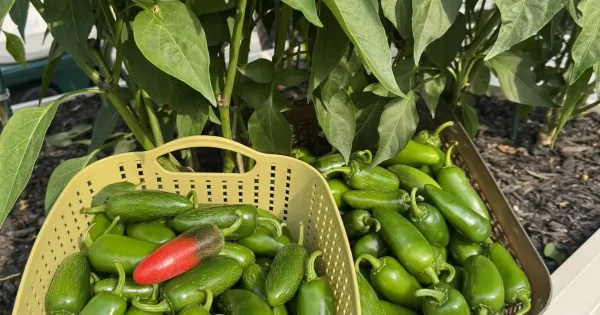
How to Grow Jalapeño Peppers From Seeds: A Step-by-Step Guide
Ready to spice things up in your garden? Jalapeños are the true life of the [...]
Apr
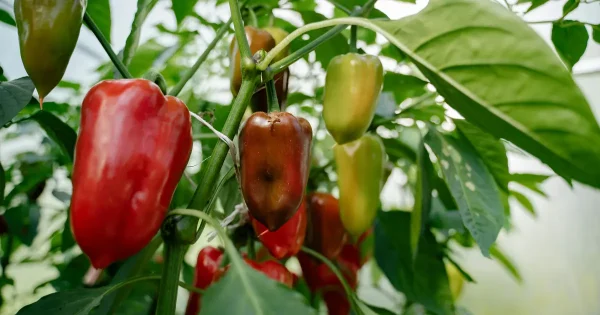
Top 12 Best Types of Peppers to Grow in Your Garden: Easy and High Yield
Growing peppers is, quite honestly, one of the biggest “wins” you can have in a [...]
Apr
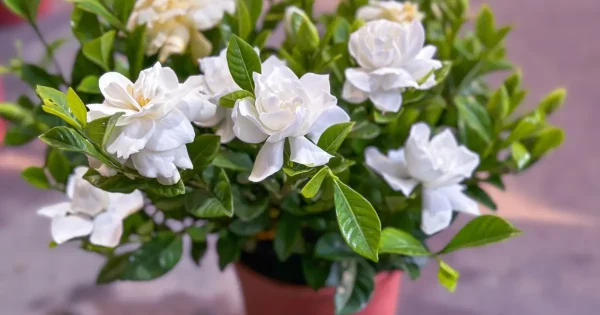
Frostproof Jasmine Care: 7 Tips for Successful Pot Growth
Most gardenias are known for being “divas.” They want perfect humidity, perfect soil, and they [...]
Mar
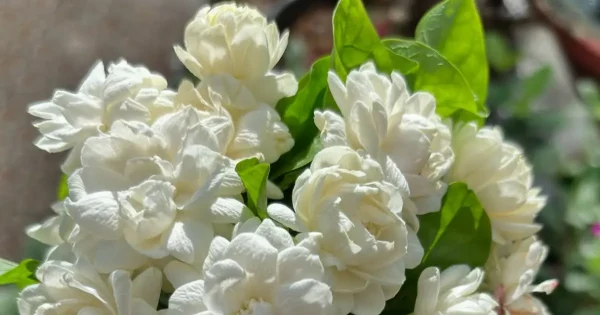
Top 7 Best Smelling Jasmine Varieties for a Heavenly Garden
Have you ever walked past a house and caught a scent so sweet you just [...]
Mar
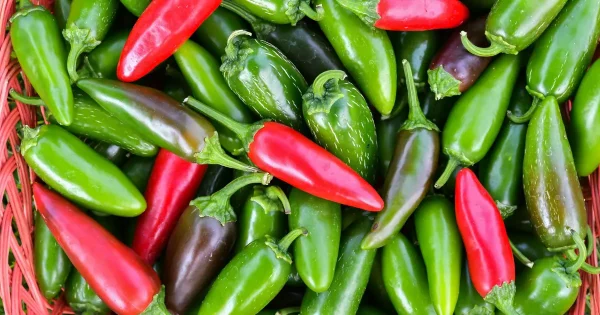
Master the Heat: 8 Expert Tips for Growing Jalapeños Like a Pro
Are you staring at your garden space, wondering why your pepper plants look more like [...]
Mar
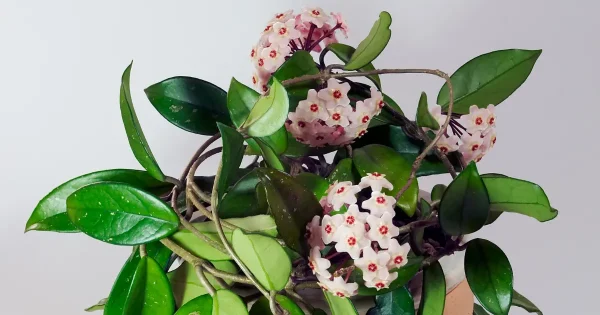
Top 5 Must-Have Hoya Varieties for Beginners
Hoyas are easily one of my top recommendations if you’re hunting for a low-maintenance houseplant [...]
Mar
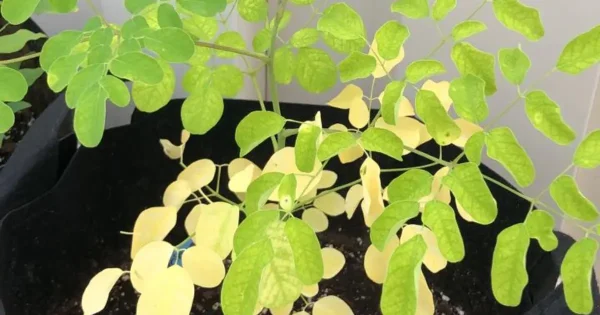
7 Moringa Plant Care Mistakes to Avoid for Healthy Growth
Have you ever looked at your Moringa tree and wondered why its once vibrant green [...]
Feb
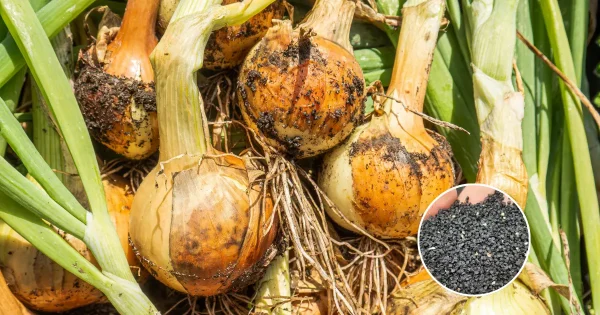
How to Grow Potato Onions From True Seeds: A Step-by-Step Guide
Have you ever wondered how to grow potato onions from true seeds or why some [...]
Feb

Reviews
There are no reviews yet.