
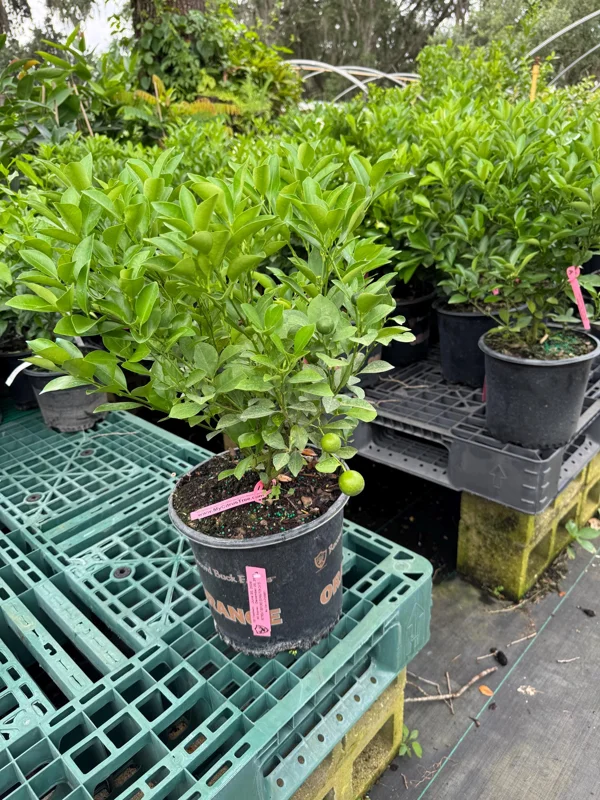
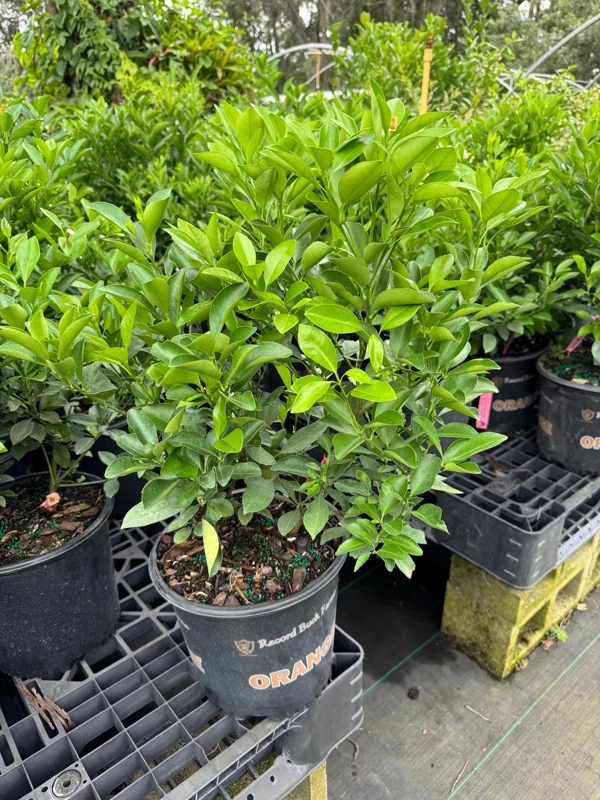
Calamondin Citrus Tree Live Plant – 3 Gallon Pot, 2-3 Feet Tall, Dwarf Fruit
Original price was: $220.00.$165.00Current price is: $165.00.
Bring home a beautiful calamondin citrus tree, a delightful dwarf fruit plant perfect for growing your own tangy citrus. This 3-gallon plant stands 2-3 feet tall, offering ornamental beauty and delicious fruit. Ideal as a calamondin indoor plant or outdoor accent.
Shipping and Return policies:
We stand behind our plants with our Alive & Thrive Guarantee. If you experience any issues within the first 30 days, please email us, and our team will be happy to help. When needed, we’ll send you a one-time replacement free of charge to make sure your garden keeps growing strong.

Reasonable Price
We offer reasonable price

Support 24/7
Contact us 24 hrs a day
100% Money Back
You’ve 30 days to Return
Payment Secure
100% secure payment
Overview
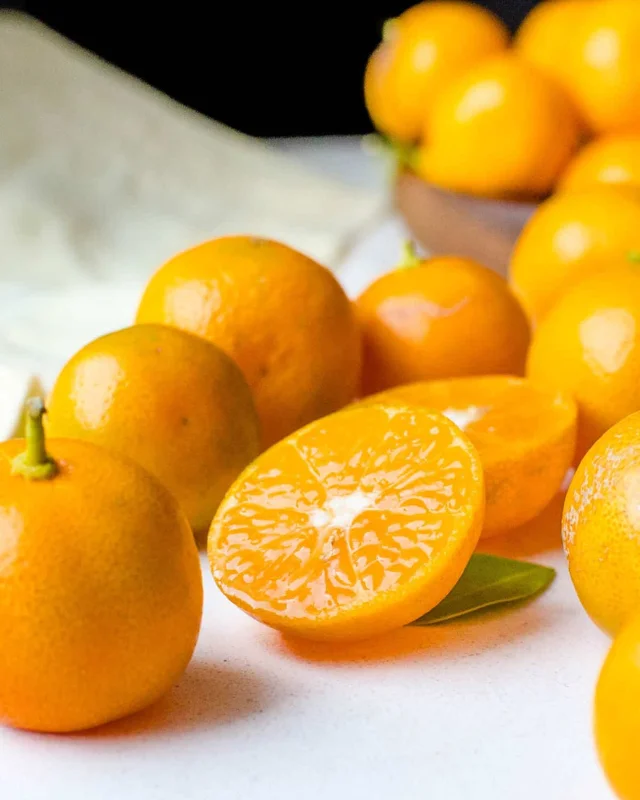
Introduce a touch of exotic charm and fresh flavor to your home or garden with the exquisite calamondin citrus tree. This vibrant live plant, also known as Calamansi or Philippine Lime, is a highly sought-after dwarf citrus variety cherished for its ornamental appeal and prolific fruit production. Originating from Southeast Asia, the calamondin is a hybrid of a kumquat and another citrus species, resulting in small, round, intensely tart fruits that resemble miniature oranges. These versatile fruits are perfect for culinary uses, from making refreshing drinks and marmalades to enhancing savory dishes. Our calamondin citrus tree comes in a 3-gallon container, standing proudly at 2-3 feet tall, making it an ideal size for immediate enjoyment and continued growth.
The Calamondin is a fantastic choice for both seasoned gardeners and beginners alike, adapting well to container living and thriving in a variety of environments. Its glossy green foliage provides a lush backdrop to the small, fragrant white blossoms that eventually give way to the bright, colorful fruit. This particular specimen is a robust and healthy dwarf variety, ensuring it remains manageable in size while still delivering an abundant harvest. Whether you envision it gracing your patio, brightening a sunny windowsill, or becoming a focal point in your garden, this calamondin citrus tree promises both beauty and bounty, offering a continuous supply of its unique and tangy citrus.
Key Benefits
The calamondin citrus tree offers a multitude of benefits, combining ornamental beauty with practical utility. It’s not just a plant; it’s an investment in fresh, homegrown flavor and a vibrant addition to your living space.
- Homegrown Fresh Fruit: Enjoy the satisfaction of harvesting your own fresh calamondin fruit directly from your tree. These small, tangy citrus fruits are incredibly versatile for cooking, drinks, and desserts, offering a unique flavor profile that elevates any dish.
- Ornamental Appeal: With its glossy, dark green leaves, fragrant white flowers, and bright orange fruits, the calamondin citrus tree is a stunning decorative plant. It adds a touch of tropical elegance to any indoor or outdoor setting, providing visual interest throughout the year.
- Compact Dwarf Size: As a dwarf citrus tree, the calamondin is perfectly suited for container gardening. Its manageable size means it can thrive on patios, balconies, or even indoors, making fresh citrus accessible even in smaller spaces.
- Fragrant Blooms: The tree produces delicate, highly fragrant white flowers that fill the air with a sweet, citrusy scent. These blooms are a delightful precursor to the fruit, adding another sensory layer to its appeal.
- Relatively Easy Care: Calamondin trees are known for being quite resilient and adaptable, making calamondin plant care straightforward for most gardeners. With proper watering and sunlight, they can flourish and produce fruit for many years.
- Year-Round Harvest: In favorable conditions, calamondin trees can produce fruit almost continuously, allowing you to enjoy fresh citrus for an extended period, unlike many seasonal fruit trees.
- Versatile Culinary Use: The fruit’s unique tartness is prized in various cuisines. Use it to make refreshing calamansi juice, flavorful marinades, tangy sauces, or delectable marmalades. It’s a culinary gem that expands your kitchen possibilities.
Plant Care & Growing Tips
Proper calamondin plant care is essential for ensuring a healthy, productive tree. This dwarf citrus variety thrives with consistent attention to its environmental needs. Provide your calamondin citrus tree with at least 6-8 hours of direct sunlight per day. If growing indoors, place it near a south-facing window or supplement with a grow light, especially during winter months. For outdoor placement, choose a spot with full sun exposure. Ensure good air circulation around the plant to prevent fungal issues.
Watering is crucial for calamondin trees. They prefer consistently moist but not waterlogged soil. Allow the top inch or two of soil to dry out before watering thoroughly until water drains from the bottom of the pot. Reduce watering frequency in cooler months. Use a well-draining potting mix specifically formulated for citrus or general potting mix amended with perlite or sand to improve drainage. Fertilize your dwarf citrus tree with a balanced citrus-specific fertilizer during the growing season (spring through fall), following the product’s instructions. Avoid fertilizing during winter when the plant’s growth slows.
Calamondin trees are sensitive to cold and should be protected from frost. If growing outdoors in a region with cold winters, it’s best to keep it in a container so you can bring it indoors when temperatures drop below 40°F (4°C). Prune your calamondin indoor plant to maintain its shape and encourage bushier growth, removing any dead or crossing branches. Watch out for common citrus pests like spider mites, aphids, and scale insects, and treat them promptly with horticultural oil or insecticidal soap if spotted. With these care tips, your calamondin tree will thrive and provide you with delicious fruit.
Size & Details
This calamondin citrus tree is a robust live plant, shipped in a 3-gallon nursery pot. It stands approximately 2-3 feet tall from the base of the pot to the top of the foliage, offering a substantial and well-established specimen for your home or garden. As a dwarf variety, it has a compact growth habit, typically reaching a mature height of 6-10 feet if planted in the ground, but can be maintained at a smaller size through pruning when grown in a container. The tree arrives with a healthy root system and established foliage, ready to continue growing in its new environment. Its moderate growth rate means you can expect to see noticeable development within a single growing season, with fruit production often beginning within 1-2 years of planting, if not already present.
The 3-gallon pot size provides ample space for initial growth and establishment before requiring repotting, typically every 2-3 years as the plant matures. This size is ideal for ensuring the plant has enough nutrients and moisture to thrive during transit and upon arrival. The calamondin fruit tree is a long-lived plant, capable of providing fresh fruit for many decades with proper care. It will be shipped with its pot and soil, ensuring minimal transplant shock and a smooth transition to your home. Expect this healthy and vibrant tree to become a cherished addition, bringing both beauty and a bountiful harvest to your space.
Frequently Asked Questions
- Q: How big does this plant get? A: This particular calamondin citrus tree is a dwarf variety, shipped at 2-3 feet tall in a 3-gallon pot. When grown in a container, it typically reaches a mature height of 4-6 feet, but can be kept smaller with regular pruning.
- Q: Is this an indoor or outdoor plant? A: The calamondin is versatile. It can be grown outdoors in USDA Zones 9-11 year-round. In colder climates, it makes an excellent calamondin indoor plant and should be brought indoors when temperatures drop below 40°F (4°C).
- Q: How much sunlight does it need? A: Your dwarf citrus tree requires at least 6-8 hours of direct sunlight daily for optimal growth and fruit production. Indoors, place it in your brightest window, preferably south-facing, or use a supplemental grow light.
- Q: Is this plant easy to care for? A: Yes, calamondin trees are generally considered one of the easier citrus varieties to care for, making them suitable for beginners. Consistent watering, adequate sunlight, and proper fertilization are key to successful calamondin plant care.
- Q: What condition will it arrive in? A: The tree will arrive as a live, healthy plant, shipped in its 3-gallon nursery pot with soil. We ensure careful packaging to minimize stress during transit, so your calamondin fruit tree arrives ready to thrive.
- Q: How long until it produces fruit? A: Many calamondin trees begin producing fruit within 1-2 years of planting, and sometimes even sooner for well-established specimens like this 3-gallon size. They are known for their prolific and often continuous fruiting habit.
- Q: What kind of soil is best for a calamondin? A: Calamondin trees prefer a well-draining, slightly acidic potting mix. A specialized citrus potting mix is ideal, or you can use a high-quality general potting mix amended with perlite or sand to enhance drainage.
- Q: Can I use calamondin fruit in cooking? A: Absolutely! The fruit of the calamondin citrus tree is highly prized for its intense tartness and unique flavor. It’s excellent for making juices, marmalades, sauces, marinades, and as a substitute for lime or lemon in many recipes.
- Q: How often should I water my calamondin tree? A: Water when the top 1-2 inches of soil feel dry to the touch. Ensure thorough watering until it drains from the bottom of the pot. Adjust frequency based on temperature, humidity, and the plant’s growth stage; less in winter, more in summer.
- Q: Is the calamondin tree self-pollinating? A: Yes, calamondin trees are self-pollinating, meaning you only need one tree to get fruit. However, gently shaking the branches or using a small brush to transfer pollen can sometimes increase fruit set, especially for calamondin indoor plant varieties.
Be the first to review “Calamondin Citrus Tree Live Plant – 3 Gallon Pot, 2-3 Feet Tall, Dwarf Fruit”
You must be logged in to post a review.
People also Viewed
Sold 50 products
Original price was: $24.09.$18.06Current price is: $18.06.
Sold 50 products
Original price was: $220.00.$165.00Current price is: $165.00.
Sold 50 products
Original price was: $28.58.$25.72Current price is: $25.72.
Sold 50 products
Original price was: $241.89.$145.13Current price is: $145.13.
Sold 50 products
Original price was: $59.98.$45.98Current price is: $45.98.
Sold 50 products
Original price was: $31.99.$14.98Current price is: $14.98.
Sold 50 products
Original price was: $29.98.$16.99Current price is: $16.99.

Sold 50 products
Original price was: $37.98.$26.99Current price is: $26.99.RELATED posts

9 Best Flower Seeds to Start in February for Early Blooms
If you’re a passionate gardener, you know that itchy feeling in your fingers when February [...]
Jan
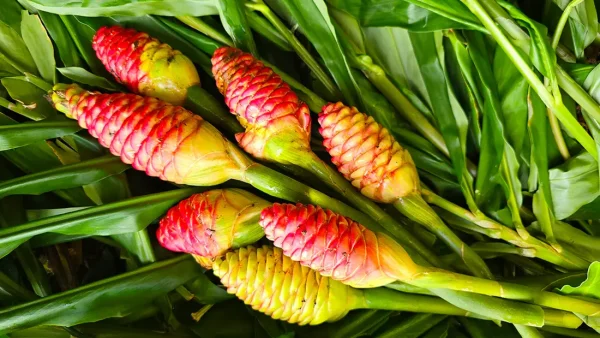
Growing Shampoo Ginger in Pots: Easy Guide to Potting Ginger Lilies
Are you looking to add a touch of exotic beauty to your home while growing [...]
Jan
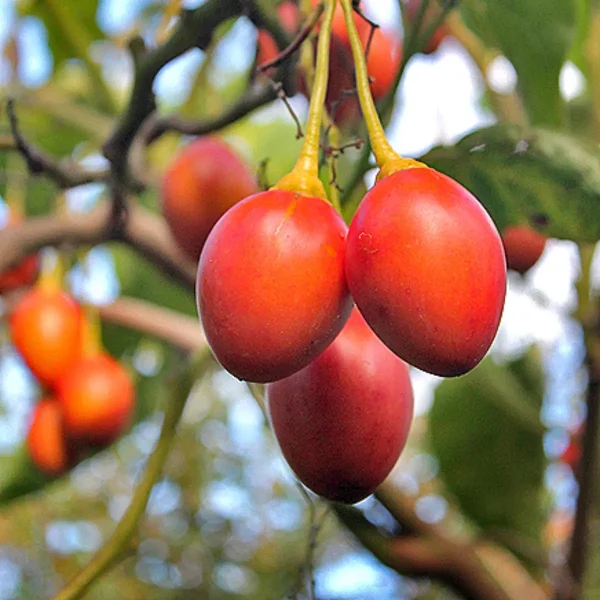
Tamarillo vs Tomato: Which One Is Better for You?
Have you ever walked through the exotic produce section of a Whole Foods or a [...]
Jan
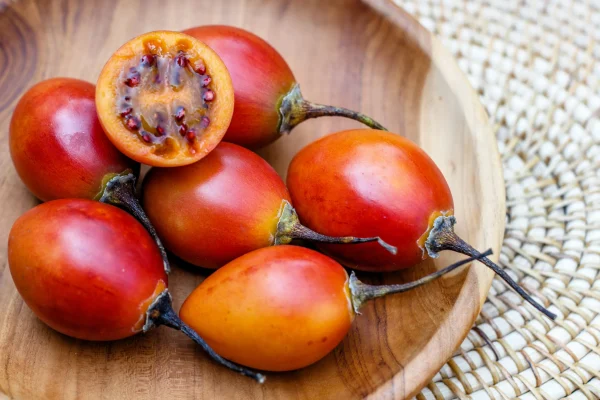
Grow Your Own Tamarillo Tree: Expert Tips for a Thriving Tree Tomato
Have you ever walked through a garden center in California or Florida and spotted a [...]
Jan

Best Companion Plants for Jerusalem Artichokes: Grow Better Crops
If you’re a passionate gardener, you may have already encountered the challenge of deciding which [...]
Nov

Common Mistakes to Avoid When Growing Jerusalem Artichoke from Seeds
Are you excited to grow Jerusalem artichokes (also known as sunchokes) from seeds, but finding [...]
Oct

How to Grow Shampoo Ginger Roots: Step-by-Step Guide
Have you ever wanted to grow your own shampoo ginger at home? Whether you’re looking [...]
Oct

Protect Your Abutilon Orange Tiger: Essential Guide to Common Diseases & Pests
If you’ve noticed yellowing leaves, wilting, or pest infestations on your Abutilon Orange Tiger plant, [...]
Oct


Reviews
There are no reviews yet.