
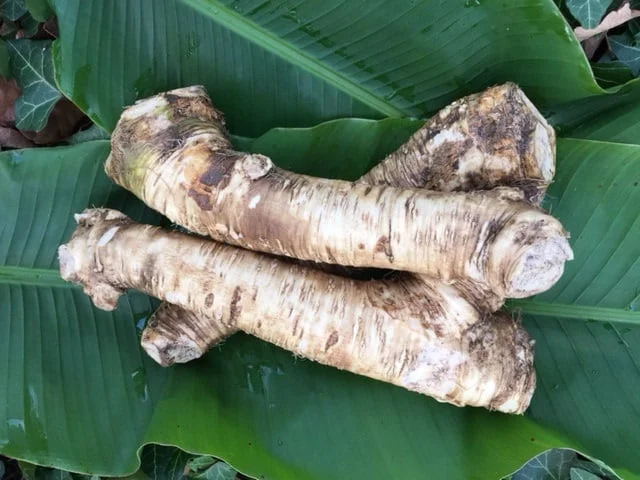
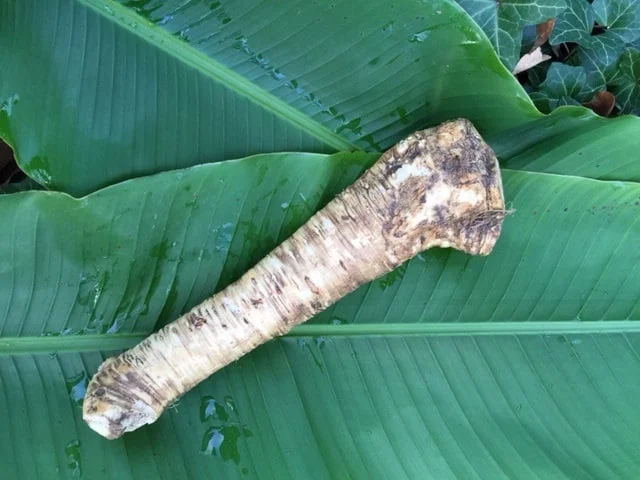
Bareroot Horseradish Root – Easy Grow Perennial Herb for Culinary Use, Zones 3-8
Price range: $32.89 through $174.90
Cultivate your own potent and flavorful horseradish with this easy-to-grow bareroot horseradish root. Perfect for adding a spicy kick to your meals, this perennial herb thrives in various conditions and is an excellent choice for both novice and experienced gardeners. Enjoy fresh harvests year after year.
Shipping and Return policies:
We stand behind our plants with our Alive & Thrive Guarantee. If you experience any issues within the first 30 days, please email us, and our team will be happy to help. When needed, we’ll send you a one-time replacement free of charge to make sure your garden keeps growing strong.

Reasonable Price
We offer reasonable price

Support 24/7
Contact us 24 hrs a day
100% Money Back
You’ve 30 days to Return
Payment Secure
100% secure payment
Overview
Bring the vibrant, pungent flavor of fresh horseradish to your kitchen with this robust bareroot horseradish root. Known for its distinct kick, horseradish is a versatile culinary herb that adds depth to sauces, roasts, and various dishes. This offering provides a strong, healthy root ready for planting, ensuring a successful start to your horseradish patch. As a perennial, once established, this plant will reward you with abundant harvests for years to come, becoming a staple in your garden and culinary endeavors. Growing your own bareroot horseradish root is a rewarding experience, providing both fresh, zesty flavor and an attractive, hardy addition to your herb garden.
Horseradish (Armoracia rusticana) is a member of the Brassicaceae family, related to mustard, wasabi, and broccoli. It’s primarily cultivated for its large, white, pungent taproot, which is grated and used as a spice. This easy-to-grow perennial thrives in most temperate climates and is known for its resilience and vigor. Whether you’re a seasoned gardener or just starting, planting this bareroot horseradish root is a straightforward way to enjoy fresh, homegrown horseradish.
Key Benefits
Growing your own horseradish offers numerous advantages, from its culinary versatility to its garden resilience. This bareroot horseradish root provides an excellent foundation for a thriving plant.
- Unbeatable Flavor: Enjoy the superior, fresh, and pungent flavor that homegrown horseradish provides, far surpassing store-bought varieties. It’s perfect for making sauces, dressings, and garnishes.
- Perennial Growth: Once planted, this perennial herb will return year after year, offering continuous harvests with minimal effort. This makes it a highly sustainable addition to your garden.
- Easy to Grow: Horseradish is remarkably forgiving and easy to cultivate, making it suitable for gardeners of all skill levels. Even if you’re new to gardening, you’ll find success with this plant.
- Cold-Hardy & Resilient: Thriving in USDA Zones 3-8, this plant is incredibly cold-hardy and can withstand challenging weather conditions, ensuring consistent production.
- Culinary Versatility: Use fresh horseradish to spice up a wide range of dishes, from prime rib to Bloody Marys, adding a unique zest and heat. Fresh grow horseradish is a game changer for many recipes.
- Health Benefits: Horseradish is known for its potential health benefits, including digestive aid and immune-boosting properties, making it a valuable addition to a healthy diet.
- Self-Pollinating: This plant is self-pollinating, simplifying the growing process and ensuring good yields without the need for additional plants.
Plant Care & Growing Tips
Caring for your bareroot horseradish root is relatively simple, as it is a hardy and adaptable plant. For optimal growth and yield, provide it with the right conditions. Horseradish thrives in full sun, meaning it needs at least 6 hours of direct sunlight per day. While it can tolerate partial shade, full sun promotes the best root development and flavor intensity. Ensure the planting site receives ample light throughout the growing season.
Well-drained soil is crucial for horseradish. It prefers a rich, loamy soil that retains moisture but doesn’t become waterlogged. Amend heavy clay soils with organic matter like compost to improve drainage and fertility. Horseradish is a heavy feeder, so incorporating compost or a balanced fertilizer into the soil before planting will give your grow horseradish the best start. While relatively drought-tolerant once established, consistent moisture is important, especially during dry spells. Water deeply when the top inch of soil feels dry to the touch, but avoid overwatering, which can lead to root rot. Keep an eye on soil moisture, especially during hot summer months.
Horseradish is cold-hardy and suited for USDA Zones 3-8. It can be planted in early spring as soon as the soil can be worked. In colder zones, plant after the last frost. For planting, simply bury the bareroot horseradish root horizontally about 2-3 inches deep. Plant it in a location where it has room to spread, as it can be invasive. Many gardeners choose to plant it in a large container buried in the soil with the bottom cut out to help manage its spread. Fertilize annually in spring with a balanced fertilizer. Harvest can begin in early spring once the crown turns green, or later in the fall for larger, more developed roots. Learning proper horseradish plant care will ensure a bountiful harvest.
Size & Details
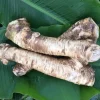
This product includes a healthy bareroot horseradish root, ready for planting. The size of the root may vary, as it is sold by weight, meaning you could receive one large root or several smaller ones, all viable for cultivation. These roots may not be visually perfect, but they are robust and quick to establish, ensuring successful growth. Once planted, horseradish will quickly develop into a vigorous plant, producing large yields of flavorful roots. As a perennial, it will grow back year after year, with roots that keep well for months after harvest. Expect robust growth and a strong root system that can be divided for future plantings. This perennial horseradish is a long-term investment for your garden.
Frequently Asked Questions
- Q: How big does this plant get? A: Horseradish plants can grow quite large above ground, with leaves reaching 2-3 feet in height. The roots can also grow extensively, sometimes becoming quite long, which is why container planting is often recommended to manage its spread.
- Q: What size root will I receive? A: You will receive a bareroot horseradish root sold by weight. This means you might get one large root or several smaller ones, all suitable for planting and equally capable of producing a healthy plant.
- Q: Is this an indoor or outdoor plant? A: Horseradish is primarily an outdoor plant, thriving in garden beds. While it can be grown in large containers, it requires significant space and sunlight, making it less suitable as a permanent indoor houseplant.
- Q: How much sunlight does it need? A: Horseradish prefers full sun, which means at least 6 hours of direct sunlight per day. It can tolerate partial shade, but optimal root development and flavor are achieved with more sun.
- Q: Is this plant easy to care for? A: Yes, horseradish is known for being very easy to grow and maintain. It’s a hardy perennial that tolerates a range of conditions, making horseradish plant care straightforward for beginners.
- Q: When is the best time to plant this bareroot horseradish root? A: The best time to plant is in early spring, as soon as the soil can be worked, after the danger of hard frost has passed. You can also plant in late fall in milder climates.
- Q: How long until I can harvest the horseradish? A: You can begin harvesting in early spring as soon as the crown turns green, but for larger, more developed roots with intense flavor, it’s best to harvest in late fall after the first frost.
- Q: Will it survive winter in my zone? A: This perennial horseradish is extremely cold-hardy, thriving in USDA Zones 3-8. It will die back in winter but reliably return in spring.
- Q: Can I use this horseradish for culinary purposes? A: Absolutely! These roots are specifically intended for growing culinary horseradish, providing that distinct, spicy flavor for your favorite dishes. This is an excellent way to get fresh culinary herb.
- Q: How can I prevent it from becoming invasive? A: To manage its spread, consider planting horseradish in a large container buried in the ground with the bottom cut out, or in a dedicated garden bed where its vigor won’t overtake other plants.
| Weight | 3 Lbs, 1 Lbs, 6, 8 Lbs, 2 Lbs, 4 Lbs, 10 Lbs |
|---|
Be the first to review “Bareroot Horseradish Root – Easy Grow Perennial Herb for Culinary Use, Zones 3-8”
You must be logged in to post a review.
People also Viewed
Sold 50 products
Original price was: $17.58.$11.86Current price is: $11.86.
Sold 50 products
Price range: $32.99 through $35.99
Sold 50 products
$69.99
Sold 50 products
$18.99
Sold 50 products
Price range: $14.98 through $23.89
Sold 50 products
$32.99
Sold 50 products
$24.99
Sold 50 products
Price range: $43.99 through $44.99RELATED posts
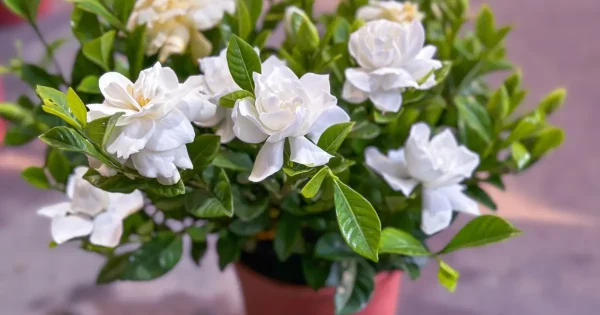
Frostproof Jasmine Care: 7 Tips for Successful Pot Growth
Most gardenias are known for being “divas.” They want perfect humidity, perfect soil, and they [...]
Mar
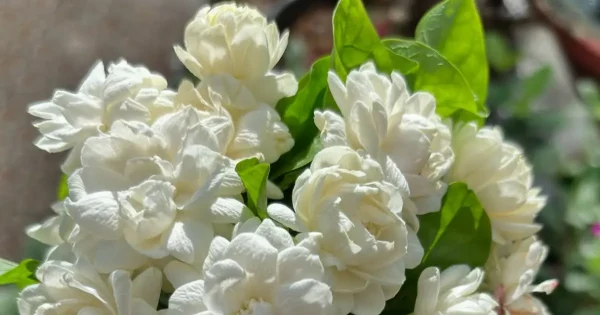
Top 7 Best Smelling Jasmine Varieties for a Heavenly Garden
Have you ever walked past a house and caught a scent so sweet you just [...]
Mar
Master the Heat: 8 Expert Tips for Growing Jalapeños Like a Pro
Are you staring at your garden space, wondering why your pepper plants look more like [...]
Mar
Top 5 Must-Have Hoya Varieties for Beginners
Hoyas are easily one of my top recommendations if you’re hunting for a low-maintenance houseplant [...]
Mar
7 Moringa Plant Care Mistakes to Avoid for Healthy Growth
Have you ever looked at your Moringa tree and wondered why its once vibrant green [...]
Feb
How to Grow Potato Onions From True Seeds: A Step-by-Step Guide
Have you ever wondered how to grow potato onions from true seeds or why some [...]
Feb
Growing Walking Onions in Containers: The Ultimate Guide
Have you ever looked at your small balcony or cramped patio and wished you could [...]
Feb

9 Best Flower Seeds to Start in February for Early Blooms
If you’re a passionate gardener, you know that itchy feeling in your fingers when February [...]
Jan

Reviews
There are no reviews yet.