
Gardening Tips
How to Grow Potato Onions From True Seeds: A Step-by-Step Guide
Feb
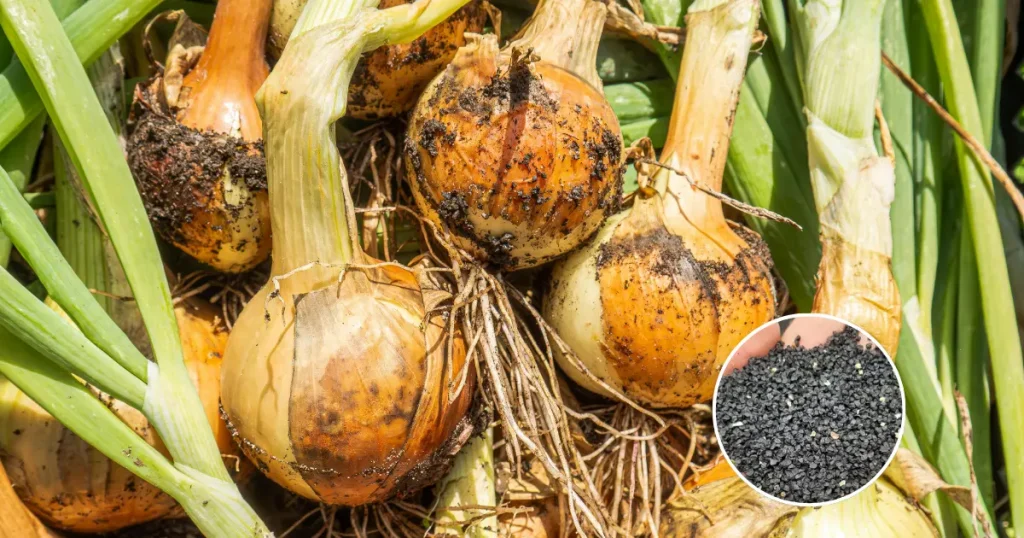
Have you ever wondered how to grow potato onions from true seeds or why some gardeners prefer this method over planting traditional sets? If you are looking to diversify your vegetable patch with a resilient, multiplier onion that offers a rich, shallot-like flavor, then potato onions are a fantastic choice. While most people grow them from bulbs, starting from True Potato Onion Seed (TPOS) allows for greater genetic diversity and helps prevent the buildup of soil-borne diseases. In this guide, we’ll walk you through everything you need to know about these unique onions, their characteristics, planting requirements, and essential care tips.
What are Potato Onions?
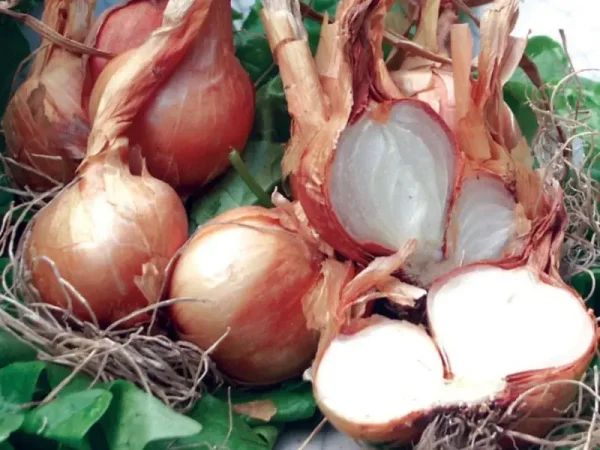
What Do Potato Onions Look Like?
Potato onions (Allium cepa aggregatum) are a type of multiplier onion. Unlike standard onions that produce one large bulb, a single potato onion bulb divides into a cluster of several smaller bulbs, much like how a potato grows. They feature attractive, coppery-brown or yellow skins with crisp, white-to-purplish flesh inside. When grown from true seeds, the resulting plants can vary in size, color, and flavor, giving you a unique “landrace” harvest that is perfectly adapted to your specific garden environment.
Why Choose Seeds Over Bulbs?
Growing from true seeds (TPOS) isn’t just a fun challenge; it offers several practical advantages:
-
Disease Prevention: Bulbs can carry over viruses and fungi from year to year. True seeds are generally “cleaner” and produce more vigorous plants.
-
Increased Genetic Diversity: Seeds produce offspring with varied traits, allowing you to select the best-performing onions for your climate.
-
Long-Term Storage: Potato onions are legendary for their shelf life, often staying firm and flavorful for up to 12 months.
Planting Potato Onions from True Seeds
Preparing to Plant
Before you scatter your seeds, it’s essential to set the stage for success. Here is how to prepare:
-
Best Time to Plant: Start your seeds indoors about 8-10 weeks before the last spring frost. This gives the slow-growing seedlings enough time to develop a strong root system.
-
Soil Preparation: These onions love well-drained, fertile soil rich in organic matter. A high-quality seed-starting mix is best for the initial stage.
-
Light Requirements: Seedlings need plenty of light. A bright south-facing window or, ideally, shop lights/LED grow lights will prevent them from becoming “leggy.”
How to Sow Potato Onion Seeds
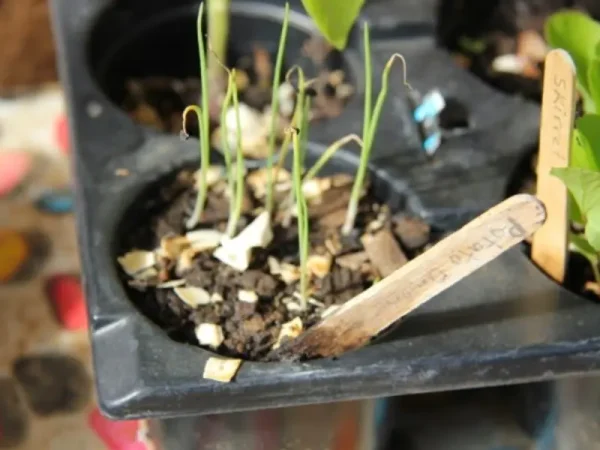
Planting true onion seeds requires a bit of patience, but the process is straightforward:
-
Sowing: Fill trays with moist starting mix. Sow seeds about 1/4 inch deep. Unlike fireweed, onion seeds prefer to be covered lightly to maintain moisture.
-
Temperature: Keep the trays in a warm spot (65°F to 75°F). Germination usually occurs within 7 to 14 days.
-
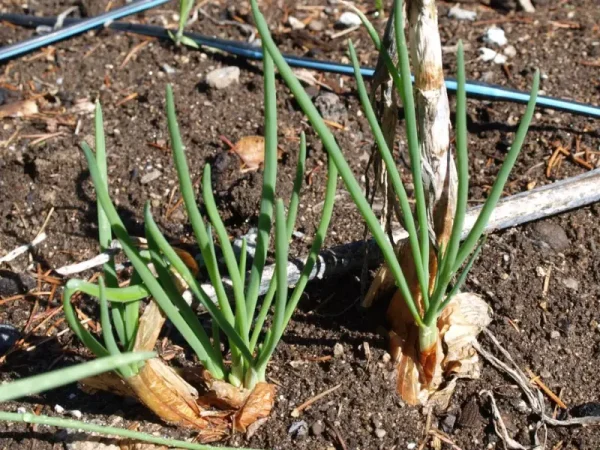
Transplanting: Once the “greenhouse” onions reach the thickness of a pencil and the outdoor soil is workable, it’s time to move them to the garden.
Caring for Potato Onion Seedlings
Watering
Unlike some deep-rooted vegetables, onions have a relatively shallow root system. This means they can’t go searching for water deep underground during a dry spell. You’ll want to ensure the soil stays consistently moist but never waterlogged, as soggy roots can quickly lead to rot.
A great tip for busy gardeners is to apply a layer of organic mulch, like straw or shredded leaves. This not only helps retain precious moisture but also smothers thirsty weeds that would otherwise compete with your onions for nutrients.
Feeding
To help those bulbs swell to an impressive size, a little nutritional boost goes a long way. A light feeding with a balanced, organic fertilizer in late spring, just as the weather starts to warm, will give the plants exactly what they need for that mid-season growth spurt. However, be careful with the timing!
You should avoid excessive nitrogen late in the season. Too much nitrogen at the wrong time will encourage the plant to keep producing lush green leaves instead of focusing its energy on dividing and growing those prized bulbs.
Giving Them Room to Grow (Spacing)
When you first transplant your onions, spacing them 6-10 inches apart might look like you’re leaving a lot of empty, wasted space in your garden bed. But don’t be tempted to crowd them!
Proper spacing ensures plenty of airflow between clusters, which is your best defense against fungal diseases and ensures every bulb has enough “elbow room” to reach its full potential.
Harvesting, Curing, and Storage
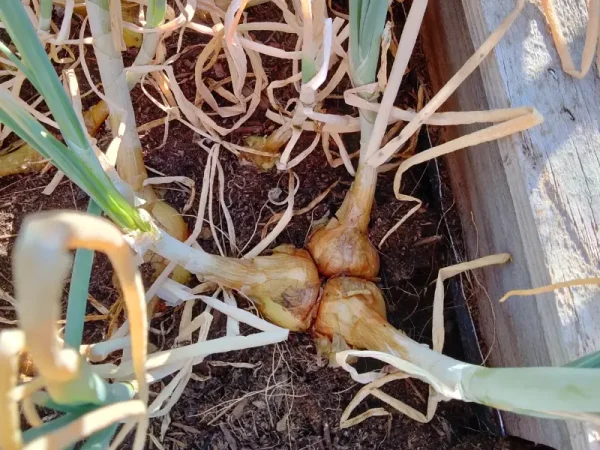
When the tops of the plants begin to turn yellow and fall over, your potato onions are telling you they are ready.
-
Harvesting: When the green tops turn brown and flop over in late summer, it’s time! Gently lift the clusters with a garden fork on a dry, sunny day.
-
Curing: Lay the onions in a shaded, breezy spot for 2-3 weeks. This hardens the skins and prepares them for long-term storage.
-
Storage: Curing: This is the secret to long storage. Lay your onions in a dry, breezy spot out of direct sunlight for 2-3 weeks. Once the outer skins feel like crinkly paper and the necks are tight and dry, they are ready for the pantry. Properly cured potato onions can last a remarkable 8-12 months!
Common Problems and How to Solve Them
-
Yellowing Leaves: Often caused by overwatering or poor drainage. If tips turn yellow, check your soil moisture. If you suspect pests like thrips, a gentle spray of neem oil usually does the trick.
-
Failure to Multiply: This typically happens due to a lack of sunlight or late planting. Ensure your onions aren’t shaded by taller crops and have enough time to mature before midsummer.
-
Pest Management: Keep an eye out for onion flies. Using row covers or planting marigolds nearby can help deter these unwanted visitors naturally.
Frequently Asked Questions (FAQs)
How long does it take for true onion seeds to germinate?
It typically takes 1 to 2 weeks, depending on the soil temperature and moisture levels.
Will I get large bulbs the first year?
When growing from true seeds, you may get a mix of medium bulbs and small “sets.” You can replant the best bulbs the following year to get even larger clusters.
Are potato onions the same as shallots?
They are closely related, but potato onions are generally larger and have a more robust “onion” flavor compared to the delicate sweetness of shallots.
Can I eat the green tops? Absolutely! You can snip a few green tops to use like scallions, but don’t take too many, or the plant won’t have enough energy to grow big bulbs.
Will I get huge onions in the first year? Since you’re starting from seed, your first harvest will likely be a mix of medium onions and smaller “sets.” Save the best small-to-medium ones to replant next year, that’s when you’ll see the truly massive clusters!
How do I store them for the winter? A mesh bag or a wooden crate in a cool, dark, and dry place is perfect. Just avoid the fridge, as the moisture can cause them to rot.
Conclusion
Growing potato onions from true seeds is a rewarding journey that connects you to the traditional roots of gardening while ensuring a healthy, sustainable harvest. By following these simple steps, you can enjoy a kitchen staple that is as delicious as it is easy to store. Whether you’re a seasoned pro or a beginner, adding these multiplier onions to your garden is a decision you won’t regret.
Read more: